The Essential Conversation: Fertility Preservation in the Shadow of Cancer
The journey through a cancer diagnosis is filled with tricky parts and tangled issues that affect not only treatment decisions but also the intricate planning of a life beyond cancer. One of the key topics that remains super important among reproductive-age patients is fertility preservation. With the increasing focus on quality of life after treatment, the discussion surrounding fertility preservation becomes critical, especially for those facing the nerve-racking and overwhelming challenges of cancer therapies such as chemotherapy, radiation, and surgery.
Recent advancements have opened up a range of options—from freezing eggs and sperm to pioneering ovarian tissue cryopreservation. Such opportunities offer hope and promise, allowing patients to take a closer look at preserving their fertility before embarking on a cancer treatment plan that could affect their reproductive health.
Understanding Fertility Preservation Options for Young Cancer Patients
Many young patients and their families find themselves forced to figure a path through the maze of cancer treatment while also trying to secure a future that includes the possibility of starting a family. This balancing act can feel off-putting, with added discussion points that may appear intimidating or even overwhelming. However, with proper counseling and expert guidance, reproductive preservation can serve as a beacon of hope during a time filled with confusing bits and complicated pieces.
Exploring the Methods: Egg, Sperm, and Ovarian Tissue Freezing
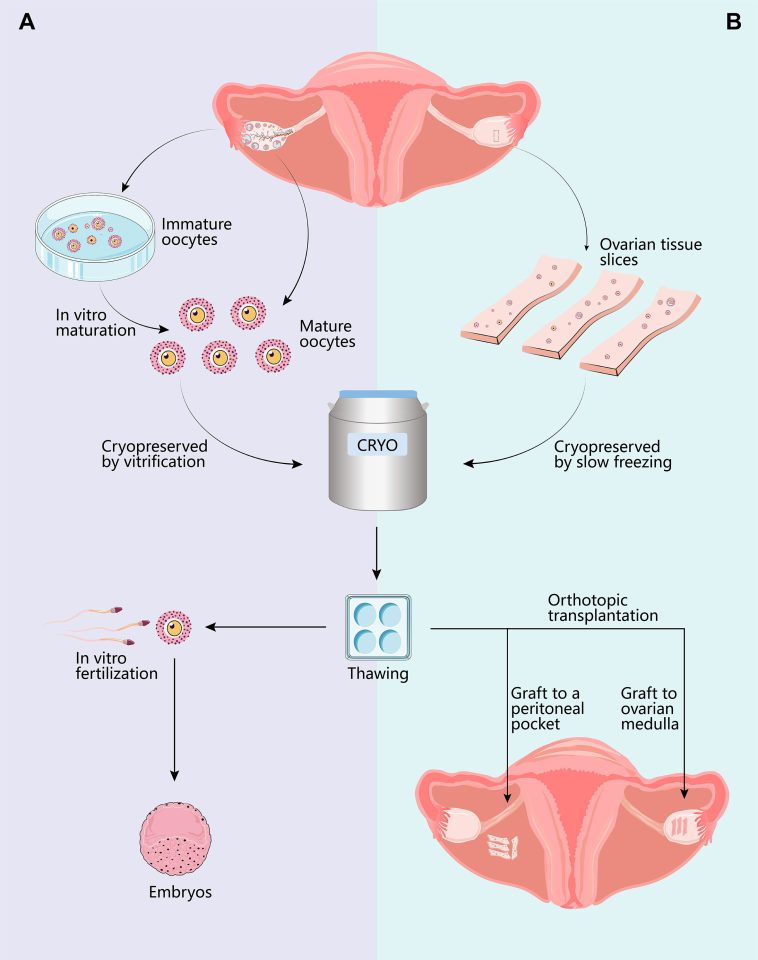
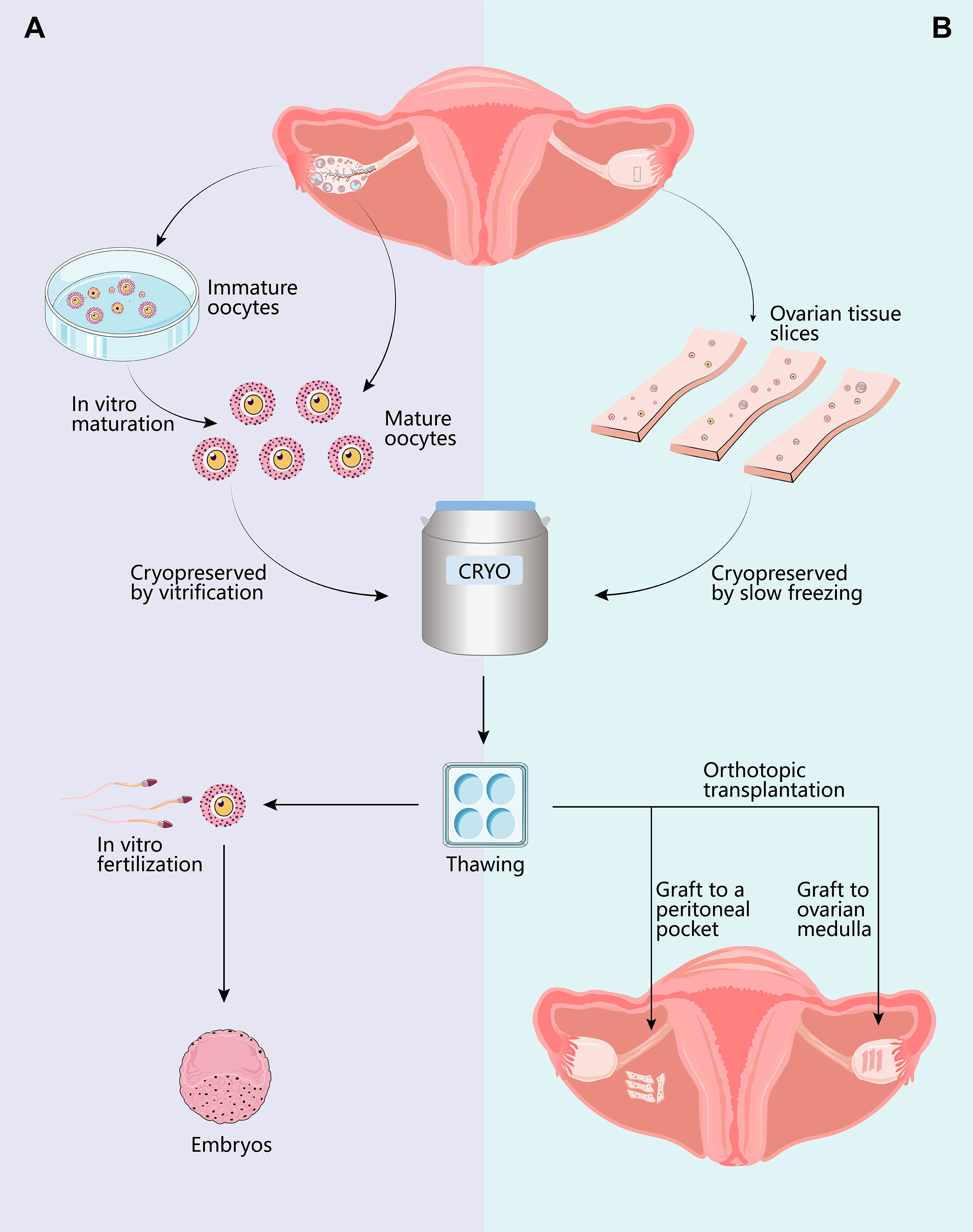
Fertility preservation involves several techniques designed to safeguard reproductive potential before treatment begins. For women, the process generally involves freezing eggs, sometimes combined with sperm to create embryos. In contrast, men typically have the option to freeze sperm. As medical technology advances, innovative methods have emerged for those who are not candidates for traditional approaches.
For example, prepubertal girls, who lack the mature hormonal connection between their brain and ovaries, are not suitable for egg freezing. Instead, a revolutionary technique called ovarian tissue cryopreservation is being utilized. This process involves harvesting, freezing, and later transplanting the tissue, sometimes decades later when the patient is ready to conceive. Such methods highlight the progress made in preserving the future fertility of patients even when standard approaches are not an option.
Charting a Timeline: The Urgency of Early Intervention
One of the most pressing challenges is the limited window available to start fertility preservation measures before cancer treatments begin. The emphasis on early intervention does not only protect a patient’s fertility; it also ensures that life-saving treatments are not delayed. Experts advise that reproductive-age patients be referred to fertility specialists as soon as their diagnosis is made—the sooner the better.
This expedited approach means that, often, fertility preservation procedures can be initiated within 24 hours. Treatment progression is carefully planned so that fertility measures can occur concurrently with cancer therapy scheduling, ensuring that preserving the ability to conceive does not interfere with the primary goal of tackling the malignancy.
Managing the Challenges: Communication, Cost, and Coordination
There are several tricky parts involved in integrating fertility preservation with cancer treatment. These include sensitive conversations with young patients, logistical challenges, and navigating the financial burdens that come with such specialized care. A combined strategy that involves oncologists, reproductive endocrinologists, and insurance experts is essential to steer through these tangled issues.
Effective Communication: A Delicate Balancing Act
Discussing fertility preservation with patients, especially young ones, is a conversation laden with subtle details and fine shades that demand compassionate communication. Physicians must dig into the benefits of fertility preservation while also acknowledging the nerve-racking implications of delaying cancer treatment. The approach needs a careful balance of optimism and realism.
Below is a list of strategies for ensuring respectful and understanding communication:
- Start the conversation as early as possible to reduce stress.
- Use language that is easy to understand and avoid overly complex medical jargon.
- Involve mental health professionals to support patients and families.
- Ensure that patients understand their options without feeling overwhelmed by the process.
This sensitive dialogue is critical for making sure that patients are fully informed about the potential impact of treatment on their reproductive future while feeling supported emotionally during a tense time.
Tackling Financial Barriers: Insurance and Out-of-Pocket Costs
A significant barrier to effective fertility preservation is the high cost associated with these procedures. With insurance coverage often in short supply for such treatments, many patients are left facing substantial out-of-pocket expenses. The situation is further complicated by the variation in insurance mandates among different states.
For instance, California’s Senate Bill 600 represents a progressive step by mandating fertility preservation coverage. However, many other states have yet to adopt similar policies, leaving patients to shoulder the financial burden alone. To better understand this challenge, consider the following breakdown:
| Issue | Details |
|---|---|
| Insurance Coverage | Varies by state; limited in many regions |
| Out-of-Pocket Costs | High expenses can deter patients from pursuing preservation options |
| Legislative Support | California’s mandate provides a model for expanding access |
A coordinated effort involving policymakers, healthcare professionals, and advocacy groups is needed to relieve some of the financial burdens and ensure that fertility preservation becomes accessible to all reproductive-age patients facing cancer.
Coordinating Care: Bridging Oncology and Reproductive Medicine
Early and efficient referral systems between oncologists and fertility specialists are of utmost importance. Given that fertility preservation treatments are extremely time-sensitive, establishing a seamless pathway between cancer diagnosis and reproductive intervention is essential. The early referral allows the fertility team to address the subtle parts of reproductive health before treatment impacts it, affirming that there is no need to delay urgent cancer care.
Effective care coordination can be achieved by implementing the following steps:
- Create a standardized referral protocol to ensure immediate consultation with reproductive specialists.
- Streamline communication channels between the oncology team and fertility clinics.
- Offer patients prompt appointments—often within 24 hours—to discuss fertility options.
- Integrate technological solutions such as telemedicine to expedite specialist access.
Such integrated care pathways provide the necessary support structure that ensures patients receive prompt and uninterrupted care without any treatment delays.
Patient Stories and Expert Opinions: The Human Side of Fertility Preservation
The reality of facing cancer testing, treatment, and fertility preservation is not just a clinical issue—it is profoundly human. Patients’ stories bring to light the emotional weight of these decisions, underscoring the need for compassionate, patient-centered care approaches.
Insights From Patients: Balancing Hope and Reality
Many patients express that the opportunity to preserve fertility provides them with a semblance of control amid the tense and nerve-racking circumstances of a cancer diagnosis. The reassurance that their reproductive future is being safeguarded can help balance the many overwhelming decisions they must make at a time already full of problems.
Patients often share feedback that includes remarks such as:
- “The process was organized yet surprisingly swift, and I felt that my care team was always thinking ahead about what was best for my future.”
- “It gave me a sense of hope during a period that felt both scary and confusing, knowing that there were specialists solely dedicated to preserving my reproductive health.”
- “The prompt referral and clear communication helped me understand that I could still plan for a family, even as I navigated through my cancer treatments.”
These personal testimonials are a testament to the importance of fertility preservation and indicate that early intervention is more than just a medical step—it is a critical part of emotional and future planning.
Expert Perspectives: A Call to Action for Oncologists
Experts in reproductive endocrinology emphasize that it is essential for oncologists to work closely with reproductive specialists. A proactive approach can transform a tense situation into one that is managed through effective, timely collaboration.
Dr. Katherine McDaniel, a specialist in reproductive endocrinology and infertility, has been at the forefront of this field. She stresses that all reproductive-age patients should have a conversation about the potential impacts of cancer therapies on fertility. Her advice is clear: refer patients immediately once the diagnosis is made. McDaniel highlights that fertility preservation treatments can typically be started on the same day or soon after the initial consultation and are often completed within a couple of weeks.
This streamlined process reassures patients that preserving fertility does not stand in the way of life-saving cancer treatments, but rather complements it by ensuring a comprehensive approach to long-term health and quality of life.
Charting the Future: Overcoming Barriers and Fostering Collaboration
While the advancements in fertility preservation are promising, several challenges remain. The confusing bits and tangled issues related to insurance, emotional stress, and coordination of care need to be continually addressed. Moving forward, the responsibility lies with multiple stakeholders in the healthcare system to promote policies, provide education, and create effective networks for comprehensive patient care.
Policy Initiatives and Legislation: Making Fertility Preservation Accessible
The key to breaking down financial barriers lies in policy change. Insurance companies and state legislatures have the power to play a decisive role by standardizing coverage requirements for fertility preservation services. To achieve more uniform protection, policy initiatives similar to California’s Senate Bill 600 should be discussed and adopted in other states.
Legislative efforts can focus on:
- Mandating a baseline level of coverage for fertility preservation in cancer treatment protocols.
- Funding research grants to further innovate and reduce the cost of fertility preservation technologies.
- Creating public-private partnerships aimed at supporting patients financially.
These efforts are not without their challenges, but by working together, healthcare professionals, policymakers, and patient advocates can mitigate the out-of-pocket costs and reduce the overall burden on patients.
Raising Awareness: Educating Patients and Healthcare Providers
There is great potential in raising awareness about the importance of fertility preservation. Both patients and healthcare professionals—especially those in oncology—should be continually educated on the available options and benefits. Educational programs can help dispel the nerve-racking myths and misconceptions about the procedures, ensuring that everyone has access to the fine points of the process.
Key educational strategies include:
- Developing informational webinars and workshops that explain the preservation process in straightforward language.
- Providing comprehensive guides and handouts that detail the steps, risks, and benefits associated with each method.
- Establishing patient support groups where individuals can share their experiences and advice about preserving fertility during cancer treatment.
By enhancing awareness, we make it easier for patients and their families to steer through the many twists and turns of cancer therapy and future planning with more assurance and less anxiety.
Balancing Cancer Treatment with Future Family Planning: The Road Ahead
The interplay between urgent cancer treatments and long-term family planning is full of subtle details and hidden complexities. In this balancing act, preserving fertility becomes not just a medical procedure, but a critical step in assuring patients that their lives after cancer can include the joys of parenthood. This perspective is especially important as cancer treatments extend life expectancy and quality of life for many patients.
Innovative Approaches: Latest Advances in Reproductive Preservation
The fast pace of medical advancements has ushered in new methods and technologies that are continually improving the prospects of fertility preservation. These advances reduce the waiting time and make it easier to integrate fertility procedures into the overall cancer treatment plan without extensive delays.
Some of the innovative approaches include:
- Streamlined Procedures: Interventions that can start within 24 hours of referral, ensuring that patients are seen urgently.
- Minimally Invasive Techniques: Tools and methods that reduce physical discomfort and recovery time for patients.
- Personalized Treatment Plans: Tailoring fertility preservation strategies to the individual patient’s medical profile and future reproductive desires.
These advancements represent significant progress, making the process less intimidating and more accessible. With continued research and development, the hope is that these methods will become even quicker, less nerve-racking, and more integrated with overall cancer care protocols.
Integrating Fertility Preservation into Oncological Practices
A collaborative approach is essential for achieving the dual goals of effective cancer treatment and fertility preservation. Oncologists are increasingly viewing fertility preservation as an indispensable component of holistic patient care. This integration requires organizations and institutions to adopt systematic methods to promptly refer reproductive-age patients.
Successful integration involves:
- Establishing clear referral protocols within oncology centers.
- Encouraging multidisciplinary team meetings that include reproductive specialists.
- Implementing patient-centric care models that anticipate and address reproductive concerns.
These strategies aim to ensure that while patients confront the nerve-racking realities of cancer, they are also provided with a solid foundation for managing their future family planning without added delays.
The Broader Impact: Quality of Life Beyond Cancer
Fertility preservation can significantly influence a patient’s quality of life long after the final cancer treatment session. Knowing that plans for future family-building are still on the table can restore a sense of normalcy and hope amidst the overwhelming circumstances of a cancer journey.
Emotional and Psychological Benefits
Beyond the physiological aspect, preserving fertility offers notable psychological benefits. Patients who have the reassurance of preserved fertility often experience improved emotional well-being. They feel empowered to look forward to the future, which alleviates some of the heavy emotional burdens associated with cancer treatment.
Some produced benefits include:
- Improved Mental Health: Reduced anxiety and depression related to fears of infertility.
- Enhanced Sense of Control: Patients feel they are actively managing a crucial aspect of their future, contributing to overall confidence during treatment.
- Hope for the Future: The possibility of starting or expanding a family acts as a counterbalance to the intensity of the cancer-associated challenges.
The emotional dividends of fertility preservation remind us that patient care extensively goes beyond merely combating a disease—it is equally about nurturing hope and envisioning a life rich with possibilities after recovery.
Case Studies: Lessons from the Field
In numerous instances, early intervention in fertility preservation has led to successful outcomes that reinforce the importance of the process. Consider the following illustrative scenarios:
| Case | Approach Taken | Outcome |
|---|---|---|
| Young Woman with Early-Stage Breast Cancer | Immediate egg freezing and embryo creation prior to chemotherapy | Successful preservation that allowed her to conceive after remission |
| Adolescent Male with Testicular Cancer | Rapid referral for sperm banking before surgery | Sperm preserved and used later for assisted reproduction |
| Prepubertal Girl with Lymphoma | Ovarian tissue cryopreservation performed ahead of treatment | Future transplant provided her with an avenue for fertility restoration |
Each of these cases is a clear demonstration of how early referrals and swift action, coupled with interdepartmental cooperation, ensure that patients are able to manage the delicate balance between facing cancer treatments and preserving their reproductive futures.
Expert Recommendations: The Need for a Rapid Response
The overriding message from reproductive experts is that time is of the essence in fertility preservation. Waiting too long to initiate fertility measures can lead to irreversible loss of reproductive potential—a consequence that none of the patients or their families should have to face.
Based on expert guidance, the following steps offer a roadmap for improving patient outcomes:
- Immediate Referral: Oncologists must promptly contact fertility specialists once a reproductive-age patient is diagnosed.
- Timely Appointments: Clinics should organize consultations within a day to review available options.
- Expedited Treatment Protocols: Fertility procedures should be scheduled without delaying cancer treatment, often completed within a couple of weeks.
- Multidisciplinary Coordination: A robust network of oncologists, fertility experts, and mental health professionals must work together to support the patient.
This clear protocol not only preserves the possibility of future parenthood but also reinforces the ethos that every reproductive-age cancer patient deserves a chance to plan for a life beyond cancer.
Looking Forward: Transforming Challenges into Opportunities
While the process of fertility preservation is surrounded by plenty of complicated pieces, there is a remarkable opportunity to transform these challenges into opportunities for growth, innovation, and hope. The continued adoption of advanced technologies, supportive care models, and inclusive health policies can collectively help reduce the nerve-racking tensions patients face at this intersection of oncology and reproductive medicine.
Harnessing Advances in Technology for Better Outcomes
Innovative technologies have the potential to simplify the confusing bits of fertility preservation, making the entire process smoother and less intimidating. Modern imaging techniques, improved cryopreservation protocols, and tailored hormonal treatments all contribute to making this process faster, safer, and more reliable.
Technological advances also enable healthcare providers to engage in efficient telemedicine consultations, ensuring that even patients in remote areas have access to expert advice and timely referrals. The seamless use of digital platforms bridges the gap between oncology and fertility care, reinforcing the commitment to providing comprehensive care without geographic constraints.
Community and Advocacy: Building a Supportive Network
Active engagement by patient advocacy groups, nonprofit organizations, and community networks can also make a difference. Such organizations often provide the resources and the emotional support needed to help patients manage the nerve-racking complexities of their situations. They also play a crucial role in lobbying for effective policies and greater financial support.
Key aspects of community involvement include:
- Hosting educational seminars and support group meetings
- Offering guidance on insurance navigation and financial assistance programs
- Providing platforms for patient stories to inspire and reassure others facing similar challenges
These community-driven efforts ensure that patients never feel alone while working their way through the tangled issues of cancer and fertility preservation simultaneously.
Conclusion: A Call to Embrace Hope and Action
The conversation around fertility preservation in the face of cancer treatment is one that is full of problems, yet bursting with hope. The process may involve complicated pieces and tricky parts, but the benefits of preserving a patient’s reproductive future are immense. Ensuring that every reproductive-age patient has the opportunity to safeguard their fertility is not just a medical priority—it is a commitment to their overall quality of life after cancer.
The call to action is clear: oncologists must refer patients immediately upon diagnosis, and all healthcare professionals must work together seamlessly. By taking prompt and deliberate steps, the healthcare community can help dispel the fears and uncertainties that often accompany fertility preservation, replacing them with a structured, supportive, and patient-centric care model. With each early intervention, we are not only fighting cancer but also reclaiming the future potential for life beyond cancer.
As we make our way through these challenging times, it is important to remember that every patient deserves the chance to have a fulfilling life—both during and after cancer treatment. By embracing innovative methods, improving interdisciplinary coordination, and pushing for legislative changes, the field of fertility preservation stands as a beacon for hope, enabling patients to look forward with optimism and determination.
Going forward, the integration of reproductive methodology into cancer care will continue to evolve, ensuring that patients are empowered to conquer both the immediate threat of their disease and the long-term implications on their reproductive futures. In the intricate dance between battling a life-altering diagnosis and planning for a family, early, coordinated intervention is the super important key to success.
Ultimately, fertility preservation is not just about maintaining the ability to conceive—it’s about fostering a future where cancer survivors can enjoy a rich, full life replete with the joy of family. As we sort out the many twists and turns of this complex field, let us be guided by the promise that every patient has the right to a hopeful future, despite the nerve-racking challenges that cancer may present.
In conclusion, by supporting initiatives that offer rapid access to fertility preservation, strengthening the collaboration between oncology and reproductive medicine, and advocating for policies that reduce financial burdens, we can truly transform challenging issues into empowering opportunities. Now is the time to take swift, coordinated actions, provide clear and sensitive communication, and ensure that the reproductive futures of patients facing cancer are not left in the shadows.
While the road ahead may be loaded with issues and filled with complicated pieces, our commitment to advancing this field together will pave the way for healthier, happier futures for countless cancer survivors. Let us continue to champion the cause of fertility preservation, knowing that every step taken is a step toward a brighter, more hopeful tomorrow.
Originally Post From https://www.targetedonc.com/view/the-time-sensitive-world-of-fertility-preservation-for-patients-with-cancer
Read more about this topic at
Timely Preservation
Comprehensive fertility preservation can be offered in a …