
VHC Health Expansion in Tysons: A Community Healthcare Milestone
The recent expansion of VHC Health’s Tysons Pavilion marks a turning point in community healthcare across Northern Virginia. With the opening of its new 21,000-square-foot Imaging and Cardiovascular Diagnostics Center and the forthcoming Center for Women’s Health, the nonprofit health system is making it easier for patients to find their way through a range of services. This development is not only a strategic extension of their services but also a shining example of rethinking patient care beyond a central campus.
In this editorial, we examine how this expansion can lead to a more connected and convenient healthcare experience for communities in Tysons and beyond. We also address the subtle pieces of what makes coordinated care so important and discuss the positive impacts that patient-focused innovations can have on the overall public health landscape.
Transforming Healthcare Delivery with Off-Site Imaging Services
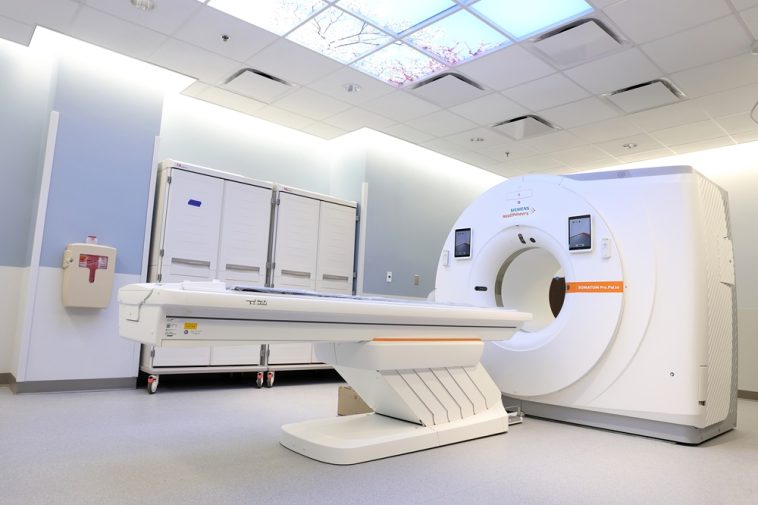
VHC Health’s move to extend its services outside the main campus in Arlington—and into Tysons—demonstrates a strong commitment to meeting patients where they are. The new Imaging and Cardiovascular Diagnostics Center, now located on the fourth floor of Tysons Pavilion, stands as a beacon of modern healthcare. Notably, the facility combines imaging technology such as MRI machines with cardiovascular diagnostics, a combination aimed at providing multiple diagnostic approaches under one roof.
Given that patients previously had to travel to Arlington for specialized imaging services, this development has the potential to streamline patient appointments. The idea is simple: with more services consolidated in one location, patients can get multiple tests or consultations in one visit. This approach mitigates the tangled issues of arranging multiple appointments in different parts of the region—a benefit that is particularly appreciated by those balancing work, family, and health concerns.
Key Features of the Imaging and Cardiovascular Diagnostics Center
- State-of-the-art MRI and imaging technology
- Integrated cardiovascular diagnostics
- Convenient location on the Tysons Pavilion premises
- Reduced need for multi-location appointments
These features, paired with the commitment of VHC Health’s construction and facilities team, pave the way for smoother healthcare experiences. As patients make their way through this comprehensive ecosystem of services, the benefits of an integrated clinic approach become obvious.
Enhanced Women’s Health Services: A New Era for Female Patients
One of the most exciting aspects of this expansion is the planned launch of a new Center for Women’s Health scheduled for early next year. By dedicating a 5,500-square-foot center on the second floor of Tysons Pavilion, VHC Health demonstrates its commitment to enhancing women’s health in ways that address everything from breast health to menopause care.
Previously, female patients faced the inconvenience of traveling far distances—even to Arlington—for mammograms or pregnancy support. The introduction of a women-focused health center in Tysons means these services will be closer to home. By combining obstetrics, gynecology, and specialized areas such as urogynecology and gynecologic oncology, patients will benefit from an environment where the fine points of women’s healthcare are fully attended to.
Comprehensive Services at the New Women’s Health Center
- Breast health screening and diagnostics
- Urogynecology services
- Gynecologic oncology consultations
- Menopause care and hormonal management
- Enhanced OB/GYN care with dedicated labs
These offerings reflect a strategic focus on the specific needs of women at various stages of life. Rather than treating women’s health issues as a subset of general care, VHC Health is stepping up to provide dedicated attention and specialized support. This dedicated approach is a key component in ensuring that female patients receive well-coordinated care, tailored to their individual needs.
Integrating Multiple Healthcare Services for Enhanced Convenience
The creation of these centers is part of a broader initiative to improve how healthcare is delivered across Northern Virginia. In today’s fast-paced world, it’s essential for health systems to find ways to reduce the nerve-racking and sometimes overwhelming process of managing several appointments across disparate locations. With VHC Health’s Tysons expansions, the overall strategy is to simplify and upgrade patient experiences.
What makes such developments so noteworthy is not only the physical expansion but also the rethinking of how healthcare professionals can work together with patients. As patients see multiple specialists in a single visit, the advantages become clear:
- Continuity of care is maintained
- Scheduling becomes simpler and less overwhelming
- The potential for miscommunication between different healthcare providers is reduced
- The comprehensive approach leads to more coordinated treatment plans
This blend of convenience and efficiency helps patients avoid many of the common pitfalls associated with managing health across various locations.
Community Health and the Shift Toward Decentralized Care
Historically, many health systems were designed around a centralized model. Patients would travel to a main campus to receive all their care. However, with advances in technology and a better understanding of community needs, the trend is shifting toward decentralized care. The Tysons Pavilion expansion aligns perfectly with this vision, allowing services to be more community-focused and accessible.
The decision to expand into Tysons is particularly noteworthy because it reflects both market demand and community needs. Areas such as Tysons, West Falls Church, and Kingstowne all benefit from having state-of-the-art healthcare facilities located closer to home. As the boundaries of healthcare evolve, these expansions serve as a model for how hospitals and clinics can offer a full spectrum of care in a convenient, patient-friendly setting.
Benefits of Decentralized Healthcare Services
| Benefit | Description |
|---|---|
| Better Access | Patients have closer proximity to healthcare services, reducing travel times and wait times. |
| Integrated Care | Multiple specialists work together in one location, ensuring coordinated treatment plans. |
| Community Engagement | Facilities located in local communities foster stronger relationships between patients and healthcare providers. |
| Cost Efficiency | A consolidated approach can drive down costs both for healthcare providers and patients. |
The table above highlights several key advantages of a decentralized approach and mirrors the underlying philosophy guiding the VHC Health expansion. When patients can find everything they need in one place, the whole system works more smoothly.
Rebranding and the Local Focus: The VHC Health Mission
Rebranding from the Virginia Hospital Center to VHC Health in 2022 signified more than just a name change. It underscored a commitment to bringing essential healthcare right into communities, rather than requiring patients to traverse complicated bits of bureaucracy to obtain essential services at a central hub. This local focus is especially important given the nerve-racking trips many patients face when they must travel long distances for care.
By positioning its Tysons and future Kingstowne centers as extensions of its existing services, VHC Health is sending a clear message: patient care should be as close to home as possible. Such a strategy not only enhances the quality of healthcare but also builds trust between communities and healthcare providers.
Implications for Small and Vulnerable Populations
For families, the elderly, and individuals with chronic conditions, the convenience of local, reliable health services cannot be overstated. When your local provider offers cutting-edge imaging and comprehensive women’s health services in one facility, it removes many of the twists and turns often associated with modern healthcare.
Smaller communities or individuals with limited mobility may find themselves facing overwhelming challenges without nearby facilities. By offering both centralized care solutions and decentralized facilities in select regions, VHC Health is effectively working through some of the trickier parts of healthcare delivery. This model helps reduce the risk of care fragmentation, ensuring that everyone has the opportunity to access key services without undue hardship.
Patient Experiences and the Role of Integrated Health Systems
It’s important not to lose sight of the human aspect in any healthcare system expansion. Patients often report that having multiple services under one roof helps them steer through the maze of healthcare options with greater confidence. Imagine having to figure a path through separate locations for mammograms, lab tests, and consults—it is a nerve-racking prospect for anyone dealing with health concerns.
In practice, integrated health systems like VHC Health offer more than just convenience—they provide peace of mind. When patients know that experts in various fields are available in one well-coordinated facility, the fine shades of uncertainty that accompany medical visits are significantly reduced. This coordinated approach ensures that every patient is seen in a timely manner, with comprehensive care that addresses all aspects of their health.
Real-Life Stories and Testimonials
Feedback from community members and patients who have experienced the benefits of VHC Health’s services in Arlington has been largely positive. Many have described the visit as a welcome change from the emotionally charged process of coordinating multiple appointments. Here are some highlights of the broader patient experience:
- “I was able to complete my cardiovascular check-up and get an MRI done during one visit—talk about efficient!”
- “The environment and the thoughtful layout of the facility made a big difference in easing my anxieties.”
- “The coordination between specialists enabled an in-depth consultation that wouldn’t have been possible if I had to visit separate centers.”
Such testimonials illustrate the transformative potential of consolidating healthcare services in one location. As VHC Health prepares to open its Tysons centers and look ahead toward additional expansions in Kingstowne and West Falls Church, the opportunities for improved patient outcomes and better overall health are boundless.
The Road Ahead: Future Developments in Northern Virginia Healthcare
The expansion of VHC Health is part of a broader trend toward modernizing healthcare facilities throughout Northern Virginia. As the region continues to grow and evolve, a few key trends are emerging:
- Increased Localized Care: More healthcare providers are realizing that meeting patients in their own communities reduces overall stress levels and improves access to timely care.
- Integrated Facilities: Combining imaging, diagnostics, and specialty care in one facility is proving to be a super important model for the future of outpatient care.
- Patient-Centered Design: Modern healthcare facilities are paying attention to the small distinctions that create a welcoming and supportive environment, from interior design to the layout of clinical spaces.
- Technological Integration: Advances in medical imaging and information systems are making it easier than ever for specialists to share patient data and coordinate treatment plans efficiently.
These trends show that the future of healthcare involves taking a closer look at how to make care more accessible and less intimidating. With technological improvements, integrated systems, and community-focused strategies, the healthcare landscape in Northern Virginia is poised for a promising transformation.
Key Future Initiatives and Expected Outcomes
| Initiative | Expected Outcome |
|---|---|
| Kingstowne Women’s Health Center | Expanded, specialized care that mirrors the Tysons offerings, providing advanced women’s health services locally. |
| Graham Center Redevelopment | A state-of-the-art emergency and urgent care center to serve residents of West Falls Church and surrounding areas. |
| Outpatient Imaging Expansion | Reduced patient travel time and improved diagnosis rates with new, localized imaging centers. |
Although these projects are in different stages of planning and execution, they all share a common goal—improving patient access to essential services while minimizing the overwhelming and sometimes complicated pieces of modern healthcare delivery.
Assessing the Challenges: Working Through the Tricky Parts
No significant expansion comes without its share of tricky parts. With new centers come a variety of logistical and operational issues that need careful consideration. Among the challenges are:
- Resource Allocation: Ensuring that the staff, equipment, and funding are properly distributed across multiple centers.
- Coordination Across Sites: Maintaining continuity of care when services are spread between Arlington, Tysons, Kingstowne, and beyond.
- Community Adaptation: Helping communities adapt to new healthcare delivery models and understand the benefits of integrated services.
These challenges are by no means insurmountable. They represent the natural twists and turns of a system that is growing and adapting in response to increased demand. With committed leadership—exemplified by voices like Rich Krumenacker, VHC Health’s vice president of facilities, construction and health system services—such issues can be methodically addressed. By focusing on clear communication, streamlined processes, and patient-centered care, the health system can effectively work through any tangled issues that arise in the course of expansion.
Strategies for Overcoming Operational Hiccups
To ensure a smooth transition, VHC Health and similar institutions can consider a few practical strategies:
- Establishing centralized scheduling systems that integrate data from all locations.
- Offering community workshops to help patients understand the new services available.
- Maintaining robust internal communication channels between departments and sites.
- Acquiring additional investments in modern technology to streamline collaborative care.
By taking these steps, healthcare providers can turn potentially intimidating challenges into opportunities for growth and improved patient care. This proactive approach not only benefits the facility but also reassures patients that every effort is being made to guide them through the subtle parts of a complex healthcare system.
Community Impact: A Win-Win for Patients and Providers
The expansion of healthcare facilities in Tysons has far-reaching implications beyond the immediate benefits of more convenient services. It sends a broader message that quality healthcare is evolving to meet the demands of modern life. Both patients and providers stand to gain:
- For Patients:
- Easier access to top-tier diagnostic and therapeutic services.
- Reduced stress and confusion about navigating multiple locations.
- Enhanced trust in a well-organized, community-focused health system.
- For Healthcare Providers:
- Opportunities to collaborate across specialties in a single environment.
- Improved communication channels that lead to more effective treatment plans.
- Enhanced reputation in the community as an innovative healthcare leader.
This alignment between patient needs and provider capabilities underscores what modern healthcare should be about: designing services that are super important and accessible, reducing many of the overwhelming factors that can sometimes undermine the patient experience.
Financial and Logistical Considerations in Healthcare Modernization
The financial investment required for projects like these is not trivial. When a health system undertakes an expansion on the scale of VHC Health’s new centers, it must balance the cost with the anticipated benefits to the community. Here, the economics of healthcare innovation become an essential part of the discussion. It includes not only the outlay for construction and technology but also the ongoing expenses of maintaining state-of-the-art care.
Despite the hefty upfront investment, the long-term advantages are clear. By consolidating services and reducing redundant appointments, healthcare providers can operate more efficiently. This efficiency, in turn, can lead to cost savings for patients and better overall resource utilization. For instance, a single visit that covers multiple tests and consultations avoids the nerve-wracking and complicated pieces associated with splitting care across multiple sites.
Cost-Benefit Analysis at a Glance
| Factor | Benefit | Potential Challenge |
|---|---|---|
| Infrastructure Investment | Access to cutting-edge technology and comprehensive care | High initial construction costs |
| Consolidated Appointments | Streamlined scheduling and integrated care | Requires robust coordination among departments |
| Local Accessibility | Reduced travel time and enhanced patient satisfaction | Maintaining high-quality standards across multiple sites |
This analysis highlights the small distinctions between costs and benefits—a delicate balance that, when managed well, can lead to superior healthcare outcomes for everyone involved.
The Broader Context: Healthcare Trends in a Changing World
Modern healthcare is evolving rapidly. As societies become increasingly mobile and technology continues to advance, the traditional model of centralized, hospital-based care is being rethought. Community health systems, such as those led by VHC Health, are at the forefront of this transformation. The focus is now on creating environments where multiple services are co-located, integrated, and attuned to the needs of individual patients.
Across the country and especially in burgeoning regions like Northern Virginia, this model is gaining traction. It taps into the growing demand for quick, efficient, and less intimidating healthcare services. When facilities are strategically located and integrated, patients gain the dual benefits of modern medical technology and a compassionate, community-based approach that helps them get around the often complicated bits of the healthcare bureaucracy.
Global Trends Influencing Local Innovations
- Telemedicine Integration: Even as physical facilities expand, telemedicine continues to be a valuable tool, enabling remote consultations and follow-ups that complement in-person care.
- Patient-Centered Care Models: Efforts to design health facilities that prioritize patient experience are becoming more common, ensuring that the environment itself aids recovery and comfort.
- Collaborative Care Networks: Connecting different specialties under one roof helps break down the barriers that often come with traditional, fragmented care.
These trends are not isolated but are part of an ongoing shift in healthcare that has deep implications for how communities access medical care in the future. VHC Health’s expansions exemplify this wave of innovation, positioning local healthcare providers to meet modern challenges with practical, community-based solutions.
Conclusion: A Forward-Thinking Vision for Community Health
In conclusion, the expansion of VHC Health’s facilities in Tysons is a critical and exciting step toward a more integrated, accessible, and patient-friendly approach to healthcare. By opening the Imaging and Cardiovascular Diagnostics Center and planning a dedicated Center for Women’s Health, the health system is taking essential measures to reduce the overwhelming challenges patients face when seeking coordinated care.
This expansion is not just about adding more square footage or new equipment—it’s about rethinking the traditional approach to healthcare delivery. By working through the tricky parts of resource allocation, patient coordination, and community adaptation, VHC Health is setting a standard for modern healthcare systems throughout Northern Virginia and beyond.
Ultimately, these developments ensure that residents no longer have to steer through complicated pieces of healthcare bureaucracy just to get the help they need. Instead, they can look forward to streamlined, efficient, and compassionate care delivered right in their neighborhoods. As we watch these initiatives unfold, one thing is clear: the future of healthcare is here, and it is built on the understanding that making care accessible and coordinated is not just beneficial—it is essential for creating stronger, healthier communities.
The journey ahead may have its twists and turns, but the commitment to transforming community health services is unwavering. By tapping into new technology, bridging service gaps, and fostering a culture of integrated care, VHC Health’s expansion in Tysons is paving the way for a healthcare model that truly puts patients at the center. It is an inspiring development that promises to usher in a new era for community health—one where convenience, coordinated care, and community empowerment go hand in hand.
Originally Post From https://www.ffxnow.com/2025/11/07/vhc-health-expands-tysons-facility-with-imaging-womens-health-services/
Read more about this topic at
Integrated Care’s New Protagonist: The Expanding Role of …
Expanding Access to Integrated Medicare-Medicaid …