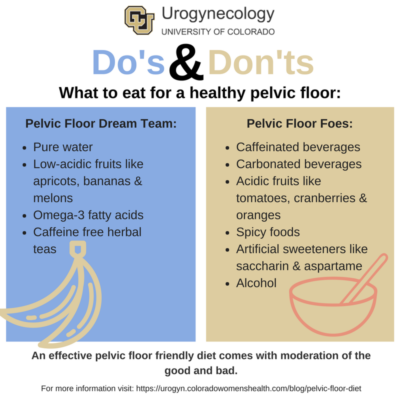
Introduction: Reassessing Pelvic Floor Dysfunction in Modern Medicine
The discussion surrounding pelvic floor dysfunction (PFD) has evolved significantly over recent years. Although this condition has long remained under-recognized, emerging research is now shedding light on the positive impacts that healthy diets can have on improving symptoms. With conditions ranging from urinary and faecal incontinence to sexual dysfunction and pelvic organ prolapse, PFD affects quality of life for many individuals, especially those facing obesity or metabolic risk factors. In this opinion editorial, we take a closer look at the correlations between healthy eating patterns and pelvic floor health, and offer insight into some of the tricky parts and tangled issues that healthcare professionals and patients alike are encountering.
Recent meta-analyses and systematic reviews pooling data from international studies suggest that anti-inflammatory dietary patterns—such as the Mediterranean and DASH diets—can influence pelvic floor symptoms in a positive way. Here, we poke around the supporting evidence, examine the underlying mechanisms, and offer practical advice for clinicians and patients willing to embrace these healthier eating habits.
Exploring the Connection Between Diet and Pelvic Floor Health
Pelvic floor dysfunction is a term that covers a range of symptoms caused by weakened or impaired muscles and connective tissues in the pelvic area. While the exact causes can be puzzling and sometimes nerve-racking to pinpoint, inflammatory pathways have now been recognized as playing a critical role in exacerbating these conditions.
Traditional treatment modalities have typically focused on physical therapy and surgical interventions. However, recent findings underline the importance of diet quality. Healthy, anti-inflammatory diets can ease the burden by improving vascular function, reducing systemic inflammation, and ultimately contributing to better pelvic floor muscle performance.
This editorial dives into the evidence supporting the relationship between nutritional patterns and PFD, addressing the following key aspects:
- How the Mediterranean diet can help improve sexual function and alleviate incontinence issues.
- The role of the DASH diet in regulating blood pressure and managing urinary symptoms.
- The contrasting effects of pro-inflammatory dietary models, which are loaded with processed foods and saturated fats.
- The broader implications for patients dealing with obesity and metabolic syndrome.
Mediterranean Diet: A Natural Ally for Pelvic Floor Health
The Mediterranean diet has long been hailed as one of the healthiest dietary patterns in modern medicine. Rich in olive oil, nuts, whole grains, and polyphenols, it presents an attractive option for patients with pelvic floor dysfunction due to its anti-inflammatory properties.
Research suggests that the Mediterranean diet may have a positive effect on sexual function, which is a key component of pelvic floor health. By enhancing vascular function and reducing systemic inflammation, this diet could help overcome some of the tricky parts that patients often face. In addition, the robust antioxidant profile of the Mediterranean diet supports overall tissue health and recovery, facilitating improved muscle performance and resilience.
Consider the following table summarizing the key components and benefits of the Mediterranean diet:
| Component | Potential Benefit for Pelvic Health |
|---|---|
| Olive Oil | Reduces inflammation and improves blood flow |
| Nuts and Seeds | Provide essential fatty acids for muscle repair |
| Whole Grains | Stabilize blood sugar and reduce metabolic risk factors |
| Polyphenol-Rich Foods | Combat oxidative stress and support smooth muscle function |
Patients adopting this eating style have reported improvements in various areas of pelvic health, with some studies noting reduced symptoms of sexual dysfunction and urinary incontinence. Healthcare professionals are increasingly recognizing the advantage of recommending such diets as a complementary strategy alongside more traditional therapy methods. The Mediterranean approach to nutrition isn’t just about food—it’s about steering through a healthier way of life that can help alleviate the confusing bits and complicated pieces that contribute to PFD.
DASH Diet: Balancing Blood Pressure and Easing Urinary Symptoms
The Dietary Approaches to Stop Hypertension (DASH) diet is another powerhouse when it comes to supporting overall health. Known primarily for its ability to regulate blood pressure, the DASH diet can also contribute to improved pelvic floor function.
Given that high blood pressure and weight control are directly linked to the severity of urinary symptoms, patients with lower urinary tract issues or urgency urinary incontinence may find that a DASH-based nutritional regimen offers them much-needed relief. The DASH diet emphasizes the consumption of fruits, vegetables, lean protein, and low-fat dairy, while limiting foods high in saturated fats and sugars. This comprehensive approach helps target the small distinctions between healthy and unhealthy eating patterns, thereby reducing the burden placed on the pelvic floor muscles.
Key benefits of the DASH diet include:
- Regulation of blood pressure through reduced salt and processed food intake.
- Assistance in weight management which is critical for reducing stress on pelvic muscles.
- Provision of essential nutrients that contribute to muscle strength and repair.
For those unfamiliar with navigating dietary changes, the DASH diet also offers a well-structured plan that makes it easier to figure out a path towards improved health. These features make it a particularly promising non-pharmacological option for managing symptoms of PFD.
Understanding Inflammation: The Hidden Catalyst in Pelvic Dysfunction
Inflammation often lies at the heart of many medical conditions, and the relationship between inflammation and pelvic floor dysfunction is no exception. Chronic inflammation can affect the arteries and tissues in the pelvic area, creating a tense environment that complicates the repair and functioning of pelvic muscles.
Eating patterns high in processed foods, sugars, and saturated fats tend to contribute to systemic inflammation. In contrast, anti-inflammatory diets rich in vegetables, fruits, lean proteins, and whole grains can help reduce this inflammation over time. Healthcare professionals now stress the importance of dietary interventions, not just to manage PFD symptoms but also to address the deeper, underlying problems that come with persistent inflammation.
Inflammation’s role in pelvic floor health can be summarized as follows:
- Increased Oxidative Stress: Pro-inflammatory diets can lead to higher oxidative stress, affecting muscle function.
- Vascular Impairment: Inflamed blood vessels can result in poorer blood flow to pelvic tissues.
- Muscular Fatigue: Continual inflammation can cause chronic fatigue in muscles critical for pelvic support.
This link between diet-induced inflammation and pelvic floor dysfunction is yet another example of why healthy eating should be considered an essential part of treatment plans. By addressing inflammation head-on, patients may experience a notable improvement in their overall pelvic function and quality of life.
Dietary Choices and Their Impact on Urinary and Fecal Incontinence
The burden of dealing with urinary and faecal incontinence is not to be underestimated. These symptoms can be particularly off-putting and overwhelming, affecting daily life and emotional well-being. The emerging evidence linking dietary patterns to these symptoms offers new hope for patients who have traditionally relied on more invasive treatments.
Several studies have highlighted distinct contrasts between the outcomes of anti-inflammatory, plant-rich diets versus those of pro-inflammatory diets. For instance, high consumption of processed foods is associated with a heightened risk of urinary and faecal incontinence, likely due to their role in exacerbating systemic inflammation and vascular issues.
The key considerations for dietary management of urinary and faecal incontinence include:
- Reducing Processed Sugars and Fats: These ingredients tend to heighten inflammation levels.
- Increasing Fiber Intake: A higher fiber diet can support gut health and improve bowel regularity.
- Hydration: Drinking adequate water can prevent urinary tract irritation and boost overall muscular function.
By adjusting their dietary habits, many patients can reduce the frequency and intensity of these distressing symptoms. This approach not only addresses the physical signs of incontinence but also helps mitigate some of the psychological burdens associated with the condition.
Nutritional Counseling: A Non-Pharmacological Intervention for PFD
Given the promising link between diet and pelvic floor health, nutritional counseling is fast becoming a super important aspect of PFD treatment plans. As clinicians work to sort out the avenues for non-invasive interventions, the role of dietary advice cannot be overstated.
Integrating expert nutritional counseling into patient care makes it easier to figure a path through the maze of dietary changes. This approach is especially beneficial for patients with metabolic syndrome or those who are overweight, as these conditions can further complicate pelvic floor dysfunction.
A comprehensive nutritional counseling program typically involves the following steps:
- Assessment: Evaluating current eating patterns and identifying problematic foods.
- Education: Informing patients about the benefits of anti-inflammatory diets and the small distinctions between harmful and healthy foods.
- Personalised Plans: Developing tailored eating strategies that align with the patient’s lifestyle and health goals.
- Monitoring: Regular follow-up sessions to tweak dietary plans based on progress and emerging challenges.
This method allows patients to actively participate in managing their condition while simultaneously addressing some of the nerve-racking uncertainties associated with PFD therapies. In essence, nutritional guidance can serve as a cornerstone for a holistic treatment strategy.
Obesity, Metabolic Syndrome, and the Complicated Pieces of Pelvic Dysfunction
Obesity and metabolic syndrome are among the most significant risk factors affecting pelvic floor health. Excess weight places additional strain on the pelvic muscles, while metabolic issues can increase systemic inflammation—factors that further complicate the management of PFD.
Modern research suggests that adopting healthy eating patterns such as the Mediterranean or DASH diet not only helps with weight control but also enhances vascular health and reduces inflammatory markers. These benefits are particularly important for patients dealing with both obesity and pelvic floor problems.
Key reasons why healthy diets have a positive impact in this context include:
- Weight Management: Better control over caloric intake and improved metabolism can significantly reduce pressure on pelvic tissues.
- Improved Vascular Function: Enhanced blood flow supports tissue health and accelerates muscle repair.
- Reduced Inflammatory Response: Fewer pro-inflammatory dietary elements lessen the overall inflammatory burden.
While it may seem intimidating for patients to overhaul their diets, the benefits of addressing obesity and metabolic syndrome through careful nutritional planning are both clear and wide-ranging. Healthcare professionals are encouraged to incorporate practical dietary advice into their overall treatment protocols, thereby helping patients sort out the many challenges associated with these conditions.
Lifestyle Changes Beyond Diet: Holistic Benefits for Pelvic Function
A positive trend in modern medicine is the emphasis on a holistic approach to treating chronic conditions. While dietary transitions can dramatically improve pelvic floor dysfunction, they often come hand in hand with other beneficial lifestyle changes.
Consider the following lifestyle adjustments that can play a supportive role in managing PFD:
- Regular Exercise: Structured physical activity, including pelvic floor muscle training, can work synergistically with dietary measures to enhance pelvic strength and endurance.
- Stress Management: Techniques such as mindfulness, yoga, and meditation can help lessen stress, which in turn may reduce systemic inflammation.
- Proper Hydration: Consistent fluid intake supports overall tissue function and helps maintain the integrity of pelvic structures.
- Sleep Quality: Adequate and restful sleep is essential for effective recovery and hormonal balance, which indirectly benefits pelvic floor health.
Each of these factors contributes to a multi-dimensional strategy for improving not only pelvic function but also overall well-being. When combined with healthy dietary patterns, these lifestyle choices create a comprehensive, sustainable approach to tackling the little details and hidden complexities of PFD.
Alternative and Modern Medicine: Bridging the Gap in Pelvic Health Management
The interplay between alternative medicine and modern treatments is increasingly recognized in managing chronic conditions like pelvic floor dysfunction. Patients are now looking for dietary advice that marries both nutritional science and holistic care principles.
While modern medicine often emphasizes evidence-based interventions, alternative approaches can offer additional insights, especially when dealing with the fine points of inflammation and muscle recovery. For instance, herbal teas, supplements, and other natural remedies have been explored for their anti-inflammatory properties and potential benefits for pelvic muscle health.
Some common integrative approaches include:
- Herbal Supplements: Ingredients like turmeric and ginger are celebrated for their anti-inflammatory benefits.
- Mind-Body Therapies: Pilates and yoga not only strengthen the core but also improve mindfulness and stress management.
- Acupuncture: This traditional practice may help relieve chronic pain associated with pelvic dysfunction.
Bridging modern medicine with alternative therapies offers patients a well-rounded strategy to manage their condition. This synthesis helps manage the tangles and twists and turns inherent in tackling PFD, giving practitioners more tools to treat this often-overlooked condition.
Practical Guidelines for Implementing Dietary Changes in Healthcare Settings
For healthcare professionals keen to integrate nutritional guidance into PFD treatment plans, there are several practical strategies that can be implemented with minimal fuss. The goal is to educate, support, and empower patients to make lifestyle changes that complement their existing treatment regimens.
Consider the following guidelines when developing a dietary intervention program for pelvic floor dysfunction:
- Holistic Assessment: Begin by evaluating the patient’s overall health, dietary habits, and specific pelvic-related symptoms. This helps in identifying the nerve-racking areas that need immediate attention.
- Tailored Nutritional Counseling: Use personalized nutritional plans that take into account both the patient’s medical history and lifestyle aspirations. This individualized approach helps manage the small distinctions in dietary needs and challenges.
- Collaborative Care: Encourage interdisciplinary discussions among nutritionists, urologists, gynecologists, and physical therapists. This collaboration ensures that each facet of the condition is addressed, from the subtle parts of muscle strength training to the complicated pieces of dietary adjustments.
- Regular Follow-Up: Establish periodic reviews to assess progress, address emerging concerns, and make necessary adjustments. This continuous feedback loop can help patients steer through the challenges of lifestyle modifications.
- Resource Availability: Provide easy-to-understand resources and support tools, such as meal planners, cooking classes, and online webinars that can help patients find their path to healthier eating habits.
These strategies not only simplify the process for patients but also build a framework that integrates nutritional counseling seamlessly into traditional medical practice. With this collaborative and resource-rich approach, healthcare providers can better support patients in managing their pelvic floor dysfunction effectively.
Challenges in Integrating Dietary Strategies into PFD Management
Despite the clear benefits of healthy diets, several challenges remain when it comes to integrating nutritional strategies into conventional PFD management. The tricky parts often include patient adherence, conflicting dietary theories, and the limited time that many clinicians have for patient education.
Some of the tangled issues and confusing bits encountered by practitioners include:
- Patient Adherence: Lifestyle changes, especially those involving diet, require a consistent level of commitment. For many patients, the idea of revamping long-held dietary habits can feel overwhelming or even intimidating.
- Mixed Messaging: The abundance of dietary advice available online can often be contradictory. Patients might receive conflicting messages about which diet holds the most promise for reducing inflammation and improving pelvic floor function.
- Time Constraints: In busy clinical settings, finding the time to discuss detailed nutritional information can be a challenge. This often means that nutritional counseling is sidelined in favor of more immediate treatment strategies.
- Socioeconomic Barriers: Access to high-quality, fresh, and organic foods—often key components of the Mediterranean and DASH diets—may be limited for some patient populations. This disparity can lead to inequities in health outcomes.
Given these challenges, it is essential for healthcare providers to develop streamlined, patient-centered strategies that allow for effective nutritional counseling while also respecting the realities of clinical practice. Educational workshops, digital resources, and collaborative care models are promising avenues for extending the reach of dietary interventions, ensuring that more patients can benefit from these healthier eating practices.
Case Studies and Real-World Applications
Numerous case studies have spotlighted the practical benefits of dietary interventions in the management of pelvic floor dysfunction. For example, patients who integrated the Mediterranean diet into their daily routines often reported improvements not only in PFD symptoms but also in overall energy levels and well-being.
One study involving over 10,000 participants across 31 international studies found that patients adhering to anti-inflammatory diets experienced a marked reduction in both urinary and sexual dysfunction symptoms. These individuals benefited from improved vascular health and a lower inflammatory burden, demonstrating that dietary shifts can indeed unlock a more sustainable pathway to managing PFD.
Real-world examples further emphasize the importance of collaborative care. Multidisciplinary teams that included nutritionists, urologists, and physical therapists provided comprehensive care that addressed both the direct and indirect effects of dietary habits on pelvic floor health. In many of these cases, patients found that the minor tweaks in their daily menu—when combined with other lifestyle modifications—yielded surprisingly positive results that improved their quality of life.
These case studies underscore two important notions:
- Personalization: Every patient’s experience with PFD is unique. Tailor dietary recommendations to individual needs to achieve the best outcomes.
- Sustainable Change: Gradual, manageable changes can lead to lasting improvements. Rather than overhauling a patient’s diet overnight, a step-by-step approach can help build long-term healthy habits.
In many ways, the process of integrating dietary interventions into PFD management is similar to working through any major lifestyle change: there are bumps along the road, but with persistence and comprehensive support, lasting benefits become achievable.
Embracing a Comprehensive Approach: Benefits That Extend Beyond Pelvic Health
It is important to acknowledge that the benefits of adopting healthy, anti-inflammatory diets extend well beyond pelvic floor dysfunction. Many patients with metabolic syndrome, cardiovascular issues, and other chronic conditions also stand to benefit from these nutritional patterns.
The advantages of sustainable diet changes are multifold:
- Improved Cardiovascular Health: Diets such as the Mediterranean and DASH diets are renowned for their contributions to heart health, reducing the risk of hypertension and other cardiovascular diseases.
- Enhanced Weight Management: By promoting better control over caloric and nutritional intake, these diets support healthy weight loss and maintenance, which is key for alleviating pressure on the pelvic floor.
- Stronger Immune Responses: Consuming anti-inflammatory foods can fortify the body’s immune defenses, ensuring a more resilient system overall.
- Mental Well-Being: There is growing evidence that better nutrition can also impact mood and overall mental health, providing a holistic uplift that benefits patients in multiple ways.
When considered more broadly, the shift towards a healthier lifestyle can effectively reduce the overall disease burden. By strategically integrating nutritional counseling into regular patient care, clinicians can provide a more complete form of support—one that not only addresses the immediate issues of pelvic floor dysfunction but also contributes to better long-term health outcomes.
The Role of Healthcare Providers: Guiding Patients Through the Twists and Turns
Healthcare professionals play a key role in bridging the gap between scientific evidence and patient practice. As experts in modern medicine, clinicians have a super important responsibility to help patients navigate through the confusing bits and tangled issues that come with major dietary changes.
Effective clinician-patient communication, along with patient education, is crucial for success. Here are some strategies to help guide patients through the challenging process of dietary change:
- Clear Communication: Break down the hidden complexities of nutrition into simple, understandable parts. Use everyday language and relatable examples.
- Shared Decision-Making: Involve patients in establishing their dietary goals. Help them decide what foods best suit their lifestyles and preferences.
- Continual Support: Offer regular check-ins and provide resources such as meal planning guides, recipes, and digital apps that can track progress.
- Setting Realistic Expectations: Encourage small, incremental changes rather than rapid, overwhelming overhauls. Emphasize the importance of sustainable improvements over immediate perfection.
These methods empower patients to take control of their own health while collaborating with healthcare providers who are managing their condition. As the medical community continues to embrace nutritional interventions, we can expect to see even more refined strategies for addressing both the small twists and large hurdles that define pelvic floor dysfunction.
Conclusion: Charting a Healthier Future Through Dietary Interventions
In conclusion, the growing body of evidence supporting the role of healthy diets in managing pelvic floor dysfunction cannot be ignored. The Mediterranean and DASH diets, in particular, have shown promise in reducing symptoms of incontinence and sexual dysfunction by targeting inflammation, enhancing vascular health, and supporting optimal weight management.
While there remain some tricky parts and tangled issues—such as patient adherence and socioeconomic barriers—the benefits of a well-balanced, anti-inflammatory diet are clear. Through a combination of nutritional counseling, lifestyle modifications, and integrative care approaches, healthcare professionals have new tools at their disposal to help patients navigate these nerve-racking challenges.
This editorial encourages clinicians to take a comprehensive look at PFD management, one that appreciates the subtle details and hidden complexities of dietary influences on pelvic health. By embracing both modern research and practical clinical strategies, we can help guide patients on a path that not only alleviates immediate symptoms but also promotes long-term, sustainable well-being.
Ultimately, the transition to healthier eating habits represents a promising and holistic approach to treating pelvic floor dysfunction. Whether you are a clinician, nutritionist, or patient, understanding how dietary patterns can shape health outcomes is a key step toward unlocking better health. In the ever-evolving landscape of modern medicine, integrating these insights has the potential to revolutionize the way we approach pelvic floor dysfunction and, by extension, improve the quality of life for countless individuals.
Healthcare professionals are encouraged to consider these dietary strategies not as standalone treatments but as essential components of a broader, lifestyle-centered treatment plan. By taking the wheel and actively involving patients in the journey toward healthier living, we can collectively usher in a new era of care—one where the fine points of nutrition converge with modern therapeutic interventions to create a brighter, healthier future for patients worldwide.
As we move forward, further research and ongoing collaboration will be paramount to refining these strategies. The insights shared here represent a snapshot of a rapidly expanding field where the integration of diet and pelvic floor health offers exciting possibilities. For every patient affected by pelvic floor dysfunction, embracing a balanced, anti-inflammatory diet is not just about managing symptoms—it is about charting a sustainable, proactive path towards improved overall health.
In summary, the ripple effects of adopting a Mediterranean or DASH diet extend far beyond pelvic floor dysfunction. From improved cardiovascular profiles and weight management to enhanced mental well-being and reduced inflammation, the benefits of healthy eating are profound and far-reaching. As healthcare providers, we have the unique opportunity to help our patients sort out the many confusing bits and intimidating challenges of PFD, guiding them toward a healthier, more vibrant life backed by the power of nutrition.
Let this be a call to action for both patients and healthcare professionals: incorporate these dietary insights into your practice, educate those who need guidance, and work together to build a future where pelvic floor dysfunction is managed with compassion, innovation, and a deep commitment to holistic health.
Originally Post From https://www.emjreviews.com/urology/news/healthy-diets-improve-pelvic-floor-dysfunction/
Read more about this topic at
Diet has outsized role in preventing and treating illness
Eating, Diet, & Nutrition for Erectile Dysfunction – NIDDK