Data Privacy in the Digital Age: Tackling the Cookie Conundrum
In today’s digital landscape, where healthcare websites are not only gateways for vital medical information but also data collection hubs, the issue of privacy has become a really sensitive topic. As healthcare professionals and digital enthusiasts, we must take a closer look at how cookies and third-party data-sharing practices impact our online experiences, as well as our trust in the healthcare ecosystem.
One of the most discussed issues is the use of cookies as a means to integrate content, track website use, and provide personalized advertising. While this digital tool is essential to improving website functionality and content delivery, many users find the process confusing due to its tricky parts, tangled issues, and overall complicated pieces. How do you balance the benefits of a smooth online experience with the desire to maintain stringent privacy measures? This op-ed explores these concerns and more.
Understanding the Role of Cookies: Benefits and Concerns
Cookies, those small pieces of data stored on your end device, have become a super important asset for online operations. They help with:
- Integrating content and external services
- Conducting statistical analysis and usage measurements
- Providing personalized, targeted advertising
- Connecting with social media platforms
However, the inherent twist of these cookie-based systems is that they often pass on specific user data to third parties, including companies across the Atlantic in the USA. This raises valid concerns about secret access by US authorities, monitoring practices, and the overall transparency of data handling. While many users consent to such practices by clicking an “Accept All” button, others are understandably wary of the potential unintended consequences.
It is critical to remember that this consent is voluntary, and adjustments can always be made via cookie settings. In line with the best practices for digital transparency, websites offer options to “Reject All” cookies, which means only those cookies essential for the website’s operation will be used. Sitting at the bottom left on many pages is often an “Advanced Settings” area where visitors can hand-pick specific cookies to allow.
The Fine Points of Consent: How Choices Impact Our Digital Journey
The decision to accept or decline cookies is not merely a technical one—it is a personal choice with implications for online privacy. When we take a closer look at the data processing landscape, we see a number of fine shades in how our information might be used:
- Third-party integration often means that personal data could be shared beyond the initial website
- Some cookies collect data that is used to create personalized advertising profiles, leading to a tailored experience that some find helpful while others see it as intrusive
- There remains a risk that data shared outside our national boundaries could be monitored without strict legal oversight
These challenging cadences in data sharing underscore the crucial need for clear, transparent privacy policies on healthcare websites. As third-party data usage continues to evolve, users must be empowered with the knowledge necessary to make informed choices about their privacy settings.
The Expanding Landscape of Global Vascular Grafts: An Evolving Market
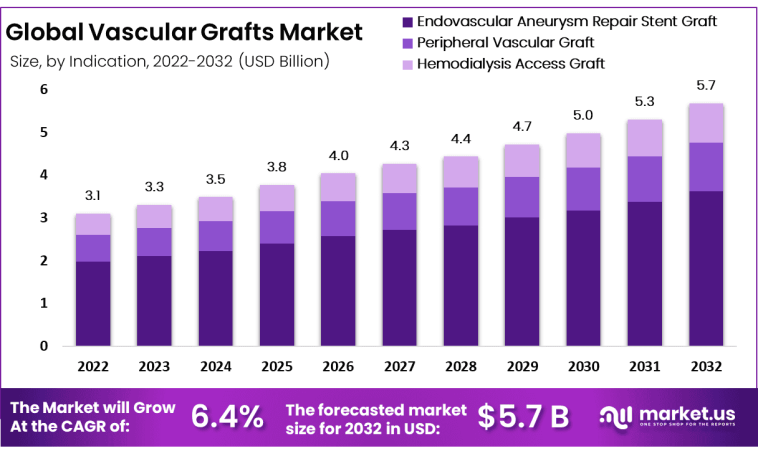
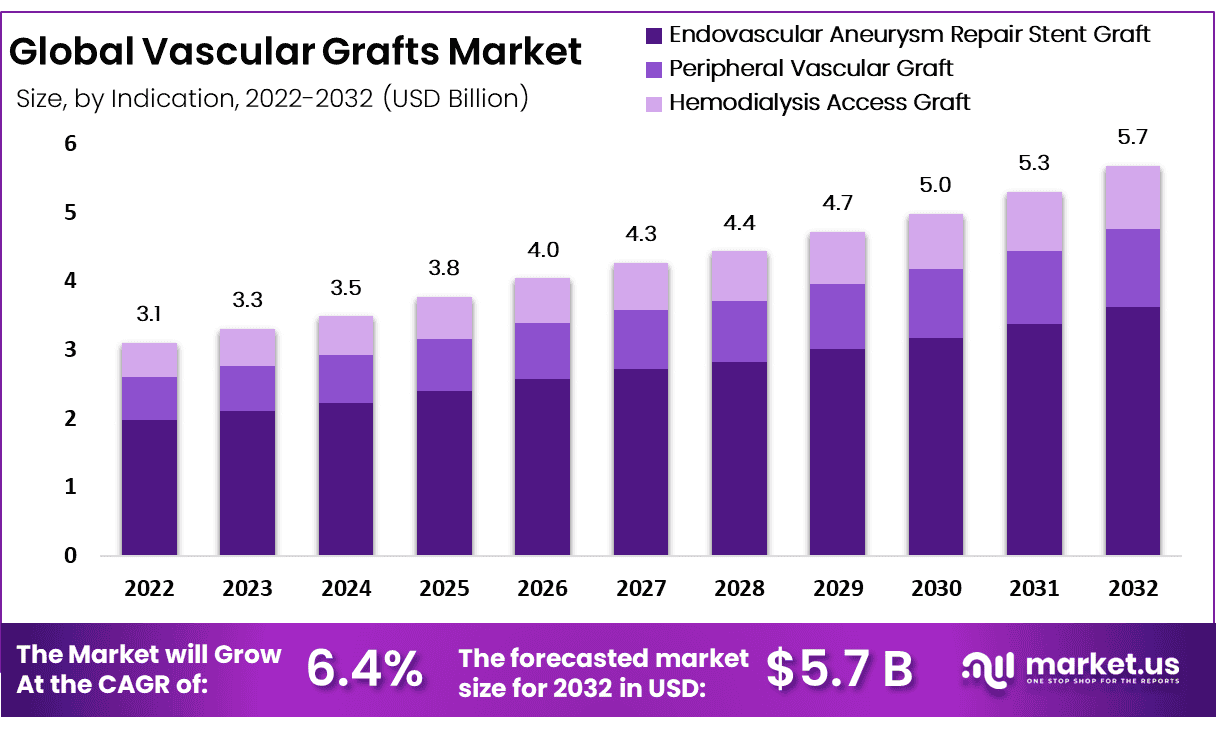
Shifting the discussion from online data privacy to healthcare innovation, there is another area that merits our attention: the global vascular grafts market. This market is on a steady rise, fueled by the growing prevalence of cardiovascular diseases and the constant need for surgical interventions in healthcare. According to recent analyses, the market is expected to reach roughly USD 3.15 billion by the year 2032, growing at a compound annual growth rate (CAGR) of about 6.86% from 2025.
Vascular grafts—whether made from synthetic materials like Dacron and ePTFE, or biological tissues derived from human or animal sources—are used to repair or bypass damaged blood vessels. These devices are paramount in procedures such as coronary artery bypass surgery, peripheral artery reconstructions, and the creation of hemodialysis access points. Their role is nothing short of key in ensuring durable, efficient blood circulation for patients suffering from a range of vascular conditions.
The Surge in Cardiovascular Disorders and Surgical Interventions
There is a compelling reason behind the surge in the use of vascular grafts: the increasing incidence of conditions like hypertension, diabetes, and obesity. These factors contribute to the rising prevalence of cardiovascular disorders, which in turn boost the need for surgical interventions. When healthcare professionals are confronted with tangled issues like advanced atherosclerosis, aneurysm development, or other vascular injuries, vascular graft procedures become an essential part of treatment.
Moreover, heightened awareness and improved cardiovascular screening programs have led to earlier diagnosis and treatment, which has only amplified the demand for these grafts. The benefits of early intervention are clear: increased survival rates, better long-term outcomes, and improved quality of life for patients who would otherwise face intimidating recovery processes.
North America: Leading the Way in Vascular Graft Adoption
Geographically, the North American region remains at the forefront of the vascular grafts market. Several factors contribute to this leading position:
- A high prevalence of vascular diseases that demand surgical interventions
- Robust healthcare infrastructure supported by advanced surgical techniques like endovascular repairs
- Substantial investments in healthcare, which include higher healthcare expenditure and favorable reimbursement policies
- The presence of numerous major medical device companies that spur innovation and product development
By taking a closer look at the key elements of the North American market, we can see how the combination of localized expertise, early diagnostic methods, and a supportive infrastructure drives both regional and global market trends. This design ensures that the patient journey—from diagnosis through to treatment—remains as streamlined and effective as possible.
The Science Behind Vascular Grafts: How Do They Work?
For many, the introduction of vascular grafts is not just another surgical procedure but a lifeline. These grafts are designed to either replace or repair blood vessels compromised by disease or damage. In many cases, they act as substitutes for natural blood vessels that are too damaged to function normally. The guiding principle behind these devices is relatively straightforward: restore normal blood flow to prevent serious complications such as tissue death or even organ failure.
There are several types of vascular grafts, each tailored to meet the specific needs of the patient:
| Graft Type | Material Used | Applications |
|---|---|---|
| Endovascular Grafts | Synthetic (Dacron, ePTFE) | Abdominal and thoracic repairs |
| Access Grafts | Synthetic and hybrid | Hemodialysis access |
| Peripheral Grafts | Biological or hybrid | Reconstruction of peripheral arteries |
These devices not only help steer through the immediate vascular problem but also ensure that patients experience fewer complications during recovery. Advances in material science have made it possible for manufacturers to produce more reliable grafts with enhanced durability, ensuring a longer lifespan for the implant and a reduced need for subsequent corrective procedures.
Emerging Innovations and Their Impact on Patient Care
Innovation within the vascular grafts market is ever-present. Companies like Medtronic, W. L. Gore & Associates, and Terumo Corporation are leading the charge by introducing new devices that really push the boundaries. Recent developments include:
- FDA breakthrough designations for next-generation arteriovenous grafts that reduce infection and thrombosis risks
- Approval of off-the-shelf endovascular grafts designed for complex aneurysmal diseases
- Innovative abdominal grafts aimed at improving conformability and simplifying surgical procedures, catering to both the high-demand needs of dialysis access and routine revascularization
For instance, the introduction of the TREO® Stent-Graft System by Terumo India is a reflection of how emerging products can be game changers, particularly for treating infrarenal abdominal aortic aneurysms. These new products are on the cutting edge, featuring both suprarenal and infrarenal active fixation methods, thereby addressing the tough parts of ensuring secure and stable blood flow in complex scenarios.
The Challenges in the Healthcare Data Arena
While technological advancements in both digital privacy and surgical innovations offer significant progress, they also bring along a set of daunting challenges. In the context of data processing, for example, the practice of integrating content through cookies is loaded with potential problems. Here are some of the issues that give many users a sense of overwhelming uncertainty:
- Risk of unauthorized access—users are often uneasy when sensitive personal details are known to be passed to third parties
- Legal and regulatory constraints—data processing practices, particularly those involving cross-border sharing, can sometimes be on edge if not strictly regulated
- User awareness—many individuals are not fully informed about the hidden complexities involved in the use of cookies and third-party trackers
On the other hand, the healthcare field struggles with its own set of challenging bits as it works through the fine points of improving patient outcomes through technological innovation. Scalability, product performance, and the constant need to update regulatory guidelines are just a few of the nerve-racking aspects that companies must manage.
Transparency and Trust: The Cornerstones of Future Progress
Transparency is more than a buzzword in the modern digital healthcare sphere—it is a must-have quality that builds trust between organizations and their users. When websites clearly communicate how data is processed and shared, users are better able to make informed choices about how much personal information they wish to relinquish. This concept is critical when users are confronted with cookie consent banners that might otherwise seem intimidating or overly technical.
The same principle applies to the vascular grafts market. Transparency in clinical trials, product approvals, and postoperative outcomes helps clinicians and patients alike to trust in new treatments and innovations. Open disclosure about potential risks—balanced with the compelling benefits of early diagnosis and intervention—can only serve to encourage a more informed and cooperative relationship between manufacturers and the broader medical community.
Patient-Centric Innovations in Vascular Surgery
As we get deeper into the realm of vascular grafts, it becomes clear that innovations in this field are ultimately aimed at enhancing patient care. The strategic focus on designing devices that are both reliable and user-friendly has resulted in some impressive advances over the past few years. When we examine the current technologies, several notable factors emerge as driving forces behind patient-centric innovations:
- Improved design and material quality which lead to longer-lasting implants
- Enhanced surgical techniques that reduce overall recovery times
- Integration of imaging and planning tools that offer surgeons a more precise roadmap during procedures
- Ongoing product development efforts to address the specific needs of varied patient groups, especially the aging population
Such developments are particularly critical as the aging population continues to grow at a significant pace. More elderly patients mean a higher incidence of vascular diseases. Devices that are designed with ease-of-use and effectiveness in mind help ensure that even older patients can benefit from cutting-edge interventions with fewer complications.
Addressing the Tricky Parts of Surgical Decision-Making
For clinicians on the front line of vascular care, making the right surgical decision can be full of tricky parts and confusing bits. The choice between deploying a synthetic graft versus a biological one, or deciding on the most suitable method for a particular aneurysm repair, is fraught with subtle details that make every case unique. Some of the key considerations include:
- Patient-specific factors: age, comorbidities, and overall health
- The location and severity of the vascular condition
- The anticipated durability of the graft in relation to the patient’s lifestyle
- Cost-effectiveness and ease of revision if necessary
Surgeons and patients alike must work together to carefully figure a path through these decisions. The right vascular graft technology not only improves the success rate of the procedure but also reduces the nerve-racking potential for postoperative complications. It is this philosophy behind choosing an optimal treatment that is making a real difference, especially in the high-stakes environment of cardiovascular care.
Global Market Dynamics Shaping the Future of Vascular Grafts
When it comes to market trends, a multitude of factors are converging to facilitate a growth trajectory that many analysts find both promising and exciting. As we take a closer look at global market dynamics, several key market drivers come into play:
- Increasing global prevalence of cardiovascular disorders, resulting in higher surgical intervention rates
- Growing awareness and improved diagnostic practices leading to early identification of vascular diseases
- The significant investments in research and development by leading medical device companies
- Favorable regulatory frameworks in established markets, such as North America and Europe
- Expanding healthcare infrastructure in emerging economies, which promise new growth opportunities
These elements form a robust foundation for what many view as a super important phase for the vascular grafts sector. The emphasis on early detection, combined with groundbreaking surgical tools and procedures, sets the stage for a future where the burden of cardiovascular diseases might be significantly reduced.
Comparing Global Regions: A Snapshot
When considering the impact of regional differences on the vascular graft market, North America repeatedly stands out for several reasons. In contrast, regions like Europe and Asia-Pacific offer a mix of established healthcare practices and emerging growth opportunities. The following table provides a snapshot of the major regions and their respective contributions to the market:
| Region | Key Factors | Growth Potential |
|---|---|---|
| North America |
|
Leading market share with steady growth |
| Europe |
|
Solid growth with scope for innovation |
| Asia-Pacific |
|
High growth potential driven by increased healthcare spending |
| Rest of the World |
|
Steady yet varied growth opportunities |
This comparative overview emphasizes that while the North American market currently leads, every region possesses unique advantages that contribute to the overall growth of the global vascular graft landscape. Understanding these regional differences can help stakeholders make more informed decisions about product development and distribution strategies.
Innovation and Regulation: A Balancing Act
As the healthcare world progresses with fresh surgical solutions and advanced devices, the regulatory environment must keep pace with innovation. Whether we are talking about the fine points in cookie-based data processing or medical device approval processes, both sectors face a balancing act between fostering innovation and ensuring safety, transparency, and security.
For instance, companies that innovate in the vascular graft space are tasked with addressing both patient needs and regulatory requirements. Some notable points in this context include:
- FDA and other regulatory bodies play a key role in evaluating new products, ensuring they meet both safety and performance criteria.
- Regulatory approvals, like the recent breakthrough designations issued to innovative devices, open up new avenues for faster patient access.
- Innovation is often paced by the need to comply with rigorous standards, which can sometimes create delays in product launches.
Similarly, in the realm of data privacy, regulatory frameworks such as the GDPR in Europe or CCPA in California have mandated stricter guidelines on how companies manage personal data. These regulations not only compel organizations to be more transparent but also encourage users to take an active role in setting their privacy preferences.
Managing Your Way Through Regulatory Challenges
Both healthcare providers and technology companies need to figure a path through this maze of regulatory requirements and innovation milestones. For healthcare innovators, a proactive approach that includes early-stage regulatory consultations and continuous post-market monitoring is essential. The following practices are recommended:
- Continuous Training: Keeping medical professionals updated on the latest device efficacy and regulatory procedures helps ensure that the best practices are consistently followed.
- Collaboration with Regulatory Bodies: Working hand-in-hand with regulatory agencies can preempt potential roadblocks and smooth the approval process.
- Emphasis on Transparency: Clear communication with patients about the benefits and potential risks of new products fosters trust and facilitates a smoother market introduction.
In parallel, digital platforms that use cookies must invest in refining how they communicate data sharing practices. Simplified consent forms, accessible privacy policies, and detailed cookie settings allow users to intentionally manage their digital footprints without feeling overwhelmed. By addressing the nerve-racking aspects of data processing head-on, companies can build lasting trust with their user base.
Looking Ahead: The Future of Healthcare Data and Vascular Grafts
The convergence of innovative data privacy practices and advancements in surgical technologies offers an exciting glimpse into the future of healthcare. Both sectors are on the brink of transformative growth, and with that, a more patient-focused, transparent, and technologically advanced healthcare model is on the horizon.
Looking forward, here are some emerging trends and key predictions that are expected to shape these fields:
- Personalized Medicine: The integration of big data analytics with genomics and clinical data will enable more tailored therapeutic interventions, including personalized vascular graft solutions.
- Enhanced Digital Consent Management: As patients become more informed about their digital rights, innovations in how we collect and process online data will evolve to offer greater control and clarity.
- Smart Medical Devices: The incorporation of sensor technologies and real-time monitoring in vascular grafts will pave the way for devices that can adapt to changing clinical conditions.
- Global Collaborations: Increased cross-border partnerships among biotech companies, regulatory agencies, and academic institutions will foster a cross-pollination of ideas, driving faster innovation cycles and market expansion.
These forthcoming developments not only promise to enhance patient outcomes but also facilitate a clearer, more comfortable understanding of how our data and health information are managed. It is an era where technological sophistication and patient empowerment go hand in hand.
Getting Into the Nitty-Gritty: The Interplay of Tech, Health, and Trust
To truly appreciate the gradual but unwavering progress in both healthcare technology and digital privacy, we need to get into the little details. In many ways, each twist and turn in these sectors reflect a broader intent: to offer a more reliable, personalized, and efficient service to everyone. Whether it is about a cookie banner that explains exactly what data is used for, or a vascular graft system that maximizes blood circulation and minimizes surgical risks—every small detail counts.
This improved focus on the nitty-gritty aspects is a win-win scenario. Patients get more reliable care and insight into the processes affecting them. Meanwhile, organizations build a foundation of trust, ensuring customers feel comfortable collaborating in this progressively integrated digital-health landscape.
Conclusion: Steering Through a Transformative Era
As we reflect on both the transformation in digital data practices and the impressive strides in vascular graft technologies, one thing is abundantly clear: technology in healthcare is evolving at a breakneck speed. Balancing the need for innovation while safeguarding individual privacy is an ongoing challenge—but one that we can manage with informed decision-making and a commitment to transparency.
Cookie technologies, with all their potential benefits and hidden complexities, must be carefully managed so that users do not feel overwhelmed by the nerve-racking prospect of sharing their digital footprints. At the same time, the ever-growing demand for advanced vascular grafts illustrates the incredible potential of modern medicine to address some of the trickiest parts of the cardiovascular system, offering renewed hope to patients who suffer from life-threatening conditions.
Organizations in both these spaces are working hard to figure a path through tangled issues and confusing bits, whether it is by refining consent processes or developing state-of-the-art surgical devices. The key is to keep the patient at the center of every decision—ensuring that the journey through both digital interactions and medical treatments remains as user-friendly and transparent as possible.
As healthcare professionals, policymakers, and technology developers, our responsibility is to encourage a future where innovation and privacy coexist harmoniously. The growth of the global vascular grafts market is a testament to how modern medicine can leap forward when backed by cutting-edge research and patient-centric approaches. Similarly, the enhancements in data privacy management illustrate our collective desire to be more open, informed, and in control of our personal data.
It is an exciting time to witness and participate in this transformation. Whether it is through breakthroughs in surgical devices or by empowering individuals to take charge of their online privacy settings, every step we take is a step toward a more secure, transparent, and healthier future. By continuing to work through the twisted issues together, we can ensure that this new era of integrated healthcare benefits every stakeholder—patients, practitioners, and the global community alike.
Key Takeaways for Stakeholders
- Data privacy practices have become a super important facet of healthcare websites, ensuring that users have control over their information.
- Vascular graft technologies are rapidly evolving, spurred by increasing cardiovascular disorders and a push for enhanced patient outcomes.
- Transparency in both healthcare device approval and digital consent processes is critical for fostering trust between users and providers.
- The future promises further integration of personalized medicine, smart device technologies, and robust regulatory partnerships.
- Patients and practitioners must engage in open dialogues to ensure that both digital and medical innovations are accessible and effective.
Ultimately, as we take a closer look at the fine points of these developments, it is clear that the integration of innovative technology and transparent practices will set the tone for a more empathetic, responsive, and efficient healthcare system. Both the digital realm and the operating theater are places of constant change, and by remaining flexible and informed, we can work together to make sure that progress continues in a way that benefits us all.
In a world where online interactions and medical procedures are deeply interwoven, the overarching goal should be to empower individuals while maintaining robust protections for privacy and security. The path ahead may have its twists and turns, but with ongoing dialogue and collaboration among all stakeholders, a balance that honors both innovative progress and personal autonomy is within reach.
As we continue to work through the challenges of both digital privacy and advanced surgical care, let us embrace the opportunities these fields present to strengthen trust, improve outcomes, and create a future that is both safer and more advanced than ever before.
Originally Post From https://www.openpr.com/news/4238683/global-vascular-grafts-market-to-reach-usd-3-153-39-million
Read more about this topic at
Vascular Grafts Market Size, Share & Growth Report, 2030
Vascular Grafts Market Size to Hit USD USD 9.88 Billion …