Federal Inquiries and Patient Privacy: A Crucial Crossroads in Healthcare
The current controversy surrounding federal subpoenas and trans patient health records brings to light a number of tricky parts in modern healthcare. As outlined in recent legal motions, advocates for transgender youth are urging federal courts to shield sensitive medical records at UPMC from a Department of Justice inquiry. Such efforts mark an important moment in the ongoing tug-of-war between the need for transparency in government investigations and protecting personal health information.
The issue is deeply rooted in tangled issues related to patient confidentiality and legal accountability. On one hand, government agencies have a responsibility to investigate potential wrongdoing; on the other, patients’ privacy is a critical cornerstone admired by almost every reputable medical association. This op-ed examines the curious case of federal subpoenas, the protection of gender-affirming care records, and the subtle details of how constitutional rights collide with governmental interests.
Gender-Affirming Care for Trans Youth: Legal Protections and Controversies
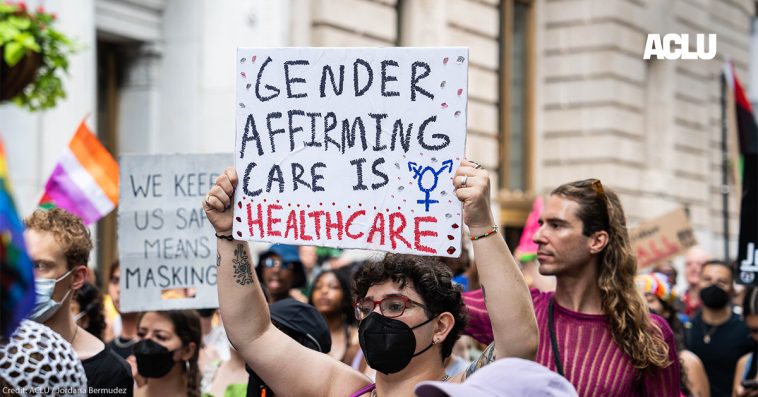
The legal battle over trans health records, particularly in the context of gender-affirming care, is a vivid example of the many twists and turns that law and medicine must confront nowadays. Advocates argue that gender-affirming care for transgender teens is not only legal in Pennsylvania but also considered a super important part of their overall healthcare, endorsed by leading health professionals across the nation.
Supporters of transgender care reinforce that denying such services places vulnerable youth at risk and can have lifelong consequences. In the wake of federal actions, legal groups such as the Public Interest Law Center (PILC) have filed motions to quash a subpoena issued by the Department of Justice. Their argument is built on the ground that forcing the disclosure of deeply personal medical details—ranging from mental health records to information regarding gender identity and reproductive health—violates constitutional privacy rights.
This case is nuanced by conflicting directives: while federal authorities maintain that their investigation is aimed at combating health care fraud and misrepresentation, medical practitioners and advocates see these actions as an overwhelming intrusion into the intimate relationship between patient and provider.
Understanding the Legal Motions: Balancing Government Interests and Patient Rights
Legal motions filed to halt the DOJ’s subpoena underscore the concern that government actions might overstep boundaries and infringe on personal rights. According to court documents, the Public Interest Law Center and its legal partners believe that the subpoena not only delves into sensitive medical records but also exposes patients—many of whom are minors—to potential risks such as harassment or discrimination.
In their arguments, legal experts point out that:
- Gender-affirming care remains a key, legally supported medical intervention
- The details contained in the health records are too personal to be exposed to broad governmental scrutiny
- The subpoena may cause unintended consequences, including the widespread chilling of evidence-based medical care for transgender youth
These points represent some of the tangled issues that need to be carefully weighed when assessing government oversight versus patient confidentiality. As one PILC legal director explained, the right to privacy must be balanced against any attempt by government agencies to find fault or seek evidence of misconduct.
Patient Privacy and the Intricacies of Medical Records Protection
The dispute brings to the fore the fine points involved in protecting medical records. In this case, UPMC has been directed to preserve documents, including patient names, addresses, and very personal health information. The argument made by the legal representatives is that there simply is no acceptable way to redact these details to fully meet the stringent requirements of patient confidentiality.
For many patients, these records are not just pieces of paper, but representations of deeply personal and sensitive parts of their lives. The medical records involve aspects that include details about mental health, sexuality, and the overall course of treatment. The implications of having such information mishandled or leaked are both nerve-racking and potentially damaging in a society where transgender individuals often face discrimination.
This situation clearly demonstrates the tricky parts of managing and safeguarding medical records in an era when governmental oversight is both expected and, in some views, invasive. For healthcare providers, the challenge lies in how to provide essential care while simultaneously protecting patient information from external scrutiny.
DOJ Investigations and Their Impact on Trans Healthcare
One of the major drivers behind the current legal battles is the set of subpoenas issued by the Department of Justice, which target medical providers offering gender-affirming care to minors. The DOJ’s actions, ostensibly part of an investigation into fraud and misinformation, have sparked heated debate among legal and medical experts alike.
The Department of Justice claims that its investigation is needed to root out practices that could be seen as deceptive or fraudulent. Yet, many in the medical community see the investigation as an attempt to curtail or discourage gender-affirming care. In a country where transgender healthcare is both legally protected and medically recommended, such investigations come across as overly intimidating and off-putting for providers.
Moreover, leaders of hospitals like UPMC have remarked that the need to preserve documents under these subpoenas has forced a kind of defensive stance within their institutions. The fear is that any errors or misinterpretations in the handling of these subpoenas could lead to unintended and damaging consequences—not just for the hospitals but for the patients they serve.
This climate of uncertainty underlines the potential danger posed by government actions that, intentionally or not, interfere with the doctor-patient relationship. When healthcare providers are forced to deal with subpoenas for information that contains personal, life-altering details, it raises serious questions about the limits of government intervention in private healthcare matters.
Balancing Constitutional Rights and the Need for Government Transparency
The issue of balancing constitutional rights with government transparency is a recurrent theme in debates over privacy and healthcare. Proponents for shielding trans patients’ health records assert that the Constitution and privacy rights hold primacy over any governmental investigation. They argue that no matter the rationale behind the inquiry, the protection of a patient’s personal information is of utmost importance.
This belief rests on the idea that privacy is a core component of the trust between patients and their healthcare providers. Without such trust, patients might be dissuaded from seeking care, especially in cases where their identity and personal details are in a particularly vulnerable state. In many cases, the very nature of transgender healthcare demands sensitivity, understanding, and a robust confidentiality framework, which is threatened by intrusive federal measures.
Balancing these interests is one of the many complicated pieces that the judiciary must consider. It is not simply a matter of deciding between government oversight and individual rights–instead, it requires a careful journey through legal precedents, constitutional guarantees, and the lived experiences of the people directly affected by these policies.
Trans Youth Vulnerability Amid Federal Probes: What Are the Implications?
Transgender youth, who often already face a range of personal challenges, find themselves further endangered by the ongoing legal skirmishes. Medical records that detail aspects of their gender identity, mental health, and other personal matters are far too valuable to allow to fall into the wrong hands. At a time when identity politics and public debates over transgender issues are on edge, the potential exposure of these private details could lead to additional stigma or even harassment.
Some key implications of federal probes into gender-affirming care include:
- An increase in healthcare providers reconsidering the provision of trans-specific services due to fear of legal repercussions
- The potential for patients to seek care elsewhere, possibly compromising the quality or accessibility of the necessary treatments
- Heightened anxiety among patients about the confidentiality of their records, which might discourage them from discussing sensitive or personal matters with their healthcare providers
These concerns are not merely theoretical; they have real-world consequences on the mental health and overall well-being of transgender youth. When the system that is meant to protect such individuals instead imposes additional barriers, it sends a troubling message about where priorities lie and how marginalized communities are valued.
Critical Legal Perspectives: An Examination of Federal Subpoenas
Legal experts have taken a close look at the subpoenas issued in the context of gender-affirming care, offering a variety of perspectives on their legitimacy and potential impacts. While the DOJ maintains that the subpoenas are part of a broader investigation into healthcare fraud, critics argue that the way these subpoenas are structured is loaded with issues that extend far beyond the scope of regular administrative requests.
From a legal standpoint, several arguments have been forwarded against such subpoenas:
- The demands for detailed and extent information raise concerns about the proportionality of the investigation compared to the alleged wrongdoing
- The risk of exposing highly personal information without adequate safeguards compromises the constitutional rights of patients
- Similar motions in other jurisdictions, such as in Massachusetts and with Children’s Hospital of Philadelphia, have set precedents for limiting the scope of such inquiries
Legal analysts assert that the federal government must find a way to investigate potential crimes without overstepping the boundaries of individual rights. This delicate balancing act resembles trying to sort out a puzzle where every piece must align perfectly, or risk exposing sensitive areas of patient-provider relationships to undue public scrutiny.
Government Use of Subpoenas: Unpacking the Technical and Emotional Impacts
When discussing the Department of Justice’s use of subpoenas, it is critical to acknowledge both the technical aspects and the emotional ramifications for patients and healthcare providers alike. The legal process here is not just a matter of paperwork and procedure—it touches on issues that are deeply personal for those involved.
On the technical side, the subpoenas compel hospitals like UPMC to preserve a wide swath of data dating back multiple years. This includes:
- Documents regarding patient identity, including social security numbers and contact information
- Dossiers containing minute details of patient interactions, such as medical advice, treatment plans, and behavioral health assessments
- Records that could potentially reveal sensitive information about a patient’s home life, schooling, and peer relationships
Emotionally, the specter of exposure and public shaming is nerve-racking for both patients and providers. Many transgender youth, who may already feel isolated or misunderstood, are further burdened by the knowledge that their most personal information could become fodder for political or ideological battles. The inherent tension in this scenario has led many healthcare providers to operate under an atmosphere of cautious reserve—with a keen eye on legal developments and a heavy heart for the patients who may suffer as a consequence.
Trust, Confidentiality, and the Doctor-Patient Relationship Under Pressure
At the heart of the matter is the sacred trust that underpins the doctor-patient relationship. In the realm of gender-affirming care, where the trust is especially critical, any erosion in confidentiality can have lasting psychological and medical impacts. Advocates have emphasized the point that guidelines and policies should never force clinicians to act against the established benchmarks of professional ethics.
A few points are particularly critical in understanding this dynamic:
- The preservation of privacy is not merely bureaucratic compliance—it is a vital part of ensuring that patients can be honest and open with their healthcare providers.
- A breach in confidentiality can lead to a breakdown in the provider’s ability to give effective, compassionate care, especially when the topics at hand are as sensitive as gender identity and mental health.
- The emotional toll of watching one’s private life potentially become public information is an overhead burden, ripe with implications for self-worth and trust in the healthcare system.
This situation illustrates how the small distinctions between legal rights and ethical duties can have disproportionately large impacts on real lives. When legal actions compromise trust, the entire fabric of medical care is at risk, ultimately reducing the willingness of patients to seek help when needed.
Aligning Policy with Practice: The Future of Trans Healthcare
Looking ahead, there is a growing call within both healthcare and legal circles to find a path that respects patient privacy while addressing governmental concerns about accountability and fraud. The current situation should urge policymakers to consider thoughtful reforms that safeguard patient information without undermining necessary government oversight.
Key recommendations from a policy perspective might include:
- Enacting legislative reforms that clearly delineate the limits of federal subpoenas concerning medical records, particularly for vulnerable populations
- Implementing stricter controls on data access to ensure that only absolutely necessary information is shared with investigative bodies
- Encouraging a dialogue between healthcare providers, legal experts, and advocacy groups to continuously refine the balance between transparency and confidentiality
Such measures, if taken, could help to figure a path through the complexities of federal investigations and ensure that the doctor-patient relationship remains unmolested by external pressures. Not only would this foster an environment in which trans youth can receive care with confidence, but it would also safeguard the principle that personal health information is sacrosanct.
Pondering the Role of the Judiciary in Protecting Patient Interests
The judiciary plays a pivotal role in mediating disputes that involve government overreach and personal rights. In the cases currently unfolding, federal judges in both the Western and Eastern District courts of Pennsylvania will be called upon to make decisions that may set precedents for how similar cases are handled in the future. These rulings are expected to work as test cases, demonstrating the fine balance between state interests and individual protection.
In several related cases, such as a recent decision in Massachusetts that blocked similar subpoenas, the courts have shown a willingness to protect patient rights against intrusive governmental measures. Key elements that the judiciary is likely to consider include:
- The scope and justification of the subpoena, ensuring that it does not exceed what is necessary to investigate credible wrongdoing.
- Whether the methods used to collect information infringe on constitutionally guaranteed privacy rights, particularly for minors and vulnerable populations.
- The potential broader impact on public trust in the medical system if such sensitive information is mishandled.
These deliberations reveal the small distinctions between necessary oversight and oppressive intrusion—a line that must be carefully marked by legislative and judicial bodies alike. As the cases develop, the careful words and reasoning of the judges will serve not only to resolve the disputes at hand but also to signal future directions in healthcare policy and privacy protection.
Protecting Trans Youth: A Call for Compassionate and Reasoned Policy
Beyond the legal debates and policy recommendations, this controversy touches on the very real human element inherent in healthcare. Transgender youth, already navigating a world full of confusing bits and overwhelming challenges, require an environment where they trust their caregivers implicitly. An atmosphere where policies go too far in prying into personal lives can severely undermine this trust.
Healthcare administrators must balance the legal requirements imposed on them with the essential need to maintain confidentiality. Measures must be put in place to ensure that while hospitals may be legally compelled to preserve records, access to that information remains strictly controlled and used only in a manner consistent with constitutional protections.
To articulate the stakes in a clear manner:
- Patients have a super important right to privacy that is fundamental to receiving compassionate and complete care.
- Healthcare providers are caught in a challenging position, needing to respect legal obligations while simultaneously protecting the intimate details of their patients’ lives.
- The overall impact on public trust in medical institutions is profound if individuals believe that their most sensitive details could be exposed without their consent.
This ongoing debate calls for a balanced approach—one that respects both the need for governmental oversight and the non-negotiable right to privacy. For transgender youth, who depend on access to gender-affirming care as much as anyone else, creating this balance is not just a legal challenge but a moral imperative.
Understanding the Broader Societal Implications
The implications of this legal tussle extend far beyond the confines of a courtroom or a single hospital system. They are a reflection of broader societal debates regarding individual rights, government power, and the role that healthcare plays in our communities. In a society increasingly aware of the rights of transgender individuals, the stakes are exceptionally high.
When government agencies initiate probes into sensitive healthcare practices, several worrying scenarios can emerge, such as:
- Providers becoming so cautious that they eventually withdraw critical services—a phenomenon that could leave trans youth without the necessary care at a critical time in their development.
- Increased public fear and misunderstanding about gender-affirming care, driven by political rhetoric and misleading statements from high-ranking officials.
- The risk of such cases setting a precedent whereby personal medical records from any vulnerable group might be targeted under broad federal mandates.
Each of these outcomes reveals how legal decisions in one arena can ripple out into the broader cultural and social fabric, influencing everything from public health to individual well-being. The wider community must therefore remain vigilant and engaged, ensuring that policies are implemented with compassion, careful planning, and a full appreciation of real-life consequences.
Reassessing the Role of Political Rhetoric in Shaping Healthcare Policy
It is impossible to view the current scenario without acknowledging the role of political rhetoric in shaping the debate. High-ranking officials have, at times, employed language that is not only over-simplistic but also designed to stoke fear about gender-affirming care practices. Such rhetoric can have a chilling effect on policymakers and healthcare providers alike.
Key problematic aspects include:
- The portrayal of gender-affirming care as inherently dangerous or equivalent to practice that is “loaded with issues” far beyond typical healthcare scenarios.
- Statements suggesting that providing gender-affirming care is tantamount to harming young individuals—an emotionally charged assertion that disregards a wealth of medical evidence to the contrary.
- The potential for these statements to embolden other political and administrative actions that may further restrict patient privacy in an already tense legal climate.
It is critical, therefore, for political leaders to engage in a more nuanced discussion that recognizes the small distinctions between safeguarding public interests and disparaging established medical practices. Only through informed and balanced rhetoric can conditions be created that allow for effective oversight without undermining healthcare.
Fostering a Collaborative Approach to Oversight and Patient Protection
One promising path forward lies in fostering closer collaboration between government agencies, healthcare institutions, and legal advocates. Such a collaborative approach can work as a counterbalance to the fine points of federal investigations, helping to ensure that while accountability is maintained, patient privacy is never compromised for the sake of expediency.
This cooperative effort might include the following strategies:
- Establishment of Clear Guidelines: Develop comprehensive policies that define the circumstances under which patient information can be accessed and the safeguards that must be in place. These guidelines should be informed by medical practitioners, legal experts, and patient advocates alike.
- Regular Dialogue and Feedback: Facilitate regular forums where healthcare providers and government officials can discuss emerging issues, ensuring that responses to federal inquiries are calibrated sensitively and appropriately.
- Enhanced Privacy Protections: Invest in state-of-the-art data protection technologies and internal protocols that minimize the chances of unauthorized disclosure of sensitive patient information. This might mean developing specialized systems for handling requests concerning transgender healthcare.
Such measures can help ease the overwhelming sense of anxiety that arises from the idea that personal data might be exposed. Rather than framing the issue as a battle between government and individuals, a collaborative model emphasizes responsible oversight and mutual respect for the rights and needs of everyone involved.
Learning From Other Jurisdictions: A Comparative Analysis
Looking at how other states and regions have handled similar issues can offer valuable insights for policymakers and healthcare providers in Pennsylvania and beyond. In Massachusetts, for example, a federal judge blocked a similar investigation into patient records at a major children’s hospital, citing concerns that resembled those currently raised by UPMC advocates. Likewise, the legal battles at the Children’s Hospital of Philadelphia have led to motions aimed at reducing the breadth of federal subpoenas.
A comparative analysis reveals the following lessons:
- Judicial Prudence: Courts that have taken steps to limit the scope of subpoenas have often emphasized the essential need to protect intimate details of patient records.
- Institutional Confidence: Hospitals that have proactively engaged in protective motions tend to preserve greater trust among their patient communities, ensuring that those in need continue to seek necessary care.
- Policy Relevance: Judicial decisions in other jurisdictions can serve as important references for lawmakers who are considering reforms to federal and state-level oversight practices.
These examples underscore that while the challenges are certainly nerve-racking, there exists a viable path forward—one that blends careful legal oversight with a deep respect for the individual rights of patients. The broader takeaway is that protecting the privacy of transgender youth should be a high priority, no matter what administrative pressures exist.
Charting a Way Forward: Policy Recommendations and Future Outlook
The deep-seated tension between federal investigative authority and individual privacy rights demands innovative solutions. As this controversy unfolds, concrete policy recommendations are necessary to ensure that transgender youth retain access to quality healthcare without fear of unnecessary exposure.
Future policy directions might include:
- Legislative Clarifications: Draft and enact legislation that clearly defines the limits of federal power when it comes to subpoenaing sensitive medical information, with special provisions for vulnerable populations like transgender youth.
- Stronger Data Protections: Encourage hospitals and healthcare systems to adopt advanced data encryption and privacy safeguards, ensuring that patient records remain confidential even under governmental review.
- Regular Audits: Institute a system of periodic audits and independent oversight that can monitor how subpoenas are executed and ensure compliance with privacy laws.
- Enhanced Training: Develop training programs for healthcare providers and legal teams alike, emphasizing how to steer through the legal landscape while preserving core ethical values inherent in patient care.
Realizing these goals will require the combined efforts of policymakers, healthcare providers, legal advocates, and community organizations. The success of such collaborative measures could serve as a blueprint for other states facing similar challenges, ultimately leading to a national standard that upholds both the constitutional right to privacy and the need for responsible governmental oversight.
Conclusion: A Plea for Balance, Compassion, and Judicial Integrity
The unfolding legal battle over trans patients’ medical records is more than just a dispute about subpoenas—it is a reflection of the struggles faced by many in balancing government intervention with personal rights. The decision-making process in federal courts in Pennsylvania is likely to set crucial precedents for how sensitive healthcare information is treated in the future.
At its core, the issue is about trust. When healthcare providers promise confidentiality, they are not merely following protocol; they are fostering an environment where individuals feel safe to share the most personal aspects of their lives. This trust is the bedrock of effective healthcare, and any policy or legal action that undermines it is bound to have far-reaching negative consequences.
In weighing the various arguments—the technical requirements of governmental investigations against the intimate, emotionally charged needs of transgender youth—it becomes clear that the scales of justice must lean in favor of protecting the individual. Every small detail and subtle distinction in the legal reasoning matters. If we allow too many of these tricky parts and confusing bits to go unchecked, we risk creating an environment where fear and mistrust govern patient care instead of compassion and expertise.
Ultimately, finding a path through these tangled issues is not just the responsibility of the federal courts but also that of our legislators, healthcare providers, and community leaders. In the coming months and years, as further legal decisions are rendered and policies are revisited, hope rests on the idea that a balanced solution can be achieved—one that ensures accountability without sacrificing the essential trust that lies at the heart of every patient-provider relationship.
This is a call for judicial integrity, for compassionate policy-making, and for a collective commitment to safeguarding the privacy of every patient—regardless of their gender identity. By working together, we can figure a path that upholds our constitutional values while protecting the super important right of individuals to access the care they need without fearing unwarranted exposure.
As we move forward, let us remember that the stakes are high, the issues complex, and the need for sensitivity paramount. The protection of transgender youth and the preservation of privacy in healthcare is not merely a legal matter—it is a testament to our commitment to the dignity, well-being, and future of every individual in our society.
Originally Post From https://www.wesa.fm/health-science-tech/2025-09-25/families-federal-court-upmc-trans-patient-records-doj
Read more about this topic at
Defending Women From Gender Ideology Extremism And …
Advocates for Trans Equality | Fighting for legal and political …