CoQ10 and the Promise of Enhanced Female Fertility
In recent years, the research spotlight has turned toward Coenzyme Q10 (CoQ10) as a promising avenue for boosting female fertility. Drawing from nearly 80 peer-reviewed publications, a comprehensive review published in Frontiers in Cell and Developmental Biology has synthesized decades worth of findings into one cohesive narrative: CoQ10 could play a key role in restoring aging eggs and, by extension, improving embryo quality. As we work through our modern-day fertility challenges, there is increasing interest in how this naturally occurring antioxidant and energy booster might counter the nerve-racking decline in oocyte quality that many women face with advancing age.
This article aims to unpack the benefits and challenges related to CoQ10 supplementation, using a neutral tone to explore its potential impact on female reproductive health. Throughout, we will dig into the scientific evidence and consider both the exciting promise and the cautious questions that hover over the potential of CoQ10 as a complementary fertility treatment.
Understanding CoQ10’s Role in Ovarian Energy Production
At the heart of female fertility lies the quality of oocytes, or eggs. These tiny cells are cellular powerhouses, loaded with mitochondria—more than any other cell type in the human body—that provide the energy needed for oocyte maturation and early embryonic development. However, as women age, several tangled issues come into play. The number and efficiency of these mitochondria decline, leading to an energy shortfall that may compromise egg quality. CoQ10, a lipid-soluble compound, is essential for producing adenosine triphosphate (ATP), the energy currency of cells, and plays a super important role in sustaining mitochondrial health.
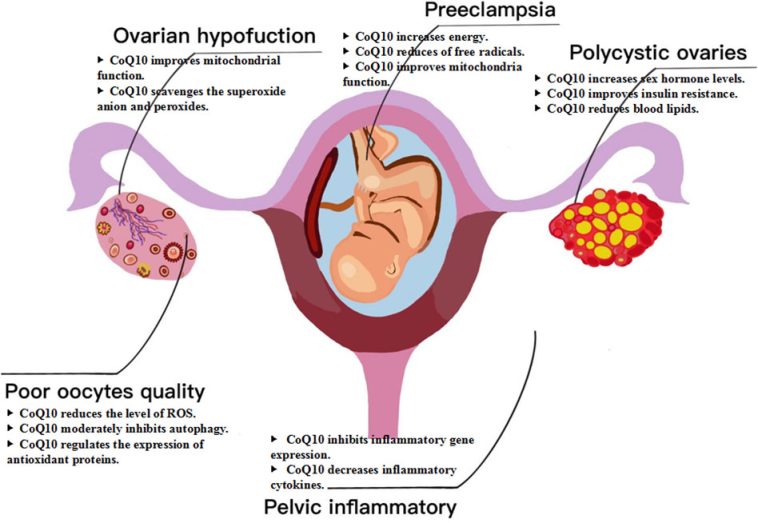
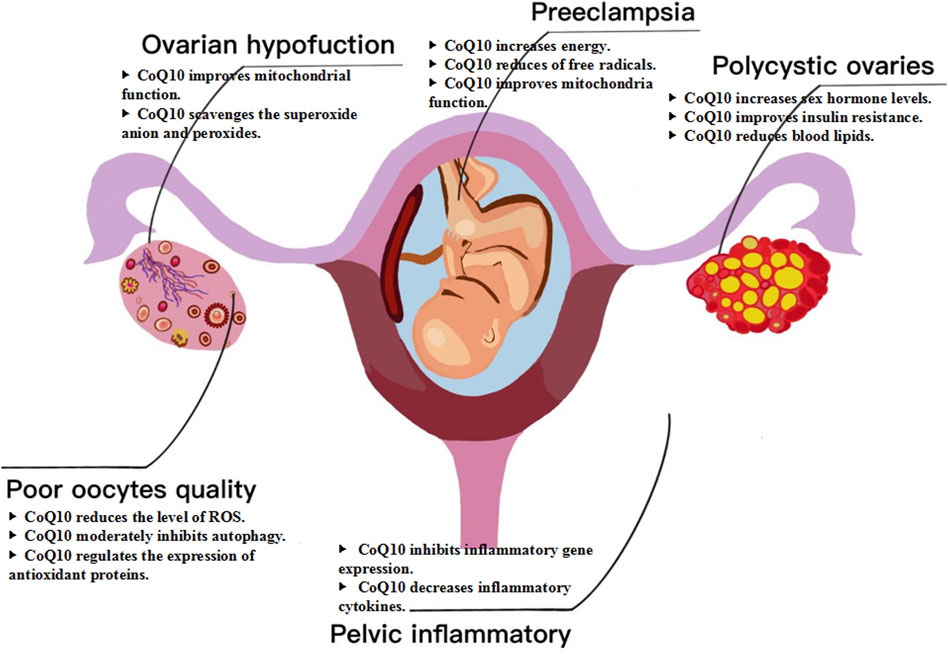
In essence, CoQ10 helps repair the energy deficit within aging oocytes. By boosting mitochondrial function, it can enhance the cell’s power generation, countering the increasingly complicated pieces of cellular decline. In doing so, CoQ10 not only improves the egg’s capacity to mature properly but also sets the stage for healthier embryo development after fertilization.
Combating Oxidative Stress: CoQ10’s Dual Benefit
One of the most confusing bits in reproductive science is the damage caused by oxidative stress. This phenomenon results in reactive oxygen species (ROS) that can harm cellular components—including the delicate structures within oocytes. In aging eggs, increased oxidative stress is a tricky part that contributes to chromosomal abnormalities and lower-quality embryos. CoQ10 steps in as a potent antioxidant that neutralizes these damaging free radicals, offering a protective shield against the nerve-racking effects of cellular oxidative assault.
By acting as both an energy booster and a scavenger of ROS, CoQ10 provides a dual mechanism for enhancing female fertility. It works in these two intertwined ways:
- Energy Production: By stimulating ATP production, CoQ10 supplies the essential power needed for egg maturation.
- Antioxidant Protection: It minimizes oxidative damage by neutralizing ROS, thus preserving the integrity of the genetic material within oocytes.
This two-pronged approach makes CoQ10 a compelling candidate for research in fertility interventions, especially for women whose reproductive challenges stem from both energy decline and oxidative stress complexities.
Mitochondrial Health and Aging Eggs: Unraveling the Cellular Mechanisms
Digging into the nitty-gritty, the interplay between mitochondrial health and aging eggs has become a focal point in reproductive medicine. As women age, their eggs not only suffer from a declining number of mitochondria but also from reduced efficiency in energy conversion. CoQ10 can be seen as a potential remedy that works to restore the energy landscape within these cells.
The cellular pathways influenced by CoQ10 involve critical players such as SIRT1 and PGC-1α. These pathways are central to the processes that govern mitochondrial biogenesis and the repair of cellular components damaged by stress. By enhancing these pathways, CoQ10 works to infuse aging oocytes with renewed vitality—a fact that could explain why some clinical studies have observed increased numbers of retrieved eggs and improved fertilization rates when CoQ10 is integrated into fertility treatments.
Here’s a quick overview of how CoQ10 may help improve mitochondrial function:
| Cellular Process | Impact of CoQ10 |
|---|---|
| ATP Production | Enhances energy output, vital for egg maturation |
| ROS Neutralization | Reduces oxidative stress, protecting cellular components |
| Mitochondrial Biogenesis | Stimulates pathways responsible for the creation of new mitochondria |
| Cellular Repair Mechanisms | Improves the repair of damaged cell parts, leading to better overall egg quality |
Clinical Evidence and Human Trials: A Mixed Bag of Promises and Pitfalls
The evidence supporting the use of CoQ10 in enhancing female fertility is steadily accumulating, though it remains under careful scrutiny. Clinical trials, including randomized controlled trials (RCTs), have offered a mixed picture: while intermediate markers such as egg retrieval numbers, fertilization rates, and embryo quality appear to improve with CoQ10 supplementation, the ultimate outcomes—like clinical pregnancy rates or live births—have not consistently shown significant improvements.
For instance, one notable RCT involving women with poor ovarian reserves reported that those in the CoQ10 group experienced a marked increase in the number of retrieved eggs and a boost in embryo quality. However, differences in final pregnancy outcomes were not statistically significant compared to women receiving placebos. This observation points to the possibility that while CoQ10 positively influences some of the straightforward bits of cellular health, its effect on the overall reproductive journey remains on edge and ripe for further exploration.
The clinical community agrees that larger, more robust trials are needed. The current body of evidence—though promising—is still loaded with questions regarding the dosage, treatment duration, and specific patient populations that might benefit most from CoQ10 supplementation. Until these issues are sorted out in future research, CoQ10 should be seen as a complementary, albeit hopeful, addition to fertility-enhancing strategies.
Tailoring Dosages: Finding the Right Balance for Maximum Benefit
One of the particularly challenging bits in applying CoQ10 clinically is figuring out the super important details involved in dosing. Several studies have employed different dosing regimes, with common dosages ranging from 200 mg per day for women undergoing standard in vitro fertilization (IVF) protocols to 600 mg per day for those with diminished ovarian reserve. A general safety ceiling has been suggested at 1,200 mg per day, though doses beyond this amount may lead to gastrointestinal discomfort in some cases.
Finding the right balance is crucial, as the optimal dosage might vary from one individual to another depending on factors like age, underlying medical conditions, and specific fertility challenges. In clinical practice, personalized dosing strategies are essential, meaning that what works for one patient might not be suitable for another. This person-centered approach highlights the importance of further research geared toward understanding exactly how much CoQ10 is needed for each unique reproductive profile.
Some key considerations include:
- Patient Age: As women grow older, the efficiency of natural CoQ10 production dwindles, often necessitating a higher supplementation dose.
- Ovarian Health: Women with conditions like poor ovarian reserve or polycystic ovary syndrome (PCOS) might require tailored dosages to address specific cellular deficits.
- Coexisting Health Issues: Women with other metabolic or hormonal disruptions might benefit from a synergistic approach that combines CoQ10 with other therapies, such as Vitamin E.
CoQ10 in Polycystic Ovary Syndrome (PCOS) and Hormonal Balance
Among the various reproductive challenges, PCOS stands out as a condition where the benefits of CoQ10 might extend beyond mere energy production. Women with PCOS often experience a constellation of issues that include hormonal imbalance and metabolic disturbances. Research indicates that CoQ10 supplementation may help restore a healthier hormonal balance and improve metabolic outcomes, thereby indirectly supporting fertility.
When integrated with other interventions, CoQ10 appears to play a supportive role in reducing some of the tricky parts associated with PCOS. For example, its antioxidant properties may curb the oxidative stress that exacerbates the condition, while its impact on mitochondrial function can help promote overall cellular health. Although CoQ10 alone might not be a magic bullet for PCOS-related infertility, it could form part of a broader, multi-pronged strategy to manage the condition effectively.
Synergistic Effects: Combining CoQ10 with Other Lifestyle Interventions
One encouraging aspect of CoQ10 research is the observation that its benefits may be amplified when combined with other nutritional or lifestyle strategies. For instance, pairing CoQ10 with Vitamin E has been shown to have synergistic effects, potentially enhancing cellular repair mechanisms and bolstering antioxidant defenses even further. Similarly, integrative approaches such as transcutaneous electrical acupoint stimulation have also been explored, suggesting that a combined regimen may yield better fertility outcomes than any single intervention alone.
For women facing the overwhelming challenge of infertility, especially those with diminished ovarian reserves or advanced maternal age, these multi-faceted treatment strategies could offer hope. The idea here is simple: by pairing CoQ10 with complementary treatments, the overall benefit to cellular health might be greater than the sum of its parts.
A summary of potential synergistic strategies includes:
- Nutritional Pairings: Combining antioxidants such as CoQ10 with Vitamin E or other complementary nutrients.
- Non-Pharmacological Interventions: Integrating practices like acupoint stimulation which may work hand-in-hand with CoQ10’s cellular benefits.
- Lifestyle Adjustments: Adopting balanced diets rich in essential fatty acids, nuts, and fatty fish that provide natural sources of CoQ10.
Public Health Implications and the Aging Population
The rising trend of delayed childbearing, partly due to personal and socioeconomic factors, has led to a global increase in fertility challenges. As more women choose to conceive later in life, the nerve-racking decline in egg quality due to age becomes a public health issue that cannot be ignored. In this context, the potential of CoQ10 goes beyond individual patient care—it could have broad implications for reproductive medicine as a whole.
Public health initiatives may consider incorporating CoQ10 research findings into broader fertility enhancement strategies. Addressing the root of the issue—cellular dysfunction in aging oocytes—presents a proactive way to manage the challenges of an aging population. However, this would require coordinated efforts between clinicians, researchers, and public health policymakers to design and implement sound clinical guidelines that are both safe and effective.
The table below summarizes key public health takeaways from the current CoQ10 research discourse:
| Public Health Focus | Potential Impact of CoQ10 |
|---|---|
| Aging Population | May help counteract age-related decline in egg quality, improving overall reproductive outcomes |
| Infertility Rates | Offers a supplementary intervention for managing rising infertility challenges |
| Cost-Effective Strategies | Could be integrated into existing fertility treatments to enhance success rates without significant additional costs |
| Personalized Medicine | Potential for tailored treatment plans based on individual patient needs and metabolic profiles |
Future Directions: What Lies Ahead for CoQ10 Research?
Despite the promising evidence surrounding CoQ10, researchers agree that more work is needed to fully understand its place in modern reproductive medicine. The current literature leaves us with several open questions that require more robust clinical trials and detailed investigations. Some of the key areas for future research include:
- Standardizing Dosage: Determining the optimal dose that maximizes benefits while minimizing side effects for different populations.
- Treatment Duration: Establishing the ideal timeframe for supplementation, whether it should be a long-term support strategy or a short-term intervention during fertility treatments.
- Patient-Specific Protocols: Developing personalized treatment plans that consider individual variation in metabolism and the specific fertility challenges faced by each woman.
- Combination Therapies: Exploring the synergistic effects of CoQ10 with additional antioxidants, dietary modifications, and non-pharmacological interventions.
It is clear that while the initial findings are exciting, robust research is needed to move CoQ10 from the realm of experimental studies into standard clinical practice. Collaborative efforts across research disciplines will be essential in answering these outstanding questions and ensuring that CoQ10 supplementation is both safe and effective for those who stand to benefit most from it.
Addressing the Overwhelming Complexity of Fertility Challenges
Fertility is inherently a multi-faceted topic, brimming with tangled issues and tricky parts that extend far beyond the health of the oocyte alone. From genetic factors to environmental influences, the path to a successful pregnancy is loaded with many hurdles. CoQ10 supplementation, while promising, should be viewed as part of a broader suite of interventions rather than a standalone miracle cure.
Women facing fertility challenges should consider a comprehensive approach to treatment: one that integrates nutritional interventions, lifestyle modifications, and possibly even complementary therapies along with conventional medical assistance. Health professionals are encouraged to figure a path that considers both the super important details of cellular health and the broader, more human aspects of reproductive challenges.
Key holistic strategies might encompass:
- Balanced Nutrition: Emphasizing diets rich in antioxidants and omega fatty acids, which naturally support mitochondrial health.
- Regular Exercise: Engaging in gentle physical activities that help reduce oxidative stress and improve overall well-being.
- Stress Management: Incorporating mindfulness and relaxation techniques to mitigate the nerve-racking impact of stress on reproductive health.
- Integrated Medical Care: Combining CoQ10 supplementation with established fertility treatments, under the guidance of knowledgeable healthcare professionals.
Reassessing the Promise: An Opinion on CoQ10’s Place in Reproductive Medicine
From an editorial perspective, the emerging data on CoQ10 is a beacon of hope amid a landscape that is often full of problems and off-putting challenges. The excitement comes from its potential to address both energy deficits and oxidative stress in aging oocytes—two of the most critical factors that impact female fertility. However, the journey from promising laboratory results to consistently positive clinical outcomes is still riddled with tension and hidden complexities.
The medical community finds itself at a crossroads where enthusiasm for new treatments must be balanced with the patience required for rigorous, long-term studies. While CoQ10 supplementation shows real potential for rejuvenating aging eggs, its effectiveness in leading to more live births remains to be seen. This cautious optimism is shared by many experts who stress the importance of evidence-based approaches in reproductive medicine.
In my view, CoQ10 represents an exciting frontier in the quest to find innovative solutions for age-related fertility decline. It is a reminder that the key to overcoming some of the more overwhelming twists and turns of reproductive challenges may lie in understanding and enhancing our own cellular machinery. With continued research and carefully designed clinical trials, CoQ10 might one day become a standard tool in the fertility specialist’s kit.
Conclusions: Balancing Hope and Caution in CoQ10 Research
In conclusion, the role of CoQ10 in female fertility is a subject that strikes a delicate balance between promise and uncertainty. The current literature points to its ability to enhance mitochondrial function, reduce oxidative stress, and ultimately improve some intermediate markers of fertility, such as egg quality and embryo development. However, the path to achieving higher clinical pregnancy and live birth rates remains on edge, underscoring the need for further research.
For women grappling with fertility challenges—especially those related to advanced maternal age or conditions like PCOS—CoQ10 offers a potential complementary strategy that could reinvigorate the cellular environment necessary for healthy reproduction. Yet, as with any emerging therapy, it is critical to approach CoQ10 supplementation with both optimism and caution. Health professionals must continue to evaluate its benefits against the full spectrum of treatment options, making informed decisions based on robust, evolving evidence.
Ultimately, while CoQ10 is not a silver bullet that will resolve all the delicate bits of female infertility, it remains a promising candidate that invites us to look closely at the hidden complexities of cellular health. As researchers and clinicians work together to untangle these issues further, we can hope that future insights will pave the way for more effective, personalized fertility treatments that address the very core of reproductive challenges.
Final Thoughts: A Path Forward for Integrated Fertility Solutions
CoQ10’s potential to revitalize aging eggs is a remarkable development in reproductive medicine, one that opens numerous avenues for both scientific inquiry and clinical application. It shines a light on the possibility that targeted nutritional supplementation—when combined with lifestyle adjustments and conventional fertility treatments—could provide a more comprehensive approach to managing reproductive health. The evidence, while growing, encourages us to keep our minds open and to work through the tricky parts with careful, patient-driven research.
For those who have witnessed the nerve-racking impact of declining fertility, especially in today’s slowly aging society, the advances in CoQ10 research bring hope and a reminder that science is continuously evolving. As we take a closer look at the subtle parts of our own physiological machinery, we uncover new opportunities to address the off-putting challenges that once seemed insurmountable.
It is essential to acknowledge that while CoQ10 offers a promising complementary pathway, it is but one piece of a larger puzzle in female fertility. Future studies should continue to explore not only the individual benefits of CoQ10 but also how it can be effectively integrated with other therapeutic modalities. Ultimately, an integrated, personalized approach to fertility care may well be the key to unlocking improved reproductive outcomes for many women around the globe.
In our collective journey to bolster reproductive health, maintaining an open dialogue about promising interventions like CoQ10 is critical. While the road ahead may be filled with complicated pieces and nerve-racking uncertainties, every new scientific insight helps us figure a path forward—one that may eventually lead to more resilient and vibrant reproductive health for generations to come.
Originally Post From https://www.news-medical.net/news/20250916/CoQ10-shows-promise-in-boosting-female-fertility-by-reviving-aging-eggs.aspx
Read more about this topic at
CoQ10 shows promise in boosting female fertility …
Scientists discover novel approach to rejuvenate aged egg …