Pharmacists as Educators in Women’s Health: A Fresh Look at Menstrual Pain Management
In recent years, pharmacists have stepped up as key educators in women’s health, offering a fresh perspective on managing menstrual pain. As we take a closer look at the trends reshaping the landscape of healthcare, it’s clear that innovative, holistic, and personalized treatment methods are making a real difference for millions of women worldwide.
Understanding Menstrual Pain: Recognizing the Tricky Parts and Confusing Bits
Menstrual pain affects countless women, often with a mix of tricky parts such as intense discomfort, interruptions to daily routines, and even social stigma. Traditionally, women were expected to silently face these challenges, but mood shifts in the current healthcare environment mean that openly discussing and acknowledging these confusing bits is now a priority. By shedding light on the tangled issues associated with menstrual pain, healthcare providers are empowering women to take charge of their own health.
Holistic Approaches: Combining Lifestyle Strategies with Medical Solutions
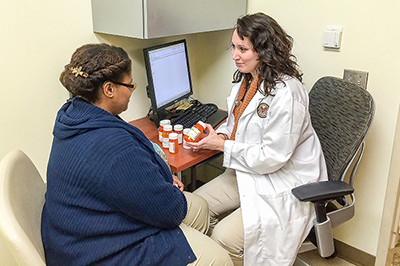
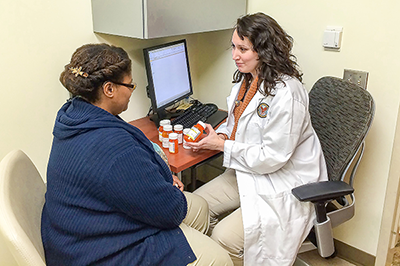
A key aspect of the modern approach to menstrual pain management is the combination of lifestyle modifications and medical interventions. Pharmacists such as Joanna Lewis, PharmD, MBA, are advocating for comprehensive treatment strategies that integrate natural remedies with prescription medications when needed. This multifaceted treatment plan allows patients to address the small distinctions that can make menstrual pain overwhelming, as well as the more complicated pieces that may require medication.
Personalized Care and Patient Empowerment
The idea of personalized care is central to current discussions about women’s health. By tailoring treatment strategies to each woman’s unique experience, healthcare professionals can help alleviate pain more effectively. Rather than a one-size-fits-all approach, pharmacists now encourage patients to share their personal history and current coping methods. This open communication helps in identifying specific triggers and responses, making it easier to figure a path through both natural and pharmacological treatments.
Long-Term Lifestyle Adjustments: Simple Daily Practices to Ease Pain
One of the most accessible and effective ways to manage menstrual pain is by incorporating everyday lifestyle changes. Though some of these adjustments might appear as small details, they can add up to a significant improvement over time. Healthcare professionals recommend methods such as:
- Engaging in regular physical exercise
- Using heating pads to soothe cramps
- Practicing specific yoga poses to relax the body
- Increasing water intake for better hydration
- Reducing or eliminating excessive caffeine consumption
These practical steps may seem like simple tweaks, but their cumulative effect can help ease the nerve-racking periods of menstrual discomfort. By making these adjustments a routine part of daily life, women can gradually steer through the tougher periods and enjoy more comfortable cycles.
Nonpharmacological Therapies: Natural Remedies for When You Need a Little Extra Relief
Many women are finding that nonpharmacological therapies provide a critical supplement to their overall treatment plan. The use of natural remedies is not just a matter of preference but a super important component of a balanced approach. Among these natural interventions are:
- Herbal Supplements: Certain herbs, like ginger and turmeric, have been traditionally used to reduce inflammation and relieve pain.
- Acupuncture: A practice that has gained momentum for its role in easing tension and stimulating endorphin release.
- Mindfulness and Meditation: These methods can help ease the psychological toll of chronic pain and promote relaxation.
- Diet Adjustments: A balanced diet rich in anti-inflammatory foods can support overall hormonal balance and aid in reducing symptoms.
These strategies enable women to manage the subtle parts of menstrual discomfort that often go unnoticed by conventional treatment methods. By adopting a more natural approach to pain relief, patients can sometimes limit the need for higher doses of prescription medications.
Medical Interventions: When Lifestyle Changes Aren’t Enough
Of course, natural remedies and lifestyle changes might not always suffice, particularly when menstrual pain becomes overwhelming. In these cases, medical interventions are used to ease the pain effectively. Pharmacists now work closely with physicians to offer a range of options including:
- Prescription-strength nonsteroidal anti-inflammatory drugs (NSAIDs), such as high doses of ibuprofen and naproxen
- Hormonal contraceptives that help reduce the production of prostaglandins responsible for the pain
- Targeted medications that address specific symptoms while minimizing side effects
This blended approach ensures that women have access to both natural remedies and effective pharmaceutical solutions, creating a customized plan that addresses every little twist and turn of menstrual pain. The idea is to tackle both the natural origins of the pain and its more daunting medical aspects.
Leveraging Social Media to Destigmatize Women’s Health
The digital age is transforming how health topics are discussed, and nowhere is this more evident than in women’s health issues. Social media platforms have become a powerful tool in enabling open discussions about menstrual pain, thereby helping to destigmatize what was once considered a taboo subject. This increased dialogue helps women feel less isolated when dealing with their symptoms, and it provides them with a community of support and advice.
Many pharmacists have taken to social media to educate their audiences, sharing tips that combine various treatment options and shedding light on both natural and pharmaceutical methods. As one expert noted, “Pharmacists can take a very active role in educating their patients and the public about these public health concerns.” This shift is not only refreshing but also necessary in a world where a lot of information is available, yet sometimes the noise makes it hard to find the right advice.
Table: Comparative Overview of Nonpharmacological and Pharmacological Interventions
| Intervention Type | Examples | Benefits |
|---|---|---|
| Nonpharmacological Therapies |
|
Reduce stress, improve circulation, and promote relaxation |
| Pharmacological Interventions |
|
Direct reduction of inflammation and pain, hormonal regulation |
Staying Ahead: The Evolving Role of the Pharmacist
As the role of pharmacists continues to evolve, they are finding themselves at the intersection of public education and direct patient care. By staying up to date on current trends and remedies, pharmacists are better equipped to offer guidance on what strategies work and which ones might not. This proactive stance not only builds trust between healthcare providers and patients but also breaks down the barriers that have long contributed to the stigma surrounding menstrual pain.
Pharmacists are now seen as essential allies in helping women address the tricky parts and hidden complexities of menstrual pain. Their ability to integrate both traditional and modern treatment methods positions them as key figures in women’s health, capable of supporting patients through the overwhelming twists and turns of managing chronic pain.
Challenges and Opportunities: The Changing Face of Women’s Health Education
While progress is being made, several challenges still persist. The world of healthcare is often loaded with issues that require not only medical expertise but also social sensitivity. For example, the cultural expectations that once forced women to endure pain without complaint still linger in some communities. However, as discussions become increasingly open and ongoing, more positive changes are emerging.
A few major challenges include:
- Tackling Persistent Stigmas: Despite the evolving conversation, many women still face societal pressure to downplay their symptoms.
- Access to Care: Not all women have equal access to the full spectrum of treatment options, whether due to economic constraints or regional disparities.
- Information Overload: With the vast amount of information available online, discerning effective and safe practices from misleading advice can be nerve-racking.
At the same time, opportunities abound for pharmacists and other healthcare providers who are willing to get into the fine points of these issues and offer tailored solutions. By educating themselves and their communities, these professionals can help women find their path through a maze of treatment strategies and cultural expectations.
Community Engagement: The Value of Open Dialogue
A crucial aspect of changing the narrative around menstrual pain is encouraging open dialogue. Community engagement initiatives not only break down tired stereotypes but also create networks of support among women. When patients and providers work together to share experiences and insights, everyone benefits from a more informed perspective.
Community discussions often highlight:
- Real-life coping strategies that have been successful for others
- Testimonials that debunk long-held myths about menstrual pain
- Educational sessions on both lifestyle and medical interventions
- Support groups that offer emotional as well as practical guidance
By organizing forums, webinars, and interactive social media campaigns, healthcare professionals can ensure that the conversation continues to evolve, encouraging more women to speak out, seek help, and ultimately break free from the constraints of silence and stigma.
Digging Deeper: The Fine Points of Integrative Medical Care
Diving into the details of integrative medical care reveals a thoughtfully balanced approach to treating menstrual pain. In an ideal model, pharmacists and physicians pair their expertise to create a care plan that includes both natural and prescribed treatments. This method helps women manage both the supernatural bits and the tangible symptoms of pain.
Key components of integrative care include:
- Comprehensive Assessments: Detailed patient profiling helps in identifying the specific needs, triggers, and existing coping mechanisms of each individual.
- Stepped-Care Models: These models allow physicians and pharmacists to start with noninvasive treatments and then progressively add more focused pharmaceutical approaches if necessary.
- Holistic Monitoring: Continuous evaluation of treatment outcomes helps in fine-tuning the approach, ensuring that the chosen methods remain effective over time.
- Encouraging Self-Advocacy: Educating patients on how to gauge their own symptoms empowers them to be proactive partners in their own care.
This integrated strategy not only makes the treatment process less intimidating but also offers a roadmap that helps women steer through the small twists and turns that characterize their experience with menstrual pain.
Culturally Sensitive Approaches: Accounting for Diverse Experiences
It’s important to acknowledge that menstrual pain does not affect all women in the same way. Cultural, social, and individual factors contribute to the way pain is perceived and treated. A culturally sensitive approach involves recognizing that the fine shades of pain management vary widely and that treatment should always be tailored accordingly.
In many communities, the discussion around menstrual pain has been historically off-putting or even taboo. Breaking through these barriers requires healthcare providers to be patient, empathetic, and well-informed about the social context of the symptoms they treat. Pharmacists and doctors who invest time in understanding these subtle details can build a bridge of trust with their patients, ensuring that no one feels left out or misunderstood.
Building a Collaborative Healthcare Model: A Team Effort
The future of menstrual pain management lies in collaboration. By fostering open lines of communication among pharmacists, physicians, and patients, the healthcare community can create a more robust and reliable support system. Here are some strategies for successful collaborative care:
- Regular Communication: Scheduling follow-up appointments and check-ins can help monitor treatment effectiveness and adapt plans as needed.
- Shared Educational Resources: Distributing easy-to-understand guides, videos, and interactive content can help patients make sense of the various treatment options available.
- Coordinated Treatment Planning: Collaborative efforts between different specialties ensure that all aspects of patient care are addressed.
- Technology Integration: Utilizing digital platforms for remote monitoring and virtual consultations can enhance communication and support.
When the healthcare system encourages patients to get into the little details of their own pain management and supports them with a comprehensive team approach, the overall quality of care improves. Such integrated strategies help demystify the nerve-racking process of managing chronic menstrual pain.
Troubleshooting the Information Overload: Finding Reliable Advice in a Sea of Data
One of the modern challenges women face is the overwhelming volume of health advice available online. With so many websites, blogs, and social media feeds offering guidance, it can be nerve-racking to figure a path through the conflicting recommendations. Here’s how women can sift through the information:
- Consult Trusted Sources: Rely on information provided by reputable healthcare organizations and professionals.
- Seek Professional Advice: Use digital resources as a first step, but follow up with discussions with pharmacists or physicians who can provide personalized recommendations.
- Verify with Multiple Sources: Cross-checking information helps ensure that the advice is sound and up-to-date.
- Join Supportive Communities: Online forums and local support groups can provide patient testimonials and layperson-friendly explanations that resonate on a personal level.
By steering through the maze of online advice and focusing on established, peer-reviewed information, patients can avoid the pitfalls of misinformation and ensure that their treatment plans are built on a sound foundation.
The Impact of Education: Changing the Narrative Around Menstrual Pain
Education plays a super important role in changing the public narrative about menstrual pain. By actively engaging in discussions that focus on both the natural and medical facets of pain relief, pharmacists and healthcare providers can help reshape perceptions. The result is a supportive community where women rarely feel the need to quietly endure their pain.
Educational initiatives can include:
- Workshops and webinars on the latest trends in menstrual pain management
- Online content that provides balanced, researched opinions on both lifestyle modifications and medical treatments
- Community outreach programs that emphasize peer support and shared learning
- Collaborative campaigns with organizations dedicated to women’s health, ensuring inclusive dialogue
Such initiatives not only demystify the complicated pieces of menstrual pain but also equip women with the knowledge they need to advocate for better care. This change in narrative is slowly transforming societal attitudes, making it more acceptable to speak openly about these issues.
Looking Ahead: Future Directions in Menstrual Pain Management
As we continue to take a closer look at the many twists and turns of menstrual pain management, it’s clear that the future holds promising opportunities for further advancements. Emerging technologies, better integrated care systems, and ongoing research all contribute to a future where menstrual pain is managed more effectively and with greater sensitivity.
Potential future directions include:
- Advanced Digital Health Platforms: These platforms can offer personalized treatment tracking, virtual consultations, and real-time updates on the latest treatment methodologies.
- Expanded Research Initiatives: Ongoing studies will likely provide deeper insights into the subtle parts of menstrual pain, paving the way for new therapies and improved treatment protocols.
- Innovative Pharmacological Developments: New medications with fewer side effects could emerge, optimizing the balance between natural and pharmaceutical interventions.
- Greater Community Involvement: As women continue to share experiences and support one another, the social stigma surrounding menstrual pain is expected to diminish further.
These potential developments emphasize a future where women have more choices and better tools for managing their health. By remaining open to integrating new technologies with established treatment methods, the healthcare community can create a robust system that treats menstrual pain comprehensively and compassionately.
Concluding Thoughts: Embracing a New Era of Women’s Health
The conversation around menstrual pain is rapidly changing. Once viewed as a private burden, menstrual discomfort is now at the forefront of a broader discussion about women’s health and autonomy. Pharmacists, as trusted healthcare providers, are leading this charge by combining their clinical expertise with a compassionate, holistic approach to care.
By embracing both lifestyle-based practices and targeted medical interventions, the modern model of menstrual pain management offers hope to millions of women. The integration of digital innovations, community support, and personalized care forms a bright pathway forward—a pathway that encourages women to speak out, seek help, and ultimately claim control over their well-being.
In this new era, the role of the pharmacist extends far beyond dispensing medication—it is about guiding patients through the confusing bits, the tangled issues, and the sometimes overwhelming twists and turns of managing health. With continued focus on education, innovation, and collaboration, the future of menstrual pain management looks not only promising but deeply empowering.
Key Takeaways for Women Navigating Menstrual Pain
To summarize the essential points discussed in this editorial, consider the following tips when managing menstrual pain:
- Embrace a Holistic Approach: Combine lifestyle changes with appropriate medical interventions to manage pain effectively.
- Stay Informed: Rely on trusted sources and professional advice while being cautious of information overload online.
- Engage with Your Community: Connect with supportive groups and healthcare providers who understand the subtle details of menstrual pain.
- Advocate for Yourself: Communicate openly about symptoms and be proactive in creating a personalized treatment plan.
- Keep an Eye on Emerging Trends: The evolving healthcare landscape promises improved treatments and new technologies that could further ease menstrual discomfort.
As healthcare continues to evolve, it’s critical that women leverage both the expert guidance of pharmacists and the wealth of community knowledge available online and offline to find a treatment strategy that best fits their needs.
Looking at the Bigger Picture: A Collaborative Future for Healthcare
Ultimately, the ongoing transformation in women’s health is a testament to what can be achieved when innovation meets compassion. The collaborative model—one that brings together pharmacists, physicians, digital platforms, and patient communities—is laying a strong foundation for future generations. By getting into the nitty-gritty of everyday care and addressing both the natural and clinical aspects of treatment, this model has the potential to make the intimidating parts of menstrual pain significantly more manageable.
For healthcare providers, the challenge now is to continue refining these strategies and ensuring that every woman has access to safe, effective, and personalized care. It is our collective responsibility to ensure that no one has to silently shoulder the burden of pain without support. As society gradually shifts culture and perception, the dialogue around menstrual health will undoubtedly grow richer and more inclusive.
Final Reflections: Empowerment Through Education and Action
In closing, the shift in how menstrual pain is managed and discussed represents a broader trend toward holistic, patient-centered healthcare. Pharmacists have emerged as crucial figures in this movement, offering not just medication but education, support, and practical solutions tailored to individual needs. Their evolving role in women’s health is a reminder that even the nerve-racking twists and turns of chronic pain can be addressed with the right mix of empathy, education, and evidence-based practice.
This new era of healthcare is all about taking the wheel—empowering patients to actively participate in their treatment and make informed decisions that best suit their lifestyles and health challenges. By exploring both the natural and medical dimensions of pain management, women today have more options than ever before. And as we continue to make progress, it’s important to celebrate the strides made by pharmacists and other healthcare professionals who are dedicated to ensuring that every woman can live her life with less pain and more confidence.
The journey toward better menstrual pain management is ongoing. With each discussion, workshop, and community initiative, the collective understanding deepens. As we figure a path through these challenging yet transformative times, let us recognize the power of integrated care, open dialogue, and continuous learning. By embracing these principles, we can all contribute to a future where menstrual pain is not a mark of female weakness but a call for comprehensive, compassionate care.
Originally Post From https://www.drugtopics.com/view/pharmacists-emerge-as-key-educators-in-women-s-health-destigmatizing-menstrual-pain
Read more about this topic at
School nurses and menstrual communication
Pharmacists Emerge as Key Educators in Women’s Health, …