Public Health Data in South Carolina: An Elevated Approach Toward Community Wellness
In recent years, modern healthcare has benefited from an increased emphasis on transparency and accessibility of critical health information. One notable example is the South Carolina Department of Public Health’s (SCDPH) expansion of its S.C. Tracking Dashboards. This initiative, comprising 13 robust dashboards available in both English and Spanish, has opened a new chapter for local communities by providing vital – in other words, essential – data on health conditions ranging from cancer and asthma to air quality and drinking water safety.
As an opinion editorial for our healthcare journal, this article seeks to take a closer look at this development. It is not just a routine technological upgrade; instead, it is a bold step that has the potential to inform public health policy, spur community engagement, and empower local leaders with actionable intelligence. In this piece, we will examine the benefits of this initiative, explore the tricky parts and tangled issues inherent in the project, and discuss the ways in which expanded data transparency can shape the future of public health in South Carolina.
Revolutionizing Community Health: The Initiative at a Glance
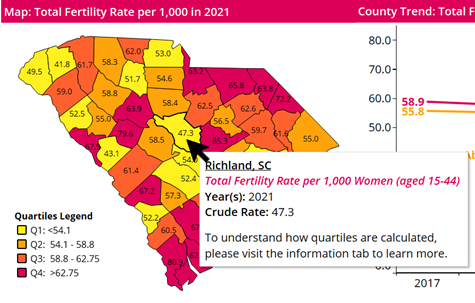
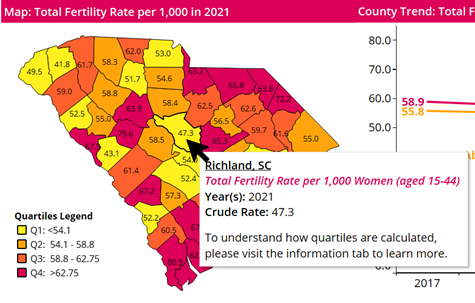
At its core, the expansion of the S.C. Tracking Dashboards is designed to provide an integrated snapshot of public health data on a county-by-county basis. These dashboards cover an array of subjects that affect daily life – from the incidence of chronic conditions such as Chronic Obstructive Pulmonary Disease (COPD) and heart attacks/strokes to more subtle details that influence community well-being, like childhood lead exposure and reproductive health.
This initiative is also positioned as a transparent window into the state’s health landscape. By offering an expanded demographic breakdown across dimensions such as race, age, and geography, the dashboard project aims to reduce the sometimes confusing bits and overwhelming twists and turns involved in public health data interpretation. It sets the stage for policy makers, researchers, and the general public to work through these issues and use the dashboards as a valuable resource for shaping future initiatives.
Broadening Access Through Multilingual Data
One of the key strengths of the new dashboards is their accessibility. With full content available in both English and Spanish, the initiative ensures that non-English speakers are not left behind. This multilingual approach is an essential feature, as it encourages community engagement and helps overcome language barriers that have often complicated the dissemination of important health information.
The inclusion of multiple languages not only enhances transparency but also plays a crucial role in ensuring that every resident of South Carolina has the opportunity to obtain accurate, timely, and accessible health data—all of which can drive more informed personal and community decisions.
Advantages of a Multicultural Approach
- Increased Reach: Offering data in Spanish allows for a broader audience to be served, building trust and ensuring that multilingual communities can contribute to and benefit from data-driven health solutions.
- Enhanced Communication: The ability to access information in one’s native language helps to demystify the often intimidating array of health data, allowing for a clearer understanding of the issues at hand.
- Empowerment Through Information: When every community member can easily access important health metrics, it becomes possible to work through the fine points and subtle details with clarity and confidence.
From Data to Decision: How the Dashboards Catalyze Change
A significant advantage of these dashboards is the manner in which they empower public health professionals and community leaders to find their way through the maze of public health data. By aggregating various metrics into user-friendly layouts, the dashboards not only provide a snapshot of current conditions but also serve as a dynamic tool for predicting trends and allocating resources more effectively.
For example, when tracking indicators like food insecurity, emergency preparedness, or even heat-related illnesses, the dashboards offer a real-time resource to monitor evolving situations. This capability is especially important as weather events, environmental hazards, and even sudden health crises can create a nerve-racking scenario where timely data can mean the difference between effective and delayed responses.
Real-Time Data Accessibility and Its Implications
An increasingly important aspect of modern public health is the availability of real-time data, which allows for immediate response strategies. When a community is informed by up-to-the-minute health trends, local institutions—from schools to hospitals—can be better prepared for shifts in health dynamics.
The dashboards provide current information on several elements, such as:
- Air Quality: Where poor air quality can exacerbate respiratory conditions and lead to an uptick in asthma-related incidents, having real-time updates facilitates a better public warning system.
- Heat-Related Illnesses: With climate patterns shifting, monitoring temperatures and heat waves becomes important for public advisories, especially in vulnerable populations.
- Emergency Preparedness: As more data on potential emergencies becomes available, communities can invest in faster, smarter infrastructure and training to manage health risks.
The implications of such real-time data extend well beyond immediate reactive measures. In the long run, sustained access to live health data can lead to improved health awareness, smarter allocation of state resources, and a more resilient community response in the face of sudden public health challenges.
Benefits for Policy Makers and Public Health Advocates
The new dashboards offer much more than just raw numbers; they are designed to aid policy makers, health care providers, and researchers in crafting tailored strategies. By incorporating a wide variety of health indicators into one comprehensive display, the initiative promises to simplify the tangled issues associated with making informed, effective decisions in public health.
Policy makers can use these dashboards to identify patterns and trends that have previously been hidden among the confusing bits and challenging pieces of unorganized data. Jessica Threatt, a DPH Data Visualization Strategist and Epidemiologist, has emphasized that this increased granularity is key to enabling targeted prevention strategies. With access to county-specific data, for example, state officials can more precisely allocate resources and focus on the regions in most need.
Customized Strategies Through Expanded Demographic Insights
One of the most exciting aspects of the expanded dashboards is the detailed breakdown of data subsets by race, age, and county. This level of demographic segmentation allows policy makers to work through the subtle details that often differentiate one community from another, and to address what might otherwise be overlooked issues.
Some of the possible benefits include:
- Targeted Interventions: By focusing on demographic information, local health departments can develop specialized programs designed to address specific community needs.
- Resource Allocation: County-specific data facilitates a more informed decision-making process when it comes to distributing budgets and resources across the state.
- Enhanced Outreach: Understanding the fine points of demographic details can help in outreach programs by tailoring messages that resonate better with diverse populations.
This refined approach means that even in situations where data appears tangled or full of problems, stakeholders can work through the challenging parts with a new clarity, ensuring that all segments of the community receive appropriate attention.
Engaging the Public: The Role of Transparency in Health Data
Transparency is an essential component of modern public health efforts. By providing users with free access to the dashboards, the SCDPH is ensuring that the public is well-informed about current health conditions. This democratization of data helps reduce the intimidating barriers that can sometimes make advanced health metrics seem off-putting or nerve-racking.
When communities have the ability to access and interpret health data, they are better prepared to advocate for necessary changes and improvements. Transparency enables a participatory approach where residents, health advocates, and policy makers collaborate on identifying challenges and formulating solutions.
Building Trust and Accountability Through Data Sharing
Trust is built not just by making data available, but by ensuring it is accessible and understandable. The dashboards break down seemingly complicated pieces of information into digestible segments through clear visualizations and interactive tools. This ease of access fosters an environment where the public feels engaged and empowered.
Consider the following benefits of this transparent approach:
- Improved Public Engagement: When the public is involved in understanding health trends, it creates a sense of shared responsibility and communal vigilance.
- Informed Public Policy: Transparent data can spur the development of health policies that are more responsive to the real needs of the community.
- Heightened Accountability: With data available for scrutiny, public health officials are prompted to maintain high standards of service and responsiveness.
These benefits underscore the critical role that transparency plays in modern public health. In a world where public skepticism can sometimes be fueled by hidden details, clear and accessible data serves as a bridge to building trust and accountability.
Challenges and the Tricky Parts in Expanding Public Health Dashboards
While the advantages of well-organized and widely accessible health data are clear, the development and implementation of such dashboards do involve their share of tricky parts and tangled issues. The process of collating and standardizing data from multiple sources is not without its challenges.
For instance, the integration of data from diverse domains – ranging from environmental conditions to healthcare statistics – requires sophisticated data management systems and robust quality control measures. These confusing bits of data must then be presented in a manner that is both user-friendly and comprehensive.
Technical Hurdles and Data Standardization
One of the primary challenges in such an initiative is ensuring that all data points are consistent, accurate, and up to date. This requires extensive collaboration among multiple agencies and rigorous checks to get around the hidden complexities of data standardization. Some common technical hurdles include:
- Data Inconsistency: Different agencies may use varying definitions and measurement tools, which can lead to discrepancies if not reconciled properly.
- Real-Time Integration: Combining real-time data streams with historical trends demands a high level of technological infrastructure and continuous system monitoring.
- User Interface Design: Transforming raw data into intuitive visualizations that clearly convey the necessary small distinctions without overwhelming the user is a challenging design task.
These technical hurdles illustrate the complicated pieces of managing health data in a modern, interconnected environment. Yet, by continuously refining the tools and methods, the SCDPH and its partners remain committed to offering a system that can meet the evolving needs of the community.
Privacy Concerns and Data Security
Another issue that sometimes raises concerns is data privacy. With detailed demographic information at the forefront, there is always a risk that individual identities could be inferred or misused. Although the dashboards are designed to present aggregated data rather than personal information, ensuring robust data security protocols is both nerve-racking and essential.
Some strategies to manage these fine points include:
- Data Anonymization: Removing personal identifiers to protect individual privacy.
- Secure Data Storage: Using encrypted and secure servers to store sensitive information.
- Regular Security Audits: Conducting periodic reviews and updates to ensure data protection remains up-to-date with current standards.
While these measures mitigate many of the risks, there remains an ongoing debate about the balance between data transparency and privacy. As communities continue to demand both accountability and safety, finding a path that satisfies both requirements will be a key facet of ongoing development.
Looking Ahead: The Future of Community Health Monitoring in South Carolina
The rollout of the expanded S.C. Tracking Dashboards represents a significant leap into the future of public health monitoring. With additional dashboards focusing on pressing issues like food insecurity and emergency preparedness already in the pipeline, the initiative is poised to continuously evolve, ensuring that the data remains current and relevant.
As technology advances, the next steps will involve greater integration of artificial intelligence and predictive analytics to forecast trends and help public health officials figure a path forward. These sophisticated tools could, for instance, predict potential outbreaks or signal deteriorations in environmental conditions before they become full-blown crises.
Integrating Predictive Analytics for Proactive Health Management
Predictive analytics represents a promising avenue for further enhancing the usefulness of health dashboards. By analyzing historical data alongside the latest trends, experts can begin to forecast areas that may require immediate intervention. Here are some ways predictive analytics may be applied:
- Outbreak Prediction: Algorithms could use a combination of weather data, hospital admissions, and historical incidence rates to predict spikes in diseases like influenza or asthma.
- Resource Forecasting: Predictive models can help allocate essential resources by forecasting demand in regions susceptible to health crises.
- Environmental Monitoring: Data-driven insights about air pollution or heat patterns can lead to better preparation and risk management in vulnerable communities.
By incorporating such future-facing methods, South Carolina can lead the way in community health monitoring. In doing so, it not only provides a service for today’s residents but also lays down a foundation for tomorrow’s health interventions.
Encouraging Community Involvement and Local Advocacy
A particularly exciting prospect of this initiative is the opportunity to bolster community advocacy. When citizens have unfettered access to reliable health data, they are more likely to become involved. Public forums, school programs, and neighborhood groups can all use the dashboards as reference points to push for changes that improve local health outcomes.
Engaging the community means working through the small distinctions and subtle details that differentiate individual regions from one another. This approach can be broken down into several steps:
| Step | Description |
|---|---|
| Data Access | Ensuring open access to reliable health data for every community member. |
| Community Meetings | Organizing local forums where data is presented and discussed in accessible language. |
| Feedback Loops | Implementing systems for citizens to provide feedback and share personal experiences related to the data. |
| Advocacy Groups | Forming dedicated local groups that use data to lobby for specific changes or resource allocations. |
This table underscores the straightforward yet effective strategies that can help communities translate data into action. When residents take the wheel by actively participating in data-driven discussions, their insights can lead to improved policies and outcomes.
Balancing the Good with the Not-So-Good: A Neutral Appraisal
Despite the many promising elements of this initiative, it is important to work through the subtle details and acknowledge that there are also challenges ahead. The expanded dashboards are a significant success in terms of data transparency and accessibility, yet they also come with their share of confusing bits and potentially intimidating technical demands.
Critics might point to issues such as data privacy risks or the possibility of overwhelming users with too much information. It is important, however, to recognize that the overall benefits outweigh these potential setbacks. As with any large-scale initiative, there are hidden complexities that must be addressed through iterative improvements and open dialogue.
One must also consider the off-putting reality that the process of updating and refining such dashboards is ongoing. As new data sources become available and technology continues to evolve, maintaining a user-friendly interface while incorporating advanced predictive analytics will be a continuous balancing act. Working through these challenges will require constant adjustments, dedicated staffing, and strong cross-agency collaboration.
Striking a Balance: Transparency vs. Data Overload
Another central issue is finding the right balance between transparency and data overload. While it is undeniably positive that residents now have access to a wealth of critical information, there is a risk that too much granular data could confuse readers—or worse, lead to misinterpretations.
To mitigate this risk, the following strategies might prove useful:
- User-Friendly Design: Keeping dashboards clean and intuitive helps ensure that users are not overwhelmed by the number or complexity of data points.
- Educational Outreach: Providing tutorials and explanatory materials can assist users in interpreting the data correctly.
- Regular Updates: Frequent review and updates help eliminate outdated or conflicting information, making it easier for citizens to steer through the latest trends.
Such measures can help the community find its bearings amidst an onslaught of numbers and statistics, ensuring that every individual can extract useful insights without feeling overloaded.
Final Thoughts: The Imperative of Community-Driven Health Innovation
In summary, the expansion of South Carolina’s S.C. Tracking Dashboards is a transformative project that bridges modern technology with public health needs. By offering detailed, county-specific data in multiple languages and across a range of health indicators, the initiative sets a new standard for data transparency and community engagement.
While there are undeniable challenges – from technical hurdles and privacy concerns to the tricky parts of balancing transparency with clarity – the positive impact on public policy and health outcomes is clear. This pioneering project not only makes the labyrinth of public health information more navigable but also offers communities an unprecedented opportunity to get into the core of their own well-being.
As the dashboards continue to evolve with new features like food insecurity metrics and emergency preparedness indicators, South Carolina is positioning itself at the forefront of proactive public health monitoring. This initiative underscores the idea that a well-informed public is better equipped to work through the subtle details and small distinctions that define robust community health.
From encouraging real-time data access to fostering strong local advocacy, the SCDPH’s decision is more than just a technological upgrade—it is a community-centered revolution. By shining a light on previously hidden aspects of community health, the dashboards drive a cooperation between citizens and officials that promises to lead to a healthier, more resilient state.
Looking Forward with Optimism
It is clear that challenges remain. As we figure a path through the quiet yet persistent issues of data standardization and privacy, stakeholders must continue to engage in open dialogue and iterative improvement. The benefits, however, are undeniable: enhanced transparency, empowered communities, and a proactive approach to health management.
In time, as technology continues to refine our ability to collect, analyze, and share health information, we may well see a future where public health data not only informs but also inspires. The transformation underway in South Carolina is a testament to the enduring value of community-oriented health innovation—a journey that necessarily involves working through the nerve-racking technical segments while celebrating the essential gains in public trust and empowerment.
Community Calls to Action: What Can Residents Do?
For community members who wish to be more involved in this data-driven revolution, there are numerous ways to get started:
- Stay Informed: Regularly check the dashboards to stay abreast of local health trends.
- Participate in Local Forums: Attend community meetings where the data is discussed, and share your insights.
- Provide Feedback: Engage with local public health authorities to offer input on improvements or areas of concern.
- Advocate for Enhanced Features: Support proposals for further dashboard expansion, including additional indicators relevant to your community.
By taking these steps, residents can play an active role in shaping the future landscape of community health, ensuring that the benefits of technological advancements are felt across all segments of the population.
Conclusion: A Step Toward a More Connected and Healthy Future
The evolution of South Carolina’s public health data systems through the expanded S.C. Tracking Dashboards is a shining example of innovation meeting community needs. While the path ahead may involve some intimidating technical twists and occasional nerve-racking challenges, the promise of a more informed, engaged, and health-conscious society is a reward well worth pursuing.
In our rapidly changing world, where information flows faster than ever, initiatives like these pave the way for communities to find their way through the tangled issues of modern health care. With every update, every new data point, and every community meeting that harnesses this information, South Carolina is charting a course toward a future where data and dialogue combine to create a healthier, more resilient society.
As a community, we have a responsibility to embrace these changes, working together to address the tricky parts and subtle details that define our public health system. The dashboards are more than just a repository of numbers; they represent a collaborative roadmap—a tool to help us steer through challenges and celebrate the essential triumphs in our ongoing battle for better health and well-being.
Ultimately, the success of this initiative will be measured not just by the quality of the data displayed, but by the positive impact it has on everyday lives. When citizens, health care providers, and policy makers come together fueled by accurate, transparent information, the potential for progress is limitless.
As we look forward to a time when more communities adopt similar transparent and accessible data models, South Carolina’s venture stands as a beacon of hope and progress—a true testament to what can be achieved when technology, community engagement, and a commitment to public health intersect.
In closing, let us applaud the hard work of the SCDPH and all those involved in this project for taking on what many might consider the nerve-racking challenge of modernizing health data. It is a journey filled with both subtle details and broad strokes that together paint a vibrant picture of a community determined to thrive.
Let the continued expansion and refinement of these dashboards inspire not only improved health policies but also a deeper, more connected understanding of our shared responsibility toward each other’s well-being. After all, the true measure of any health initiative lies in its ability to foster a healthier, more collaborative community—one dashboard at a time.
Originally Post From https://spectrumlocalnews.com/sc/south-carolina/news/2025/08/12/south-carolina-public-health-dashboards
Read more about this topic at
City Health Dashboard: Home
United States of Health Dashboard | Public Sector