Third-Trimester Maternal Hyperglycemia: A Closer Look at Adult Obesity Risk
The recent findings of the TEAM Study remind us that even the final weeks of pregnancy hold key clues to an offspring’s future health. In this opinion piece, we take a closer look at the tricky parts of maternal hyperglycemia during the third trimester and its potential links to adult obesity in children born to mothers with insulin-dependent diabetes. By examining both the overlooked fine points and the subtle details of maternal glucose fluctuations, we aim to provide a balanced view on how later gestation might play a super important role in the long-term metabolic health of offspring.
In a study spanning over 40 years, researchers followed 161 adults whose mothers had insulin-dependent diabetes mellitus (IDDM). The study sought to understand whether higher levels of maternal glycohemoglobin A1 (HbA1) during late pregnancy could lead to increased body mass index (BMI) and higher fat composition in adult offspring. This investigation not only confirms that the last trimester is a critical time but also raises a host of questions regarding the best way to manage maternal blood sugar levels during this time. As we dig into these findings, we need to consider both the supportive evidence and the potential challenges ahead.
Understanding the Study’s Discovery: The Critical Window of the Third Trimester
The TEAM Study’s results point to a period in the third trimester when the fetus builds most of its fat stores. Researchers observed that higher maternal HbA1 levels during this time were strongly associated with greater BMI and increased amounts of visceral and whole-body fat in adult offspring. These findings fuel the ongoing discussion about early-life programming, suggesting that the third trimester could be the period when maternal glucose control is most crucial.
In this analysis, maternal blood sugar variability was explored using a unique method known as functional principal component analysis (fPCA). While overall high glucose levels throughout gestation did not show a significant connection with later obesity, the twists and turns in glucose levels, particularly during the final weeks, emerged as an important area of focus. Essentially, it appears that not only the height of glucose levels but also the fluctuations in those levels could have lasting effects.
This discussion brings to the forefront several pressing issues. For one, the study underscores that healthcare teams should perhaps work harder to figure a path through glucose level management in later pregnancy. Additionally, it highlights the need for further research into how the timing of hyperglycemia affects both short-term outcomes such as birth weight and long-term consequences like adult adiposity.
Key Findings: Unraveling the Hidden Pieces of Glucose Variability
One of the most interesting aspects of the TEAM Study is the focus on glucose variability. While many previous studies have concentrated on sustained high glucose levels, the idea that the small, nerve-racking ups and downs in blood sugar could spur fetal insulin secretion is particularly thought-provoking. This mechanism might stimulate fetal fat accumulation, setting the stage for obesity later in life.
To help illustrate this point, consider the following bullet list summarizing the study’s vital observations:
- Maternal HbA1 levels taken at 30, 34, and 38 weeks and at delivery captured the critical period when fetal fat stores rapidly increase.
- Higher third-trimester HbA1 levels were associated with increased BMI, visceral fat, and overall body fat mass in offspring, even after adjusting for maternal factors like BMI and age.
- While glucose variability did show a trend toward increased BMI in adult offspring, the data did not reach statistical significance after full adjustment, leaving room for further exploration.
This list may help in understanding the fine details of the study and underline that even these little twists in glucose levels are worth paying attention to. It also reaffirms how the complicated pieces of gestational diabetes management extend far beyond mere blood sugar numbers.
Bridging Maternal Health and Future Child Metabolism: A Matter of Critical Timing
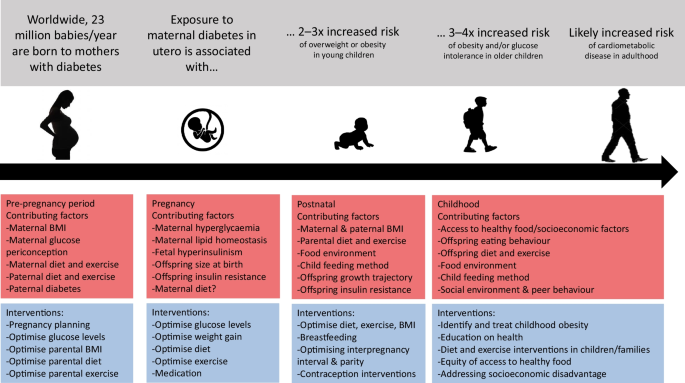
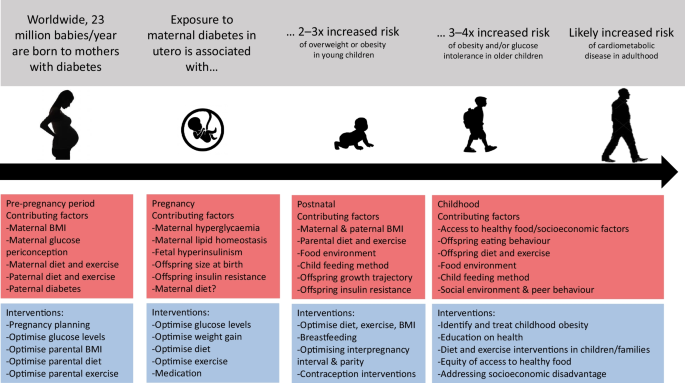
One of the prevailing theories in this field is the Pedersen hypothesis, which suggests that maternal glucose crosses the placenta, triggering fetal insulin production. The increased insulin, in turn, can stimulate excessive fetal growth and fat deposition. While earlier research has been more focused on birth weight and early obesity, the TEAM Study extends these findings much further into adulthood, suggesting that the effects of maternal hyperglycemia can last well beyond the neonatal period.
These insights invite us to ponder how better maternal care during the nerve-racking final trimester might help prevent long-term metabolic issues. Among the 161 adult participants in the study, over half were classified as obese – a statistic that should not be ignored. It might be time for healthcare professionals to take a closer look at strategies to manage maternal blood sugar levels and minimize fluctuations in the later weeks of pregnancy.
Taking this path forward might involve:
- Enhanced monitoring of maternal blood sugar levels in the third trimester.
- Targeted interventions to keep HbA1 levels within a healthier range.
- Patient education focusing on nutrition, lifestyle, and medication adherence during late pregnancy.
- Broad-based research initiatives designed to understand the long-term impacts of gestational hyperglycemia on offspring health.
Each of these steps represents not only a promise for better maternal care but also a challenging journey filled with tangled issues that are as complex as they are critical. By taking such steps, we may eventually turn the tide on the growing epidemic of adult obesity that can be traced, at least in part, back to our earliest exposures before birth.
Exploring Alternative Angles: What About Other Trimester Effects?
Interestingly, the TEAM Study found no significant link between first- or second-trimester HbA1 levels and obesity outcomes in adult offspring. This finding invites us to poke around at the subtle differences in how different gestational periods may have distinct influences on fetal development. While the early stages of pregnancy set the foundation for fetal growth, it appears that the final phase of pregnancy is when the most critical adjustments to the developing metabolic system are made.
This raises some very intriguing questions. For example:
- Why is the third trimester uniquely sensitive to maternal glucose fluctuations?
- Are there hidden complexities in how the fetus adapts to high glucose levels during late pregnancy?
- How do hormonal changes and shifts in maternal metabolism during this period contribute to these outcomes?
By carefully working through these questions, clinicians and researchers alike may find new points of intervention. The study’s findings suggest that interventions designed to maintain steady blood sugar levels in late pregnancy might be key to optimizing long-term metabolic outcomes for children. This possibility is both promising and challenging, underscoring the delicate balance clinicians must maintain in managing maternal health.
At its heart, the study supports the notion that pregnancy is a period full of hidden complexities and that fine points in maternal care may have rippling effects into adulthood. The research draws a clear connection between the final trimester’s glucose management and the future obesity risk of offspring – a reminder that every twist and turn in maternal health counts.
Managing Maternal Diabetes: Practical Steps for a Healthier Future
Given the implications of the TEAM Study, healthcare providers are now encouraged to find ways to figure a path through the challenging aspects of maternal diabetes management, especially in the later stages of pregnancy. Addressing third-trimester hyperglycemia may require a multi-pronged approach that includes both medical interventions and lifestyle adjustments.
Some practical steps to consider are:
| Action | Description |
|---|---|
| Enhanced Monitoring | More frequent blood sugar tests to track glycohemoglobin levels, especially during the final trimester, can help in making quick adjustments. |
| Medication Adjustments | Fine-tuning insulin dosages and other medications with careful oversight can help maintain consistent glucose levels. |
| Nutritional Counseling | Dietary modifications that include balanced, low-glycemic meals can support steady blood sugar levels. |
| Patient Education | Informing expectant mothers about the potential long-term impacts of glucose variability encourages proactive management and adherence to treatment plans. |
While these measures might seem overwhelming or even intimidating to both patients and healthcare providers, they represent essential steps to help steer through the challenging landscape of gestational diabetes. The ultimate goal is clear: to create an environment that minimizes not only periodic spikes in glucose but also the nerve-racking fluctuations that could trigger adverse outcomes in the long run.
In order to achieve this, it is important for the entire care team—from obstetricians and endocrinologists to nutritionists and patient educators—to work in unison. The emerging evidence suggests that such coordinated care can be a key factor in preventing obesity and other metabolic issues as children grow into adults.
Implications for Future Research: The Need for Further Studies
While the TEAM Study provides compelling evidence linking third-trimester hyperglycemia to adult obesity, its findings also open the door to several avenues of further research. For instance, deeper investigations into the mechanism behind glucose variability could help us better grasp how these small, nerve-racking changes influence fetal insulin production and fat deposition.
Future studies might consider exploring:
- The direct relationship between fetal insulin response and later-life fat accumulation.
- Comparative analyses between gestational periods to ascertain why the third trimester is particularly sensitive.
- The potential genetic or epigenetic factors that may mediate the effect of maternal hyperglycemia on offspring metabolism.
- Long-term follow-up studies designed to evaluate other chronic conditions that may arise from suboptimal maternal glucose control.
This research is critical—not only to refine clinical guidelines, but also to expand our understanding of how maternal health directly shapes the future. At a time when obesity rates continue to climb globally, the lessons from this study serve as a beacon urging us to take a closer look at the small distinctions in prenatal care that have the power to change lives over the course of generations.
It is evident that the study’s reliance on a unique modeling method to capture the tiny details in glucose trends should serve as both an inspiration and a challenge. The research community is now tasked with the responsibility of “poking around” these findings in greater detail, turning initial observations into steps toward innovative treatment protocols and preventative strategies.
The Societal Impact: Why We Should All Care About Third-Trimester Glucose Control
The TEAM Study’s implications go far beyond the realm of clinical research; they extend into the broader social fabric. With adult obesity presenting as a growing public health challenge worldwide, the study forces us to consider how early-life exposures can set the stage for decades of health outcomes. The fact that over half of the study’s participants were classified as obese is a sobering reminder that early interventions matter.
There are several reasons why this topic is so important for society as a whole:
- Economic Burden: Obesity and its related complications lead to increased healthcare spending, lost productivity, and a strain on both public and private resources.
- Quality of Life: Chronic conditions associated with obesity, such as heart disease and diabetes, continue to affect individuals’ everyday lives, reducing overall well-being.
- Intergenerational Impact: The findings suggest that metabolic issues acquired in utero could affect not just one generation but could potentially set off a chain of health problems affecting multiple generations.
From a community perspective, acknowledging the role of third-trimester glucose control offers a chance—not only to improve maternal care—but also to break a cycle that may contribute to widespread health disparities. Focusing efforts on this crucial period in pregnancy can be one of the key interventions to mitigate long-term societal and economic challenges linked to obesity.
Moreover, these findings highlight the importance of collaborative public health initiatives that bring together obstetric care, endocrinology, nutrition, and patient education. By organizing community-based programs and creating awareness, we can make the process of managing maternal diabetes less intimidating and more approachable.
Improving Patient Outcomes: A Call to Action for Healthcare Providers
It is crucial that healthcare providers take these findings and integrate them into clinical practice. The data from the TEAM Study serves as a call to action: better and more consistent glucose management during the later stages of pregnancy could potentially reduce the future risk of obesity in offspring. This calls for a concerted effort from all involved in prenatal care.
Here are some suggestions for clinicians and healthcare organizations to consider:
- Implement comprehensive screening protocols for pregnant women with IDDM, specifically focusing on the third trimester.
- Create multidisciplinary care teams that include obstetricians, endocrinologists, nutritionists, and mental health professionals to address both the physical and emotional challenges of managing diabetes during pregnancy.
- Develop patient-friendly educational materials that break down the complicated pieces of glucose management, explaining in everyday language why consistency is so important.
- Invest in research and pilot projects that explore innovative ways to monitor and control glucose variability, such as continuous glucose monitoring systems integrated with smart technology.
These strategies are essential if we are to make any real progress in reducing the long-term metabolic risks associated with gestational hyperglycemia. While the road ahead may seem full of problems and filled with twists and turns, every step toward better maternal care is one step toward a healthier future for the next generation.
A Balanced Perspective: Weighing the Evidence and Considering Limitations
No study is without its limits, and while the TEAM Study offers a unique long-term perspective, it is important to consider its nerve-racking limitations before drawing final conclusions. The sample size, for example, comprised 161 adults, a number that, while meaningful, does not capture the entire spectrum of maternal health profiles. Additionally, there may be other factors not fully accounted for in the analysis, such as genetic predispositions or postnatal environmental factors that contribute to obesity.
Some of the key points to keep in mind include:
- Sample Size Constraints: The study focused on a relatively small group of individuals born to mothers with IDDM, which might limit the broader generalizability of the results.
- Adjustments for Confounding Factors: Although adjustments were made for variables like maternal BMI, age, and family history, there could be additional influences – such as socioeconomic status or lifestyle factors – that affect long-term outcomes.
- Measurement Challenges: Capturing glucose variability and its exact impact on fetal development remains a challenging and somewhat intimidating task. More advanced methods may be needed in future research projects.
- Longitudinal Complexity: Following individuals over several decades often introduces complexities that can be difficult to fully untangle when trying to isolate the effects of a single variable.
Despite these limitations, the TEAM Study lays a strong foundation for future research, and its findings should be seen as a stepping stone toward more comprehensive studies. Clinicians and researchers must continue sorting out these issues while keeping an open mind about the many factors that impact long-term health outcomes.
Toward a Future of Improved Maternal and Child Health
Looking ahead, it is clear that the interplay between gestational hyperglycemia and long-term obesity outcomes demands more attention from the medical community. The evidence suggests that managing maternal blood sugar levels during the final trimester is not merely about protecting the mother during pregnancy, but also about setting the stage for a healthier adulthood for her child.
This realization provides us with a super important opportunity. With appropriate interventions in place—from enhanced glucose monitoring protocols to comprehensive prenatal education—the cycle of metabolic issues could potentially be interrupted. As more studies emerge and the small distinctions in prenatal care become better understood, both healthcare providers and policymakers can work together to develop guidelines that address these tricky parts head on.
The potential benefits extend far beyond reduced obesity risks. Lower rates of adult metabolic conditions will not only relieve the individual burden of chronic disease but also reduce the overall strain on healthcare systems worldwide. Every effort made during the final trimester of pregnancy could prove to be a must-have step in promoting better lifelong health.
As we take a closer look at these emerging insights, it is essential that we remain open to new approaches and ready to modify existing practices. The findings demonstrate that even the late stages of pregnancy are laden with hidden complexities that can continuously influence health outcomes. By striving for comprehensive, individualized maternal care, we can help ensure that the efforts taken during those critical last weeks yield benefits that persist well into adulthood.
Final Thoughts: A Call for Unity in Maternal Health Research and Practice
The TEAM Study has opened up a new chapter in our understanding of gestational diabetes and its long-lasting effects on offspring. The evidence underscores that high glucose levels and the nerve-racking fluctuations in the final trimester could be linked to adult obesity—a connection that carries significant implications for both individual families and society at large.
What remains clear is that the journey to improved maternal and child health requires the coordinated efforts of researchers, clinicians, and public health professionals. As the study suggests, managing maternal hyperglycemia is not just about short-term pregnancy outcomes but about charting a healthier course for decades to come.
This editorial invites you to consider the many little details involved in maternal health care. Whether it’s the subtle parts of glucose management, the challenging bits of interpreting variability in HbA1 levels, or the confusing bits of correlating these findings with adult obesity, every element matters. The research community’s duty is to keep poking around and refining these insights, transforming challenging evidence into actionable, everyday practices.
Ultimately, the key lies in translating these research findings into clinical realities that help both mothers and their children enjoy a healthier future. It’s a call to action, urging all stakeholders to work together in managing the complexities of gestational diabetes. Let us embrace this opportunity, knowing that every well-informed decision today can pave the way for a brighter, healthier tomorrow.
In closing, while the evidence is still evolving and there are plenty of daunting challenges ahead, the TEAM Study serves as a beacon for the potential of preventive care. By taking the wheel in managing maternal hyperglycemia—especially during those critical last weeks—we have the chance to dramatically influence the lifelong metabolic health of future generations.
As healthcare providers, researchers, and policy advocates continue to figure a path through these tricky issues, one thing remains clear: investing in maternal health is one of the most promising strategies for reducing adult obesity and its widespread complications. With collaboration, continued research, and dedicated patient care, the goal of a healthier future is within reach for both mothers and their children.
Originally Post From http://www.contemporarypediatrics.com/view/third-trimester-hyperglycemia-in-pregnancy-linked-to-adult-obesity-in-children
Read more about this topic at
Maternal glucose tolerance in pregnancy and child …
Glucose Tolerance Tests – Patient Preparation Instructions