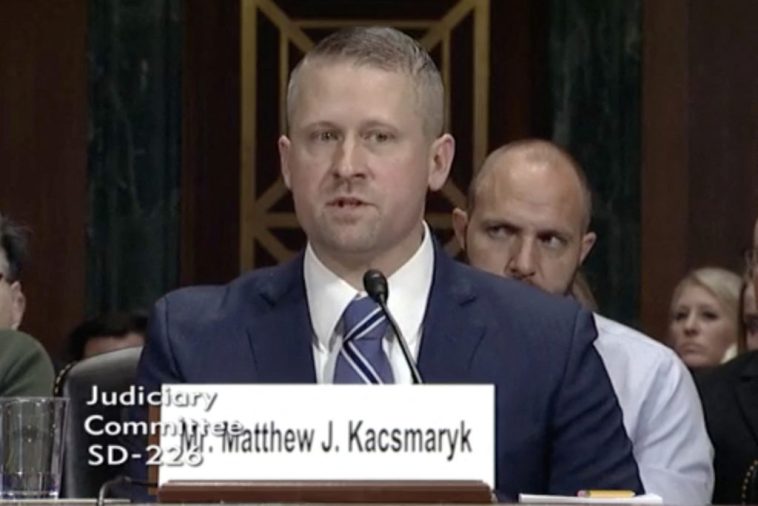

Breaking Down the Texas Ruling on Reproductive Health Privacy
The decision by U.S. District Judge Matthew Kacsmaryk to strike down the 2024 federal rule that protected reproductive health information has stirred heated debate across the country. In this opinion editorial, we take a closer look at how this ruling affects not only the safe space between patients and healthcare providers but also the wider discussions around federal privacy laws and reproductive rights. We will explore the many twisted issues surrounding this legal battle and its potential ripple effects on patient care and public trust.
Understanding the Core Issue: Patient Privacy and Reproductive Health
The 2024 rule was introduced to prevent the disclosure of sensitive reproductive health information during criminal, civil, or administrative investigations. The rule was intended to give patients the reassurance needed to seek legal reproductive health services, including abortions performed in safe environments, without fear of having their personal data misused. Yet, the recent decision in Texas has put the spotlight on the tug-of-war between privacy rights and state law enforcement powers, leaving many to wonder how best to find your way through these tangled legal and ethical bits.
The Protective Aim of HIPAA Amendments
Originally added to the Health Insurance Portability and Accountability Act (HIPAA), the 2024 rule was designed to extend additional layers of protection to reproductive health records. Faced with state-level abortion bans and evolving legal landscapes following the 2022 Dobbs decision, lawmakers chose to include measures that reassured patients and healthcare providers that their sensitive medical data would remain confidential. These measures were critical for ensuring that even if a patient sought care in a state with broader access to reproductive services, their information would not be easily accessible to law enforcement agencies.
Long-Term Impact on Patient Trust and Legal Protections
One of the pressing concerns arising from this ruling is the potential erosion of trust between patients and healthcare professionals. Patients need to feel confident that the information they share with their doctors will remain strictly confidential. When legal decisions appear to compromise these confidential communications, it creates a nerve-racking atmosphere for those already facing intimidating, personal, and emotionally charged health decisions.
Potential Strains on the Patient-Provider Relationship
Several groups have warned that removing or weakening such protections might lead to a cautious environment where patients could feel reluctant to share the small distinctions of their medical history, leaving healthcare providers with even trickier parts to address. Some of the key concerns include:
- Patients hesitating to seek help due to fears of exposure
- Healthcare professionals facing challenges in sharing essential information for proper diagnosis and treatment
- The possible misuse of sensitive health data in politically charged investigations
Legal Challenges and the Broader Judicial Landscape
Judge Kacsmaryk’s ruling is more than just a single judicial decision. It is indicative of an ongoing legal conflict where different courts, including those in Tennessee and Missouri, are evaluating laws that shape the privacy framework around reproductive health. This particular decision was triggered by Dr. Carmen Purl’s lawsuit against the Department of Health and Human Services (HHS), which claimed that the rule conflicted with state laws requiring the reporting of child abuse.
A Closer Look at the Legal Arguments
The legal arguments in this case present plenty of twisted issues that require deep exploration. On one hand, the 2024 HIPAA Privacy Rule aimed to carve out a safe zone for reproductive health information; on the other, critics argue that it unreasonably limited the ability of state authorities to access necessary records for investigative purposes. In essence, the decision underscores an uneasy balance—on one side is the need for inherent patient privacy, and on the other, the authorities’ duty to address public safety concerns.
Unpacking the Ruling: The Judge’s Perspective
Judge Kacsmaryk’s opinion touched on foundational ideas about the role of HIPAA. His claim was that the rule overstepped statutory authority by instituting special guidelines that applied exclusively to politically charged procedures like abortion and gender-affirming care. He argued that decisions of such magnitude should be made by Congress, not through executive adjustments to an existing law. His stance brings into focus multiple small distinctions about legislative versus judicial authority and raises questions about the appropriate channels for resolving these politically loaded matters.
Judicial Reasoning and Its Implications
In his detailed, 65-page opinion, Judge Kacsmaryk highlighted several fine points that point to the broader challenges of protecting sensitive health information:
- He emphasized that the rule inadvertently limited state authorities’ ability to collect data related to abuse and public health threats, suggesting the possibility that it might have hindered lawful investigations.
- The opinion also considered how HIPAA, a 30-year-old law, was not designed to account for the modern political and health care landscapes—especially when new rhetorical and ideological pressures come into play.
- Moreover, his decision reflected the view that giving special legal treatment to reproductive health procedures might set a dangerous precedent for future statutory reinterpretations.
Reactions from the Healthcare and Legal Communities
The ruling has evoked strong responses from diverse corners of the political and legal spectra. Advocates for reproductive rights argue that vacating the regulation undermines critical patient protections, while others feel that the decision corrects overreach by the executive branch. As these debates intensify, it becomes increasingly clear that finding your path through this maze of conflicting priorities is a tough task.
Perspectives from Democratic and Advocacy Groups
Maddy Gitomer from Democracy Forward described the ruling as “cruel,” noting that the protections provided by the 2024 HIPAA Privacy Rule have served as a shield against intrusive government scrutiny. Lauren Paulk, senior research counsel for If/When/How, also expressed concern that the removal of these safeguards could damage the delicate trust between patients and their healthcare providers. These voices fear that without these assurances, patients may be discouraged from seeking care, which could lead to missed health opportunities and harder-to-resolve conditions.
Conservative Voices and the Notion of Judge Shopping
Conversely, conservative voices have defended the decision. For instance, support for Dr. Carmen Purl’s stance has come from legal organizations like the Alliance Defending Freedom, which argue that the regulation skewed in favor of certain politically favored procedures. Critics have even accused some groups of engaging in “judge shopping”—a controversial tactic where cases are strategically placed in particular judicial districts in hopes of a favorable ruling. This facet of the dialogue underscores the full-of-problems nature of this heated legal arena, where political manipulation is a constant undercurrent.
Political Implications and the Future of Health Privacy
The political dimension of this ruling cannot be ignored. With reproductive rights remaining one of the most contentious issues in American politics, decisions like these may have far-reaching effects on the legislative process, as well as future interpretations of existing statutes. In the wake of the Dobbs decision and subsequent state-level abortion bans, federal lawmakers face the tricky parts of balancing state interests with federal mandates designed to protect individual rights.
The Role of Congress in Resolving These Issues
Judge Kacsmaryk’s assertion that Congress should address the special rules relating to reproductive health information presents a call for legislative clarity. In his view, it is not within the judiciary’s role to adjust or reinterpret laws like HIPAA to fit modern political narratives. Instead, elected officials should review and amend statutory provisions to provide clear, fair, and consistent guidelines that can be uniformly applied across all states.
How Future Policies Might Address Privacy Concerns
Looking ahead, several key areas require fresh focus and detailed legislative craft to reinforce patient privacy while satisfying state requirements for public safety. In particular, lawmakers might consider the following measures:
- Revising HIPAA to clearly define the boundaries of allowable data disclosure in cases involving sensitive health procedures.
- Creating new, comprehensive legislation that specifically protects reproductive health information without hindering state law enforcement efforts to investigate abuse.
- Establishing oversight mechanisms to monitor how sensitive health data are handled, ensuring that the protections promised to patients are effectively implemented.
How the Ruling Intersects with Broader Health Policy Concerns
This case is emblematic of broader public health policy challenges in an era marked by rapidly shifting legal landscapes and increasingly divided political opinions. It forces us to take a closer look at how laws evolve over time and whether they can keep up with modern demands for patient confidentiality and access to care. As new interpretations come to light, the opportunity arises to examine the fine shades between public health, individual rights, and the practical needs of law enforcement.
Balancing Health Privacy with Law Enforcement Obligations
A crucial point to consider is how healthcare providers should manage their dual responsibilities. On one side, providers must take great care to ensure that the health information shared in confidence remains protected. On the other, they are often legally required to report information if there is a reasonable suspicion of abuse or other public safety concerns. This creates a set of tricky parts for providers who must steer through a maze of state and federal regulations. Some of the challenges include:
- Figuring a path that upholds patient confidentiality while also complying with mandatory reporting requirements.
- Sorting out conflicting legal obligations from different jurisdictions, particularly in states with stringent restrictions on reproductive health care.
- Navigating situations where information disclosure could lead to unwelcome investigations, thus shaking the foundation of trust between the patient and their care facility.
The Impact on Abortion and Gender-Affirming Care Policies
The 2024 rule also extended protection to records concerning gender-affirming care, reflecting the administration’s broader goal of securing privacy for all sensitive health decisions, regardless of political alignment. With the recent ruling, however, this careful balance is in jeopardy. Critics warn that abolishing these heightened levels of privacy could have unintended consequences not only for those seeking abortion services but also for individuals receiving gender-affirming treatments.
Repercussions for Diverse Patient Populations
The impact of a weakened privacy framework on diverse patient groups must be carefully considered. For many, the decision makes it harder to get into conversations with their physicians without worrying about potential exposure. The following issues are likely to emerge:
- Individuals requiring abortion care may hesitate to pursue treatment if they fear that sensitive information will be shared with state authorities.
- Patients seeking gender-affirming care might experience hesitation due to concerns about the safe handling of their personal data.
- Overall, the patient-provider relationship—based on trust and open communication—risks being compromised, which can affect the quality and timeliness of medical care.
Judicial Deferral Versus Legislative Action: Who Should Decide?
The Texas ruling reignites an age-old debate about whether it is the role of the courts or the legislature to decide on politically loaded health policies. Judge Kacsmaryk’s decision to invalidate the 2024 rule on the basis that it imposes special conditions for politically favored health services reflects a view that such politically charged decisions should not fall solely to the courts. Instead, these issues carry enough weight and public consequence that they require a more democratically accountable process—one where lawmakers have the opportunity to meticulously sort out the details.
Pros and Cons of Judicial Versus Legislative Engagement
When evaluating the advantages and drawbacks of judicial intervention versus legislative amendments, it is important to consider the following points:
| Aspect | Judicial Intervention | Legislative Action |
|---|---|---|
| Speed | Can be relatively fast but may lead to temporary solutions | Takes longer but offers comprehensive debate and lasting resolutions |
| Public Accountability | Judges are insulated from political pressures; decisions may seem detached | Legislators are directly accountable to the public |
| Scope | May provide narrow rulings that do not address all underlying issues | Can address the multiple tricky parts and intertwined public policy concerns comprehensively |
| Flexibility | Judicial rulings are less flexible once set in stone | Legislation can be amended to adjust to evolving public needs |
Tensions Between State and Federal Oversight
This ruling also underscores the tense state of affairs between state-level legislative action and federal oversight when it comes to protecting individual privacy. After the 2022 Dobbs decision, several states adopted more stringent laws on abortion, which in turn led to genuine worries about how sensitive patient information might be used. The current debate highlights a critical fault line where state agendas diverge from federal rules, forcing policymakers to work through a maze of overlapping responsibilities.
State-Level Concerns and National Implications
At the state level, officials worry that a weakened federal framework may result in increased investigations into patient records, potentially leading to legal troubles or misinterpretation of medical facts. In states with strict abortion bans, this risk is particularly high. Some of the specific concerns include:
- Increasing pressure on healthcare institutions to report details that are otherwise confidential.
- Possible use of medical records as evidence in investigations, even when reproductive health care is legally obtained.
- A chilling effect on the willingness of patients to seek timely and necessary care.
Historical Context and the Evolution of HIPAA Protections
To truly grasp the current situation, it is necessary to appreciate the broader historical context of HIPAA and its modifications over the years. HIPAA was established with the primary purpose of ensuring that patient data, especially when transferred between providers, remains secure. Over time, amendments have been made to increase its applicability in the face of modern challenges. The 2024 rule was one such measure—designed to address the very real fears that patients would be hesitant to seek care due to the risk of public disclosure.
The Timeline of HIPAA Alterations and Their Impact
Looking back, the key milestones in HIPAA’s evolution include:
- 2000: The foundational privacy rule is enacted, outlining strict guidelines for handling patient health information.
- 2022: The Dobbs decision prompts states to impose more restrictive abortion laws, triggering concerns about data privacy.
- 2024: In response, the HIPAA Privacy Rule is amended to specifically protect reproductive health records, aiming to keep sensitive health care decisions confidential.
While the adjustments were intended to secure patient information, the Texas ruling challenges the balance by suggesting that the protective measures might have exceeded their statutory authority. This historical perspective is super important in understanding just how delicate the balance is between regulatory ambition and judicial restraint.
Ethical Considerations and the Fight for Confidentiality
Beyond legal complexities, there lies a larger ethical debate on the role of confidentiality in healthcare. Patient confidentiality is considered a cornerstone of medical practice—it is essential for creating an environment where individuals can discuss their health issues openly and without fear. The Texas ruling has stirred debates over whether stepping back from these robust protections could put patients at risk of feeling exposed or vulnerable, especially in sensitive situations.
Key Ethical Questions Raised by the Ruling
Several ethical issues arise as we take a closer look at the impact of this decision:
- Should patient confidentiality be upheld at all costs, even when it conflicts with state-level investigative needs?
- How should healthcare facilities prepare to manage the potential consequences of having sensitive data more accessible to law enforcement?
- What responsibilities do both the state and federal governments bear in ensuring that patient trust is maintained in a system full of problems?
Implications for Future Healthcare Policy Reform
The current controversy brings us to a crossroad in health policy where future reforms are not only possible but necessary. The decision in Texas has highlighted several areas that policymakers need to address if they are to uphold patient privacy while balancing the needs of law enforcement and state governance. With the ever-changing landscape of reproductive rights in the United States, this dialogue is set to intensify as stakeholders consider new measures and safeguards.
Policy Areas Needing Reform
Based on our discussion, here are some key areas where future healthcare policy might focus its efforts:
- Clear Definitions: Legislators need to articulate which types of patient information should remain inviolably confidential and under what conditions exceptions might apply.
- Streamlined Reporting Procedures: Establishing clear guidelines that help healthcare providers figure a path when confronted with conflicting obligations could ease many nerve-racking situations.
- Uniform Protection Standards: A nationally consistent policy would prevent a patchwork of regulations that might vary widely from state to state.
- Enhanced Oversight: Creating independent oversight bodies to monitor how sensitive health data are handled can build confidence among patients and practitioners alike.
Comparative Analysis: International Perspectives on Health Privacy
It is worthwhile to poke around and examine how other nations manage the delicate balance between patient privacy and public health. In many countries, robust frameworks ensure that individuals’ medical data remain strictly confidential, even when accessed by law enforcement under extraordinary circumstances. These approaches may offer useful insights into developing guidelines that address the subtle parts of our current dilemma.
Key International Models and Lessons Learned
A few examples of international approaches include:
- European Union: The General Data Protection Regulation (GDPR) is perhaps the gold standard in data privacy, ensuring that personal health information is handled with exceptional care. Similar to the intended spirit of the 2024 rule, GDPR places a high emphasis on consent and transparency.
- Canada: Canadian regulations often combine federal oversight with provincial tailoring, creating a model where patient confidentiality is upheld across provinces while still allowing for necessary exceptions under clearly defined conditions.
- Australia: With policies that strictly govern the handling of medical records, Australia’s system emphasizes balance—protecting individual rights while allowing responsible access for vital public health issues.
The lessons from these international models underscore how a carefully structured privacy regime can coexist with the needs of law enforcement. They also highlight the importance of precise, clear-cut guidelines that leave little room for reinterpretation—a lesson that U.S. policymakers might well consider as they move forward.
Charting a Path Forward in a Divided Landscape
The current ruling is a stark reminder of the nerve-racking challenges facing our healthcare and legal systems. With heated debates spilling over into courtrooms and legislative halls, the need for clarity and balanced protections becomes ever more pressing. Finding a sustainable approach that respects patient privacy while addressing state concerns is no small feat—it involves sorting out the tangled issues of republican and democratic philosophies, the ethical responsibilities of healthcare, and the well-timed interventions of our legislative bodies.
Recommendations for Stakeholders
Moving forward, stakeholders across the board—health professionals, legal experts, legislators, and patient advocates—can consider several recommendations to build a more robust framework:
- Enhanced Dialogue: Engage in continuous conversations between federal and state policymakers, ensuring that both sides are heard and integrated into any future amendments.
- Clear Legislative Mandates: Encourage Congress to take definitive action in clarifying unauthorized uses of HIPAA, rather than leaving too much open to judicial interpretation.
- Education for Providers: Develop and implement training programs that help healthcare providers manage the often overwhelming demands of data privacy in an environment loaded with tension.
- Patient Outreach: Create outreach efforts to educate patients on their rights and protections under current laws, boosting confidence that their sensitive information is handled with the utmost care.
Final Thoughts on the Intersection of Law, Medicine, and Politics
In wrapping up, Judge Kacsmaryk’s decision to overturn the 2024 HIPAA Privacy Rule marks a pivotal moment in the debate over patient privacy and reproductive health protections. While the ruling aims to address twisted legal questions about statutory authority, it simultaneously risks unsettling the delicate patient-provider trust that is so essential to effective healthcare. As we witness this unfolding drama, it becomes abundantly clear that any legal solution to these issues must carefully balance political needs, ethical obligations, and the everyday realities of medical care.
It remains imperative that lawmakers, healthcare professionals, and legal experts work together to craft policies that can stand the test of time—policies that not only protect sensitive health data but also accommodate the small distinctions and subtle details that make every patient’s case unique. Whether we view the current ruling as a faltering step back from essential safeguards or a necessary correction to an overextended regulation, its consequences will ripple out across both our healthcare system and our broader political landscape.
Call to Action: Maintaining the Integrity of Health Privacy
As the national debate continues, every stakeholder must take a closer look at the fine points of what patient privacy truly means in a democratic society. The following are super important steps for ensuring that the integrity of our healthcare system is maintained:
- Advocate for legislative action that provides clear, consistent guidelines on the privacy of sensitive health information.
- Support initiatives that foster greater transparency and accountability in how patient data is handled by both state and federal authorities.
- Encourage robust public discourse on the legal and ethical responsibilities that govern our healthcare practices, ensuring that every voice is heard in this charged debate.
- Empower patients with comprehensive knowledge about their rights, creating a more informed and confident public that can better navigate the complex twists and turns of modern health policy.
Conclusion: Steering Through a Challenging Future
In conclusion, the striking down of the 2024 protection rule by Judge Kacsmaryk highlights a series of tricky parts and delicate ethical considerations that are intertwined with our nation’s approach to reproductive rights and health privacy. While this ruling has significant implications for those seeking essential reproductive and gender-affirming care, it also serves as a reminder of the many overlapping responsibilities and challenges that our legal and healthcare systems must manage.
The case has shone a light on the current state of our policies—policies that are at times off-putting in their complexity and overwhelming in the sheer magnitude of competing interests. As we step forward into an uncertain future, the collective efforts of legislators, healthcare providers, and advocacy groups remain crucial. Only by working together to sort out these tangled issues can we hope to create a system where every individual feels safe, respected, and supported in their health care decisions.
Ultimately, maintaining a secure, trusted environment for patient data is not merely an administrative or legal challenge—it is a reflection of our society’s commitment to uphold the dignity and privacy of every human being. Let us take this opportunity to dig into the heart of these issues, asking the hard questions and working diligently to ensure that progress does not come at the expense of patient trust and vital ethical standards. The road ahead may be full of problems, but the promise of a balanced and fair health care system is a goal that remains within reach if we remain steadfast in our efforts to find our way through the confusing bits of modern health policy.
Originally Post From https://www.newsfromthestates.com/article/texas-judge-strikes-down-federal-health-privacy-rule-legal-abortion-care
Read more about this topic at
US judge invalidates Biden rule protecting privacy for …
New HIPAA Regulations in 2025