Addressing America’s Fertility Awareness Gap
In today’s era of endless information, many Americans remain uncertain about the fine points of their reproductive health. Despite the modern era’s promise of resources and expert guidance, the topic of fertility is still riddled with hidden complexities and confusing bits that can leave many feeling overwhelmed. In this opinion editorial, we dive into the current state of fertility knowledge, explore the intimidating obstacles surrounding fertility testing, and discuss how our evolving reliance on assisted reproductive services is reshaping the landscape of parenthood.
Critical to this discussion is the understanding that fertility issues, though widely experienced, remain shrouded in stigma and a wealth of tangled issues. As we take a closer look at the current research insights, particularly those from a recent study conducted by The Harris Poll, the picture becomes clear: there is an urgent need for early education, richer emotional backing, and openhearted conversations about fertility and reproductive health.
Unpacking the Fine Points of Fertility Knowledge
Research indicates that a significant proportion of American adults are unaware of some of the most elementary aspects of fertility. For example, many are surprised to learn that after the onset of menstruation, a woman loses roughly 1,000 immature eggs each month. Such small distinctions in understanding can have profound implications when it comes to making life decisions around planning for a family.
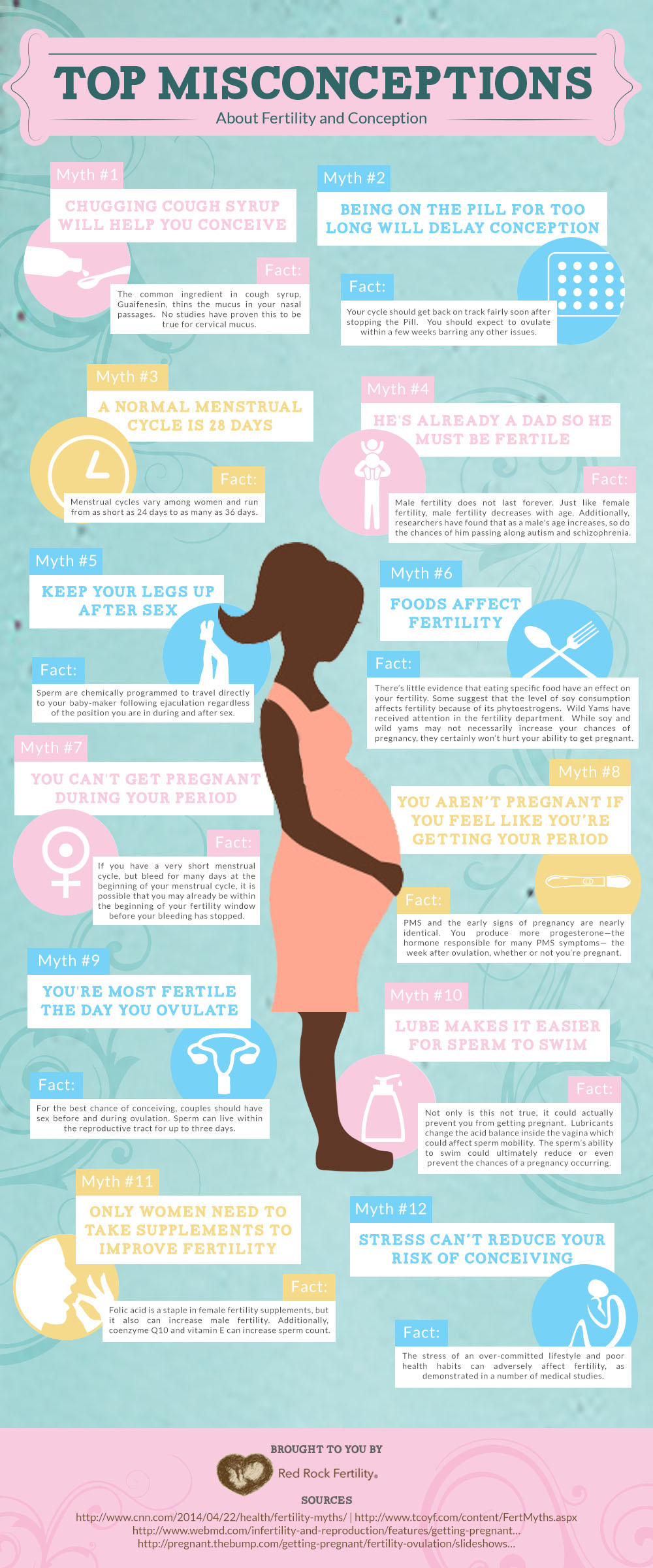
According to the study, more than three-quarters (76%) of American adults, including 73% of women, do not know about this monthly loss. This gap in knowledge reveals a pressing call for comprehensive public education on reproductive health. When the basic biological facts are not well understood, it’s no wonder myths and misconceptions about conception and infertility continue to spread like wildfire.
Essential Fertility Facts at a Glance
| Fertility Fact | Statistic |
|---|---|
| Loss of immature eggs post-menarche | Approx. 1,000 eggs/month |
| Awareness that infertility affects young women too | Only 64% are aware that infertility is not solely an issue for women over 35 |
| Recognition of secondary infertility issues | 73% do not know that conception after a full-term pregnancy may not be easier |
These figures illustrate just how many little twists and turns are still misunderstood by the general public. The lack of clarity can often result in decisions based on incomplete or inaccurate information—a situation that, without timely intervention, may result in delayed family planning and additional emotional burden.
Fear and Anxiety: The Silent Health Check
Another major finding of the study is the prevalence of fear among those considering fertility testing. For many Americans, the process of getting their fertility tested feels not only intimidating but also off-putting and nerve-racking. Nearly one-fifth (19%) of those who have not engaged with fertility services admit that fear is their primary barrier. This sentiment is even more pronounced in young adults aged 18-34, who are almost three times as likely as their older counterparts to feel apprehensive.
The reluctance to get tested stems from a variety of sources. Some fear the possibility of discovering an underlying problem, while others are scared by the potential for costly procedures or complex treatment paths. This hesitation is compounded by the overwhelming—and sometimes intimidating—nature of the medical system.
Nerve-Racking Aspects of Fertility Testing
- Fear of discovering infertility issues
- Concerns over surgical procedures and medications
- Anxiety about the long-term impacts of treatment
- Worries about out-of-pocket costs and insurance coverage
These points highlight that many individuals still find the prospect of fertility testing to be a significant hurdle. While the necessity of understanding one’s reproductive health is key, the process itself is often viewed as one laden with complications. The communication between patients and healthcare providers needs to be improved so that the pathway to testing and subsequent care becomes less frightening and more straightforward.
Evolving Paths to Parenthood
Despite the conflicting emotions around fertility testing, the landscape of fertility services is rapidly changing. Medical advancements are opening new doors, making assisted reproductive technologies like in vitro fertilization (IVF) more accessible and accepted than ever before. The study found that roughly one-third (34%) of Americans have either used, are using, or plan to use fertility services, and this includes 15% who are integrating or plan to integrate IVF into their journey.
Interestingly, younger adults (aged 18-44) are significantly more likely than older adults to embrace these non-traditional paths to parenthood. The data indicates that 49% of individuals in the 18-44 age group have used or are planning to use fertility services compared to 21% among those over 45. Similarly, when it comes to IVF, 24% of younger adults have incorporated it into their reproductive planning versus just 7% of those older than 45.
Key Motivators Behind the Shift
- Concerns about the impact of age on fertility
- Desire for family formation among single individuals
- Recognition of female fertility challenges
- Overcoming previous pregnancy losses
These data points underscore the evolving thinking around fertility and parenthood in America. The modern approach is about charting one’s own course—finding a path that balances personal, professional, and familial priorities. For many, fertility services represent a tool to counter the ticking clock of biological constraints, offering hope where there once might have been despair.
Benefits Versus Challenges in Fertility Services
While the promise of modern fertility treatments is exhilarating, it is not without its own set of confusing bits and complicated pieces. For those who have faced fertility challenges or utilized fertility services, the emotional and physical journey has been described as an overwhelming roller-coaster ride. Indeed, over half of those who have resorted to these services believe that, despite the nerve-wracking nature of the process, the benefits far outweigh the struggles.
Among the most commonly cited benefits are the opportunity to gain clarity about one’s reproductive potential, the emotional relief brought by expert guidance, and the renewed hope that comes from having multiple avenues to achieve parenthood. Yet, these benefits are counterbalanced by significant obstacles such as:
- Difficulty in attending frequent appointments
- Side effects from procedures or medications
- The stress of out-of-pocket expenses
- The emotional roller-coaster of starting and maintaining treatment
Despite these challenges, a remarkable 55% of Americans feel that fertility services are worth the effort, a figure that surges to 83% among those who have incorporated IVF into their journey. This trend offers an optimistic view of the shifting attitudes towards fertility and signals a readiness among the public to embrace even the intimidating aspects of modern reproductive assistance.
Overcoming Stigma and Enhancing Emotional Support
The culture of silence and stigma surrounding fertility is a particularly tangled issue. According to the research, two out of three Americans (67%) believe that open conversations about fertility struggles are crucial for dispelling negative myths and reducing stigma. However, more than 40% admit that discussing their fertility issues beyond their immediate partner remains too personal.
This reticence is fueled by societal perceptions that paint infertility as a weakness or a personal failing. As a result, many individuals feel isolated and burdened by their challenges. Indeed, more than 44% of those who have used fertility services report a lack of support during their treatment, and over half have described their journey as leaving them feeling completely alone. Such feelings underscore the need for a broader, more compassionate dialogue—one that sees fertility issues not as a source of shame but as a common human experience deserving of empathy and support.
Key Steps Toward Breaking the Stigma
Breaking down these barriers involves multiple layers of action:
- Promoting honest conversations about fertility in community settings and online forums
- Encouraging healthcare providers to discuss reproductive health and fertility options openly
- Integrating mental health support into fertility treatment protocols
- Increasing access to support groups and therapy for individuals undergoing fertility treatment
Emily Morton, a Senior Research Analyst at The Harris Poll, encapsulated the sentiment well when she stated, “While the results of this research highlight key gaps in knowledge and care, by implementing these strategies, we can help eradicate the stigma associated with infertility, creating a more informed and supportive environment for those facing these challenges. As a society, we have the power to act and ensure no one walks this path alone or uninformed.”
The Role of Healthcare Providers
Healthcare providers sit at the heart of this evolving conversation. In order to help patients find their way through the murky territory of fertility challenges, providers need to manage their way through not only the medical twists and turns but also the emotional toll that these challenges can exact. By ensuring that patients receive clear, accessible information about their reproductive options and potential challenges, medical professionals can empower individuals to make informed decisions without fear or misunderstanding.
Moreover, regular check-ins with patients to monitor both physical and mental well-being are necessary components of a holistic approach to fertility care. These efforts help demystify the process and provide reassurance—transforming a typically nerve-wracking experience into one where the emotional load is shared and managed collaboratively.
Creating a Supportive Environment for Future Generations
At its core, the ongoing conversation about fertility touches on several broader societal themes: responsibility, education, and community support. With the number of Americans who have or plan to face fertility challenges steadily rising, there is a clear call to action for communities, educators, and policymakers alike. The evolving paths to parenthood call for not only better clinical interventions but also more comprehensive advocacy and education initiatives that begin early in life.
By integrating fertility education into health curricula at schools and universities, and by ensuring that public health outreach includes discussions on reproductive health, we can begin to fill in the gaps in understanding. This doesn’t just support individuals—it builds a more informed society that is equipped to manage the confusing bits and subtle parts of fertility from a place of confidence and clarity.
Community Initiatives for Broader Awareness
Several community-based efforts are already making headway in promoting fertility awareness. These initiatives include:
- Workshops and seminars for young adults about reproductive health
- Online webinars and support forums facilitated by experienced healthcare professionals
- Partnerships between local clinics and community centers to provide accessible fertility testing and consultations
- Campaigns on social media that share real stories and factual information about fertility challenges and successes
By taking these small steps, communities can work through the challenging parts of fertility education. They help individuals take a closer look at what affects their reproductive well-being and empower them to make decisions that perhaps might have once appeared off-putting or too nerve-racking to consider.
Bridging the Gap Through Action and Policy
While personal awareness and community support are critical, significant progress in addressing America’s fertility awareness gap will also require systemic change through policy and healthcare reform. Policymakers can play an instrumental role by ensuring that fertility treatments and reproductive health services are accessible to all, regardless of socioeconomic status. This means rethinking insurance coverage models, reducing out-of-pocket costs, and funding further research into fertility issues.
Effective policy reform can help soften the impacts of some of the more intimidating aspects of fertility services. For instance, when financial barriers are minimized, more individuals can seek out the testing and treatments they need without the added stress of unaffordable expenses. Moreover, policies that mandate comprehensive patient education can ensure that subtle parts of fertility—often overlooked in routine medical practice—are thoroughly covered by healthcare providers.
Recommendations for Policymakers
- Expand insurance coverage for fertility testing and treatments
- Invest in public health initiatives focused on reproductive education
- Support programs that integrate physical care with mental health services for fertility patients
- Encourage partnerships between the healthcare industry and community organizations to spread accurate fertility information
If these recommendations are implemented, they may help more Americans make their way through the nerve-racking maze of fertility topics. With a more robust support system in place, individuals can move past the scary prospects of testing and treatment and look forward to more empowered healthcare experiences.
The Future of Fertility: Embracing Change and Overcoming Obstacles
Looking ahead, the future of fertility in America is at a critical juncture. As modern technology continues to advance and alternative reproductive methods evolve, the options available to those facing fertility challenges are expanding. However, these new possibilities will only have a meaningful impact if the public’s understanding catches up.
Adopting a proactive approach to fertility education means addressing the confusing bits and tangled issues in reproductive health head on. It requires educators, healthcare providers, policymakers, and community leaders to work together to disseminate clear, factual information and to offer robust, ongoing support for those navigating the twists and turns of parenthood planning.
Embracing Modern Fertility Innovations
Modern fertility services are not just about technology; they’re also about creating a better quality of life and providing hope for those who may have felt trapped by biological limits. Here are some recent innovations and trends that are reshaping the field:
- Advancements in IVF techniques that improve success rates while reducing side effects
- Emerging fertility preservation methods for individuals who choose to delay parenthood
- Innovative hormone treatments aimed at enhancing reproductive function
- Telemedicine services that allow remote consultations and continuous monitoring throughout treatment cycles
These trends illustrate that while the process may still seem loaded with issues, the overall trajectory is one of hope and progress. What once were nerve-wracking decisions are gradually being transformed into manageable, informed choices aided by technology and improved care standards.
Personal Stories and the Collective Journey
Perhaps one of the most powerful motivators for change is the increasing willingness of individuals to share their personal experiences with fertility challenges. Personal stories disseminated through blogs, social media, and community gatherings help demystify the complex bits of fertility and foster a sense of solidarity among those who might otherwise feel isolated.
These narratives serve as a reminder that nobody is alone in this journey. Whether it is a story about overcoming the intimidating hurdles of fertility testing or a heartfelt account of navigating the emotional roller-coaster of fertility treatments, every shared experience adds a layer of understanding and empathy. Moreover, these first-hand accounts can help inspire others to take the step toward seeking help and, ultimately, finding their own pathway to parenthood.
Conclusion: Taking the Wheel Towards a More Informed Future
The current state of fertility awareness in America is a mixed bag of significant knowledge gaps, persistent fears, and evolving medical solutions. It is clear that while the medical community has made super important strides in developing effective fertility treatments, the public’s understanding of these topics is still in need of reinforcement. Through education, community advocacy, and targeted policy changes, we can work through the tricky parts of reproductive health and empower individuals to make informed choices.
Open and honest conversations are not only key to dispelling the stigmas that have long surrounded fertility—they are necessary to foster an environment where every individual feels supported. By sharing accurate information, providing better emotional backing, and creating a more accessible healthcare experience, we pave the way for a future where fertility challenges are managed with confidence rather than fear.
As we reflect on the statistics and personal testimonies alike, it becomes increasingly evident that understanding the subtle parts of fertility is not a luxury—it is a must-have for modern society. Whether it is through advanced IVF techniques or community-driven awareness campaigns, every step we take to demystify reproductive health brings us closer to a more inclusive, informed, and supportive future.
Now is the time to take the wheel and chart a course through the twists and turns of fertility. Only by addressing these issues head on and encouraging others to do the same can we ensure that every American has the knowledge and support they need to make decisions that affect one of the most personal aspects of their lives.
Ultimately, the challenge lies not just in managing the complicated pieces of modern reproductive health, but also in creating a compassionate framework that has the power to transform lives. Let us all work together to bridge the existing gaps, overcome the nerve-wracking aspects of fertility testing, and build a future where every potential parent feels informed, empowered, and understood.
Originally Post From https://theharrispoll.com/briefs/the-fertility-gap-confronting-myths-and-cultivating-support/
Read more about this topic at
Common Myths and Misconceptions About Fertility and …
11 Common Myths About Infertility