Reimagining Male Reproductive Health in Modern Society
In recent years, the conversation about family planning has grown to include not only women but also men in a more comprehensive manner. In particular, the role of vasectomy as a safe and highly effective form of contraception has become a subject of much debate and discussion. With advances in modern medicine, innovative research, and creative outreach strategies, we are witnessing a paradigm shift where men are encouraged to take a more active and balanced role in reproductive decision-making. This opinion piece aims to offer an in-depth look at the benefits and often misunderstood aspects of vasectomy, the emerging innovations in male contraception, and the groundbreaking efforts to bring these services to even the most remote communities.
Dispelling Myths: Breaking Down Misconceptions About Vasectomy
Vasectomy is frequently misunderstood due to a range of myths and misconceived notions. Despite being one of the most straightforward contraceptive methods available, it is still burdened by misleading beliefs that can deter men from considering the procedure. This skepticism often arises from tangled issues of misinformation, cultural mythologies, and even anecdotal accounts passed down through generations.
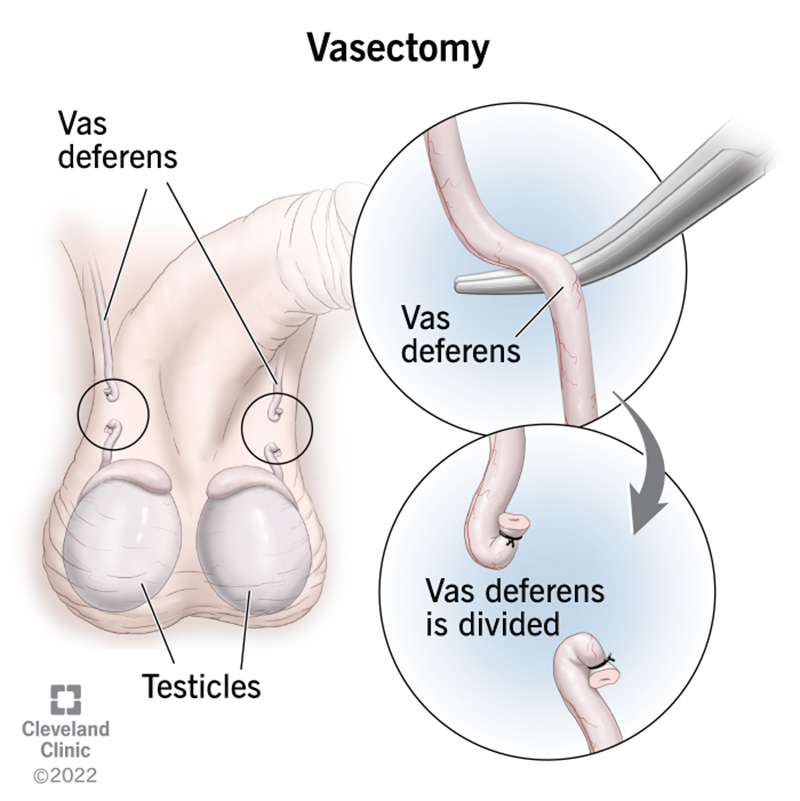
Scientific studies have consistently shown that vasectomy does not affect a man’s virility, sexual drive, or overall health. The procedure merely interrupts the pathway for sperm while leaving matters such as erection, libido, and ejaculation completely intact. In fact, the worldwide failure rate is extremely low, with evidence illustrating that it is more than 99.9% effective in preventing pregnancy.
In order to put these misconceptions to rest, it is important to separate fact from fiction. Let us take a closer look at a few of the most common myths and the truths that counter them:
- Myth: Vasectomy affects sexual performance and fertility.
Fact: It does not impact hormone levels, sexual desire, or physical performance. Men continue to experience normal sexual functions post-procedure. - Myth: The procedure is painful and lengthy.
Fact: A vasectomy typically takes 10 to 15 minutes as an outpatient surgery, usually under local anesthesia, meaning the discomfort and recovery time are minimal. - Myth: It is an irreversible decision.
Fact: Although considered permanent, reversals are possible through advanced microsurgical techniques or assisted reproductive methods like IVF, even if the processes can be tricky and come with their own challenges.
Modern Vasectomy: A Safe, Straightforward Family Planning Option
Medical experts in fields ranging from urology to reproductive health agree that vasectomy is a key method for managing unwanted pregnancies. In countries like Mexico, where public campaigns and innovative programs are pushing for broader participation by men in reproductive health, the benefits of this procedure have become clear.
Here are some of the reasons why vasectomy is increasingly seen as a practical choice:
- Quick and Efficient: The procedure is usually completed in a matter of minutes, meaning that the time commitment is very limited.
- Minimal Recovery Time: Most men are able to resume normal activities after just a short period, typically over a weekend.
- High Efficacy: With statistically negligible failure rates, vasectomy stands out as one of the most effective contraceptive methods available.
- Preservation of Sexual Function: The procedure ensures that important aspects, such as hormone levels and sexual desire, remain unaffected, preserving confidence and overall well-being.
By providing a detailed explanation of these points to the public, health authorities hope to encourage more men to consider vasectomy, ultimately leading to shared reproductive responsibilities between the genders. This approach not only reduces the burden on women but also contributes to a more balanced and informed approach to family planning.
Innovation in Male Contraception: The Future Is on the Horizon
While vasectomy remains the current gold standard for male sterilization, exciting developments in emerging contraception methods are poised to reshape reproductive health. Recent research published in highly regarded scientific journals like Nature has identified a promising on-demand male contraceptive that shows great potential in preclinical studies. This new method involves a soluble adenylyl cyclase (sAC) inhibitor that can temporarily halt sperm motility with effects observed in animal models.
If human trials confirm these early promising results, the new drug could represent the first reversible, acute-acting contraceptive option for men. Unlike the permanent nature of vasectomy, this approach would offer men the flexibility to pause and resume fertility in a controlled manner, a feature that could be particularly appealing for those who may currently view vasectomy as an intimidating commitment.
Promise of On-Demand Contraceptives
Examining this breakthrough further, several advantages become apparent:
- Temporary Action: The drug’s effects are not immediate, but once administered, normal fertility is restored after approximately 24 hours, offering flexibility without long-term consequences.
- Enhanced Gender Equity: Providing men with additional contraceptive options helps to balance the scales of reproductive responsibility that have historically fallen predominantly on women.
- Simple Administration: Like many modern medications, an oral contraceptive is considerably less invasive than surgical alternatives, making it an attractive option for many.
- Reduces Long-Term Decision Pressure: The temporary nature of the method means there is less concern about making an irreversible decision under pressured circumstances.
In light of these benefits, it is essential for future research to focus on both efficacy and safety, ensuring that the introduction of such innovative methods could eventually supplement or even replace traditional procedures like vasectomy in appropriate scenarios.
Extending Family Planning: Mobile Health Clinics and Rural Outreach
Access to reproductive health services remains a significant challenge in rural and underserved areas. In Mexico, innovative solutions like Dr. Vagón – a mobile health program operated by Fundación Grupo México – have emerged to bridge this gap. This initiative utilizes specially equipped trains to deliver a range of medical care directly to remote communities across diverse regions.
The mobile clinics are designed to provide not only primary healthcare services but also comprehensive family planning options, including vasectomy for men and IUD insertions for women. By bringing these services directly to the populations that need them, the program seeks to overcome the intimidating barriers posed by geographical isolation and limited local healthcare infrastructure.
Mobile Clinic Services and Impact
Below is a table summarizing the comprehensive services offered by the mobile clinics:
| Service Category | Description |
|---|---|
| Primary Care | General health assessments, vaccinations, and overall wellness checks. |
| Diagnostics | Onboard laboratory testing including blood work and imaging. |
| Optometry and Dental Services | Basic eye examinations and dental care to address common issues. |
| Rehabilitation Services | Physical therapy and follow-up care for a range of mobility issues. |
| Family Planning Services | Vasectomies for men, IUD insertion for women, and contraceptive counseling. |
This hands-on approach is transforming how healthcare is delivered in rural settings. By directly addressing the trickier parts of accessibility and cultural resistance, mobile programs are making it possible for a broader segment of the population to benefit from modern family planning methods. Moreover, such programs illustrate how partnerships between private entities and non-governmental organizations can make a super important impact on public health outcomes.
Shared Reproductive Responsibilities: Bridging the Gender Divide
The concept of reproductive health has long been skewed, with a disproportionate focus on women bearing the brunt of responsibility, risks, and even the emotional toll that comes with contraception. One of the most critical elements of modern family planning involves shifting this balance by encouraging men to participate more actively in decisions and actions related to contraception.
In many communities, including those in Mexico, societal expectations and cultural traditions have historically deterred men from stepping forward. However, as public awareness grows and more men learn about the safety and effectiveness of procedures such as vasectomy, there is an increasing call for balanced responsibility. The result is a more equitable approach that lessens the overall strain on women, providing a foundation that benefits both partners.
This shift is characterized by several key aspects:
- Psychological Relief: When both partners share the decision-making process, the emotional burden is distributed more evenly.
- Health and Safety: With male contraception options evolving, the risks associated with more invasive and hormone-based methods for women can be reduced.
- Increased Awareness: Campaigns that encourage the re-examination of outdated myths drive healthier conversations and better decision-making among couples.
Efforts to foster shared responsibility are essential for achieving sustainable progress in reproductive health. As debates continue over the best approaches to modern contraception, it is clear that reducing cultural stigma and encouraging dialogue between partners remains a cornerstone of effective policy and healthy family life.
Tackling Cultural Misconceptions and Stigma in Reproductive Healthcare
One of the most significant barriers to the acceptance of male sterilization techniques is the confusing bits of cultural stigma that persist across diverse societies. In many places, the idea of undergoing a vasectomy is associated with exaggerated fears and negativity, leading to a reluctance among men to embrace the procedure even when it is in their best interest.
Cultural myths and biased traditions can be particularly overwhelming, causing many to dismiss vasectomy without carefully considering its advantages. Some of the common problematic beliefs include:
- Myth of Impaired Masculinity: The unfounded notion that vasectomy negatively impacts a man’s identity as a provider or sexual partner.
- Misunderstandings About Quick Recovery: Fears that the procedure may result in long-term pain or extensive downtime, even though medical evidence supports rapid recovery.
- Perceived Permanence: Concerns over the irreversible nature of the procedure, despite the availability of advanced reversal techniques.
Addressing these misconceptions involves not only robust public education campaigns but also the sharing of personal stories and expert testimonials. Medical professionals consistently stress that the nitty-gritty details of vasectomy – from the minimal invasive technique to the quick turnaround – should dispel any nerve-racking perceptions. A clear understanding of the benefits can help men make a well-informed choice that suits their lifestyle and long-term family planning goals.
Expert Voices and Global Perspectives on Male Contraception
Prominent experts in the fields of urology and reproductive health have long advocated for the expansion of male participation in family planning. Jesús Rosas, the Head of the Urology Service at Hospital General de México “Dr. Eduardo Liceaga,” has been a vocal proponent of vasectomy as a straightforward and super important method for managing reproduction. His emphasis on the procedure’s safety, reliability, and minimal interference with sexual function has helped reshape public opinion in favor of male-driven contraception.
Likewise, voices from internationally recognized institutions such as the Fertility and Men’s Sexual Health Center at USC have reinforced these messages. Kian Asanad, the Director of the center, notes that many men experience the procedure as nearly painless and are able to return to their daily activities in a short span of time. The expert insights underscore that vasectomy is not a dramatic alteration of one’s life but rather a practical decision to share the responsibility of contraception.
In addition to traditional vasectomy procedures, global research is opening doors to new methods of male contraception that promise a more dynamic approach to family planning. The potential for on-demand therapies, like the sAC inhibitor discussed earlier, represents a delicate balance between technological innovation and the human element of decision-making in reproductive health. As we take a closer look at these promising developments, it is evident that an inclusive, informed approach is the key to overcoming persistent myths and creating a balanced view of male contraception.
Taking the Wheel: Policy, Awareness, and Future Directions
For a real transformation in family planning, collaboration between government bodies, healthcare providers, and non-governmental organizations is critical. Expanding the reach of vasectomy and emerging contraceptive options in both urban and remote areas calls for the development of public policies that make these services accessible, affordable, and widely accepted.
Some of the key policy directions that experts suggest include:
- Enhanced Public Outreach: Launching dedicated campaigns to educate the public about the real benefits of vasectomy and other male contraceptive methods.
- Integration with Broader Healthcare Systems: Integrating male reproductive health into routine primary care to ensure early diagnosis, preventive care, and comprehensive counseling.
- Strengthening Partnerships: Fostering cooperation among government agencies, private sector innovators, and community organizations to reach underserved populations.
- Scientific and Medical Research: Investing in clinical trials and longitudinal studies that assess the long-term efficacy and safety of both traditional vasectomy techniques and innovative on-demand methods.
Moreover, policy makers are urged to figure a path through the subtle details of healthcare equity by ensuring that misinformation and cultural myths are addressed head on. A strong regulatory framework, combined with community-based education, can help rebuild trust in modern contraceptive techniques and promote an integrated approach to family planning.
Future Prospects: Embracing a Balanced Approach to Reproductive Health
Looking ahead, the integration of modern vasectomy procedures with upcoming reversible contraceptive innovations represents a significant step forward in the quest for balanced reproductive responsibilities. Both men and women stand to benefit from a system where decisions about family planning are informed by robust medical evidence rather than outdated cultural narratives.
The progress witnessed in Mexico, through initiatives like Dr. Vagón and increased public education campaigns, offers a promising glimpse into what the future could hold. With more men taking the leap to engage in thorough discussions about vasectomy and other male contraception options, the landscape of reproductive health is bound to transform. In tandem with cutting-edge research and enhanced accessibility, this transformation is poised to reduce unintended pregnancies and foster a healthier, more equitable society.
As health authorities and medical experts continue to take a closer look at the various facets of male contraception, the overall narrative is gradually shifting away from fear and uncertainty. Instead, it is being replaced by a narrative of empowerment, informed choice, and shared responsibility. The challenge now is overcoming the remaining tangled issues and confusing bits of misinformation that still cloud public perception.
Conclusion: Embracing Change for a Healthier Future
The evolution of male reproductive health is a multifaceted issue that requires both sensitivity and scientific insight. As we working through the intertwined challenges of cultural misconceptions and limited access, it is super important that society embraces the numerous advances that modern medicine and innovative healthcare initiatives have to offer.
From the proven safety and effectiveness of vasectomy to the tantalizing promise of reversible, on-demand contraceptives, the future of family planning is bright. By encouraging men to take the wheel in reproductive health decisions, we can pave the way for a more balanced and equitable system—one where the responsibilities, risks, and rewards of contraception are equally shared.
In our journey towards healthier communities, the partnership between government bodies, private sectors, and grassroots movements will be key. With continued investment in public awareness and innovative research, the obstacles that have historically made family planning seem overwhelming can be overcome. Ultimately, by dismantling outdated beliefs and focusing on clear, evidence-based medical facts, men and women alike can look forward to a future where reproductive decisions are made collaboratively and confidently.
In summary, as we stand on the brink of a new era in male reproductive health, it is time to reevaluate the roles each partner plays in family planning. The time is ripe for a cultural and scientific shift that not only dispels myths but also creates an inclusive environment in which every individual can contribute to the decision-making process. Together, by embracing both traditional and emerging contraceptive technologies, we can work towards a future that is not only medically sound but also radially just for all parties involved.
Originally Post From https://mexicobusiness.news/health/news/world-vasectomy-day-doctors-urge-men-lead-family-planning
Read more about this topic at
Shared risk and shared responsibility: the ethics of male …
Shared risk and shared responsibility: the ethics of male …
