
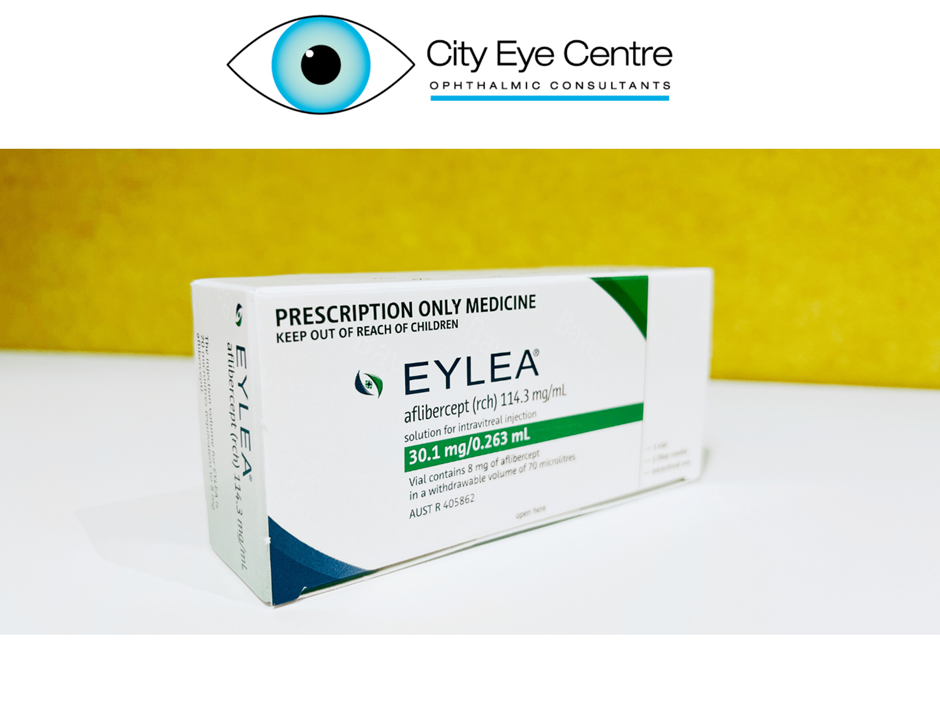
FDA Approval of EYLEA HD: A Game Changer for Retinal Vein Occlusion Treatment
The recent FDA approval of aflibercept injection 8 mg, marketed as EYLEA HD, marks a significant milestone in the treatment of macular edema following retinal vein occlusion (RVO). This approval not only expands treatment options for conditions such as wet age-related macular degeneration (wAMD), diabetic macular edema (DME), diabetic retinopathy (DR), and RVO but also delivers a new era of extended dosing intervals for patients. In this opinion editorial, we explore the importance of flexible dosing schedules, the trial results behind this therapy, and the future prospects for retinal therapeutics.
Understanding the Role of Aflibercept Injection in Modern Eye Care
Aflibercept injection has long been a key player in the retinal treatment arena, with established products offering monthly injections that many have relied on. However, the introduction of an 8-mg dose under EYLEA HD offers clinicians and patients a new approach by potentially reducing the injection burden by nearly half. For patients who have felt overwhelmed by frequent clinic visits, this new scheduling possibility addresses some of the tricky parts of managing chronic eye conditions.
The traditional treatment method involved regular, nerve-racking monthly visits, which over time could add up to a taxing regimen both physically and emotionally. With the possibility of dosing every eight weeks after an initial monthly period, patients may finally have a treatment plan that is better aligned with their lifestyle, without sacrificing the key aspect of visual acuity improvements.
Comparing Visual Acuity Improvements: A Closer Look at the QUASAR Phase 3 Trial Findings
The approval of EYLEA HD for RVO is largely based on evidence from the phase 3 QUASAR trial. This global, double-masked, active-controlled trial compared the efficacy and safety of EYLEA HD with the established EYLEA 3 mg dose. In the trial, patients in the 8-mg group received either three or five monthly doses before transitioning to an every eight-week dosing schedule, while the control group received injections every 4 weeks.
Key trial outcomes highlighted that the best-corrected visual acuity (BCVA) gains in the 8-mg groups were noninferior to those seen with the 3-mg dose. The data showed robust improvements not only in BCVA but also in the reduction of central subfield retinal thickness (CRT), which is an essential indicator of treatment effectiveness. The study’s findings were consistent across various subtypes of RVO, including branch retinal vein occlusions (BRVO) and central/hemiretinal vein occlusions (CRVO/HRVO).
Below is a table summarizing the key visual outcomes observed during the trial:
| Group | Initial Doses | BCVA Gain (Letters) | Average Injections (at Week 36) |
|---|---|---|---|
| EYLEA HD | 3 or 5 monthly doses | +17.4 to +18.3 letters | 6.1 to 6.9 |
| EYLEA 3 mg | 4-week dosing | +17.5 letters | 8.8 |
This table captures the essence of the trial, clearly indicating that with the extended eight-week therapeutic interval, patients experienced nearly identical visual gains even while receiving fewer injections. For many, these results could transform the way their treatment is perceived, turning a nerve-racking regimen into a more manageable and attractive option.
Benefits of Extended Dosing Intervals in Modern Retinal Therapy
The new dosing schedule provided by EYLEA HD aims to reduce the overall treatment burden. Here are some of the most compelling points why this extended regimen could be a breakthrough:
- Reduced Clinic Visits: Fewer injections translate to less frequent travel to specialized clinics, easing the physical and financial strain on patients.
- Improved Patient Compliance: With a schedule that is less intimidating, patients might be more willing to adhere to their treatment plan.
- Potential Quality of Life Improvements: Being able to get longer intervals between treatments could help patients better manage other aspects of their lives without constant medical reminders.
- Comparable Visual Gains: The phase 3 trial shows that extended dosing does not compromise visual acuity improvements, maintaining the effectiveness that clinicians expect.
These benefits are set against the backdrop of competing therapies that often require more frequent dosing, which can be both physically and emotionally draining. With such a regimen, physicians can now offer a tailored approach, allowing patients to get into a rhythm of therapy that suits their daily schedules.
Managing the Tricky Parts of Clinical Trials and Patient Outcomes
Every new treatment modality has its own set of tricky parts, and the transition to extended dosing is no different. While the QUASAR trial demonstrated promising results, some clinicians are keen to get into a deeper discussion on the following points:
- Long-Term Safety: As with any treatment, especially one that changes dosing intervals, long-term safety remains a critical question. Continuous monitoring and post-market surveillance will be essential to address any unforeseen complications.
- Individual Patient Variation: Not all patients respond the same way. While the overall trial data is positive, there are subtle details in how different individuals metabolize the drug and the overall treatment dynamics that need continuous observation.
- Dosing Flexibility Implementation: The real-world application of switching from a monthly to an eight-week regimen might initially be a bit intimidating for both clinicians and patients, until they find their path.
Overall, while the study’s outcomes are super important, the fine points of patient variability and long-term follow-up remain on the radar. This is why continued research and open communication between clinicians and patients are so key.
Examining the Quality Control and Manufacturing Challenges
No discussion about new treatments is complete without addressing the challenge of manufacturing and quality assurance. In the case of EYLEA HD, there have been previous issues related to the prefilled syringe option. In October, the FDA issued a complete response letter due to problems noted at the manufacturing facility in Bloomington, Indiana. These issues – such as quality control lapses and unexpected incidents like pest invasions – serve as a reminder of the complicated pieces involved in producing high-quality biologic therapies.
Despite these manufacturing setbacks, Regeneron has been proactive. The company is working closely with its partner, Catalent Indiana, to resolve these remaining issues. Moreover, plans are underway to submit an alternate manufacturing application for the prefilled syringe by January 2026. This has not only bolstered their commitment to quality but has also reaffirmed their promise to provide the best for patients and the healthcare community alike.
Reducing the Injection Burden on Patients: A Patient-Centric Perspective
One of the most appealing aspects of the new EYLEA HD regimen is its potential to significantly reduce the number of injections that patients need over time. For individuals who have been living with the intimidating frequency of monthly injections, this development is a breath of fresh air. Fewer visits to the clinic mean less disruption to everyday routines, which can be a super important factor in overall patient satisfaction and compliance.
The benefits of reduced injections extend to several aspects of patient care:
- Physical Comfort: Each injection, while generally safe, carries risks such as irritation or infection. Reducing the frequency can lessen these risks.
- Mental Well-being: Patients often experience anxiety before treatment sessions. With fewer injections, there is less stress and worry overall.
- Economic Savings: For many, the cost associated with frequent doctor visits and treatment sessions can be a significant burden. Fewer appointments translate directly into reduced out-of-pocket expenses.
This shift towards a less intrusive treatment model underscores the importance of aligning medical interventions with the daily lives of patients, ensuring that their treatment fits into their world rather than the world fitting around a grueling schedule.
Making Your Way Through the Science: How the QUASAR Trial Informs Future Treatments
The phase 3 QUASAR trial not only provided the evidence necessary for FDA approval but also offered ample food for thought regarding future treatment strategies. By demonstrating that the 8-mg dose’s visual outcomes are on par with more frequent dosing regimens, the trial encourages us all to reconsider established treatment protocols.
This trial’s design offers several learning points:
- Trial Flexibility: By examining both three-dose and five-dose initial regimens, researchers could compare outcomes directly, giving clinicians multiple options depending on how aggressively a patient’s condition needs to be managed.
- Subgroup Consistency: The fact that improvements were consistent across both BRVO and CRVO/HRVO subtypes lends credibility to the therapy, suggesting that it is broadly applicable across different retinal conditions.
- Fewer Injections, Comparable Vision Gains: The data showing fewer overall injections while maintaining critical vision improvements may pave the way for future trials to focus on optimizing patient convenience and safety concurrently.
These insights are a reminder that in the world of modern medicine, ongoing research remains key to unlocking more efficient, patient-friendly therapies. As more data emerge, healthcare providers will be better equipped to steer through treatment options that once seemed as tangled as the finest details of a challenging puzzle.
Alternative Perspectives in Retinal Therapy: Considerations and Clinical Implications
While the news about EYLEA HD is largely positive, it is essential to consider alternative views and the broader context of retinal therapy. For some experts, the introduction of extended dosing intervals raises a few questions. How will individual patient differences impact the efficacy of an eight-week regimen? Will there be a need for additional monitoring in the early stages as patients and physicians adjust to the new schedule? These are not questions meant to scare but rather topics to poke around as the industry works to build comprehensive treatment frameworks.
Some key elements of this discussion include:
- Personalized Treatment Plans: Recognizing that not all patients will respond identically to extended dosing will require a more personalized approach to treatment. Medical practitioners may need to adjust the schedule based on individual responses, balancing effective care with practical delivery.
- Reassurance Through Data: As more real-world data become available, any slight differences in patient outcomes when using extended intervals can be addressed with evidence, ensuring that clinicians have the information they need to reassure patients.
- Future Therapies: The success of EYLEA HD may pave the way for the development of similar therapies in other areas of retinal care, ultimately making the treatment landscape for retinal diseases more robust and diverse.
In essence, while the majority of evidence is positive, the dialogue surrounding a switch to extended dosing should remain open and fluid, allowing healthcare providers to sort out the small distinctions and hidden complexities that come with every major shift in clinical practice.
Expert Insights: Physician Perspectives on EYLEA HD
Regeneron’s announcement, accompanied by remarks from seasoned experts including Dr. George D. Yancopoulos, underscores the significance of this approval across the retina specialist community. Physicians who routinely treat patients with retinal vein occlusion and similar disorders appreciate the option to tailor treatment plans effectively. According to expert opinions, EYLEA HD may soon become a treatment of choice due to its ability to reduce injection frequency without compromising on safety or efficacy.
Some key points that resonated among experts include:
- Streamlined Treatment: The promise of halving the number of injections not only optimizes clinical workflow but also has the potential to improve patient adherence to treatment.
- Flexible Regimens: With an added monthly dosing option for approved indications, physicians have the freedom to adjust the treatment to meet the unique needs of each patient.
- Proactive Patient Care: Reduced treatment frequency coupled with robust visual acuity outcomes enables a more proactive approach in managing patients’ overall eye health, potentially mitigating the long-term effects of retinal diseases.
These insights provide a balanced view, encouraging practitioners to poke around the options at their disposal while remaining open to adjustments based on the patient’s evolving response to treatment. This level of flexibility is critical, especially when dealing with conditions that can be as intimidating as they are unpredictable.
Looking Ahead: Future Directions in Retinal Disease Management
As we look to the future, the introduction of therapies like EYLEA HD signals a broader shift in the way we approach chronic retinal diseases. There is increasing recognition that treatments must not only focus on clinical efficacy but also on the patient experience—a balance that is essential for long-term disease management.
Future treatment paradigms may include:
- Expanded Dosing Options: Clinical practice might soon embrace even more flexible dosing regimens that allow physicians to adapt in real time to individual patient needs.
- Enhanced Monitoring Techniques: Technological advances in imaging and diagnostic tools will help clinicians get into the nitty-gritty of treatment outcomes, ensuring any subtle differences are quickly identified and managed.
- Collaborative Care Models: With multiple specialists now involved in the care of retinal diseases, multidisciplinary strategies could further improve outcomes by addressing the physical, mental, and economic aspects of treatment.
- Broader Therapeutic Options: The success of extended dosing regimens may encourage pharmaceutical companies to revisit other timely treatments, potentially leading to a wave of innovative therapies in ophthalmology.
In this evolving landscape, it is essential for clinicians, researchers, and patients alike to work through the fine points of managing care. By maintaining an open dialogue, the healthcare community can better figure a path that ensures safety, efficacy, and an improved quality of life for everyone dealing with retinal diseases.
Addressing the Patient Experience: A Shift Toward Personalized Treatment Plans
The growing focus on patient-centric care in retinal therapies highlights the need to address both physical treatment aspects and the emotional toll that ongoing therapy can have. For many patients, the idea of frequent injections is off-putting and emotionally draining. By introducing longer intervals between treatments, EYLEA HD provides an opportunity for patients to regain a sense of normalcy in their routine healthcare.
When considering personalized treatment plans, the following factors come into play:
- Patient Lifestyle: Treatment regimens must be adapted to fit a patient’s daily life, allowing them to pursue work, family, and leisure without continuous disruptions due to treatment schedules.
- Emotional and Psychological Support: Alongside the physical benefits of reduced injection frequency, the emotional relief from fewer hospital visits can be crucial in maintaining overall mental health.
- Reliable Clinical Data: Ongoing clinical research helps reassure both patients and their families that the new dosing regimen is supported by robust data, making the transition less nerve-racking.
These points underscore the importance of building a comprehensive approach where clinical effectiveness and patient well-being are intertwined. As doctors dig into treatment options and share patient experiences, a community of care is formed that is resilient, empathetic, and forward-thinking.
The Road Ahead: Balancing Innovation with Caution
While the promising results associated with EYLEA HD are cause for celebration, it is equally important to acknowledge that any new treatment pathway comes with its own set of tangled issues. Mindful oversight and ongoing research are necessary to ensure that extended dosing protocols continue to deliver on their promise without compromising patient safety.
In the current phase of innovation, clinicians and industry leaders are faced with several key challenges:
- Ongoing Post-Market Surveillance: Even after FDA approval, continuous monitoring of patients is crucial to detect any long-term side effects or rare complications that might only emerge in broader, real-world use.
- Adapting to Individual Responses: While clinical data provide a promising picture overall, physicians must remain vigilant to the small distinctions in how different patients respond to the treatment, adjusting the regimen as necessary.
- Ensuring Manufacturing Integrity: The reminder of manufacturing challenges underscores the need for strict quality controls. Companies must work tirelessly to resolve any lingering production issues so that the therapy maintains its safety and efficacy standards.
By finding your way through these challenges with both caution and optimism, the field of retinal therapeutics can continue to push the boundaries of what is possible, heralding a future where treatment is as patient-friendly as it is clinically sound.
Conclusion: A Step Toward a More Patient-Friendly Future in Retinal Care
The FDA approval of EYLEA HD injection 8 mg for the treatment of macular edema following retinal vein occlusion heralds a new chapter in retinal care. With evidence from the phase 3 QUASAR trial supporting its efficacy and safety, this new treatment offers not only comparable visual acuity improvements but also the promise of fewer injections over time—a change that could significantly enhance patients’ quality of life.
While there remain some nerve-racking aspects in transitioning to extended dosing, the overall benefits—ranging from reduced clinical visits to improved emotional well-being—are hard to overlook. As both clinicians and patients begin to figure a path through this evolving treatment landscape, it is clear that therapies like EYLEA HD pave the way for a future where personalized and patient-centric retinal care is within reach.
Ultimately, the success of EYLEA HD reaffirms that with careful research, open dialogue, and a commitment to addressing the difficult twists and turns of clinical practice, the healthcare community can continue to deliver therapies that are not only effective but also tailored to the needs of those who rely on them most.
The conversation about best practices in treatment, quality control, and patient support remains ongoing. As new data emerge and further studies are conducted, both providers and patients will benefit from the insights gathered along the way. It is an exciting era in ophthalmology—one where advancements are molding a healthcare environment that is as responsive as it is innovative.
In the end, the journey toward improved retinal care is a collective effort, balancing innovative breakthroughs with hands-on patient care. With therapies like EYLEA HD leading the charge, the future of retinal disease management looks bright, promising a less intimidating and more manageable road ahead for those affected by these challenging conditions.
Originally Post From https://www.ophthalmologytimes.com/view/regeneron-s-eylea-hd-injection-8-mg-approved-by-fda-for-the-treatment-of-macular-edema-following-rvo
Read more about this topic at
EYLEA HD® (aflibercept) Injection 8 mg Approved by FDA …
Regeneron’s EYLEA HD injection 8 mg approved by FDA …