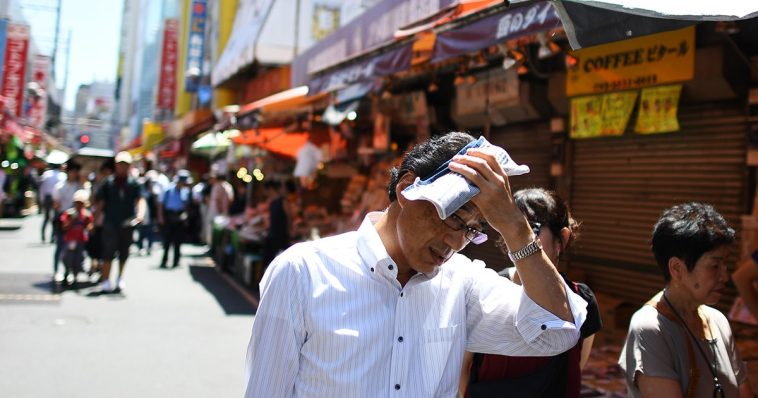

Japan’s Record-Breaking Heat: A Wake-Up Call for Change
Japan has just experienced its hottest July on record, with temperatures soaring well above the historical average. The Japanese Meteorological Agency recently reported that the nation’s average monthly temperature in July was nearly 3°C above the 1991–2020 benchmark, culminating in an all-time record of 41.2°C in the Hyogo region. These figures not only signal another extreme summer but also highlight the growing challenges that climate change brings, leaving communities facing intimidating and nerve-racking heatwaves with no clear respite in sight.
Climate change is no distant threat—it is here, and in Japan, it is manifesting in the form of prolonged heat and an early end to the much-needed rainy season. As the northern and western regions brace for severe heat in August, experts and local authorities urge residents to follow heatstroke alerts and manage water resources with extra caution. The situation demands that we examine both the immediate and long-term effects of these rising temperatures on public health, urban infrastructure, and the environment as a whole.
Understanding Japan’s Meteorological Shifts
Japan’s current heatwave is not a standalone event; it reflects a broader pattern of drastic changes in weather. The recent reports indicate that Japan has now encountered three consecutive record-breaking Julys, which is both an opportunity and a warning for residents and policymakers alike. These recurring records raise important questions about the fine points of climate change, and why such unusual weather patterns continue to disturb the everyday lives of millions.
The Significance of Temperature Records
When we talk about temperature records, we are not merely referring to higher numbers on a thermometer. Instead, these records disturb the natural flow of life in many ways. For instance, a spike in temperature affects:
- Public Health: Increased risk of heatstroke and dehydration.
- Agriculture: Stress on crops and changes in planting cycles.
- Ecosystems: Early blooming or incomplete blooming of iconic cherry trees, which are now under stress due to insufficient cold winters.
- Urban Functioning: Rising energy demands to power cooling systems and water shortages in low-rainfall areas.
These tricky parts of the climate puzzle require us to get into both the immediate responses and future strategies to build resilient communities. As temperatures continue to climb, the health of citizens, the sustainability of food production, and even the cultural heritage linked to seasonal changes hang in the balance.
Implications for Public Health During Record-High Summers
Public health challenges multiply as temperatures soar to intimidating levels. The current heatwave in Japan, like similar ones across the globe, has significant health repercussions that extend far beyond mere discomfort. Many people are finding themselves at the mercy of these nerve-racking conditions, with an increased risk of heat-related ailments such as heatstroke, dehydration, and chronic cardiovascular stress.
Risks and Preventative Measures
Let’s break down the key health risks associated with these extreme conditions and the measures recommended by authorities:
- Heatstroke and Dehydration: Continuous exposure to high temperatures can cause the body to overheat. Drinking water, using cooling methods, and wearing lightweight clothing become as essential as ever.
- Exacerbation of Chronic Conditions: For individuals with pre-existing cardiovascular or respiratory issues, extreme heat can trigger a worsening of symptoms.
- Vulnerable Populations: The elderly and children are especially susceptible due to their less efficient temperature regulation abilities.
Public health officials advise that residents always keep a close watch on local temperature forecasts and adhere to heatstroke warnings. Staying indoors during peak heat hours, using fans or air conditioning, and ensuring adequate hydration are critical steps to help manage one’s health during these overwhelming climate conditions.
Urban Infrastructure and the Impact of Prolonged Heat
As the mercury continues to rise, the urban infrastructure in cities like Tokyo, Osaka, and others in western and northern Japan is being put under significant stress. The sudden and sustained heat waves can cause issues such as power outages, strained water supplies, and an overwhelming burden on public transportation—as commuters seek refuge from the blazing roads.
Coping with Urban Challenges
The interplay between extreme heat and urban infrastructure involves several subtle parts that city planners and administrators need to address. Here are some of the key challenges and potential strategies:
| Challenge | Potential Strategy |
|---|---|
| Increased Energy Demand | Invest in renewable energy sources and improve building insulation to reduce dependency on air conditioning. |
| Water Scarcity | Develop efficient water management systems and encourage community-level water conservation practices. |
| Heat Island Effect | Introduce more green spaces, reflective building materials, and innovative urban cooling technologies. |
| Public Transportation Strain | Upgrade transit infrastructures with climate-resilient designs and install cooling systems at major hubs. |
Each of these measures, while promising, involves some complicated pieces that experts and local authorities must work through to create sustainable urban environments. The task of upgrading existing infrastructures is both nerve-racking and essential for the long-run resilience of these metropolitan areas.
Water Management in an Era of Early Rainy Seasons
One of the more confusing bits in this ongoing climate change debate is the shifting pattern of rainfall in Japan. While the country has experienced less rainfall in the north and west, the rainy season has unexpectedly ended three weeks earlier in some regions. This pattern leaves residents grappling with water scarcity just as they require ample hydration to combat the extreme heat.
Challenges in Water Conservation
Water is a must-have resource in times of extreme heat. The early termination of the rainy season, combined with a drier northern and western Japan, has raised concerns among water resource managers. The implications include:
- Reduced Groundwater Recharge: Less rainfall means lower replenishment of groundwater reserves, affecting both agriculture and municipal water supplies.
- Increased Drought Likelihood: Water levels in reservoirs and rivers may fall dangerously low, risking water shortages during prolonged heatwaves.
- Impacts on Biodiversity: Aquatic ecosystems and wildlife that depend on steady water supplies are under threat.
Authorities are advising communities to be extra mindful of their water usage. The government’s messaging, through local press releases and public information campaigns, underscores the importance of conserving water, especially in areas with lower than average precipitation. These strategies, though sometimes challenging to implement, are key to ensuring that every drop is used wisely during these critical times.
Lessons from Japan’s Cherry Blossoms: A Symbol of Climate Shift
For generations, Japan’s cherry blossoms have been a celebrated seasonal symbol, heralding the arrival of spring. However, the recent changes in weather have had a profound impact on this cultural icon. Experts have observed that the cherry trees are blooming earlier than usual or, in some cases, not blooming completely due to warmer winter temperatures that fail to trigger the natural flowering cycle fully.
The Cultural and Environmental Significance
The story of the cherry blossoms is filled with nuanced details that touch on both cultural identity and environmental health:
- Cultural Heritage: The cherry blossoms are a central motif in Japanese art, literature, and festivals. Their erratic bloom pattern not only alters a cherished tradition but also affects tourism and community celebrations.
- Ecosystem Health: The blooming of these trees is an essential marker for predicting seasonal shifts. Early or incomplete blooming indicates potential downstream effects on local biodiversity and agriculture.
- Public Awareness: Changes in such a visible and celebrated natural phenomenon can serve as a wake-up call, pushing for urgent climate action.
This season, the cherry blossom narrative takes on new meaning. It serves as a delicate reminder that the very landscape which millions hold dear is at risk. The subtle parts of the discussion—ranging from the challenges posed by warmer winters to the overall impact on natural cycles—invite us to figure a path forward that honors tradition while adapting to the realities of our new climate.
Policy Implications: Steering Through a Changing Climate
The unprecedented heat in Japan is a stark reminder that policy changes are super important for managing and mitigating the impacts of extreme weather. Policymakers are now under pressure to design strategies that address not just the immediate woes of heatwaves and water scarcity but also the longer-term structural changes in the climate. This requires a multi-layered approach that considers both the straightforward solutions and the more twisted issues.
Key Areas for Policy Focus
As governments reckon with these challenges, here are some of the key areas where policy development is crucial:
- Climate-Resilient Infrastructure: Investing in modern infrastructure capable of withstanding extreme temperatures, ensuring water conservation, and reducing urban heat islands.
- Renewable Energy Transition: Moving away from fossil fuels toward clean and efficient renewable energy sources can reduce greenhouse gas emissions over time.
- Public Health Preparedness: Establishing clear, actionable guidelines for healthcare systems to manage the surge in heat-related illnesses.
- Community Engagement: Involving local communities in decision-making can help tailor solutions that work for diverse urban and rural settings.
- Research and Development: Encouraging innovation in climate science and technology can provide new ways to adapt to and mitigate the effects of global warming.
These policy directions, though seemingly straightforward, come with their own set of confusing bits. Each area demands a balance between speed of implementation and careful consideration of all the tangled issues involved. In some cases, political inertia and economic constraints make decisions nerve-racking. Nonetheless, the urgency of the situation requires decisive actions supported by scientific research and public consensus.
The Role of Technology in Managing Heatwaves
Technology plays an essential role in moderating the impacts of extreme weather conditions. From advanced meteorological data systems to innovative cooling solutions in urban construction, technology has the potential to ease some of the overwhelming burdens caused by record-high temperatures. By capitalizing on modern developments, officials and citizens alike can better prepare for and manage future heatwaves.
Emerging Tech Solutions for a Hotter World
Below are some promising tech-driven strategies that are being explored to counter the effects of extreme heat:
- Smart Cooling Technology: Innovations in building materials and insulation can help regulate indoor temperatures naturally, reducing dependency on air conditioning.
- Real-Time Weather Analytics: Enhanced forecasting tools allow for precise predictions and timely issuance of heat warnings, giving communities a head start on protective measures.
- Water Conservation Systems: IoT-connected devices can monitor water usage in real-time, leading to more efficient management and reduced waste.
- Green Urban Planning: The adoption of green roofs, urban forestry projects, and other eco-friendly modifications help reduce the urban heat island effect.
Each of these technological approaches involves some tricky parts and requires careful implementation. However, when integrated effectively, they promise to make a tangible difference in the face of climate-related challenges. Achieving a balance between technological advancement and traditional practices is key to managing the rapidly changing environmental landscape.
Community Response and Local Action
While government initiatives and technological advancements form a significant part of the solution, the role of local communities in adapting to a changing climate is equally critical. Grassroots movements across Japan are already taking steps that could serve as models for climate resilience throughout the region and beyond.
Local Strategies to Combat Extreme Heat
Communities are adopting several innovative approaches to manage the rising temperatures and associated challenges:
- Neighborhood Cooling Centers: Establishing community centers where residents can take refuge during the hottest parts of the day helps mitigate the health risks associated with prolonged heat exposure.
- Water Conservation Drives: Local groups are spreading awareness about smart water use and initiating neighborhood-level water recycling projects.
- Urban Green Initiatives: Residents are participating in tree planting drives, rooftop garden projects, and installing community green spaces to help cool urban areas naturally.
- Heat Awareness Campaigns: Informative campaigns that use local media and social networks are educating the public about the signs of heatstroke, the importance of staying hydrated, and other critical health tips.
These community-based solutions are examples of how individuals can work together to figure a path through some of the messy bits of climate adaptation. Local resilience is not just about coping with current conditions—it is about laying the groundwork for a more sustainable and healthy future.
The Economic Impact of Extreme Heat
Beyond the immediate health and infrastructural concerns, there is also a significant economic dimension to extreme heat. Industries ranging from agriculture to tourism are confronting the direct and indirect costs of unprecedented high temperatures.
Analyzing the Economic Consequences
The economic repercussions of a hotter climate can be extensive and multi-dimensional. Here are some of the key areas affected:
- Agriculture: Crops stressed by high temperatures and reduced water availability face lower yields, impacting food production and prices.
- Tourism: Iconic attractions such as cherry blossom festivals may see decreased visitor numbers if seasonal patterns shift drastically, affecting local economies.
- Workplace Productivity: In industries where outdoor labor is a critical component, extreme heat reduces productivity and increases health-related downtime.
- Energy Costs: The surge in demand for cooling fuels higher energy consumption, driving up costs for both households and businesses.
Managing these economic challenges involves both short-term relief measures and longer-term adaptations. Government subsidies, strategic investments in heat-mitigating infrastructure, and innovation in agricultural practices are all part of the comprehensive approach needed to tackle the economic fallout of a warming climate.
Global Perspectives: How Japan’s Experience Mirrors Worldwide Trends
Japan’s record-setting July is not an isolated incident. Across the globe, many nations are facing similar conditions, which underscores the fact that climate change is a universal issue. From Europe to North America and beyond, countries are witnessing longer and more intense heatwaves, early seasonal shifts, and unpredictable weather patterns.
Comparative Analysis of Heatwaves Worldwide
When we compare Japan’s experience with that of other nations, certain subtle details emerge that illustrate both common problems and unique differences:
| Region | Observed Trends | Notable Impacts |
|---|---|---|
| North America | Increasing frequency of heatwaves | Strain on energy grids, public health emergencies |
| Europe | Long-lasting heat events with scorching nights | Agricultural stress, heat-related mortality spikes |
| Asia (Japan as a case study) | Record-high temperatures with early-ending rainy seasons | Challenges to traditional festivals, urban heat island intensity |
This global comparison reveals that while the specifics may vary, the underlying causes share many similar twisted issues—chief among them being the human-driven acceleration of climate change. The need for coordinated international efforts and knowledge exchange has never been more apparent.
Environmental Consequences and Biodiversity Under Threat
The environment and its delicate balance are under strain as temperatures continue to rise. Japan’s heat record is a clear indicator of the broader environmental shifts occurring worldwide, where ecosystems are struggling to adapt to rapid changes.
Impacts on Flora and Fauna
Biodiversity is facing several challenges in a world where heatwaves and altered rainfall patterns are becoming the norm. Some of the key concerns include:
- Habitat Disruption: Many species are forced to move or adapt rapidly, sometimes with fatal consequences.
- Plant Phenology Changes: The timing of events like flowering and fruiting is shifting, which can disrupt food chains.
- Increased Wildfire Risk: Dry conditions coupled with high temperatures elevate the risk of wildfires, affecting both human and wildlife habitats.
Protecting biodiversity in such a tense environment requires a concerted effort from governments, conservation organizations, and communities alike. The adoption of sustainable practices and an emphasis on environmental education form the crux of the solution to these environmental puzzles.
Taking Action: What Can Be Done?
With these overwhelming climate signals, both local and national stakeholders must roll up their sleeves and work together to manage the way through this era of extreme heat. While the challenges may seem intimidating and the twists and turns in policymaking nerve-racking, there are actionable steps that can be taken.
Immediate and Long-Term Strategies
Individuals, communities, and governments alike must consider a mix of short-term relief and long-term strategies. Below is a summary of actionable steps:
- Increase Public Awareness: Empower communities with information about heat safety, water management, and emergency preparedness.
- Invest in Green Infrastructure: Enhance urban spaces with trees, green roofs, and reflective surfaces to reduce heat buildup.
- Enhance Early Warning Systems: Utilize advanced meteorological technologies to provide timely weather updates and heat alerts to the public.
- Adopt Energy-Efficient Systems: Encourage the transition to renewable energy and efficient cooling systems which can help reduce energy consumption during peak heat periods.
- Promote Water Conservation: Implement policies and public campaigns that emphasize the importance of preserving water resources.
- Strengthen Public Health Measures: Develop comprehensive emergency response plans that focus on preventing and treating heat-related illnesses.
The combination of these strategies, if implemented cohesively, can help buffer the negative impacts of extreme heat and foster a more climate-resilient society. Each step, though confronting its own set of complicated pieces, forms part of a larger narrative centered on adaptation and survival.
Reflecting on the Human Factor in Climate Change
At the heart of this global challenge is a simple truth: human actions are at the core of these dramatic climatic shifts. Japan’s record-setting heat is a stark reminder of what happens when the boundaries of natural systems are stretched to their limits by our emission-driven lifestyles.
Personal Responsibility and Collective Action
The fine shades of responsibility extend across all levels of society—from individual choices to massive industrial operations. There are several ways in which personal actions can contribute to a broader culture of sustainability:
- Reducing Carbon Footprint: Opt for public transportation, use energy-efficient appliances, and embrace renewable energy solutions at home.
- Supporting Sustainable Practices: Purchase local and sustainably produced goods to help reduce the environmental impact of large-scale manufacturing.
- Engaging in Community Initiatives: Participate in local environmental groups, tree planting events, and water conservation projects.
- Advocating for Change: Support policies and leaders who prioritize environmental protection and climate resilience initiatives.
This collective approach is essential because, while individual contributions might appear as small, they add up to a significant force. Working together and finding your way through these intertwined issues can slowly lead to a reduction in overall greenhouse gas emissions and build a more sustainable future.
Charting a Path Forward Amid Uncertain Times
Japan’s current climatic crisis is a window into the future—a future where extreme weather events may become the norm rather than the exception. Yet, this moment also offers an invaluable opportunity to rethink our relationship with nature and to forge pathways that integrate environmental stewardship into every facet of modern living.
Building Resilience for Future Generations
Creating a sustainable future demands both immediate actions and long-term commitments. Consider these key elements for building resilience:
- Education and Outreach: Foster an understanding of climate impacts across all age groups, ensuring that future generations are equipped to deal with coming challenges.
- Innovative Urban Design: Redesign cities with a focus on sustainability, incorporating green spaces, energy-efficient buildings, and resilient transportation systems.
- Global Cooperation: Work with international partners to share research, technology, and best practices in combating climate change.
- Investment in Science: Support climate research initiatives that deepen our knowledge of weather patterns and lead to more accurate forecasting and robust adaptation strategies.
The task of working through these tangled issues may seem overwhelming now, but every small step taken by a local community, no matter how nerve-racking it might appear in the moment, contributes to a larger, more lasting impact. Resilience is not built overnight—it is crafted through sustained efforts across all sectors of society.
Conclusion: Embracing Change in the Face of Extreme Heat
Japan’s record heat is a compelling call to action. It challenges us to look beyond immediate discomfort and see the broader picture—a world where rising temperatures, altered weather patterns, and environmental degradation affect every aspect of daily life. The discussion around these events is laden with both short-term trials and long-term opportunities for adaptation.
From rethinking urban infrastructure and water management to supporting green technologies and sustainable living practices, the changes required are many and varied. While navigating these tricky parts can be confusing and sometimes even intimidating, it is clear that a multifaceted approach is necessary—one that balances individual actions with collective, policy-driven change.
Ultimately, the story of Japan’s scorching July underscores the critical need for all sectors of society to get into the dialogue about climate change, to take proactive measures, and to pave a more sustainable path forward. This call for change is not only about mitigating extreme weather conditions but also about preserving the cultural, economic, and environmental fabrics that define our lives.
As we take a closer look at these events, let us remain mindful that the actions we take today serve as the foundation for tomorrow. The path ahead is loaded with challenges and subtle details that require every effort—from personal responsibility to global cooperation. Now is the time to come together, support one another, and forge a future in which our response to extreme heat and climate change is as resilient as it is compassionate.
Originally Post From https://www.abs-cbn.com/news/health-science/2025/8/3/japan-braces-for-more-heat-after-hottest-july-on-record-0812
Read more about this topic at
Extreme Heat Persists in the Southeast on Tuesday
Map Shows 11 States Facing Extreme Record Heat