Multimodal Imaging: A Game-Changer in Modern Wound Care
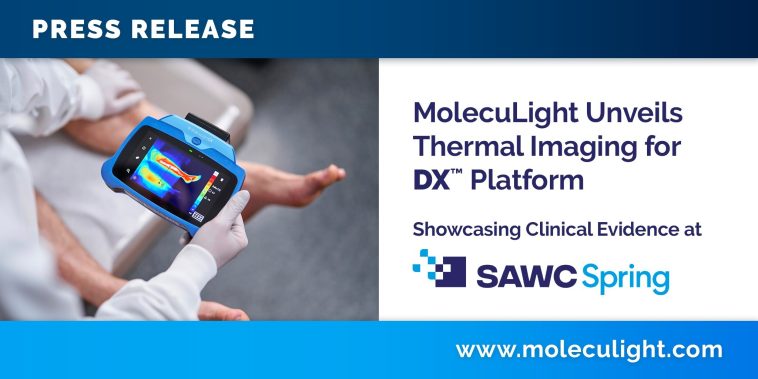
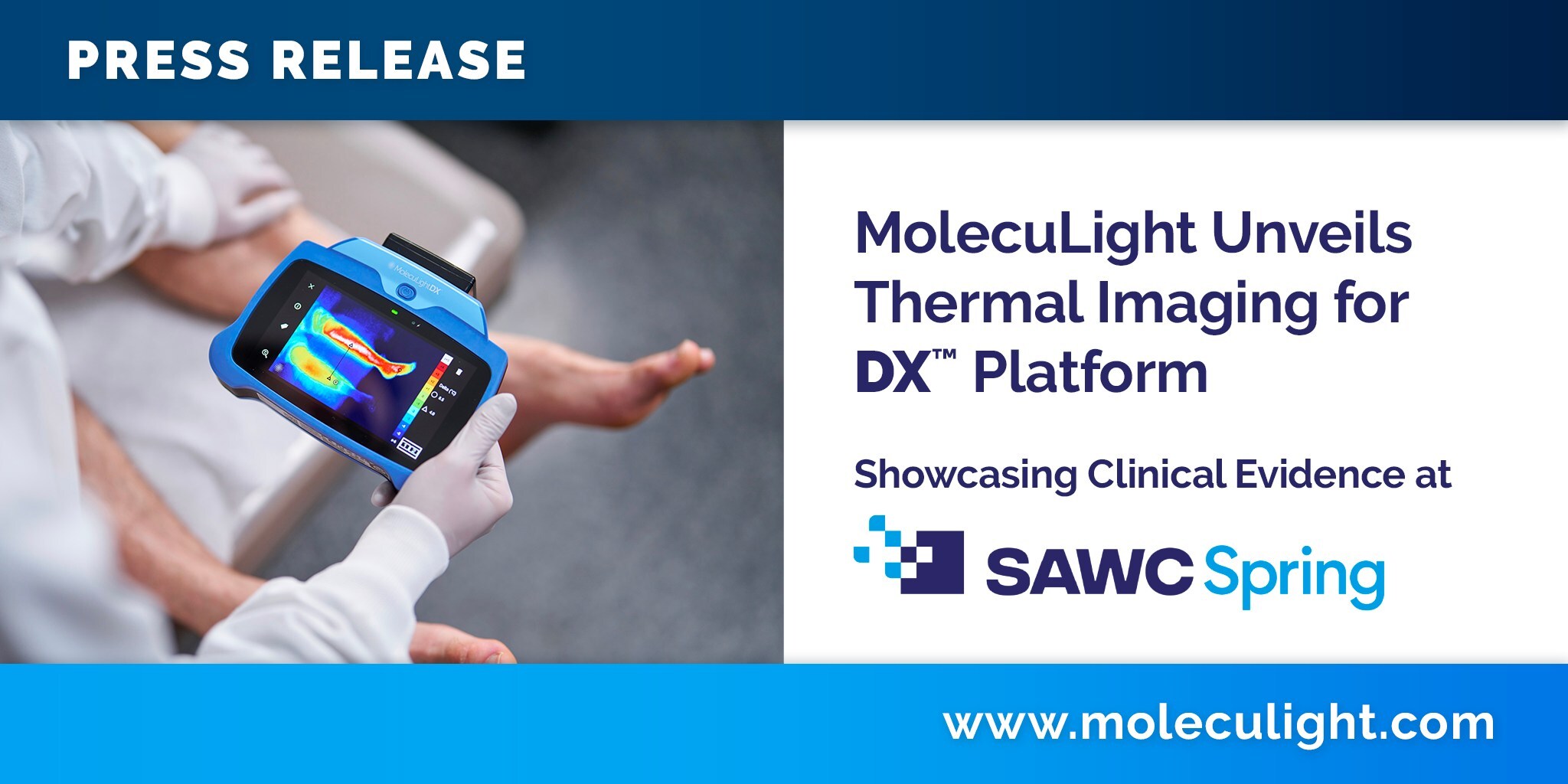
In today’s ever-evolving healthcare world, technologies that blend real-time imaging with traditional diagnostic methods are emerging as essential tools in the clinical toolbox. Recently showcased at a major wound and vascular symposium, the innovative MolecuLight DX™ platform has captured the attention of clinicians and industry experts alike. This advanced system, featuring both fluorescence and thermal imaging, promises to offer more comprehensive insights into wound conditions, helping healthcare professionals make more precise and targeted treatment decisions.
As we get into the heart of this breakthrough, the discussion naturally spans modern medicine’s innovative techniques alongside alternative approaches and nutritional insights. The dialogue around wound care is layered with tricky parts and hidden complexities, and innovations like the MolecuLight platform are making it easier to find your way through these tough issues.
Real-Time Fluorescence and Thermal Imaging: Unpacking the Technology
Advanced imaging systems represent the fusion of modern technological progress with clinical practice. The MolecuLight DX™ system stands out because it integrates fluorescence imaging, which reveals the presence of bacteria, with a newly introduced thermal imaging capability that monitors skin temperature changes:
- Fluorescence Imaging: This method allows clinicians to see bacterial presence on wounds in real time, making it easier to detect areas that might be full of problems.
- Thermal Imaging: By capturing the skin’s temperature changes, this technique offers critical clues to subtle inflammation or infection locations, allowing medical professionals to steer through the tricky parts of wound evaluation.
These imaging methods simplify the process of understanding the fine points that are often hidden in traditional wound assessments. Instead of relying only on a visual inspection, clinicians can now dig into the nitty-gritty details, ensuring that even the smallest signs of infection are not overlooked.
Clinical settings are laden with tangled issues, and the integration of thermal capabilities with fluorescence imaging provides a more detailed look at the wound environment. While this technology may seem intimidating at first, many see its potential as a super important tool that not only enhances diagnostic accuracy but also reinforces the need for a thorough and multidimensional approach in modern wound care.
Clinical Benefits: Enhancing Patient Outcomes Through Comprehensive Imaging
One of the most discussed aspects of this technology is its multifaceted benefits in clinical practice. The use of MolecuLight DX™ offers a number of advantages:
- Objective Information Delivery: By providing real-time feedback on bacterial load, wound measurements, and temperature fluctuations, the platform minimizes the need to rely solely on subjective clinical judgment.
- Improved Treatment Precision: Access to clear, detailed images helps clinicians pinpoint problematic areas and tailor treatments to each individual’s needs.
- Enhanced Wound Monitoring: Continuous assessment of wound conditions ensures timely intervention, reducing the risk of complications and speeding up the overall healing process.
- Integration with Alternative Therapies: Combining this technology with nutritional strategies and alternative treatments can optimize recovery paths and create a more holistic approach to health.
In a field loaded with issues, the MolecuLight system is not simply a high-tech gadget. It represents a shift in the traditional wound care paradigm toward a more nuanced, evidence-based strategy. By offering key details in a format that is easy for clinicians to interpret, technology like this reinforces the importance of an integrated approach to care that bridges modern medicine and supportive practices such as nutrition and alternative therapy.
Understanding the Hidden Complexities in Wound Measurement
Effective wound management rarely comes without its share of tricky parts. The hidden complexities of wound measurement often include:
- Identifying Bacterial Hotspots: Traditional methods sometimes miss small pockets of infection. Fluorescence imaging is particularly adept at revealing these hidden bacterial zones.
- Temperature Variability: Without a real-time thermal imaging component, shifts in skin temperature can be easily overlooked. These shifts may indicate the early stages of infection.
- Size and Depth Challenges: Measurements of wound dimensions can be inconsistent if based on manual assessments alone. The integrated imaging platform helps to standardize these measurements for reliable tracking.
In this regard, the MolecuLight DX™ system offers a way to get around traditional barriers. Instead of the nerve-racking guesswork often associated with wound measurements, this technology provides concrete data that clinicians can use to figure a path toward better outcomes. Although these improved methods are new and might seem overwhelming at first, the long-term benefit is a more accurate picture of the wound environment and informed decision-making in treatment planning.
Integrating Alternative Approaches and Nutritional Insights in Wound Healing
The conversation about wound care does not stop at impressive imaging technologies. Many experts in both traditional and alternative medicine agree that nutrition and complementary therapies play a super important role in the healing process. When you combine modern imaging with holistic treatment models, you create a system where each aspect of recovery is managed with care and precision.
Some of the supportive measures include:
- Nutritional Support: Proper nutrients are key to tissue repair. Vitamins, minerals, and proteins contribute to the repair processes that advanced imaging methods help monitor.
- Alternative Therapies: Therapies such as hyperbaric oxygen treatment or even certain herbal preparations can complement targeted medical interventions, reinforcing the healing process.
- Patient Education: Empowering patients with the knowledge of how to preserve and care for their wounds through diet and lifestyle changes can significantly accelerate recovery.
Integrating these approaches is not always straightforward. There are many little twists and subtle details that clinicians and patients must consider. However, by taking a closer look at how nutritional factors contribute to wound healing—especially when paired with clear, real-time diagnostics—the potential for improved patient outcomes becomes increasingly evident.
Embracing New Technologies in a Traditional Healthcare System
The healthcare system has always had its share of tangled issues when it comes to adopting new technologies. Despite these twists and turns, progressive imaging technologies like MolecuLight DX™ are beginning to reshape how healthcare providers manage wound care. Some industries have been slow to get around such changes, partly because the new methods might appear intimidating or overwhelming at first.
A few points to consider when integrating these technologies include:
| Challenge | Solution |
|---|---|
| Billable and cost concerns | Data-driven evidence of efficiency and improved outcomes support the case for technology adoption. |
| Staff training on new equipment | Clear, step-by-step guides and hands-on workshops help clinicians get around the learning curve. |
| Integration with existing systems | Modular hardware solutions and user-friendly software interfaces assist in the seamless merging with current workflows. |
Such tables and bullet lists underscore the advantage of clarifying the fine points of the issue; they also serve to remind stakeholders that while modern imaging systems introduce some nerve-racking complexities, these are outweighed by their potential to transform patient care in meaningful ways.
Advances in Medical Imaging: The Subtle Details That Make a Difference
No technological advancement is free from its own set of challenging bits. When we take a closer look at the MolecuLight DX™ system, several key benefits come into focus:
- Enhanced Accuracy: The dual-mode imagery minimizes the chance of missing bacterial presence, which is a common tricky part in traditional assessments.
- Speed and Efficiency: Real-time data output lets clinicians make immediate decisions about the course of treatment, reducing the waiting period that often feels intimidating in critical care scenarios.
- Patient Safety: Detailed imaging decreases the likelihood of unforeseen complications by providing a clear picture of the wound environment.
- Cost-Effectiveness: Although the upfront investment may seem overwhelming, long-term savings are realized by preventing costly complications and reducing the need for repeated interventions.
This collection of benefits illustrates that even in a system riddled with small distinctions and subtle details, technology ultimately paves the way toward improved quality of care. For clinicians, the ability to monitor wounds from both a fluorescence and thermal perspective is a key advantage that reinforces the integration of evidence-based and holistic treatment plans.
Patient Empowerment: Transforming the Diagnostic Process
The rise of advanced imaging techniques in wound care has not only benefited clinicians but has also empowered patients to take a more active role in their treatment. When a patient is presented with clearer, real-time images of their wound, the opaque and intimidating nature of chronic wounds becomes less overwhelming.
Empowered patients often experience several benefits:
- Better Understanding: When patients can visually see the progress of their healing, they have a stronger grasp of what activities or treatment adjustments can help improve their condition.
- Improved Communication: Visual data facilitates more effective discussions between patients and healthcare providers, ensuring that treatment plans are clearly understood.
- Increased Trust: The transparency of advanced diagnostic tools fosters a deeper trust in the medical process, reassuring patients that every effort is being made to treat the underlying issues.
- Self-Monitoring: In some cases, patients may be given digital access to parts of their imaging data, encouraging them to take a more educated role in managing their health.
This patient-centric approach is a welcome stride in an arena that has traditionally been full of problems. By shifting part of the responsibility for wound care to the patient and providing them with clear, understandable data, clinicians make it easier for individuals to work alongside medical teams toward faster recovery.
The Role of Training and Education in Embracing Modern Imaging
Adopting new technology in any healthcare institution can sometimes feel like a nerve-racking challenge. However, robust training and educational programs are available to help doctors, nurses, and technicians get around these issues with confidence. Here are some practical steps institutions can take:
- Hands-On Workshops: Allowing staff to get into the nitty-gritty of the technology through interactive sessions helps demystify the process.
- Step-by-Step Guides: Detailed manuals and video tutorials can help demystify the small twists and fine shades associated with new imaging technologies.
- Peer-Support Programs: Mentorship and peer-to-peer training sessions encourage the sharing of experiences and troubleshooting tips, ensuring that the intimidating parts of technology adoption become more manageable over time.
- Regular Updates and Refresher Courses: As the technology evolves, continuous education is key in helping healthcare providers remain abreast of improvements and additional functionalities.
Training programs not only help clinicians figure a path for well-informed usage of these innovative tools but also help build the kind of confidence that is super important for making informed decisions in a fast-paced healthcare environment.
Broad Implications: Shaping the Future of Healthcare Diagnostics
Looking ahead, the integration of advanced imaging systems such as MolecuLight DX™ is poised to have far-reaching implications for the broader medical landscape. Here are a few ways these developments might shape the future:
- Expanded Use in Other Medical Fields: While the current focus is on wound care, similar imaging techniques could be adapted for other areas, such as detecting infections or monitoring tissue viability in post-surgical recovery.
- Increased Use of Artificial Intelligence (AI): Merging these imaging techniques with AI can help extract subtle details from large sets of data, guiding treatment decisions with even greater precision.
- Holistic Diagnostic Platforms: Future systems might integrate multiple diagnostic modalities—from imaging to biochemical markers—providing a comprehensive profile of patient health. This interdisciplinary approach promises to be a must-have in creating tailored and effective treatment strategies.
- Personalized Medicine: With more precise data at their fingertips, clinicians can customize treatment plans as per a patient’s specific wound profile, which includes not only modern diagnostic information but also insights from nutritional assessments and alternative therapies.
By embracing these emerging trends, the healthcare community is set to improve patient outcomes significantly. While these advances come with their own set of tricky issues, the enhanced clarity and detail they provide are undeniable advantages. They represent a brave step toward a future where medical care is not only faster and more accurate but also deeply personalized.
Working Through the Challenges: Finding Your Path in a High-Tech Era
Even as advanced medical imaging offers considerable promise, healthcare providers must also figure a path through a maze of challenges. Among these are:
- Integration with Legacy Systems: Many healthcare facilities rely on older systems that may not be fully compatible with the latest imaging technology. Updating these systems can be a complicated piece that requires careful planning.
- Cost Concerns: Investing in advanced technology often involves upfront expenses that can feel overwhelming for smaller clinics. However, the potential long-term benefits, including reduced complications and shorter hospital stays, often justify these costs.
- User Adoption: As with any new tool, convincing all stakeholders—especially those who may be uncomfortable with rapid change—to embrace these new approaches may demand strategic educational initiatives.
- Privacy and Data Security: As diagnostic technologies become more digital, patient information must be protected fiercely. Establishing robust data security measures is absolutely essential in preserving patient trust.
Addressing these issues requires a collaborative approach where hospital administrators, clinicians, IT professionals, and policymakers contribute to finding well-rounded, effective solutions. Open communication and a willingness to get into the fine points of the challenges can make the transition less intimidating and more successful overall.
Implications for Medical Research and Development
The data generated from advanced imaging systems like MolecuLight DX™ is not only beneficial for immediate clinical application—it also holds promise for future research. With access to detailed, real-time images of wound conditions, researchers can:
- Analyze Treatment Efficacy: By comparing pre- and post-treatment images, investigators can objectively evaluate which interventions yield the best outcomes, thereby addressing some of the most confusing bits of wound management.
- Develop New Therapeutic Strategies: The detailed metrics provided by advanced imaging help in the creation of innovative treatments that work in tandem with both modern medical practices and alternative therapies.
- Improve Predictive Models: Real-time imaging data can feed into AI-driven algorithms aimed at predicting wound healing trajectories, which might one day revolutionize how clinicians assess risk and tailor interventions.
- Facilitate Clinical Trials: The ease of monitoring subtle temperature changes and bacterial presence makes it simpler for trials to be conducted with a high degree of accuracy, generating data that can lead to the next generation of wound care innovations.
In this way, advanced imaging technology does more than just enhance current care—it paves the way for a deeper understanding of how wounds heal and how patient outcomes can be improved. In the long run, the data and insights obtained may also inform policy decisions and funding allocations, bridging the gap between clinical practice and health administration.
Real-World Impact: Stories from the Frontlines of Wound Care
Behind every piece of technology lies a human story. Many clinicians report that after incorporating advanced imaging into their assessment routines, their approach to wound care has transformed significantly. Some of the real-world impacts include:
- Early Detection Saves Lives: When bacterial hotspots are identified early through fluorescence imaging, critical treatment adjustments can be made before the infection worsens.
- Improved Patient Morale: Clear visuals of wound progress boost patient confidence in the treatment plan, which can be especially encouraging during long recovery periods.
- Streamlined Communication: With objective images in hand, discussions between healthcare providers and patients become simpler and more collaborative, making it easier to agree on next steps.
- Enhanced Multidisciplinary Collaboration: Teams that include wound care specialists, nutritionists, and alternative medicine practitioners find it easier to align their strategies when they share a common, visual language based on imaging data.
These testimonials highlight that while the adoption of new technologies can involve some intimidating challenges, the benefits for both patients and clinicians make the effort worthwhile. It is a classic example of how modern tools, when used effectively, can bridge the gap between high-tech diagnostics and compassionate, patient-centric care.
Reflections on the Future: A Call for Continued Innovation
Looking back at the current state of wound care and diagnostic imaging, it is clear that technologies like MolecuLight DX™ represent only the beginning. The future of healthcare diagnostics appears poised to benefit from even more innovative systems that will further integrate data from various sources to provide an even more complete picture of patient health.
As research continues and more sophisticated systems are developed, several future trends may emerge:
- Multidisciplinary Integration: We can expect to see deeper integration among imaging data, laboratory results, and even wearable health technologies, creating seamless diagnostic networks.
- Patient-Centric Platforms: Future innovations will likely offer patients more control over their own health data, making it easier for them to monitor progress and communicate effectively with their care teams.
- Cost-Effective Solutions: As technology advances and becomes more widely adopted, the cost of these systems is likely to decrease, encouraging even smaller clinics to adopt advanced diagnostic tools.
- Global Impact: Enhanced imaging technology could dramatically improve wound care in regions that are currently underserved, providing a level of diagnostic clarity that was once the exclusive domain of high-resource settings.
To fully realize these promising developments, continued collaboration between industry innovators, medical educators, and clinicians is essential. Everyone has a role to play in making sure that technology not only remains an adjunct to care but becomes an integrated part of a patient’s treatment journey.
Conclusion: A Balanced Look at the High-Tech Revolution in Wound Care
The shift toward advanced diagnostic tools in wound care embodies the promise and challenges of modern healthcare innovation. While the journey is full of tricky parts and intimidating moments, the benefits of integrating multimodal imaging systems like MolecuLight DX™ are undeniable. By combining real-time fluorescence and thermal imaging, clinicians receive super important, objective information that helps to steer through the tangled issues of traditional wound assessment.
The integration of these modern technologies with alternative and nutritional approaches underscores a growing commitment to holistic care—one that recognizes the need for both precision in diagnostics and empathy in treatment. As we figure a path through these innovative tools, it remains critical to educate clinicians, empower patients, and continually work to refine the processes that reduce the nerve-racking uncertainties of wound care.
This is not merely a technological shift but a broader change in the way healthcare is delivered. It is a movement that promises a future where the science of medicine marries the art of healing, ensuring that every patient receives care that is not only scientifically sound but also deeply compassionate.
By embracing the strengths and addressing the challenges associated with these advanced imaging systems, the healthcare community is paving the way for transformative changes across the board. It is our hope that as more data becomes available and new improvements are integrated, each fine point and subtle detail in wound care will be met with effective, timely, and personalized treatment strategies—a future where no wound is left unassisted, and every twist and turn in the healing process is met with informed, decisive action.
Ultimately, while the road to widespread adoption of these advanced imaging platforms may be full of tangled issues and nerve-racking moments, the progress we are witnessing promises a more adaptive and responsive healthcare system. One where every clinician can confidently get around the confusing bits of wound care by relying on innovative technologies that truly make a difference.
Read more about this topic at
The Future of Thermal Imaging: Trends and Innovations in …
FOTRIC | Advanced Infrared Thermal and Acoustic Imaging …