
An Opinion on the Looming Funding Cuts for Reproductive Healthcare Access
The healthcare world is facing a series of tough decisions as voices grow louder about the potential loss of essential reproductive healthcare services. In Maine, where community needs are at the forefront, a recent virtual press conference has ignited serious debate over state and federal budget cuts. Advocates, including leading reproductive care providers, are cautioning that if these cuts are finalized, many patients will find it increasingly difficult to access needed services. This opinion piece aims to explore the many tricky parts of the situation, the subtle details of how funding restrictions can affect care, and what it may mean for the future of family planning services.
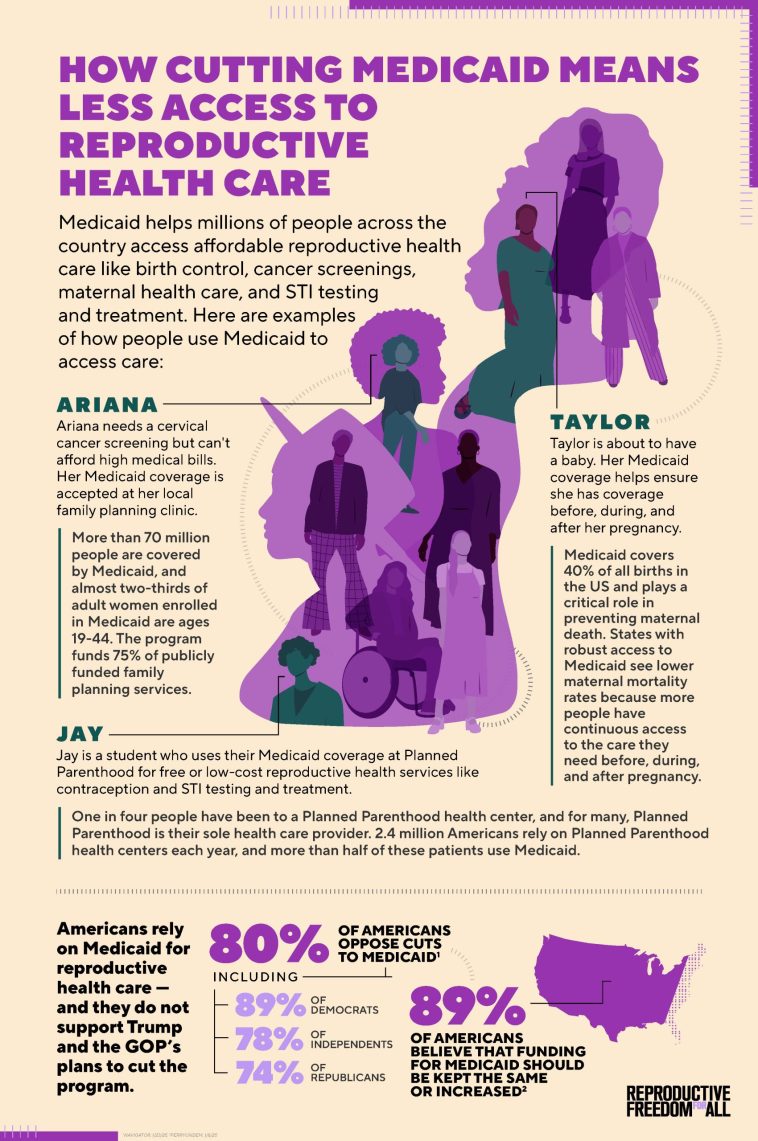
At the heart of the discussion are concerns regarding proposed changes to Medicaid funding and additional state and federal budget modifications. If implemented as proposed, these measures will be more than just a financial hiccup—they could impose serious barriers, especially for lower-income individuals who rely on publicly funded medical services. The debates are loaded with tension between political forces and community health needs, making the public conversation both intense and emotionally charged.
Understanding the Current Funding Climate for Reproductive Care
Understanding this issue requires that we dig into the finer details of how public funds are allocated for reproductive care services. Stakeholders in Maine, including Planned Parenthood of Northern New England, have warned that these funding cuts extend beyond the controversial discussions around abortion—they have the potential to impact many other family planning services that many community members depend on daily.
Critical administrators in the reproductive health sector have pointed out that the proposed funding adjustments do not merely affect one area of care. They could result in fewer available appointments, reduced educational outreach, and overall diminished access to safe and affordable healthcare options. As one patient advocate shared her own experiences, the worry is that no one should have to go through a pregnancy without having completely informed access to the care a doctor recommends.
These voices emphasize that if changes to the federal budget and Medicaid are enacted, nearly 30% of patients insured by Medicaid could lose access to necessary services provided by key healthcare organizations. Such a scenario is not just an administrative challenge—it is a human issue that poses significant risks for affected communities, particularly in regions where healthcare infrastructures are already strained.
Exploring How Medicaid Cuts Affect Rural Patients in Maine
The rural landscape of Maine already presents a unique set of challenges when it comes to accessing reproductive care. Many communities are geographically isolated, and the availability of specialized healthcare facilities is limited. With the added potential reduction in funding from Medicaid, residents in these areas could face overwhelming obstacles to receiving the care they need.
One key concern is that these budget cuts might force some healthcare providers to scale back services. Rural clinics, which often operate with limited staff and resources, could be especially hard hit. The reduction in federal support means that each dollar saved by cutting programs could ripple through the system, leaving fewer options for comprehensive reproductive health care.
For patients in isolated areas, finding an alternative provider might involve long hours of travel, additional financial burdens, and navigating a maze of confusing reimbursement policies and twisted administrative procedures. For many, this is not a viable option, and the potential for diminished care serves as a stark reminder of the real human cost behind political budget proposals.
The Impact on Family Planning Services in Maine
The discussion is not solely about abortion services—although that remains a significant focal point—but is also deeply tied to broader family planning resources. Healthcare providers emphasize that the potential reductions in funding could lead to a general downturn in the availability of preventative and educational services. This is especially worrying given the rising trends in unintended pregnancies and the overall need for comprehensive sexual health education.
Family planning services work to provide counsel and support that empower communities to make informed decisions about their reproductive lives. These services include:
- Preventative care programs and screenings
- Sexual health education and counseling
- Contraception access and management
- Psychological and social support related to reproductive choices
As funding cuts loom, each of these service areas risks being compromised. For families striving to plan their future in a stable and informed way, any reduction in care could have long-lasting consequences. The tricky parts of steering through a simplified budget often ignore these wider impacts, leaving a trail of challenges for both individual patients and communities as a whole.
Federal and State Politics: The Twists and Turns in Policy-Making
The current debate over reproductive healthcare funding is weighted down by a series of political maneuverings between state and federal authorities. In the recent press conference, key voices from Planned Parenthood of Northern New England and Maine Family Planning stressed that policymakers are effectively squeezing healthcare providers from both ends. With one side demanding deep cuts and stricter rules, the result is a highly charged atmosphere that is both intimidating and risky for the future of care.
Critics argue that these funding decisions are not made in isolation. Instead, they emerge from a broad political landscape filled with nerve-racking negotiations and off-putting constraints that lead to confusing bits in policy-making. While the intention behind some fiscal strategies is to reduce government spending, the unintended consequence might be a dramatic drop in service quality.
The current scenario illustrates a tension that is full of problems and loaded with issues. It underlines how closely intertwined healthcare and politics have become, with every policy decision having a ripple effect. In this atmosphere, even the subtle details—such as the eligibility criteria for Medicaid—can have a disproportionate impact on patient care.
Drawing a Comprehensive Picture of the “Back Door Abortion Ban”
Another focus of the debate is what some advocates, like those at Planned Parenthood, have called a “back door abortion ban.” This term refers to the restrictive measures embedded within Medicaid and other federal funding rules that could limit access to medically necessary services, not just those commonly associated with abortion debates.
In essence, this concept implies that specific policies may indirectly prevent patients from accessing certain reproductive healthcare services by imposing regulations that disqualify providers or patients based solely on the type of care they offer. For example, if a provider is associated with abortion services—even if those services are only a part of a broader spectrum of care—then that provider might face restrictions or reduced funding.
This indirect method of limiting reproductive health services is a tangled issue that many patients might never understand until it hits close to home. It is the kind of subtle detail that can create additional barriers and result in fewer available options for patients who, in an ideal system, deserve free and easy access to quality care. For many, the fear is that this approach creates an environment where doctors, activists, and patients alike have to figure a path through an already daunting bureaucratic maze.
Challenges and Concerns Among Healthcare Advocates
Among those out in the field, there is a palpable feeling that the current funding proposals are steering healthcare into a precarious future. Healthcare advocates and staff at organizations like Planned Parenthood and Maine Family Planning have noted several key issues that are causing growing alarm:
- Access to Preventative Services: With a budget squeeze, it becomes increasingly challenging to maintain routine screenings, follow-up appointments, and other supervisory care—services that are essential for keeping communities healthy.
- Patient Safety and Trust: When healthcare providers are forced to make difficult choices due to funding cuts, patient safety can sometimes take a back seat. This undermines the trust that patients have in the system.
- Workforce Strain: Reduced funding often leads to layoffs or fewer hours for specialized staff, which in turn affects the quality of care provided and increases burnout among the remaining professionals.
- Long-Term Community Impact: The overall deterrent for seeking care may lead to a rise in preventable complications, which can burden local hospitals and emergency services in the long run.
These points serve as a reminder that behind every policy discussion and fiscal debate are real lives—with real people facing the overbearing challenge of navigating a healthcare system increasingly burdened by bureaucratic red tape and insufficient funds.
Lessons from Past Budget Reforms in Healthcare
This is not the first time that policymakers have wrestled with the fine points of healthcare funding. Historically, shifts in state and federal budgets have often left healthcare organizations exposed to unexpected cuts, resulting in reduced service availability. In previous years, when similar budget reforms were implemented, many healthcare providers encountered significant operational hurdles—the small distinctions in funding formulas that many ignored at first eventually led to noticeable declines in service quality.
Examining past reforms helps us to see the following common patterns:
| Area of Impact | Observed Consequences |
|---|---|
| Preventative Services | Reduction in routine health screenings, fewer preventive consultations |
| Workforce Stability | Layoffs, increased workload, and higher levels of burnout among staff |
| Community Health Metrics | Increase in unscreened conditions and preventable complications |
| Patient Satisfaction | Diminished trust and satisfaction, leading to hesitancy in seeking care |
The lessons learned from these past iterations are both sobering and instructive. They reveal that even seemingly small twists and turns in funding allocations can have far-reaching consequences. For reproductive healthcare providers, maintaining full funding is not simply an ideal—it is a super important necessity to ensure that communities continue to receive the care they depend upon.
Community Perspectives: Personal Stories and Patient Voices
Beyond the numbers and policy debates, the human experiences forming the backbone of this issue can be particularly eye-opening. One patient advocate from Vassalboro recounted her own medically necessary abortion—a service that she described as critical for her health and well-being. Her poignant reminder that “no one should be required to go through a pregnancy” without proper guidance and care epitomizes the core of the struggle against funding cuts.
These personal stories cannot be dismissed as isolated anecdotes. They serve to highlight the nerve-racking reality that many individuals face when their health decisions are put in jeopardy by shifting fiscal policies. Patients who have relied on reproductive care services trust that their healthcare providers will continue to be available without external interference or arbitrary restrictions. When that trust is eroded by funding cuts, it creates an environment of uncertainty that can be hard to overcome.
Moreover, these discussions stress the importance of ensuring that everyone, regardless of their financial status or geographical location, can make informed reproductive choices. A system that limits access to necessary care is one that inherently disenfranchises those who are already on the margins of the healthcare system.
Economic Implications of Reduced Funding in Healthcare
The potential reduction in reproductive healthcare funding also poses significant economic challenges. When key healthcare services begin to decline, communities can face spiral effects that extend beyond individual health outcomes. For instance, communities might experience:
- Increased Emergency Room Visits: With reduced access to routine and preventative care, more patients might end up in emergency departments, where care is often more costly and less specialized.
- Long-Term Health Complications: Conditions that might have been managed early on can progress to more serious, expensive-to-treat complications, placing an additional financial strain on the healthcare system.
- Workforce Loss and Economic Instability: A decline in healthcare services can also lead to job losses—not only among healthcare professionals but also in ancillary services that support these institutions.
When policymakers and budget analysts consider the expected savings from funding cuts, they may overlook these wider economic consequences. The initial dollar savings can be easily offset by longer-term costs incurred through preventable health issues, which not only affect the patients but also burden state and federal healthcare budgets even further down the line.
This economic ripple effect reinforces the notion that funding cuts might be more than just a fiscal adjustment—they are a change that can have extensive local impacts, affecting the quality of life and economic well-being of entire communities.
Alternative Approaches to Safeguarding Reproductive Health Services
In light of the tension and challenges described, many healthcare advocates are calling for innovative and alternate methods of guaranteeing access to reproductive care. These strategies could include partnering with other community health organizations, exploring public-private collaborations, and diversifying the funding streams that support these important services.
Some proposals under discussion include:
- Local Fundraising Initiatives: Building community-based funding pools that can keep essential services afloat in times of reduced federal support.
- Enhanced Telehealth Services: Expanding virtual consultations and support networks can help reach patients in remote areas and provide a stopgap when in-person visits are limited.
- Policy Advocacy and Coalition Building: Working closely with local government representatives and community groups to educate policymakers about the real-life effects of funding cuts.
- Diversification of Service Offerings: Exploring additional revenue streams through educational programs, workshops, and community health fairs to offset some budget shortfalls.
Each of these strategies offers a way to take control of the situation, helping communities not only to react to upcoming challenges but also to proactively reinforce the infrastructure that sustains reproductive health care. While these measures are not a cure-all, they emphasize the importance of finding your way around funding challenges rather than being completely controlled by top-down budget cuts.
The Role of Policy, Public Opinion, and Community Engagement in Shaping the Future
One of the most interesting aspects of this debate is how it highlights the interplay between policy, public sentiment, and direct community engagement. As healthcare providers and advocates continue to work through these issues, it becomes clear that meaningful change relies on a blend of academic insight, practical solutions, and robust participation by the public.
Community engagement efforts can include:
- Town Hall Meetings: These provide platforms where residents can voice their concerns and learn about the implications of funding cuts.
- Educational Workshops: Initiatives aimed at explaining the fine points of healthcare funding in everyday language, making it easier for nonexperts to understand the potential effects.
- Online Campaigns: Using social media and digital platforms to share patient stories, statistical evidence, and advocacy tips.
- Partnerships with Local Businesses: Encouraging local enterprises to support or sponsor healthcare programs to maintain service levels during times of reduced state funding.
These methods are not just about preserving existing services—they are reflections of a broader movement in healthcare to prioritize patient welfare over stringent budget restrictions. When communities come together to support their healthcare providers, they are better positioned to manage your way through these tricky parts of policy and practice.
The Fine Points of Federal Budget Negotiations and Their Implications for Public Health
It is also essential to reflect on the broader context that shapes this debate. Federal budget negotiations are a constant tug-of-war between competing priorities. While fiscal responsibility is undoubtedly important, it must be balanced against the super important need to maintain accessible, comprehensive healthcare services.
The fine points of these negotiations often have hidden complexities that many in the public sphere find overwhelming. Some of these include:
- Determining which services are categorized as non-essential versus those that are critical for community well-being.
- Managing the balancing act between cost-saving measures and the long-term health implications of reduced care.
- Overcoming political inertia that can sometimes sideline pressing healthcare needs in favor of other budgetary goals.
This balancing act is further complicated by the fact that budget decisions are frequently influenced by factors that are as political as they are economic. With both federal and state players involved—and with differing agendas—it is a nerve-racking environment that calls for incisive public oversight and active community participation.
Taking a Closer Look at the “Back Door” Restrictions
The term “back door abortion ban” has been used to describe a set of restrictions that inadvertently affect a wide range of reproductive care services. These measures represent a hidden complexity in which seemingly small shifts in policy can have knock-on effects on areas of care that are not the immediate focus of public debate.
Key aspects of these restrictions include:
- Administrative Hurdles: Additional paperwork and complicated eligibility criteria that deter both patients and providers.
- Provider Limitations: Policies that may force healthcare organizations to limit or even discontinue services that, while legally available, become financially unsustainable under new guidelines.
- Patient Uncertainty: When policies are not communicated clearly, patients may be left unsure about what services remain available, thereby deterring them from seeking care until it becomes an emergency.
The result is an environment where both healthcare providers and patients are left feeling overwhelmed by a system that is full of problems. Many of these small distinctions in policy contribute to a larger atmosphere of uncertainty—one where even the most routine healthcare decisions become loaded with worry about potential bureaucratic obstacles and reduced support networks.
Societal Implications: Why Reproductive Healthcare is a Community Matter
Reproductive healthcare extends far beyond individual patient encounters—it is fundamentally a community concern. A reduction in care availability affects not just those seeking immediate services, but also the overall health, economic stability, and well-being of entire neighborhoods. When clinics are forced to cut back on services or reduce their staff, the entire community can feel the impact.
Community-level implications include:
- Public Health Outcomes: Lower rates of preventative care can result in higher rates of chronic conditions, impacting overall community health.
- Economic Security: As more people face health complications that prevent them from working, local economies can suffer.
- Social Equity: When low-income residents are disproportionately affected, existing social inequities are only widened.
It is essential, therefore, that discussions about funding cuts are not framed solely as fiscal issues but are understood as pivotal moments that will shape the social and economic fabric of Maine for generations to come. Every policy decision and every dollar allocated has the potential to either bolster community resilience or set back public health progress—which is why many in the community are so determined to fight for continued access to reproductive care.
Moving Forward: Community-Driven Solutions and Policy Engagement
As we look to the future, there is a clear need for creative, community-driven solutions that can serve as buffers against the negative impacts of funding cuts. Advocates are urging policymakers to consider not only immediate cost savings, but also the long-term consequences of reduced healthcare access. This forward-thinking approach encompasses:
- Enhanced Community Partnerships: By aligning local government, private businesses, and nonprofit organizations, communities can pool resources and create support networks that supplement reduced federal funding.
- Investment in Telehealth: Expanding remote consultations and digital healthcare tools can help mitigate the geographical and financial barriers that many patients already face.
- Direct Community Feedback: Regular town hall meetings and public forums can help inform decision-makers about the real-life impacts of their policy choices, ensuring that community voices are authentically represented at the negotiating table.
- Policy Innovation: Encouraging lawmakers to pilot small-scale, community-focused programs that test alternative funding models can lead to more sustainable and responsive healthcare systems in the long run.
Such strategies are not just about surviving a budget cut—they are about rethinking the healthcare system to make it more robust, agile, and responsive to the diverse needs of the community. They are a reminder that when we figure a path together, we can overcome the most complicated pieces of policy and ensure that every individual has access to the care they deserve.
Conclusion: A Call for Thoughtful, Informed Healthcare Policy
The current debate over funding cuts in reproductive healthcare is not a standalone issue—it is a mirror reflecting the broader challenges facing modern healthcare systems. From the tangled issues of Medicaid restrictions to the subtle details of how community services are delivered, the stakes are high. In Maine, as in so many other places, the decision to reduce funding is about more than just number lines in a budget; it is about patient safety, community well-being, and the fundamental right to make informed reproductive choices.
The voices of those directly affected—patients, advocates, and healthcare providers alike—echo in halls of power, reminding decision-makers that the future of reproductive health services must be safeguarded through thoughtful policy and comprehensive community support. The potential cuts bring with them a series of challenges that, if left unaddressed, could lead to reductions in preventative care, increased emergency cases, and extended economic repercussions for communities that are already vulnerable.
However, there is hope in the proactive measures that communities can adopt. Whether through direct engagement in policymaking, the expansion of telehealth services, or the forging of innovative local partnerships, there exists a clear path forward. By taking a closer look at the major issues at hand—from the “back door” restrictions that cloud common reproductive services to the broader economic implications of funding cuts—communities can work toward solutions that keep healthcare accessible, transparent, and sensitive to the needs of every resident.
Ultimately, the coming months and years will reveal how policymakers balance the twin imperatives of fiscal responsibility and equitable healthcare. For those of us who believe that every woman, man, and non-binary individual deserves a fair opportunity to manage their reproductive health in a safe, supportive environment, the need for informed, community-driven action has never been more clear. It is time to ensure that the essential services many have come to rely on do not fade into the background of political negotiations.
By continuing to educate ourselves, sharing our stories, and actively participating in the democratic process, we not only defend the immediate needs of our communities—but we also build a stronger foundation for the future of healthcare. In the face of intimidating political maneuvers and nerve-racking policy shifts, let us stand together to protect the super important services that so many lives depend upon, ensuring that every individual can access comprehensive, compassionate reproductive care regardless of their circumstances.
This is not merely a debate about dollars and cents; it is a call for compassionate understanding, a reminder of our shared humanity, and an appeal to design a system that offers equitable care to all. Every policy decision, every piece of legislation, and every conversation matters as we strive to offer the safe and reliable healthcare services that are so critical to the well-being of our communities.
As we move forward, let us remain committed to finding our way through these complicated pieces of fiscal policy with both our hearts and minds open. The future of reproductive healthcare need not be determined solely by budgetary constraints—it can also be shaped by the courage, resilience, and unity of the communities that depend on it. Let this be a time of thoughtful reflection, proactive solutions, and an unwavering commitment to protecting the essential care that forms the cornerstone of healthy, vibrant communities in Maine and beyond.
Originally Post From https://www.mainepublic.org/health/2025-06-24/reproductive-care-providers-are-warning-of-reduced-health-care-access-if-funding-cuts-are-finalized
Read more about this topic at
Medicaid cuts threaten health care access in rural America
House budget reconciliation cuts threaten access to health …