Rethinking Vaginal Health: A Call for Change in Modern Medicine
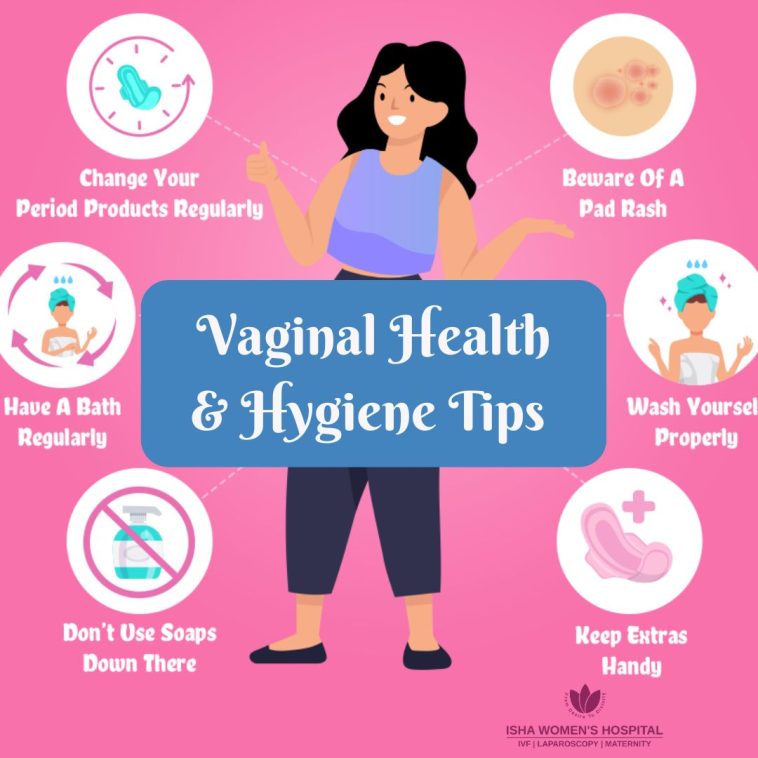
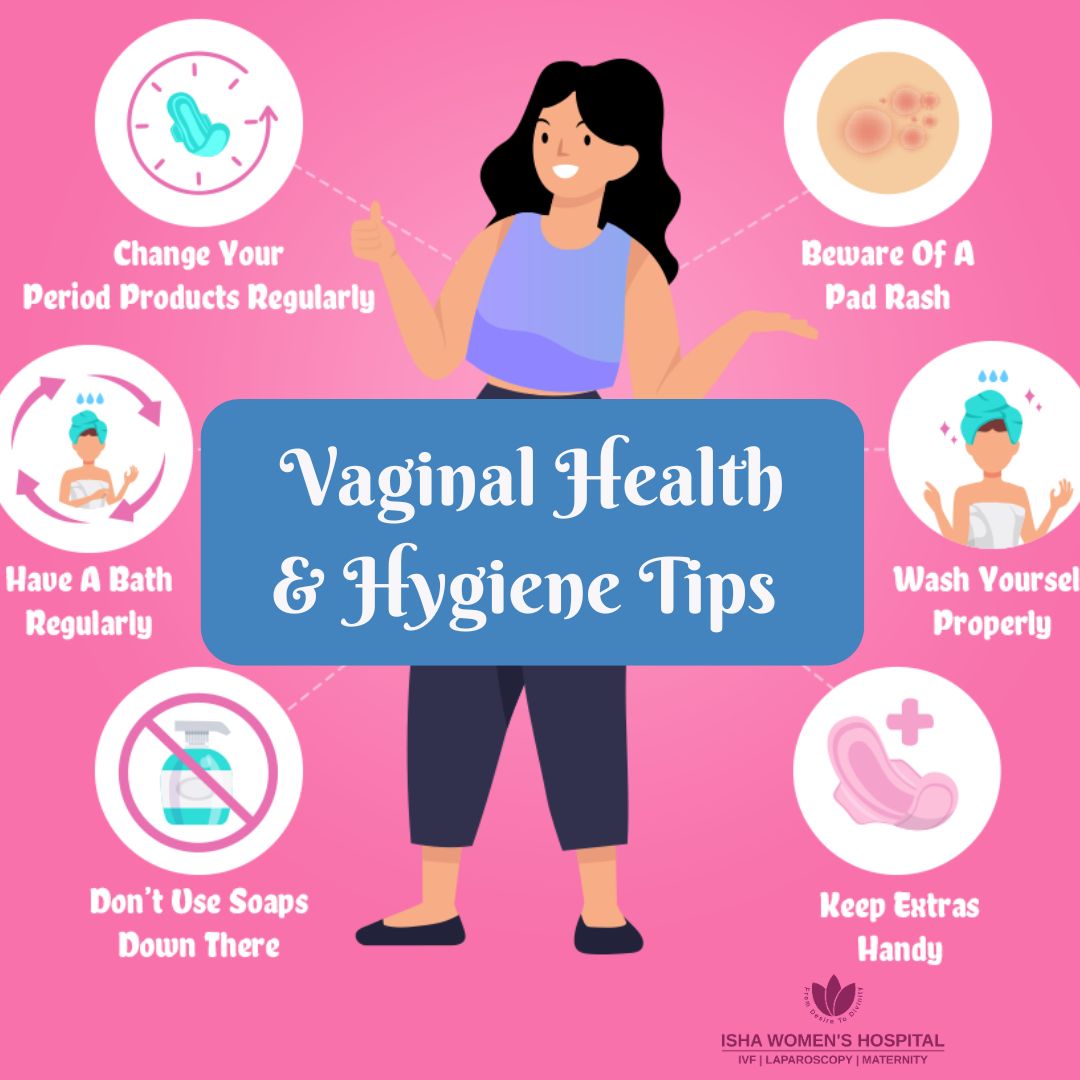
For many people with female anatomy, the journey through the healthcare system can often feel like trying to figure a path through a maze of tangled issues and confusing bits. Too frequently, when it comes to vaginal health, the answers provided are limited to hygiene tips and a round of antibiotic prescriptions. This leaves patients with lingering questions and unresolved symptoms. It is time for medicine—and society—to take vaginal health seriously by rethinking its approach from both a scientific and a holistic perspective.
In this opinion editorial, we take a closer look at the neglected world of vaginal and urinary conditions. Drawing from personal experiences and scientific research, we explore the subtle parts of the vaginal microbiome, discuss the connection with gut health, and highlight innovative approaches that could reshape women’s healthcare. By examining these issues including the tricky parts of microbiome balance and the overlapping influences from different organ systems, we need to build a more informed and compassionate healthcare system.
Understanding Vaginal Health: Exploring the Overlooked Foundations
The core of healthy vaginal function lies in the bacterial ecosystem it hosts. The vaginal microbiome—a delicate balance of bacteria—is essential for maintaining an acidic environment that wards off harmful pathogens. However, this ecosystem can be surprisingly sensitive. Products like antibiotics, while sometimes crucial, can disturb this balance, removing protective bacteria and leaving space for infections to reoccur.
This oversight is not new. Despite vaginal health being critical, modern medicine has often seen it as a peripheral concern. Patients are sometimes met with responses that fail to address the deeper, nuanced issues. Instead of offering explanations that take the full weight of the problem into account, practitioners might only suggest surface-level fixes.
Investigating the Nitty-Gritty of the Vaginal Microbiome
When we get into the nitty-gritty of vaginal health, we discover that the microbiome is not just a bystander—it plays an essential role. The ecosystem is maintained primarily by lactobacilli, which keep the pH in check. However, frequent use of antibiotics can wipe out these beneficial bacteria, creating an environment ripe for recurring urinary tract infections (UTIs), yeast infections, and bacterial vaginosis.
This situation illustrates the tricky parts of balancing immediate treatment with long-term health. It is clear that a one-size-fits-all approach, such as repetitive antibiotic use, can lead to off-putting consequences. Instead, a more personalized and integrative approach might be more effective—one that protects the delicate bacterial community while addressing the infection.
Personal Anecdote: When Healthcare Feels Overwhelming
Many people have experienced the discouraging cycle of visiting multiple clinics and specialists, only to leave with more questions than answers. I, too, have felt that frustration—dashing from urgent care to emergency rooms in search of a solution for recurrent UTIs. Over time, it became apparent that the standard medical response was to treat symptoms with successive rounds of antibiotics rather than understand the underlying issues. This cycle of temporary relief and persistent recurrence highlights the need to reexamine treatment strategies.
Instead of solely focusing on short-term fixes, it is crucial to step back and consider the whole picture. How does the vaginal microbiome interact with other systems? What role does gut health play in this interplay? These are questions that modern medicine must address if it is to offer sustainable solutions.
Deep Diving into the Gut-Vaginal Connection
The interplay between gut health and vaginal health is loaded with challenges that require us to dig into the details of both systems. In recent years, research has begun to uncover that gut dysbiosis—an imbalance of gut bacteria—can have far-reaching effects, including a weakened defense against uropathogenic bacteria like E. coli. The gut, acting as a reservoir for bacteria, significantly influences the health of the vagina.
How Gut Dysbiosis Fuels Recurring Infections
When the intestinal flora is thrown off balance due to reasons ranging from diet to antibiotic overuse, the impact can be seen in seemingly unrelated areas, such as vaginal health. Recurring UTIs and bacterial vaginosis can sometimes be traced back to gut dysbiosis. The microbiomes in both regions are interlinked, sharing fine shades of influence that, when disturbed, can lead to a fragile state ripe for infection.
This perspective calls for a paradigm shift in how we treat such infections. Rather than relying on antibiotics alone—a treatment which often confounds the larger picture by altering both the gut and vaginal microbiomes—a more holistic approach should be considered. Combining targeted antibiotics with probiotics and dietary adjustments may offer a promising route towards lasting relief.
A Closer Look at the Biological Foundations of Dysbiosis
Research has shown that those who suffer from recurring UTIs often share common issues with gut dysbiosis. Studies indicate that an imbalanced gut environment fails to keep opportunistic bacteria in check. This imbalance results in a susceptibility that allows for bacterial overgrowth not only in the gut but also in the urinary tract. By identifying these subtle parts and hidden complexities, healthcare providers can develop solutions that work system-wide rather than as isolated interventions.
Consider the following bullet list that encapsulates the key factors contributing to gut dysbiosis and its impact on vaginal health:
- Dietary Choices: High sugar and processed foods can disturb gut flora.
- Antibiotic Overuse: Repeated courses can eradicate protective bacteria.
- Stress and Lifestyle Factors: Chronic stress may further disrupt gut and vaginal balance.
- Hormonal Changes: Shifts in hormone levels, particularly around reproductive events, can influence both microbiomes.
Innovative Approaches: Integrating Probiotic Solutions
Recognizing the shortcomings of standard treatments, forward-thinking companies and researchers are working to offer new solutions, particularly in the form of specialized probiotic supplements. These supplements aim to restore the microbial equilibrium in both the gut and the vagina. The approach is founded on the idea that treating the whole system, rather than just singular symptoms, is key.
How Probiotic Supplements Fit into Women’s Health
Two innovative products, for example, emerge as beacons of hope in the battle against recurring infections. Designed with scientifically-backed probiotic strains and prebiotic fibers, they are not mere band-aid solutions but sophisticated tools that work from the inside out. One product supports urinary tract health, while another focuses on promoting hormonal balance and mood regulation. Together, these products lay a comprehensive foundation for long-term well-being.
Below is a table that compares the standard antibiotic approach with a more integrated probiotic strategy:
| Aspect | Standard Antibiotic Treatment | Integrated Probiotic Approach |
|---|---|---|
| Target | Symptomatic relief | System-wide balance restoration |
| Impact on Microbiome | Often wipes out beneficial bacteria | Supports lactobacilli while inhibiting pathogens |
| Long-Term Efficacy | Frequently leads to recurring issues | Addresses underlying root causes |
| Support for Gut Health | Generally overlooked | Includes prebiotic fibers to nourish good gut bacteria |
Building a Wellness Model Grounded in Science
The establishment of companies that focus on comprehensive vaginal health marks an important step in correcting the status quo. Incorporating personal experiences and scientific experimentation, these innovators are creating products from scratch rather than relying on outdated methods or fear-driven marketing. By applying principles of biomedical engineering and microbiology, they aim to offer solutions that address both the immediate and the interconnected future challenges of women’s health.
For instance, rather than treating symptoms with a series of aggressive treatments, an integrated product may take into account hormone shifts, stress responses, and immune system health. This well-rounded strategy demonstrates that there is hope for a holistic response, one that pieces together the subtle parts of bodily health in a coherent and effective manner.
Unpacking Recurring UTIs and the Cycle of Antibiotic Dependency
The experience of recurring infections highlights how off-putting and overwhelming it can feel when treatments seem to miss the mark at every turn. The conventional cycle of prescribing multiple rounds of antibiotics for UTIs creates numerous challenges, ultimately leading to antibiotic resistance—a significant issue that has both medical and societal implications.
The Problem with a One-Dimensional Approach
When patients are repeatedly given the same types of antibiotics, they may become resistant to these medications over time. This is not only dangerous for the individual—a dictionary of worrying side effects—but also for the community, as it contributes to the broader problem of antibiotic resistance. Such a narrow focus fails to consider the rather tangled issues involved in recurring UTIs, leaving patients caught in an endless loop of treatment and relapse.
A more nuanced approach needs to be championed. Beyond the immediate prescription of antibiotics, healthcare providers need to take into account the wider picture—taking into consideration hormonal factors, stress, and the state of both gut and vaginal microbiomes. Here are some points to consider when addressing the complex cycle of repeated infections:
- Long-Term Health Strategies: Focus on restoring balance rather than merely eliminating symptoms.
- Diversified Treatment Methods: Combine modern treatments with lifestyle changes.
- Patient Education: Ensure that patients are fully informed about the causes and factors affecting their conditions.
- Research-Backed Products: Use scientifically validated supplements and interventions to help restore microbial balance.
A New Path Forward: Reimagining Treatment Protocols
The repetitive cycle of UTI treatment has reached a point where it is necessary to step back and figure a path that includes both symptomatic and root-cause therapies. For example, rebalancing the vaginal and gut microbiomes through dietary changes, stress management, and probiotic support can reduce dependence on antibiotics. This integrated approach not only tackles the immediate problem but also builds a stronger, more resilient foundation for future health.
By integrating various strategies and steering through the small distinctions that differentiate one treatment model from another, healthcare practitioners and wellness advocates can create a more patient-centered approach. This approach is super important for those who find themselves caught in the nerve-racking cycle of recurring infections.
Empowering Patients Through Education and Holistic Care
One of the key lessons from the challenges associated with vaginal health is that empowering individuals with knowledge is as critical as the innovations in treatment. Patients have the right—and need—to understand the underlying mechanisms, the subtle details of their conditions, and the wide range of available options.
Educational Gaps in Traditional Healthcare Models
Traditional healthcare often leaves the patient feeling dismissed or given superficial advice. Many individuals have reported experiences where questions about the deeper causes of their conditions are met with vague or overly simplified answers. This leaves them navigating a system that seems geared more toward treating symptoms than addressing the root causes.
To bridge this gap, healthcare professionals must foster open communication and offer detailed explanations. Key elements of effective patient education include:
- Clear Information on Microbiome Health: Detailed insights into how the vaginal and gut microbiomes operate and interact.
- Personalized Advice: Recommendations that take into account individual lifestyle factors, dietary habits, and hormone levels.
- Long-Term Health Planning: Strategies that encourage sustainable changes rather than temporary fixes.
- Transparency in Treatment Options: Honest discussions about the benefits and limitations of both conventional and alternative treatments.
Combining Conventional Medicine and Alternative Therapies
While modern medicine has made significant strides in diagnosing and treating various conditions, there is undeniable value in combining it with alternative approaches. Alternative medicine, such as targeted nutrition and stress-relief practices, can provide additional layers of support, making healthcare more holistic and less intimidating.
This dual method of treatment is especially useful when addressing conditions that involve multiple systems in the body. For example, a woman battling recurrent UTIs might benefit from:
- Conventional antibiotics (used with caution and in a targeted manner)
- Probiotic support to rebuild the gut and vaginal microbial communities
- Dietary adjustments that reduce inflammation and promote natural healing
- Stress management techniques, including mindfulness and yoga
Such a comprehensive plan is designed not only to treat the immediate infection but also to improve overall well-being, allowing patients to find their way out of the cycle of recurring health issues.
Embracing a Future of Comprehensive Women’s Healthcare
The landscape of women’s healthcare is on the cusp of transformation. Groundbreaking research and innovative products are challenging the long-held belief that vaginal health is a minor concern. With increasing evidence supporting the intricate connection between vaginal health, gut health, and overall well-being, it is crucial for the healthcare industry to adapt its approaches.
Building a New Framework for Treatment and Prevention
Advances in biomedical engineering and microbiology have provided a pathway towards more comprehensive care. Implementing preventive strategies can reduce the number of recurring infections and help women lead healthier lives. This new framework involves:
- System-Wide Assessments: Evaluating both the vaginal and gut microbiomes before deciding on treatment.
- Personalized Treatment Plans: Tailoring therapies according to individual needs and biological markers.
- Continuous Research: Investing in scientific studies to better understand the subtle parts of these interconnected systems.
- Patient-Centered Care: Empowering patients to take charge of their health through education and supportive interventions.
It is only by combining these elements that we can make meaningful progress in addressing both the immediate and long-term challenges of women’s health.
Taking the Wheel: How Patients Can Advocate for Their Health
In a healthcare system that sometimes seems to brush off the subtle details of women’s health, it is essential for patients to become advocates for themselves. When faced with confusing bits and overwhelming treatment cycles, patients should be encouraged to:
- Research and Ask Questions: Gather as much information as possible about treatment options, including the impact on both gut and vaginal microbiomes.
- Seek Integrated Care: Find healthcare practitioners who understand the value of personalized, holistic treatments.
- Engage in Open Dialogue: Share experiences and insights with their healthcare providers to help shape better care practices.
- Empower Themselves: Utilize educational resources and support networks to navigate the nerve-racking parts of managing recurrent health issues.
Each of these steps contributes to constructing a future where women no longer have to feel marginalized by a system that overlooks the depth of their healthcare needs. Instead, patients can participate in a mutually beneficial dialogue with well-informed providers who are committed to long-term wellness.
The Bigger Picture: Reimagining Health and Wellness
At the heart of these discussions is the recognition that health is more than the absence of disease—it is a state of balanced functioning where every aspect of well-being is considered. This means appreciating the fine points of how the body’s internal systems interact and acknowledging that changes in one area can have profound effects elsewhere.
Integrating both conventional and alternative therapies offers a more complete picture of health management, particularly for conditions that have been historically ignored. When patients are given the tools to restore the natural harmony of their bodies, they are not only treating symptoms—they are setting the stage for a healthier future.
Addressing the Hidden Complexities of Chronic Conditions
Chronic conditions, like recurring UTIs and hormonal imbalances, are full of problems that stem from multiple, less-than-obvious causes. Treating them requires medical professionals to dig into the fine details of the patient’s lifestyle, biological makeup, and even psychological well-being. The steps needed to address these challenges include:
- Integrating nutritional support to help repair and rebuild the microbiome.
- Implementing stress reduction techniques to ease the body’s inflammatory responses.
- Adopting microbiome-friendly medical practices that avoid unnecessary antibiotic use.
- Encouraging regular check-ups and open discussions about both mental and physical health.
By employing these strategies, healthcare providers and patients work together to untangle the complicated pieces of chronic vaginal and urinary conditions, moving towards treatment plans that sustain health in the long run.
A Call to Action for the Medical Community
It is evident that the time has come for a reimagined healthcare model—one that fully acknowledges the intertwined nature of vaginal, gut, and overall systemic health. Medical professionals must take into account the subtle details that define each patient’s experience and be willing to adopt integrated, science-backed solutions.
This is not a call for completely discarding traditional methods, but rather for incorporating new perspectives and research findings into everyday practice. There should be a balanced consideration of all factors—from dietary influences to hormone shifts—when crafting a treatment that is both comprehensive and personalized.
Conclusion: A Vision for the Future of Women’s Healthcare
The journey towards improved vaginal and urinary health is as much about shifting mindsets as it is about developing new treatments. We have seen that the standard approach—relying heavily on repetitive antibiotic courses and oversimplified hygiene tips—fails to tackle the true tangled issues underlying these conditions. Instead, a future where healthcare professionals and patients navigate the nerve-racking parts of chronic health challenges together, with integrated care and open dialogue, is within reach.
In embracing a holistic model of wellness, we recognize that every person deserves a healthcare system that is as intricate and responsive as the human body itself. As research continues to shine a light on the hidden complexities and subtle details of the vaginal and gut microbiomes, there is cause for optimism. By integrating the best of modern medicine with a broader perspective on health, we can finally move towards a future where women never have to feel that their most personal aspects of health are an afterthought.
The use of innovative probiotic supplements, personalized dietary adjustments, and clear patient education can pave the way for a new era in women’s healthcare—a future where informed choices and compassionate care significantly reduce the recurrence of infections and help build a resilient, balanced state of well-being. This change is not just necessary; it is essential for breaking the cycle of recurring health issues that have too long placed patients in a position of uncertainty and stress.
Now is the time for the medical community to take the wheel, ensuring that women’s health is not sidelined but is at the forefront of innovative, evidence-based care. With a combined effort from researchers, clinicians, and wellness advocates, we can offer solutions that truly address the full spectrum of factors influencing vaginal health and overall well-being.
We must continue to push for a healthcare system that values long-term solutions over temporary fixes. By rethinking and reshaping treatment protocols, emphasizing the importance of the gut-vaginal connection, and supporting holistic wellness, the path to a healthier future becomes much clearer—a future where every discussion of women’s health is steeped in empathy, understanding, and scientific innovation.
As we stand on the threshold of this new era, it is important to remember that change begins with awareness and advocacy. Patients, providers, and innovators alike have the opportunity to build a system that not only treats infections but strengthens the body’s natural defenses, creating lasting balance and well-being. This is the vision for comprehensive, compassionate women’s healthcare—a vision that calls on all stakeholders to collaborate and create practical, science-based solutions for the challenges we face today.
In closing, let us acknowledge the lessons learned from years of oversight and build a future where every patient feels empowered with the right information, supported by a network of advanced and empathetic care. It is our collective responsibility to ensure that vaginal health receives the attention it rightfully deserves, and that every individual can enjoy the benefits of a healthcare system that truly cares.
Originally Post From https://www.newsweek.com/vaginal-health-still-afterthought-medicine-that-needs-change-opinion-2097566
Read more about this topic at
Women’s health: time for a redefinition – PMC
Challenging the Status Quo and Redefining Women’s Health