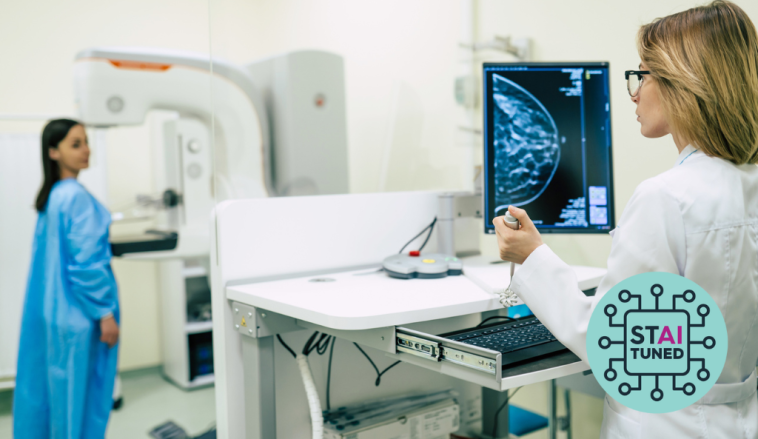
AI-Enabled Healthcare Innovations in Oncology: A New Era for Breast Cancer Diagnostics
The healthcare community is witnessing an impressive shift as advanced technologies are incorporated into everyday patient care practices. Recently, Tempus AI has extended its well-regarded AI care platform, Tempus Next, to include diagnostics for breast cancer. This expansion comes on the heels of the platform’s success in lung cancer diagnostics and is set to revolutionize how physicians spot gaps in care and deliver evidence-based treatment recommendations.
As a passionate advocate for modern medicine combined with alternative approaches and nutritional support, I find this development both encouraging and thought-provoking. As the medical field works through the tangled issues of integrating artificial intelligence (AI) into routine clinical workflows, this innovation sheds light on how technology can work harmoniously with healthcare providers in managing challenging, ever-changing medical standards.
Bridging the Gap: How AI is Changing the Landscape of Breast Cancer Diagnostics
Breast cancer remains one of the most common cancers affecting women around the globe. Despite advances in treatment and early detection, many women still face overwhelming hurdles when it comes to receiving personalized, guideline-recommended care. The introduction of Tempus Next’s new breast cancer module is poised to address these challenges by integrating detailed patient records with evolving clinical guidelines, thereby identifying patients who may not have received the appropriate diagnostic testing.
This innovative AI-enabled platform is designed to work through the tricky parts of integrating multimodal data from electronic medical records (EMRs) with the latest clinical standards. With its ability to surface subtle details about each patient’s history, the system supports physicians in making informed decisions regarding biomarker testing, such as ESR1 mutations in metastatic breast cancer.
Understanding the Need for Breast Cancer Biomarker Testing
Biomarker testing plays a critical role in modern oncology by ensuring that treatments are tailored to the unique molecular characteristics of a patient’s tumor. In the context of breast cancer, such tests help identify whether a patient might benefit from targeted therapies, including hormone therapies or other precision treatments. However, as clinical guidelines continue to evolve, healthcare providers are often left to figure a path through confusing bits and hidden complexities in order to provide the most effective care.
Tempus Next steps in to address these challenges head on. By cross-referencing real-time patient data with up-to-date clinical protocols, the system pinpoints care gaps that may have been missed during routine examinations. This means that physicians are empowered not only to identify potential treatment opportunities earlier but also to fine-tune their care strategies in accordance with the latest scientific insights.
Enhancing Provider Efficiency: Integrating Advanced EMR Data with Clinical Guidelines
One of the most compelling aspects of Tempus Next is its ability to merge diverse datasets from patient electronic records with directions from current clinical guidelines. For healthcare providers, who often work in high-pressure, community-based settings, keeping up with the numerous small distinctions in clinical practice guidelines is a nerve-racking task. The platform’s seamless integration is designed to make the process easier by automatically detecting specific care gaps that might otherwise slip through the cracks.
This is particularly important for community oncologists who frequently manage large volumes of patients and need to wedge in time-saving strategies in their daily workflows. By harnessing the power of AI to sift through extensive patient data, Tempus Next helps to reduce the administrative burden on busy practitioners while ensuring that patients receive personalized, guideline-directed care. In doing so, it supports high-quality care even in settings that are usually working through many competing demands.
Custom Integrations: Meeting Providers Where They Are
Every health system is unique, and so too are the ways in which clinicians rely on EMR systems for daily operations. Recognizing this, Tempus has placed a strong emphasis on developing custom integrations that can be smoothly incorporated into existing EMR infrastructure. For instance, Mercy—a health system that spans over 1,000 physician practice locations across several states such as Arkansas, Illinois, Kansas, Missouri, and Oklahoma—has successfully integrated Tempus Next into its system for diagnosing both lung and breast cancers.
This sort of integration allows for a more streamlined approach to care delivery. By directly embedding the Tempus Next platform within the existing EMR workflow, the provider is able to receive automated prompts and alerts about care gaps right at the point of care. This innovative approach is especially beneficial in optimizing the efficiency of patient care delivery in busy, sometimes overwhelming, healthcare environments.
Addressing the Overwhelming Challenge of Rapidly Evolving Clinical Guidelines
Modern medicine is continuously evolving, and clinics are constantly confronted with a dizzying array of updated clinical standards and protocols. This ever-changing environment can often feel intimidating to providers, as staying current with the latest guidelines is essential for delivering optimal care. The addition of the breast cancer module in Tempus Next is a testament to the importance of effort in making the process of updating and applying guideline-recommended practices more manageable.
In a recent interview, Dr. Jay Carlson, Medical Director of Oncology and Clinical Chair of Mercy Research, highlighted the significance of tools like Tempus Next. He stressed that “staying current with rapidly evolving clinical guidelines—especially regarding biomarker testing like ESR1 mutations in metastatic breast cancer—remains a challenge for healthcare providers everywhere.” This remark underscores the fact that improving access to real-time data and updated clinical recommendations is not merely a technological upgrade, but a crucial step toward ensuring higher standards in patient care.
When providers are supported by systems that can automatically highlight areas where care may be lacking, the overall quality of care rises. This is not only beneficial for patients in terms of improved outcomes but also helps clinicians manage their workloads more effectively. The staggering volume of clinical information available today demands a system that can sort out the signal from the noise—a task that Tempus Next appears to have expertly addressed.
Key Benefits of AI in Clinical Workflows
The impressive capabilities of AI systems, such as Tempus Next, are paving the way for a more efficient and targeted approach to cancer diagnostics. Some of the key advantages of AI integration include:
- Automated Data Analysis: AI platforms can quickly sift through vast amounts of EMR data, highlighting care gaps that require attention.
- Actionable Insights: By comparing patient data with current clinical guidelines, AI tools produce actionable recommendations for healthcare providers.
- Time Savings: Physicians can save valuable time, enabling them to focus more on patient interactions rather than administrative tasks.
- Enhanced Personalization: AI systems help tailor treatment plans to the unique biological profile of each patient.
- Improved Accuracy: Integrating AI into clinical decision-making is associated with more precise diagnostic measures and treatment plans.
This type of structured support is particularly useful in systems that serve large patient populations. By automatically flagging potential issues, these AI tools help providers find their path through the organizational maze of modern healthcare.
Tempus Next: A Tool for Both Breast and Lung Cancer Management
Since its launch in 2024, Tempus Next has already undergone extensive testing and integration into clinical workflows, especially within lung cancer care settings. Thousands of patients have been systematically screened for gaps in lung cancer diagnostic care, proving the platform’s effectiveness in a real-world, high-stakes environment. The addition of breast cancer to this portfolio is a natural progression, fueled by the need to replicate these successes in another area where precision medicine is equally essential.
This expansion targets five specific biomarker testing gaps in breast cancer. By focusing on these targeted areas, Tempus Next not only reinforces its role in precision oncology but also demonstrates how AI can manage the little twists in standard care protocols. The system accomplishes this by continuously updating its internal library with multimodal data and applying finely tuned algorithms to offer robust recommendations.
It is critical to appreciate that this development does not represent merely a technological advance. Instead, it speaks volumes about the increasing convergence of data analytics, real-time record keeping, and the application of clinical guidelines. In doing so, Tempus Next embodies the future of personalized medicine—a future where the potential to improve patient outcomes is super important for healthcare providers.
The Role of Collaborative Funding and Industry Partnerships
The evolution of Tempus Next’s breast cancer module has been supported not only by internal investments from Tempus but also by significant contributions from sponsors in the life sciences sector. This collaborative model highlights an essential aspect of modern medical innovation: the pooling of resources and expert knowledge from multiple sectors.
By securing funding from diverse sources, Tempus has been able to accelerate the development of this module, ensuring that it meets the demanding requirements of current oncological practice. Such partnerships provide assurance that the technology is both cutting-edge and grounded in the practical realities of clinical care—a must-have quality for any successful healthcare tool.
Improving Outcomes for Patients: The Promise of Personalized Medicine
The potential of AI in delivering personalized care is immense, and the expansion of Tempus Next’s capabilities into breast cancer diagnostics is a promising example of what the future might hold. Personalized medicine hinges on the ability to understand the unique characteristics and needs of each individual, and technology such as this helps break through the barriers imposed by generic treatment algorithms.
For patients, this means improved care pathways, better treatment outcomes, and a lower likelihood of receiving treatments that do not fully match their clinical profiles. In the often nerve-racking arena of cancer treatment, knowing that a system is in place to help identify every possible gap in care can be immensely reassuring. It gives hope that each patient has access to a treatment plan that is both individually tailored and guided by the latest scientific consensus.
In practice, the benefits for patients might include:
- Earlier Detection: By flagging care gaps, the system aids early identification of issues that could lead to complications if unaddressed.
- Tailored Treatment Options: A more precise diagnosis leads to treatments that are closely attuned to a patient’s specific needs.
- Enhanced Follow-Up: Continuous monitoring through the system ensures that patients receive the correct follow-up testing as outlined by current guidelines.
It is clear that the use of AI in diagnostics is more than just a technical evolution—it is a significant stride toward empowering clinicians to deliver care that is both personal and precise. In the realm of oncology, where small differences can have huge impacts on survival, this enhanced diagnostic capability can lead to better clinical outcomes and an overall positive patient experience.
Dive Into the Future: The Broader Impact of AI on Women’s Health
While this article has focused largely on cancer diagnostics, it is essential to appreciate how these developments are tied to the broader field of women’s health. Women face a unique set of challenges when it comes to health care, and managing tricky parts such as hormonal fluctuations, reproductive health, and musculoskeletal considerations requires a nuanced and personalized approach.
By integrating advanced AI solutions like Tempus Next, clinicians are better able to tackle each of these challenges systematically. Consider the following aspects where AI can positively impact women’s health:
- Reproductive Health: Enhanced patient data management can help ensure timely and accurate screenings for conditions like endometriosis and polycystic ovary syndrome.
- Pregnancy and Maternal Health: Better data integration supports more consistent monitoring of pregnancy progress and early identification of potential complications.
- Hormonal and Menopausal Care: Real-time updates and alerts ensure that physicians address the subtle details in hormonal health that affect a patient’s wellbeing over time.
- Bone and Pelvic Health: With the growing emphasis on preventive care, AI-enhanced tools can help catch early signs of osteoporosis and other skeletal conditions.
As healthcare continues to integrate more AI-driven tools, we may see the convergence of various specialties—ranging from gynecological to cardiovascular health—under one umbrella of precision medicine. The hope is that these collaborative, technology-enabled approaches will ultimately lead to more comprehensive and holistic care, helping to improve quality of life for millions of women.
How AI Platforms are Transforming Patient-Provider Interactions
In an era where patient satisfaction and clinical outcomes are increasingly intertwined, innovative technologies like Tempus Next not only assist in diagnostics but also pave the way for more productive patient-provider relationships. The integration of AI enables a more coherent overview of a patient’s history, allowing clinicians to get into the existing lore of their patient’s past care patterns.
This improved clarity fosters an environment where conversations between patients and doctors are enriched with factual data and history-backed recommendations. For many patients, particularly those managing chronic conditions, the promise of a coordinated approach to healthcare—where every subtle detail is accounted for—provides a reassurance that is both comforting and empowering.
Making Your Way Through a Data-Driven Healthcare Era
In today’s healthcare landscape, the sheer volume of available data can feel overwhelming and off-putting. For clinicians trying to figure a path through extensive EMR entries and newly updated guidelines, the challenges might seem like a maze of complicated pieces and nervous tension. With the introduction of AI platforms like Tempus Next, providers are finally equipped with tools designed to cut through the noise.
By automating the process of identifying care gaps, these AI solutions allow physicians to steer through the administrative hurdles and focus on what truly matters: delivering personalized and effective patient care. This technology is particularly impactful in environments where providers are inundated with information and must quickly identify actionable insights, ensuring that even under high-pressure situations, quality of care remains the super important priority.
Key Strategies for Integrating AI into Clinical Practice
For health systems considering the implementation of AI-driven diagnostic tools, there are several strategies worth considering:
- Seamless EMR Integration: Choose an AI platform that can easily interface with your existing EMR system, minimizing disruptions during transition.
- Continuous Education: Invest in training programs to help clinicians get into the fine points of using the technology effectively.
- Customizable Alerts: Ensure the platform allows for tailored notifications about care gaps, aligning with your center’s unique needs.
- Collaborative Implementation: Involve multidisciplinary teams in the transition process to address every tiny twist in clinical workflows.
- Regular Updates: Maintain a system for keeping clinical guidelines updated within the platform to maximize its functionality in real-time.
Embracing these strategies can help healthcare providers not only to adopt a new technology more smoothly but also to optimize patient care outcomes over the long term. In a field riddled with rapid advancements and multiple layers of administrative requirements, ensuring that staff is comfortable and knowledgeable about new tools is absolutely essential.
Personal Reflections: The Future of Precision Medicine and AI in Oncology
Looking at initiatives such as the expansion of Tempus Next’s AI care platform, I can’t help but feel both excited and cautiously optimistic about the future. There is no doubt that AI has transformed the way we approach healthcare—from early diagnosis to precision treatment planning—especially in the arena of oncology.
In my view, the integration of AI into the diagnostic process for both lung and breast cancer represents more than just an incremental improvement; it symbolizes a paradigm shift. This technology provides a glimpse of a future where the overwhelming amount of data is handled with ease, and physicians are relieved from the nerve-racking task of sorting out ever-changing clinical guidelines on their own. Instead, they have a reliable partner in the form of advanced algorithms that ensure the delivery of critical, up-to-date information precisely when it is needed.
This shift not only contributes to enhancing the quality of care but also has a broader impact on healthcare economics. With improved diagnostic accuracy and efficient care planning, healthcare facilities may witness reduced costs associated with redundant tests and delayed treatments. From a policy perspective, having a system that supports guideline-recommended practices could lead to nationwide improvements in patient outcomes, potentially easing the financial pressure on public and private healthcare systems alike.
Balancing Technological Innovation with Compassionate Care
One recurring theme in the discussion of AI in healthcare is the essential balance between technology and the human touch. While Tempus Next offers a sophisticated solution for identifying diagnostic gaps, it is important that healthcare providers continue to engage with patients on a personal level. Even the most brilliant algorithm can never replace the empathy, understanding, and reassurance that only an experienced clinician can offer.
As we witness the integration of AI into more aspects of clinical care, providers must ensure that the patient experience remains at the forefront. This involves striking a balance between harnessing the benefits of automated data analysis and maintaining robust, patient-centered communication. Only then can the full potential of digital health innovations be realized in a manner that respects both scientific precision and the art of medicine.
AI and the Evolution of Community Oncology Practice
The community oncology environment is not immune to the trickier parts of modern healthcare, particularly when it comes to keeping abreast of the rapid twists and turns in clinical guidelines. Many community-based providers face the dual challenge of managing busy caseloads while wrestling with off-putting amounts of clinical updates and administrative requirements.
Tempus Next’s implementation across a broad network—such as the Mercy health system, which spans more than 5,000 physicians and advanced practitioners—highlights the potential for AI platforms to revolutionize community oncology. By automating data reviews, these platforms ensure that even in high-volume practices, no patient falls through the cracks. The system’s ability to merge patient history with updated biomarker testing requirements is not only a technological marvel but also a functional solution for the everyday challenges that community oncologists face.
This innovation offers community health providers a tool to better manage the little details that can influence treatment outcomes. It relieves them of the burden to continuously figure a path through the expansive world of updated information, allowing them to focus on patient care rather than administrative overload.
Case Study in Community Integration: Mercy Health System
The successful integration of Tempus Next by Mercy Health System provides a compelling case study in the practical impacts of AI in community oncology. With over 1,000 practice locations across several states, Mercy has demonstrated that even vast healthcare networks can benefit significantly from these technological innovations. By embedding the AI platform into their EMR system, Mercy has managed to streamline both breast and lung cancer care, leading to improved detection of care gaps and timely interventions.
This robust integration has led to:
- More consistent adherence to the latest clinical guidelines.
- Enhanced detection rates of critical biomarkers such as ESR1 mutations.
- A significant reduction in administrative delays, allowing for more prompt treatment decisions.
- Improved coordination between multidisciplinary care teams.
The success observed at Mercy underscores the promise AI holds for similar community-based practices. It is a clear indication that, with the right tools and training, even the most overwhelmed healthcare settings can harness the power of data-driven diagnostics to deliver better care.
Conclusion: A Promising Horizon for AI-Driven Precision Oncology
In summary, the extension of Tempus Next’s AI capabilities into the realm of breast cancer diagnostics marks a significant milestone in modern oncology care. By combining state-of-the-art data processing, automated reviews of electronic medical records, and real-time clinical guideline updates, this platform provides a powerful adjunct to traditional diagnostic methodologies. It helps providers work through the tangled issues of modern medicine, ensuring that every patient receives well-informed, personalized care, even in the face of overwhelming amounts of data and ever-evolving treatment standards.
Looking forward, it is clear that AI is not merely a substitute for conventional practices but a transformative tool that enhances the capabilities of healthcare providers. The ability to automatically identify small distinctions in patient care and highlight them in real time means that practitioners can now focus more on delivering compassionate care while relying on technology to manage the intricate details.
As we continue to witness rapid advances in precision medicine, I remain confident that tools like Tempus Next will play a central role in shaping the future of oncology care. Their adaptability and efficiency exemplify how technology can be harnessed to support clinicians in the face of challenging administrative demands and ever-twisting guidelines. In practical terms, this development is a step closer to realizing a future where every patient is provided with a care plan that is not only scientifically sound but also intricately tailored to their unique health profile—an outcome that benefits patients, providers, and the entire healthcare ecosystem.
Moreover, as the industry broadens its embrace of AI, it becomes more important for all stakeholders—ranging from policymakers to individual practitioners—to support and invest in these technological innovations. The merging of smart data analytics with everyday clinical practice removes many of the overwhelming hurdles that have traditionally bogged down patient care. This, in turn, creates an environment where both patients and providers can thrive, paving the way for a more effective, efficient, and empathetic healthcare system.
In closing, the journey into fully harnessing AI for disease diagnostics is a collaborative effort. It requires the active participation of life sciences sponsors, healthcare institutions, clinicians, and patients alike. Together, by taking a closer look at emerging technologies, sharing knowledge, and adopting robust clinical practices, we can all work towards a future where the promise of precision medicine is not just a lofty goal but a daily reality.
As we steer through this exciting era of technological transformation, let us remember that the ultimate aim of these innovations is to serve the well-being of patients. Enhancing the quality of care, reducing unnecessary delays, and personalizing treatments are among the many benefits that stand to reshape modern oncology and broader women’s health. The future is indeed bright when cutting-edge technology meets compassionate, personalized care—an alliance that promises to redefine healing for generations to come.
With advancements like Tempus Next’s expansion into breast cancer diagnostics, it is our collective responsibility to support such forward-looking initiatives. By fostering an environment where medical professionals can rely on smart, adaptive tools to manage the hidden complexities of patient data, we are laying the groundwork for a more efficient and caring healthcare system. In the end, it is not the technology itself but its thoughtful application that will determine the legacy of these innovations.
As we embrace these new approaches, I remain optimistic that the healthcare community will continue to find creative ways to integrate technological advancements while keeping the patient experience at the heart of every decision. The future of AI-driven precision medicine is here, and it is set to redefine what high-quality, personalized care means in the modern era.
Ultimately, moving forward with such promising tools is akin to taking a decisive step towards a future where every patient has access to care that is both super important in its precision and deeply personal in its approach. And in this blend of technology and compassionate care, the true potential of modern medicine is finally being realized.
Originally Post From https://femtechinsider.com/tempus-expands-ai-care-platform-into-breast-cancer-diagnostics/
Read more about this topic at
Using AI (Artificial Intelligence) to Detect Breast Cancer
AI Breast Cancer Detection and Diagnosis