
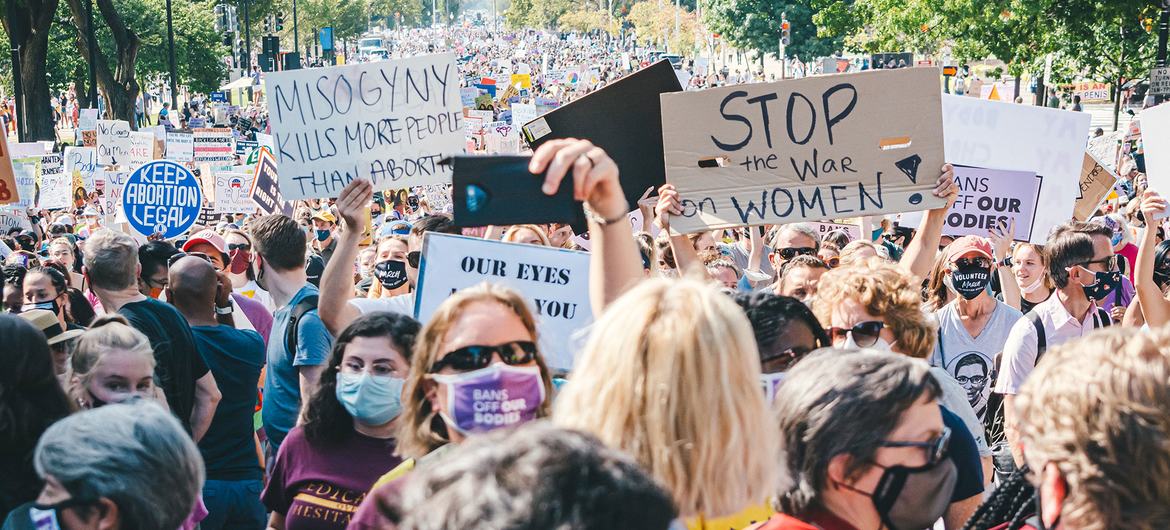
Rethinking America’s Global Role in Reproductive Freedom
In recent years, the issues surrounding reproductive rights in the United States have sparked international attention. With a growing chorus of voices across the globe questioning America’s human rights record, the ongoing debate over abortion policy is now more than ever under the microscope. The upcoming periodic review by the United Nations offers a chance to take a closer look at the tangled issues and subtle details of U.S. policies, as well as the impact of state-level abortion restrictions on bodily autonomy and overall health.
For many observers, the United States has become a regressive outlier when it comes to reproductive and bodily autonomy. Forty-one states have implemented various bans on abortion since the reversal of Roe v. Wade in 2022, a move that has fundamentally altered the lives of countless people. While some restrictions include full bans in 12 states, others only restrict abortion services after a short window in early pregnancy—at times as early as six weeks, when many people have not yet discovered they are pregnant. This variety in state policies creates a web of confusing bits and undocumented impediments that jeopardize the health and safety of those seeking care.
At its core, the debate is not solely about legal battles or political strategies. It is about human rights—about the essential freedom to decide one’s own future without being forced into unwanted health choices or risking life and well-being due to inaccessible or unsafe medical care. This is a subject where the fine points of international human rights law intersect with national policies, making it a subject that is both complex and loaded with issues.
Examining the Impact of Restrictive Abortion Laws on Bodily Autonomy
The restrictions on abortion are more than legal instruments—they have real-world consequences for individuals. Many people find themselves forced to carry unwanted pregnancies to term, compelled to travel long distances under overwhelming hardships, or resort to self-managing their abortions in unsafe conditions. Some may even face criminal or civil penalties simply for seeking to control their reproductive futures.
The Hardships of Accessing Abortion Services
For those who are denied their reproductive rights, everyday choices are burdened by challenging circumstances. The effects include:
- Traveling significant distances, often with considerable financial cost and logistical obstacles
- Facing intimidating legal consequences, including potential criminal charges or civil penalties
- Encountering overwhelming barriers due to restrictive immigration or probation conditions
- Risking adverse health outcomes and even life-threatening complications when forced to seek unsafe alternatives
These obstacles do more than complicate access to abortion—they also contribute to a broader deterioration in bodily and reproductive autonomy. The harsh penalties and complexities of managing your path through the healthcare maze burden people already dealing with emotional and physical challenges.
Unequal Impact on Vulnerable Communities
The impacts of these laws are not evenly distributed. Minorities and economically disadvantaged groups are often hit the hardest by these restrictions. Studies and reports have repeatedly shown that racial and ethnic minorities in the United States experience higher rates of maternal mortality and morbidity. They are also more likely to encounter many of the tricky parts associated with accessing safe abortion services, leaving them trapped in a spiral of limited options and reduced autonomy.
These patterns reveal a system that is loaded with problems for people facing multiple forms of marginalization. When legal and governmental policies underscore a lack of adequate support for reproductive care, they inadvertently relegate vulnerable communities to constant risk and uncertainty.
Global Perspectives: The United Nations and Human Rights Reviews
The timing of the upcoming United Nations human rights review has put the spotlight on the United States at a critical juncture. As part of a quadrennial assessment of national human rights records, the U.N. review will document not only the struggles with reproductive rights but also the broader human rights implications that emerge from any state policy.
International Human Rights Law and Reproductive Justice
Under international human rights frameworks, reproductive rights are closely tied to the guarantees of life, liberty, security, privacy, and freedom from cruel, inhuman, or degrading treatment. This means that any restrictions on abortion do more than limit access to a healthcare service—they can directly infringe on essential human rights that protect individuals from unnecessary harm.
Human rights law emphasizes that once a person is born, their right to access proper healthcare is key. When a government enforces policies that put pregnant individuals in positions where they must choose between their health and compliance with an oppressive law, it is failing in its duty to protect fundamental rights.
Accountability on the Global Stage
Recent submissions to the United Nations have underscored the need for accountability. Many health, human rights, and reproductive justice organizations—from local groups in states like Texas and Louisiana to international advocacy groups—have highlighted how the U.S. stance on abortion has far-reaching effects. The global community is now forced to take a closer look at how the United States manages its internal policies while projecting an image of commitment to universal human rights.
This scrutiny is not meant to single out the U.S. as uniquely problematic; rather, it serves as a call for all nations to balance national interests with their obligations to uphold/defend broader human rights standards. The review process, while not a cure-all, forces a conversation about how state actions can inadvertently create broader geopolitical reputational issues.
Historical Policy Shifts and the Trump Administration’s Impact
The contemporary landscape of reproductive rights in America has been shaped significantly by policy maneuvers from previous administrations. The actions taken by the Trump administration, in particular, have had enduring effects on both domestic and global reproductive health initiatives.
The Revival of the Global Gag Rule
One of the most notable measures taken by the Trump administration was the reintroduction of the global gag rule. This policy prohibits foreign organizations receiving U.S. funds from providing, counseling, referring, or advocating for abortion services—even if they are legally provided in their home countries with non-U.S. funds. The global gag rule not only restricted services but also created a chilling effect among organizations that previously relied on international aid to support a spectrum of reproductive health initiatives.
This policy illustrated a broader strategy of rolling back reproductive rights for individuals both within the United States and abroad. The ramifications included:
- The sudden withdrawal of critical reproductive health resources in developing countries
- Self-censorship among healthcare organizations afraid of losing funding
- A decrease in the availability of safe abortion counseling and services globally
The aggressive application of this rule exacerbated an already charged battleground of rights versus restrictions. It left many advocacy groups scrambling to find alternative funding sources, illustrating just how intertwined national policies are with the very real, everyday experiences of people seeking reproductive healthcare.
Reduction of Critical International Aid
In addition to reinstating restrictive policies such as the global gag rule, the Trump administration also made drastic cuts to funding for the World Health Organization and USAID. These reductions signified more than just budgetary constraints—they signified a retreat from the global leadership stance that America once held in promoting health, justice, and the rule of law around the world.
For decades, USAID played a super important role in delivering essential reproductive health resources worldwide, helping to ensure that safe abortion services were available despite local restrictions. With funding cut dramatically, not only has the U.S. lost some of its global standing, but communities worldwide are now more vulnerable to the effects of unsound policies and limited access to healthcare.
Unintended Consequences and the Broader Effects on Public Health
Beyond the immediate legal restrictions and policy rollbacks, the long-term effects of these changes are loaded with issues that complicate the conversation around reproductive health and bodily autonomy.
Health Risks and the Burden on Care Providers
The turning point in U.S. reproductive policy has not come without significant consequences for healthcare providers. Medical professionals are often caught in a bind, facing the dual challenge of adhering to restrictive state laws while trying to provide optimal care for their patients. This tension has had several outcomes:
- Increased stress and burnout among healthcare staff due to encountering overwhelming legal and ethical challenges
- A rise in defensive medicine practices, where providers may choose to avoid offering services that could lead to legal repercussions
- Heightened barriers for patients seeking timely and safe medical interventions
These challenges illustrate the small distinctions that matter in public health policy. The inability of providers to simply figure a path that meets both legal expectations and the needs of patients results in a healthcare environment that is often tense and on edge.
Economic Impacts and Social Inequalities
Reproductive restrictions often have far-reaching economic consequences. When people are forced to overcome long distances and expensive procedures to access care, the economic burden can be overwhelming. The restrictive environment compounds problems for families already struggling with financial constraints.
Economic inequality is further sharpened when only a segment of the population has the means to find their way through these overwhelming obstacles. For example, consider the following table that outlines some key economic implications associated with restrictive abortion policies:
| Factor | Impact |
|---|---|
| Travel Costs | Increased financial burden for low-income families as they travel long distances for care. |
| Lost Wages | Time lost from work during travel and recovery, affecting income stability. |
| Healthcare Expenses | Higher overall costs for extended care due to complications from delayed or unsafe procedures. |
| Socioeconomic Disparities | Widening gaps between economic classes as only those with sufficient resources can access safe options promptly. |
The table above underscores how micro-level economic challenges can escalate into broader social inequities. The overlapping difficulties highlight why it is critical for policy decisions to consider the finer details of human rights and healthcare delivery.
Reproductive Justice: A Holistic View on Human Rights
When we talk about reproductive justice, the conversation expands beyond abortion. It asks us to take a closer look at the full spectrum of reproductive health services—ensuring that every person has the essential resources they need to lead a healthy, autonomous life.
The Interconnected Nature of Rights and Health
Reproductive justice is not an isolated issue. It is deeply intertwined with other human rights, such as the rights to privacy, freedom of movement, and the right to be free from inhumane or degrading treatment. When one of these rights is affected, the repercussions lead to significant collateral damage across other areas of life.
In practice, this means that denying or restricting abortion can ripple out to affect:
- Access to family planning and general healthcare services
- Mental and emotional well-being
- Economic independence and opportunities
- Social mobility and equality
This interconnectedness illustrates that policies affecting reproductive health are never just about one single decision—they have many layers and delicate parts that require coordinated action across multiple areas of public and international policy.
International Advocacy and the Call for Accountability
Across the globe, advocates and human rights organizations are engaging in a determined effort to highlight the ways in which domestic policies in the United States contradict the global human rights obligations America has committed to. Many experts point out that when a state enforces harsh restrictions, it also undermines its credibility on the world stage.
Here are some focal points that international organizations emphasize when evaluating the U.S. record:
- The need for policies that prioritize the health and safety of pregnant individuals
- A commitment to ensuring that no one is forced into unsafe procedures
- Recognizing the disproportionate impact on marginalized communities
- Working towards comprehensive reforms that uphold human dignity on all levels
Ultimately, international advocacy calls for a reevaluation of policies that not only restrict reproductive rights but also stand in direct opposition to the universal principles of human dignity and justice.
Charting a Path Forward: Policy Recommendations and Strategic Interventions
Even in a political environment riddled with challenges and loaded with tension, positive change is possible. There are strategic interventions and thoughtful policy adjustments that can help ensure that both domestic health policies and international human rights norms are respected.
Strengthening Federal and State-Level Protections
To help counteract the numerous obstacles that people face when accessing reproductive care, there are several key areas where policymakers can focus their efforts:
- Enhanced Federal Guidelines: Establish clear federal guidelines that protect the right to safe abortion care, ensuring that state policies do not undermine individual reproductive freedom.
- Minimum Standards for Care: Develop minimum standards for reproductive healthcare delivery that all states must adhere to, reducing the confusing bits that vary significantly between regions.
- Legal Support and Advocacy: Increase support for legal advocacy groups that help vulnerable individuals understand and advocate for their rights.
- Community-Based Initiatives: Support local health centers and community organizations in providing educational resources and direct healthcare services, ensuring that every person can find their path to safe care.
By channeling energy into these essential areas, policymakers have a chance to counterbalance the overbearing restrictions and create a system that genuinely supports bodily autonomy and human rights.
International Collaboration and Transparent Reporting
The United States should also consider reinvigorating its global commitment to reproductive health by engaging in honest, open communication with international bodies. This can be achieved through:
- Participating openly in United Nations reviews and human rights assessments
- Providing transparent reporting on how abortion policies are impacting citizens at the micro and macro levels
- Collaborating with international health organizations to establish best practices for reproductive care
- Investing in training and capacity-building for healthcare providers to manage the tricky parts and subtle details of evolving legal frameworks
These measures could help restore credibility to U.S. commitments on the global stage and ensure that the nation contributes positively to the international conversation on human rights and reproductive justice.
Challenges in Reforming Reproductive Healthcare: A Multifaceted Landscape
Reforming laws that affect reproductive health is not an off-putting challenge that can be resolved overnight. It requires patience, strategic intervention, and an enduring commitment to human rights. Policymakers must work nearly as hard as activists and healthcare providers to figure a path that meets evolving demands while protecting vulnerable individuals.
Dealing with the Confusing Bits of State-Level Legislation
State-level abortion laws in the United States are a patchwork of regulations that can seem overwhelming to those trying to get around them. Here are some of the main issues:
- Varied Legal Standards: As noted, different states impose different levels of restrictions, creating a landscape where a one-size-fits-all solution is difficult to achieve.
- Criminal and Civil Penalties: Some state laws introduce penalties that dissuade healthcare providers from offering even basic reproductive services, resulting in fear and hesitation.
- Access Disparities: The further a person lives from a healthcare facility, the more intimidating the journey becomes, especially when paired with additional legal or economic hurdles.
Providers, patients, and advocates alike find themselves stressed, having to take a closer look at every little twist and turn in this complicated matrix of laws and regulations.
Legal and Social Interventions for Safer Pregnancy Outcomes
At the heart of any debate over reproductive rights lies a fundamental question: How do we ensure that individuals can access the care they need without facing nerve-racking or overwhelming obstacles? Solutions may include:
- Expanding telehealth services to offer remote consultation and support, thereby easing the burden of travel and physical access.
- Developing community health networks that can help individuals steer through regional disparities in care.
- Strengthening legal protections that empower individuals to dispute unfair practices or restrictive laws in court.
- Investing in educational initiatives targeted at both healthcare providers and the public, ensuring that everyone is equipped with the fine points of available options and safe practices.
These interventions are not silver bullets. Instead, they represent a multi-pronged approach to addressing the challenges that are small yet impactful, as well as the broader systemic issues that continue to hinder safe and accessible reproductive healthcare.
Lessons from International Success Stories
Looking beyond U.S. borders can offer essential insights into creating a more balanced, fair, and accessible reproductive healthcare system. Countries around the world have taken steps to manage their way through challenging policy landscapes with notable success.
Positive Policy Shifts in Ireland and Latin America
In Ireland, a country once known for strict abortion laws, proactive advocacy and strategic policy changes have resulted in more accessible reproductive healthcare services. Latin America, too, has witnessed notable reforms in countries that were previously on the edge of denying basic reproductive rights. These changes serve as encouraging examples of how consistent efforts and coordinated actions can realize improvements in the health sector.
Some takeaways from these global examples include:
- Comprehensive stakeholder engagement, involving healthcare professionals, policymakers, and community advocates
- Clear communication of the subtle details underlying new legislation and policies, ensuring that the public is both informed and empowered
- Collaborative partnerships between local institutions and international organizations, leveraging global best practices to meet national challenges
- Persistent efforts to educate and mobilize communities, ensuring that the nuanced needs of all members of society are addressed
Embracing Global Collaboration to Address Hidden Complexities
The success stories from other nations also highlight the importance of transparency and international cooperation. The U.S. has the opportunity to learn from these examples by engaging with international health bodies, sharing data, and incorporating proven strategies into national policies. This approach not only benefits those seeking reproductive healthcare but also enhances the broader human rights agenda.
The Road Ahead: Consolidating Reproductive Rights and Human Dignity
As the United Nations review draws near, the United States stands at a crossroads. The current policies on abortion represent more than legal judgments; they embody a broader struggle over fundamental rights that touch upon the most basic aspects of human dignity. Whether it is through legal reforms, increased educational initiatives, or international collaborations, there are several ways to manage your way through the challenging political and social environment.
Prioritizing Health, Safety, and Personal Freedoms
Any holistic solution must put the health and safety of the individual at its heart. This means recognizing that when restrictions compel individuals to search for solutions outside the safety of well-regulated medical care, it is the most vulnerable who bear the additional burden. Reforms must be designed to:
- Ensure that all laws guarantee safe access to reproductive healthcare without penalizing individuals who seek these services.
- Create robust support structures for healthcare providers to confidently offer care without facing contradictory legal challenges.
- Bridge the economic and social inequalities that exacerbate the overall chaos, making it manageable for every citizen to access essential services.
- Strengthen legal frameworks so that every person’s right to bodily autonomy is super important and unwaveringly protected.
Creating a Unified National Vision for Reproductive Justice
Across state lines, a unified approach to reproductive rights is needed—one that does not allow regional policies to fragment the basic rights of American citizens. A cohesive national vision could help figure a path that ensures:
- A consistent standard of care across all regions
- Equal protections for every demographic, particularly for those groups disproportionately affected by existing policies
- Broad cooperation among healthcare professionals, legal experts, and community activists to take a closer look at what true reproductive justice means
- A regulatory environment that respects international human rights norms while addressing the unique challenges faced domestically
Establishing this unified vision is a nerve-racking yet essential undertaking that not only addresses immediate healthcare needs but also reaffirms America’s commitment to protecting life, liberty, and the security of every individual under its care.
Conclusion: A Call for Consistent Accountability and Compassionate Care
The debate over reproductive rights in America is a story of overlapping challenges—from tricky legal battles and state-level inconsistency to the overarching struggle for human dignity and bodily autonomy. As the United Nations review offers a moment to dig into the hidden complexities of this critical issue, the spotlight on the United States is unlikely to fade any time soon.
It is a reminder to both policymakers and the global community that protecting reproductive rights is not just about addressing the legal twists and turns in abortion legislation. It is about ensuring that every individual can find their way to safe, accessible, and compassionate healthcare. The intertwined nature of health, economic stability, and equality makes it clear that when reproductive rights are undermined, the consequences ripple through every facet of society.
America’s record on reproductive freedom demands a comprehensive, human rights-based approach. By strengthening federal and state-level protections, engaging transparently with international organizations, and learning from global success stories, the U.S. can work toward ensuring that every person’s right to control their own body is respected and protected.
While the road ahead is loaded with issues and the challenges may sometimes seem overwhelming, every step in the right direction brings us closer to a system where reproductive justice is not merely a lofty ideal but an everyday reality. In a time when the need for accountability is more critical than ever, the upcoming U.N. review provides a tool—a mirror—reflecting the necessity for urgent reform and renewed commitment to the principles of human dignity and equality.
Ultimately, the journey toward a fair, compassionate, and effective reproductive healthcare system in the United States will require persistent, coordinated effort from all stakeholders. It is a task that calls for strategic planning, international cooperation, and, above all, a deep-seated respect for the basic human rights that bind us all together. Only then can America hope to stand as a beacon for the world—a nation that, despite its internal challenges, remains dedicated to the ideals of justice, health, and human dignity.
Originally Post From https://msmagazine.com/2025/07/09/united-nations-usa-abortion-human-rights-record-health-death/
Read more about this topic at
Center for Reproductive Rights
Top 7 Things You Can Do Right Now for U.S. Abortion Rights