Lifestyle Choices and Hormonal Imbalances: Implications for Male Fertility
In recent years, discussions regarding male reproductive health have grown, as evidence increasingly shows that routine lifestyle choices and hormonal imbalances play a significant role in fertility outcomes. This opinion editorial takes a closer look at the effects of simple daily habits and internal chemical shifts on semen quality, sperm DNA integrity, and overall reproductive potential. By examining the research findings and weighing the pros and cons, we can gain insight into ways to counteract some of the tricky parts of male infertility.
Investigating the Hidden Complexities of Male Infertility
Male infertility is not a problem that exists in a vacuum. Approximately one in six couples globally struggles with infertility, and male-related factors contribute to nearly half of these cases. The study performed by researchers from the KLE Academy of Higher Education and Research and Dr. D. Y. Patil Medical College highlights that everyday choices – from alcohol consumption to body weight – have a considerable effect on the quality of semen and sperm DNA. As we poke around these issues, it becomes clear that both lifestyle and hormonal factors need to be considered when evaluating male reproductive health.
The research used modern, up-to-date guidelines from the World Health Organization for semen analysis, supporting the idea that traditional methods may be missing key indicators of fertility. With advanced assessments like sperm DNA fragmentation testing, doctors and patients alike can gain a clearer picture of fertility potential.
Key Lifestyle Factors Impacting Sperm Health
A careful analysis of the study reveals many lifestyle choices that directly affect sperm health. Below is an overview of the critical areas where lifestyle habits make a difference:
- Tobacco Use: Smoking has been linked with lower sperm count, reduced motility, and abnormal sperm shape. The harmful chemicals in tobacco can lead to what one might describe as tangled issues in sperm function and genetic quality.
- Alcohol Consumption: The use of alcohol is tied to not only lowered sperm quality but also an increase in sperm DNA fragmentation. This DNA breakage, which can limit a man’s fertility potential, leads to further complications when attempting to start a family.
- Exposure to High Temperatures: Men who work or spend significant time in hot environments may experience heat-induced stress on their reproductive system. Consistent exposure to high temperatures can damage sperm cells over time, increasing the risk of genetic damage.
- Body Weight and Its Challenges: Both underweight and overweight conditions are associated with a drop in semen quality and heightened sperm DNA damage. Maintaining a balanced body weight emerges as a key element in managing reproductive health effectively.
Each of these factors carries its own set of complicated pieces that can combine to affect reproductive health in subtle but significant ways. It is essential for men to be aware that everyday decisions might have long-lasting effects on their fertility, making personal health management a super important issue.
The Role of Daily Habits in Shaping Sperm Quality
The study clearly highlights that everyday habits such as tobacco and alcohol consumption can lower not only the total sperm count but also affect sperm motility—the ability of sperm to move effectively toward an egg. In addition, the increase in sperm DNA fragmentation, labeled as a marker of genetic damage, underscores how lifestyle choices can trigger a series of subtle disruptions within the reproductive process.
Often, men might view these lifestyle habits as isolated or unrelated to reproductive capabilities. However, when one digs into the data, it becomes apparent that these choices are loaded with issues. Some of the small distinctions contributing to impaired fertility include:
- Altered Hormone Levels: Regular alcohol use can interfere with testosterone and other hormones, leading to a decline in the supportive structures that sperm cells rely on.
- Increased Oxidative Stress: Smoking introduces free radicals into the system, causing oxidative stress which damages the fine points of sperm structure.
- Metabolic Disruptions: Obesity is frequently associated with metabolic imbalances that can disrupt the hormonal environment, indirectly affecting sperm production.
Addressing these factors early on is crucial. By recognizing the impact of daily decisions, men can start to figure a path toward better reproductive health, aided by lifestyle modifications that lower the risk of genetic and physical sperm damage.
Hormonal Imbalances: The Inside Story of Male Fertility
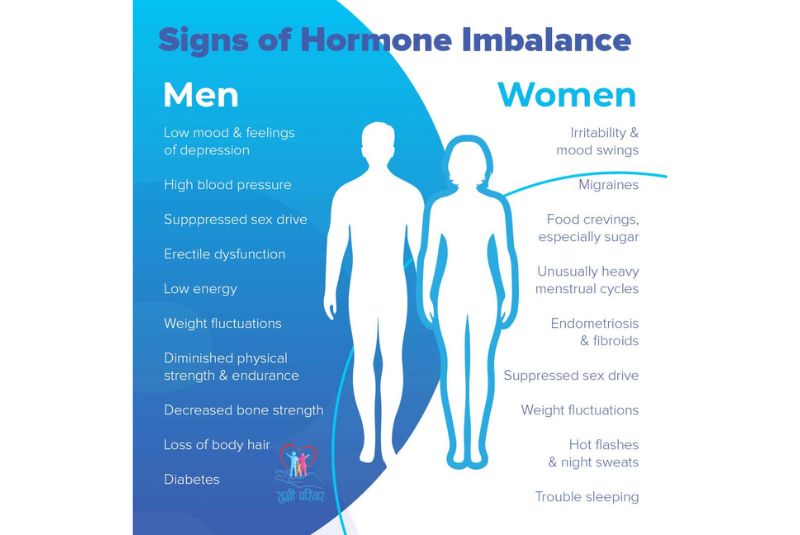
Beyond the external lifestyle choices, hormonal imbalances are emerging as a key player in the puzzle of male fertility. While some hormones like FSH (follicle-stimulating hormone) and LH (luteinizing hormone) remain relatively stable, the study finds that other hormones such as testosterone, prolactin, and anti-Müllerian hormone (AMH) play a significant role in shaping semen quality.
The hormonal profile of an individual is one of the most critical, yet sometimes confusing bits to assess when evaluating reproductive health. Research demonstrates that:
- Low Testosterone: Lower levels of testosterone have been associated with poorer semen parameters. With testosterone being essential for sperm production, reductions can lead to decreased fertility potential.
- High Prolactin: Elevated prolactin levels can interfere with the hormonal balance required for sperm development, creating a scenario that is both intimidating and full of problems.
- Anti-Müllerian Hormone (AMH): AMH, produced by cells that support sperm development, appears to serve as a promising marker for assessing sperm DNA integrity. Low AMH levels correlate with an increase in sperm DNA fragmentation, suggesting a direct role in monitoring reproductive health.
This hormone profiling points to a need for more targeted hormone testing. Instead of relying solely on traditional semen analysis methods, evaluating hormone levels may provide a more complete picture of what might be troubling the reproductive system.
Strengthening Reproductive Health Through Lifestyle Choices
Identifying and addressing the factors that lead to reduced semen quality is the first step toward improved reproductive outcomes. Men who are facing fertility challenges can take actionable steps that work through the following basic yet effective strategies:
| Action | Potential Benefit | Example Adjustments |
|---|---|---|
| Quit Tobacco | Improved sperm concentration and motility | Seek support, use nicotine replacement therapies, join smoking cessation programs |
| Moderate Alcohol Intake | Reduced sperm DNA fragmentation | Limit drink frequency, opt for non-alcoholic alternatives during social events |
| Manage Body Weight | Enhanced overall reproductive health | Adopt a balanced diet, incorporate regular exercise, consult a nutritionist |
| Minimize Heat Exposure | Protection against heat-induced sperm damage | Wear loose clothing, reduce time in high-temperature work environments |
Taking the wheel regarding one’s health by managing these factors might seem like a nerve-racking task at first. However, with clear strategies in place and achievable milestones, improvements in fertility parameters are attainable. Over time, fine-tuning everyday habits can serve as the cornerstone for positive reproductive outcomes.
Environmental Influences: Working Through the Heat Factor
In addition to lifestyle habits directly chosen by an individual, environmental influences—such as exposure to high temperatures—can have profound effects on male fertility. Men working in industries with constant or increased heat exposure may be unknowingly compromising sperm quality through recurring temperature stress.
Heat isn’t just a minor irritant; rather, it can trigger a cascade of negative events. The following points help clarify how heat exposure affects reproductive health:
- Sperm DNA Damage: Elevated temperatures can cause sperm cells to sustain genetic fragmentation. This damage might not be immediately obvious, but it undermines the sperm’s ability to fertilize and support normal embryonic development.
- Structural Impairments: Constant heat can impair the structure of sperm, affecting parameters such as shape and motility which are critical for successful fertilization.
- Systemic Stress: Beyond the immediate damage to sperm cells, environmental heat can induce systemic stress that further disrupts hormonal balance.
When considering ways to find your way through the labyrinth of infertility issues, addressing environmental factors like workplace heat exposure should be a priority. Employers and healthcare professionals alike need to consider these factors when designing both work environments and fertility treatment strategies.
Harmonizing Hormones and Lifestyle: A Two-Pronged Approach
Modern medicine increasingly recognizes that simply testing for sperm count and motility might not paint the full picture of male reproductive potential. Instead, a holistic approach that combines lifestyle evaluation with thorough hormone assessments appears to be the path forward.
Here are some actionable recommendations for harmonizing hormonal balance and healthy living:
- Regular Hormone Screening: Men facing fertility issues should consider testing for testosterone, prolactin, and AMH levels. Monitoring these markers early can lead to interventions that may reduce genetic damage to sperm.
- Tailored Health Programs: Clinicians can develop customized health plans that not only focus on optimizing lifestyle choices but also address specific hormonal imbalances. This synchronized approach may yield better reproductive outcomes.
- Lifestyle Counseling: Involving nutritionists and fitness experts can help ensure that both underweight and overweight men adopt diets and exercise programs that support reproductive health and hormonal balance.
- Stress Management: Given that many of the issues are interlinked with overall well-being, incorporating stress relief techniques such as meditation, yoga, or counseling can have a small but significant beneficial effect on hormonal profiles and, consequently, fertility.
When these recommendations are implemented, the overall effect can be substantial. Not only might these measures improve sperm quality, but they could also help correct hormone imbalances that further jeopardize fertility. This kind of patient-centric approach is essential in today’s tense environment, where many factors contribute to reproductive challenges.
The Promise of Future Research in Male Reproductive Health
While studies such as the one conducted at KLE Academy of Higher Education and Research and Dr. D. Y. Patil Medical College provide valuable insights, there is still a long way to go in fully understanding the fine points of male fertility. Future research is likely to address several pressing questions, including:
- Can targeted hormone therapies reverse sperm DNA damage? With a better understanding of how markers like AMH associate with DNA fragmentation, clinicians may be better positioned to design effective hormone-based treatments.
- What precise lifestyle changes make the biggest difference? Although we know that tobacco, alcohol, and heat exposure are harmful, further studies could quantify exactly how much improvement these modifications can yield over time.
- How can personalized medicine play a role in treatment? The adoption of individualized fertility programs that account for unique hormonal and lifestyle profiles may become the new standard of care.
This evolving area of research gives hope to many couples affected by infertility. It suggests that with the right combination of lifestyle adjustments and medical interventions, the problematic twists and turns of reproductive health can be met with effective, targeted action.
Public Health Strategies: Promoting Awareness and Early Intervention
The implications of these findings extend far beyond individual health. Public health authorities and community health organizations must consider these insights in their broader strategy to improve reproductive outcomes. Education campaigns tailored to male fertility can help demystify the issues surrounding lifestyle choices and hormonal imbalances.
Efforts to disseminate this information might include community workshops, social media outreach, and collaboration with local clinics. Key points for public health messaging include:
- The Importance of Regular Health Screening: Encouraging men to undergo periodic reproductive health checks, including hormone profiling, can help catch early signs of infertility.
- Promoting a Healthy Lifestyle: Highlighting the benefits of a balanced diet, regular physical activity, and substance moderation is essential for preventing many of the issues associated with poor sperm quality.
- Environmental Adjustments: Advising workplaces to implement measures that reduce excessive heat exposure or other harmful conditions can play a significant role in safeguarding reproductive health.
When these strategies are put into practice, communities can start to think a path towards improved reproductive health and reduced infertility rates. Although the process might feel intimidating at first, the effort is super important for the well-being of future generations.
Practical Advice: What Men Can Do Today
Men who are concerned about their fertility should remember that making incremental changes can yield significant benefits. Here are some practical steps to consider:
- Schedule Routine Check-Ups: Consider incorporating reproductive health assessments into regular wellness exams. Testing for hormone levels such as testosterone, prolactin, and AMH can help detect underlying issues early on.
- Modify Daily Habits: Reduce or eliminate tobacco and alcohol consumption. Small modifications in these areas can improve not only reproductive health but overall well-being.
- Adopt a Balanced Diet: Focus on a nutritious diet that supports hormonal balance and supports a healthy weight. This can involve eating plenty of fruits, vegetables, lean proteins, and whole grains in place of processed foods.
- Control Environmental Exposures: Be mindful of work and lifestyle activities that expose you to high temperatures regularly. Wearing loose clothing and taking breaks in cooler environments can mitigate some of the risks.
- Manage Stress Effectively: Engage in stress-reducing activities such as mindfulness, exercise, or hobbies. A balanced mental state can help stabilize hormonal levels and improve overall health.
While these recommendations might seem like small steps individually, together they form a comprehensive approach that can help improve sperm quality. It is also beneficial to discuss these changes with healthcare professionals who can offer specialized guidance based on individual conditions.
Embracing a Holistic Approach to Male Reproductive Health
In light of evolving scientific evidence, the need for a holistic approach to male fertility cannot be overstated. Rather than viewing lifestyle choices and hormonal imbalances as separate concerns, it is time to acknowledge that they are intertwined aspects of reproductive health.
This holistic approach has several advantages:
- Broad Spectrum Analysis: Combining lifestyle evaluations with hormone profiling allows for a more complete diagnosis. Instead of treating symptoms in isolation, healthcare providers can understand the full scope of what may be affecting fertility.
- Personalized Treatment Plans: Every individual is unique. A combined strategy that looks at both daily habits and hormonal balances can facilitate the development of tailored treatment plans, making it easier for men to address their specific issues.
- Long-Term Health Benefits: Improvements in reproductive health often go hand in hand with overall improvements in physical and mental well-being. Embracing lifestyle changes not only helps with fertility but also enhances overall quality of life.
By taking a closer look at these interrelated factors, the path toward better reproductive outcomes becomes clearer. It may involve working through various challenges and making difficult changes, but the outcomes are worth the extra effort.
Final Thoughts: Charting a Course Towards Enhanced Male Fertility
The study from Oncoscience sheds light on numerous subtle details and small distinctions that contribute to male reproductive health. It becomes apparent that both lifestyle choices and internal hormone balances have a key role in shaping semen quality and sperm DNA integrity. This multi-layered problem, full of problems and nerve-racking twists and turns, is not insurmountable with the right knowledge and concerted efforts.
What is clear is that early intervention, regular monitoring, and consistent lifestyle improvements are super important in managing and possibly reversing some of the damaging effects on male fertility. As scientific understanding continues to evolve, the integration of lifestyle counseling with advanced hormone screening offers promise in tackling the confusing bits of reproductive health, one manageable step at a time.
For men and couples facing fertility challenges, it is essential to remember that change is possible. By adopting a holistic strategy that not only tackles the harmful effects of substances like tobacco and alcohol but also aligns everyday behaviors with health-promoting choices, there is hope for improved reproductive outcomes. With continued research, public health initiatives, and personalized care plans, we can figure a path toward better reproductive health, ensuring that both current and future generations reap the benefits.
As we move forward, the conversation about male infertility will likely shift from one of inevitability to one of opportunity—an opportunity to implement changes that address both external and internal risk factors. Even though there are still many tangled issues to figure out, understanding the interplay between lifestyle choices and hormonal balance represents a critical foundation for progress in reproductive medicine.
Ultimately, ensuring male reproductive health is not just about combating infertility—it is about fostering overall well-being. In a world where daily choices can have unintended consequences on our health, awareness, education, and actionable preventive measures stand as our best defense against the unpredictable twists and turns of fertility challenges.
By staying informed, consulting with trusted healthcare professionals, and making deliberate choices, men can take charge of their reproductive futures. In doing so, they also contribute to a broader effort to raise public consciousness about the importance of balanced lifestyles and thorough medical screenings as cornerstones of health in our modern era.
Originally Post From https://www.news-medical.net/news/20251010/Lifestyle-choices-and-hormonal-imbalances-can-impact-mens-reproductive-health.aspx
Read more about this topic at
Effects of lifestyle factors on fertility: practical …
Female fertility: Why lifestyle choices count