An 18-Month Journey Towards Reinventing Women’s Health Infrastructure
As we stand at the crossroads of unprecedented technological innovations and a deeply entrenched need to improve women’s health, the emergence of smart rings and other femtech devices marks a transformative moment in our healthcare landscape. In the past few years, the conversation around menstrual health, reproductive health, fertility, pregnancy, maternal well-being, menopause, hormonal balance, mental clarity, and even issues such as pelvic pain and bone strength has shifted from niche interest to mainstream dialogue. Many innovators are working to figure a path through the complicated pieces of healthcare delivery, making strides that are both inspiring and, at times, nerve-racking in their ambition.
This opinion editorial intends to offer readers an in-depth perspective on the dynamic intersection of modern technology and women’s health. In the coming sections, I will take a closer look at the developments driving this change, understanding both the successes and the subtle parts that still pose challenges. With topics ranging from smart rings to sustainable cycle care and from investment in femtech to the day-to-day realities of managing reproductive health, we have much to explore over the next 2000 words.
Smart Rings: A Game Changer in Women’s Health
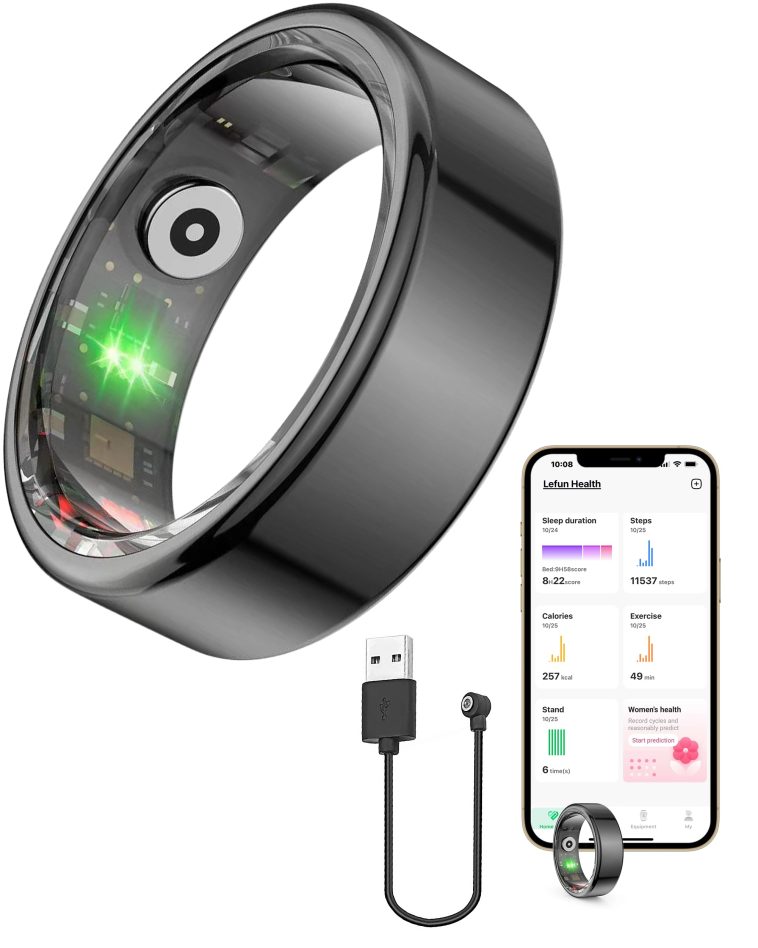
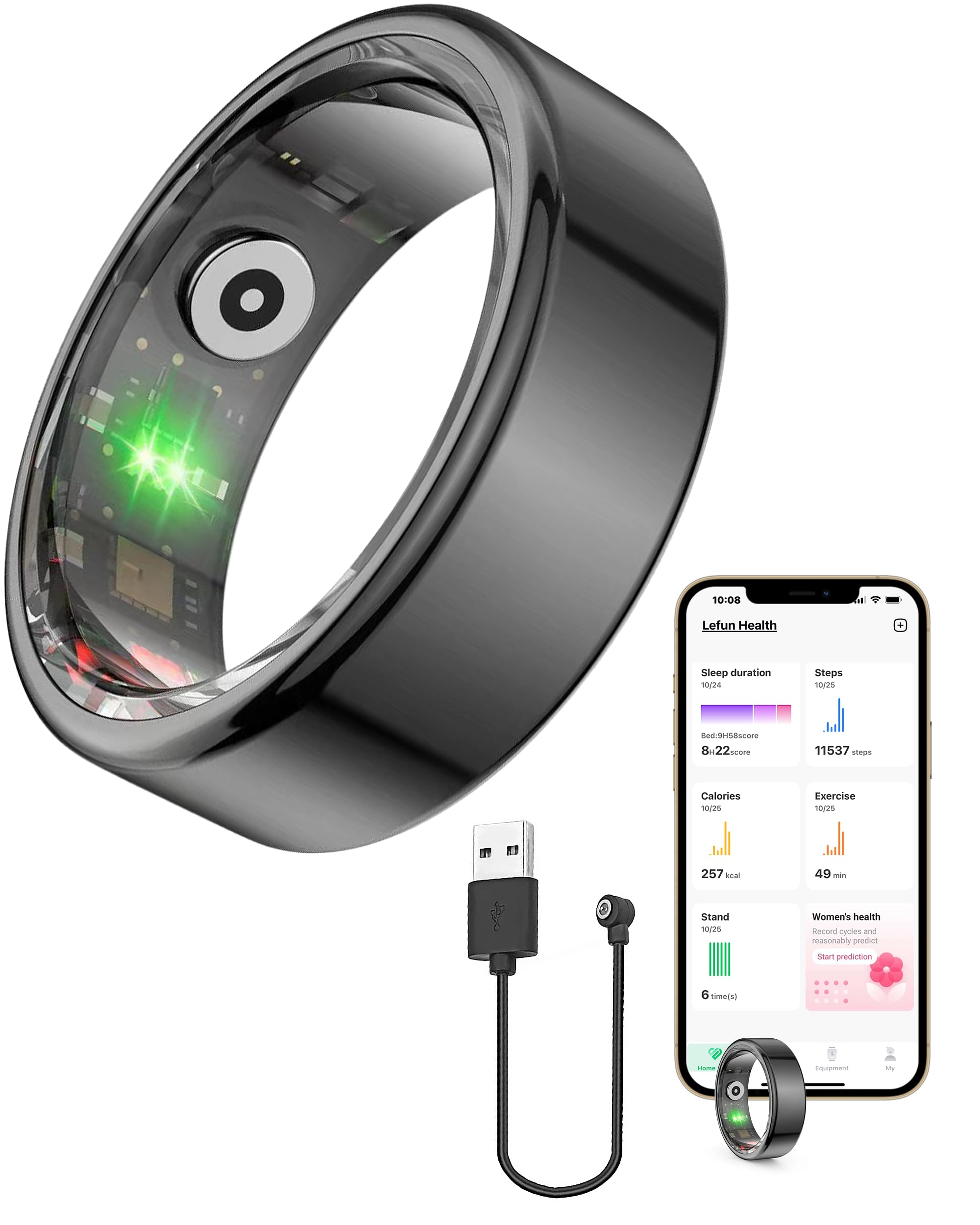
One of the most exciting breakthroughs in our journey is the advent of smart rings. These wearable devices are designed not only to track daily activity but also to offer insights into menstrual cycles, fertility windows, and overall hormonal health. Although such devices might initially appear intimidating, their potential benefits are enormous. Yet, like all advanced technologies, they come with their own set of tricky parts and subtle details.
Smart rings work by integrating biometric sensors that continuously record data, from heart rate to sleep quality and even temperature fluctuations. The ability to record these metrics in real time has empowered users to figure a path through the nuances of their bodily signals, thereby helping them steer through decisions related to fertility, sexual wellness, and broader aspects of health.
It is essential to highlight that while smart rings are seen as a breakthrough, there are a few areas of concern that need addressing:
- Data Privacy – Ensuring that user data is secure and used responsibly.
- User Accessibility – Developing devices that are comfortable, affordable, and tailored to diverse populations.
- Accuracy – Continuously refining sensor technology to capture the fine points of health metrics accurately.
These concerns underscore the need for constant refinement. As we take a closer look at the overall femtech ecosystem, it becomes clear that smart rings are only one piece of a much larger, evolving puzzle.
Innovative Approaches in Menstrual Health Tracking
Menstrual health tracking has come a long way from the days of paper charts and manual tracking. Today, startups and established companies alike are working on digital platforms that allow users to log their periods, symptoms, and moods. By using platforms that assist in forecasting cycle patterns, individuals can better manage the tricky parts of hormonal fluctuations and understand the subtle shifts in their body’s signals.
There are several reasons why these innovations are considered key advances:
- Personal Empowerment: With accurate data at their fingertips, users can plan daily activities, manage work-life balance, and make informed decisions around diet and fitness.
- Enhanced Communication: Health data can be shared with healthcare providers, making appointments less nerve-racking and more productive.
- Early Warning Signs: Digital tracking can help identify patterns or irregularities in menstrual cycles that might be indicative of broader issues like hormonal imbalances or gynecological conditions.
By working through the small twists and turns of menstrual health management, these tools offer an essential resource for women who previously might have felt overwhelmed by the nerve-wracking task of tracking their cycles manually.
Reproductive Health: Unpacking the Tricky Parts
Reproductive health covers a spectrum of issues ranging from fertility challenges to managing pregnancy and ensuring safe maternal care. The conversations around reproductive health are riddled with tension in many communities, particularly when it comes to balancing biological research with social ideologies. However, the modern era has seen a wave of initiatives aimed at tackling these confusing bits with more clarity.
Many healthcare innovators are digging into the following aspects of reproductive health:
- Fertility Solutions: Offering more personalized plans and treatment options for those facing infertility.
- Pregnancy Tracking: Using apps and wearables to monitor fetal health and maternal wellness in real time.
- Maternal Health Support: Developing platforms that provide educational resources and virtual consultations during and after pregnancy.
While these advancements are undoubtedly promising, they also require sensitive handling to fully realize their potential. It is not only about harnessing technology but also about providing empathetic support during life’s most complicated pieces.
Fertility and Pregnancy: Fostering a New Era of Maternal Wellness
One cannot overstate the need for care that perfectly balances science with empathy in the fields of fertility and pregnancy. Today’s technology is easing the journey, even when it might seem off-putting for some to rely so heavily on digital devices for health monitoring. With the advent of femtech platforms, managing the delicate balance between the joys and the nerve-wracking aspects of becoming a parent is becoming more accessible.
Modern fertility solutions incorporate fertility tracking, nutritional advice, and mental health support—all under one roof. These systems allow prospective parents to figure a path through the maze of conception, pregnancy complications, and postnatal care. For many, this integrated approach is proving essential in reducing the scary aspects associated with fertility challenges.
Consider the following benefits:
- Custom-Fit Advice: The individualized guidance based on real-time data makes for essential planning during preconception and pregnancy.
- Reduced Anxiety: With constant updates on health metrics, many women feel reassured as they get the small distinctions of their body’s changes right when they occur.
- Holistic Support: Combining physical, mental, and nutritional health advice ensures a more rounded approach to maternal care.
While technological integration into fertility care is breathtaking, it is crucial for stakeholders to maintain an open dialogue with healthcare professionals to ensure that digital recommendations work in tandem with clinical judgment.
Addressing the Tangled Issues of Menopause
Menopause is often one of the most nerve-wracking periods in a woman’s life. It brings along a medley of confusing bits—from hormonal shifts to emotional fluctuations. However, recent innovations in femtech are designed to offer super important insights into managing menopause. From wearable devices that monitor physiological changes to apps that provide lifestyle recommendations, new digital solutions are working to smooth out the twists and turns felt during this stage.
Key aspects of modern menopause management include:
- Symptom Tracking: Daily logs of hot flashes, sleep patterns, and mood swings provide actionable insights.
- Personalized Health Plans: Diet, exercise, and mindfulness routines are tailored to individual needs.
- Access to Resources: Forums and virtual consultations offer supportive community interactions and reliable expert advice.
By addressing the little details and subtle parts of the hormonal changes during this period, these tools are helping many women feel empowered rather than overwhelmed. It is a prime example of how technology can bridge the gap between clinical knowledge and everyday practical guidance.
Hormonal Health and the Hidden Complexities
Hormonal health is one of those health areas loaded with issues. Whether it is the imbalance during menstrual cycles, the sharp hormonal drop during menopause, or the chaotic mix during pregnancy, the fine points of hormonal health require careful monitoring and intervention. Modern technology has now made it possible to track these subtle details continuously, offering a more comprehensive view of an individual’s overall well-being.
Smart wearables and dedicated hormone-tracking apps allow users to log their cycles, record symptoms, and even integrate dietary suggestions that may help in balancing these niche hormonal fluctuations. In doing so, technology fills a critical gap by:
- Collecting real-time data for more accurate diagnosis.
- Providing trends and visual analytics that can be shared with healthcare providers.
- Offering lifestyle modifications and nutritional advice that targets specific hormonal imbalances.
While these devices are celebrated for their potential to clarify the confusing bits associated with hormone health, it is important to remember that they are tools meant to support—not replace—the nuanced understanding of medical professionals.
Balancing Mental and Sexual Wellness: A Holistic Approach to Well-Being
The intricate interplay between mental health and sexual wellness should not be underestimated. It is a domain where even small distinctions can have a big impact on overall quality of life. Modern innovations in femtech are regularly targeting these subtle parts to help users break through the often intimidating stigma associated with discussing mental health and sexual wellness.
Some of the key highlights in this sector include:
- Digital Counseling Platforms: Secure and private sessions offer support for those battling anxiety, depression, and stress related to hormonal changes.
- Intimacy and Sexual Wellness Apps: Educative resources and tracking features help users better understand their bodies and enhance their overall sexual health.
- Mindfulness and Stress-Reduction Tools: Meditation sessions, breathing exercises, and customized routines help calm the mind, thereby indirectly improving hormonal balance and intimacy.
When mental and sexual health are closely considered together, the overall picture of well-being becomes richer and more detailed. Technology in this area is not just about data—it’s about fostering an environment where the small twists that often get ignored are acknowledged and addressed with empathy and openness.
Sustainable Cycle Care and the Rise of Femtech Startups
The narrative around sustainable cycle care has evolved dramatically thanks to femtech startups that have taken the challenge head-on. Pioneers in the industry are making smart decisions to merge eco-friendly principles with advanced data analytics, thereby reducing both the environmental impact and the nerve-wracking uncertainties of cycle management. Entrepreneurs in the femtech space are working through the little details of packaging, product design, and user education in order to build a system that is sustainable and intuitive.
Key trends in sustainable cycle care include:
| Aspect | Modern Approach | Benefits |
|---|---|---|
| Eco-Friendly Materials | Use of biodegradable and recyclable components | Reduces environmental waste and pollution |
| Digital Tracking | Comprehensive apps for logging menstrual cycles | Empowers users with real-time insights on their cycle |
| User Education | Interactive platforms and virtual consultations | Increases awareness on reproductive and hormonal health |
These modern solutions help clarify the subtle parts of menstrual and reproductive health, ensuring that innovation goes hand in hand with sustainability. As femtech startups continue to expand, they are not only attracting investment but also reshaping the way we approach health and wellness on a macro level.
Investment and Funding in Women’s Health Technology
There has been a noticeable surge in investment and funding in the femtech space over the past few years. Investors are increasingly recognizing the untapped potential in women’s health, especially when supported by solid data and innovative technology. The funding flows are turning what was once a niche area into a bustling hub of groundbreaking research and product innovation.
What fuels this attractive investment environment?
- Market Growth: With a rising awareness of women’s health issues, there is an expanding market eager for solutions.
- Consumer Demand: Women are now actively seeking products that not only address their unique health needs but also contribute to their overall quality of life.
- Technological Advances: The integration of AI, machine learning, and biofeedback systems have made it possible to develop more personalized health solutions.
Investors are also responding to the feedback that patients and consumers alike are giving on newer products. This cycle of continuous feedback and improvement is proving essential, as companies figure a path to build devices that are capable of capturing even the best hidden complexities of the human body.
Modern Technologies in Gynecological and Pelvic Health
Gynecological and pelvic health issues are among the areas that have seen major technological advancements over the years. What many once considered nerve-wracking challenges are slowly being opened up to talk, research, and treat with innovative solutions. Tools that range from AI-assisted diagnostics to non-invasive surgical technologies are now making it easier to tackle the intricate pieces of conditions such as endometriosis, fibroids, and chronic pelvic pain.
Consider the following modern approaches:
- AI in Diagnostics: Systems that analyze imaging and symptom data to deliver more accurate diagnoses.
- Wearable Tech: Devices that monitor pelvic muscle strength and provide feedback for exercises designed to relieve discomfort.
- Virtual Consultations: Telehealth platforms replacing or supplementing in-person visits for initial assessments and follow-ups.
These advances are helping healthcare providers better figure a path through the small distinctions of symptom management and treatment planning. While the journey is at times riddled with tension and uncertainty, the promise of improved quality of life for countless women is a powerful motivator for continued innovation.
The Role of Healthcare Journalism in Shaping Feminine Health Dialogue
As an editor for an online journal dedicated to healthcare topics—with a special focus on women’s health—it is critical to work through the various layers of this discussion with clarity and accountability. Journalism in the femtech space has the super important role of bridging the gap between medical research, technological software, and everyday experience. It involves a delicate balance of conveying scientific data while also making it accessible and understandable.
Key responsibilities in healthcare journalism include:
- Critical Reporting: Investigating and scrutinizing the developments in femtech without bias.
- User Engagement: Offering readers readily consumable content that breaks down the complicated pieces of medical science into relatable narratives.
- Expert Analysis: Bringing expert opinions and clear explanations to highlight the subtle details behind each innovation.
By fostering this dialogue, journalists can help steer through the challenges of misinformation, ensuring that important breakthroughs—no matter how intimidating or off-putting they may initially seem—reach a broad audience. It is a responsibility that demands accuracy, empathy, and a willingness to dig into every fine detail behind each technological advancement.
Striking a Balance: The Fine Points of Nutrition, Exercise, and Healthcare Integration
No conversation about women’s health infrastructure is complete without acknowledging the role of nutrition and fitness. It is super important to understand that technology is only one piece of the puzzle. Combining new digital tools with sound nutritional practices, targeted exercise regimens, and routine healthcare check-ups can yield better long-term outcomes.
The integration of these elements offers a holistic approach to well-being. For example, modern apps now suggest meals rich in antioxidants and supplements that support hormonal balance. Moreover, personalized exercise programs help in fortifying bone health and improving cardiovascular function. When dealing with the twists and turns of both hormonal and physical changes throughout women’s lives, adopting a holistic mindset becomes essential.
This holistic approach can be summarized through the following key strategies:
- Balanced Diet: Focusing on whole foods, reducing processed sugars, and incorporating superfoods that help manage inflammation.
- Regular Exercise: Implementing workouts that range from strength training to yoga, which not only strengthen the body but also calm the mind.
- Routine Healthcare Visits: Scheduling consistent check-ups, screenings, and consultations to catch any anomalies early.
When these strategies converge with technology-driven insights, patients gain a fuller picture of their overall health and well-being. By breaking down even the most complicated pieces into actionable steps, modern healthcare is empowering women to steer through every season of life.
Future Outlook: Working Through the Challenges of a Digital Health Revolution
Looking ahead, the path to building a resilient and modern women’s health infrastructure is both exciting and intimidating. With rapid advances in wearable technology, AI-driven diagnostics, telehealth, and digital therapeutics, we are at the forefront of an era that will redefine preventive care and personal health management. However, this journey is not without its confusing bits and tangled issues.
Future challenges include:
- Interoperability: Ensuring that diverse health systems and platforms can share data smoothly and securely.
- Regulatory Concerns: Developing and enforcing standards that protect users while encouraging innovative solutions.
- User Trust: Building confidence among consumers that their data is safe and that the insights provided are rooted in sound, evidence-based science.
In order to get around these challenges, industry experts, healthcare providers, and technology developers must work collaboratively. By ensuring that innovative products are comprehensively vetted and effectively communicated to the public, we can make the process of adopting new healthcare technologies less nerve-racking and more seamlessly integrated into daily life.
Embracing a New Paradigm in Women’s Health
As we piece together the modern landscape of women’s health, it becomes clear that every new technology—from smart rings to comprehensive digital apps—plays a role in a larger narrative. A narrative where data-driven insights meet empathetic care, investing in innovative solutions meets sustainability, and every clever piece of technology is harnessed to improve quality of life. Whether it is providing clear direction during fertility challenges or easing the burden of menopause with personalized support, the technology-driven approaches that are emerging today mark a turning point for women worldwide.
In this rapidly evolving environment, it is essential for stakeholders across the board to work through the subtle parts of change. Researchers and innovators must collaborate with medical professionals to ensure that digital health tools are safe, effective, and accessible. Simultaneously, consumers must remain engaged, informed, and proactive in their health journeys. By doing so, we not only adapt to but also shape the future of healthcare. Here are a few initiatives that can serve as guiding examples:
- Collaborative Research Programs: Encouraging partnerships between tech companies and medical institutions to test and refine emerging products.
- Patient Education Forums: Establishing online communities where users can share their experiences and learn from one another.
- Regulatory Sandboxes: Creating controlled environments where new technologies can be tested under real-world conditions without the burden of traditional regulatory constraints.
These measures not only help in mitigating the off-putting challenges of a digital revolution but also ensure that every new small twist in technological progress results in a meaningful impact on women’s health.
Conclusion: A Long Road with Promising Horizons
In conclusion, the 18-month race to establish a robust women’s health infrastructure represents more than just a technological race—it symbolizes our collective commitment to address the finer details of women’s healthcare in a way that is both innovative and inherently compassionate. Every smart ring, every app, and every digital platform is a step forward, helping women figure a path through the confusing bits of menstrual cycles, fertility issues, and hormonal changes, all while providing robust support for mental and sexual wellness.
As we continue to work through the nervous challenges of a rapidly digitalizing world, it is clear that collaboration, transparency, and sustained investment are the hallmarks of success. The future of women’s health is bright, with technology serving as a crucial bridge between traditional care and modern innovation. In this landscape of constant change, staying informed and engaged is super important—not just for those developing new products but for every individual who reaps the benefits of these advancements.
The journey ahead is layered with both opportunities and tricky parts. Yet, with every subtle adjustment that is made, we edge closer to a future where healthcare is as personal, adaptive, and supportive as it can be. In embracing this new paradigm, we are not only investing in technology but in the promise of a healthier, more empowered future for all women.
In this new era of women’s health, let us celebrate the creativity of femtech startups, commend the rigorous research carried out by medical experts, and foster an environment where the small details of everyday well-being are given the attention they deserve. The challenges are plenty, the hurdles are high, and the journey is long—but the promise of breakthroughs in menstrual health, reproductive care, and overall wellness reaffirms that every step taken through the intricate maze of innovation is a step toward a brighter, healthier world.
Originally Post From https://femtechinsider.com/smart-rings-and-the-18-month-race-to-become-womens-health-infrastructure/
Read more about this topic at
Revolutionizing Women’s Healthcare: The Feminist Self …
A Comprehensive Review of Artificial Intelligence …