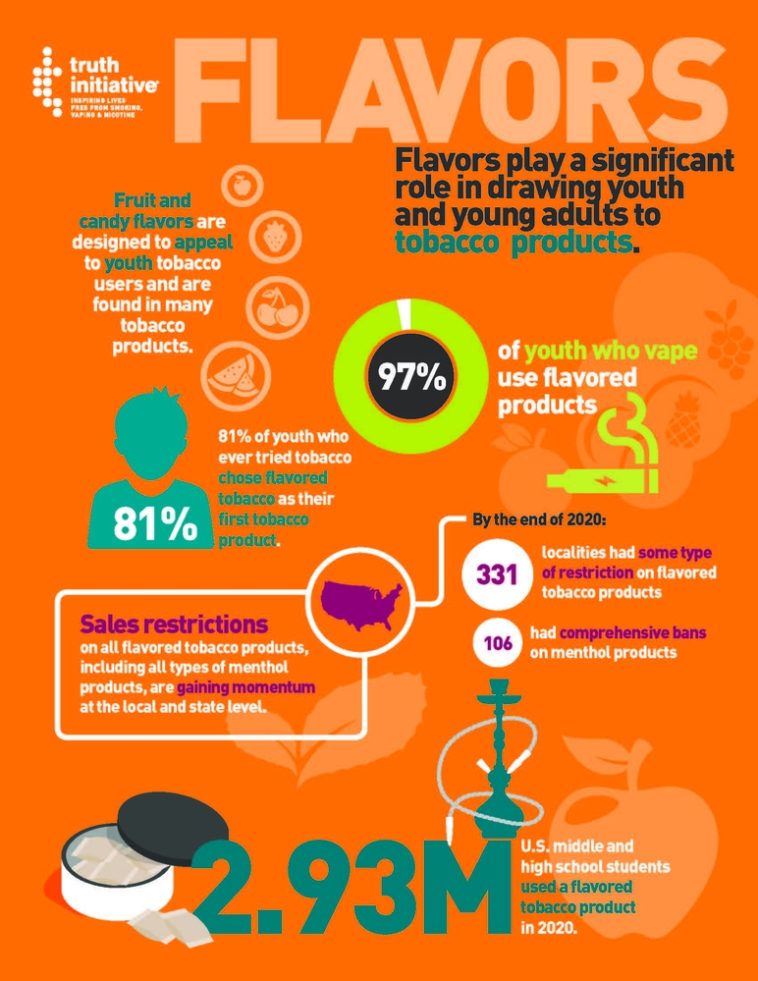

Government Restrictions on Flavored Nicotine Products and Their Impact
The global debate over flavored nicotine products has been heating up in recent years. On World No Tobacco Day, health leaders from around the world, including voices from the World Health Organization, have called on governments to take bold action and ban flavors from all nicotine products. In this opinion editorial, we take a closer look at how the marketing of flavored tobacco and nicotine items is drawing in young users, exacerbating public health challenges, and demanding urgent action from law makers. The current direction in regulatory policy may soon redefine the future of tobacco control across continents.
Flavored products such as menthol, bubble gum, and cotton candy have been designed to mask the natural harshness of nicotine and tobacco. This clever marketing ploy transforms traditionally off-putting products into tempting, youth-friendly items. Critics argue that this not only makes these products more appealing to teens and young adults but also makes quitting a long and challenging journey. Even though some believe that flavored offerings might encourage adult users looking for a less intimidating experience when reducing their tobacco use, the consensus among public health experts is that the risks far outweigh the potential benefits.
Youth Vulnerability to Nicotine Addiction
One of the main concerns regarding flavored nicotine products is their appeal to younger consumers. Recent data in various regions has highlighted a disturbing trend: an increase in nicotine use among adolescents driven by the enticing taste and appealing packaging of flavored items. This slippery slope can lead young people down a convoluted path toward long-term addiction and serious health issues down the road.
How Flavors Play a Role in Youth Experimentation
It is important to understand that flavors transform what are inherently harsh and strong chemical products into items that mask their more intimidating properties. By disguising the natural bitter taste of nicotine, these flavors create a façade of harmlessness. Here are some key points explaining how flavors lead the younger generation to experiment with nicotine:
- Masking the harsh taste: Flavors such as bubble gum or cotton candy help disguise the natural harshness of nicotine, making it easier for inexperienced users to start using these products.
- Attractive packaging and design: Brands are increasingly using colorful and playful packaging that appeals to youths, a tactic that is reminiscent of sugary snacks in a candy store.
- Innovative accessory marketing: Additional devices like capsule filters and click-on drops enhance the overall experience, providing a sense of novelty that lures first-time users to pawn away their guard.
Young people, whose brains are still developing, are particularly vulnerable to the young twists of nicotine dependency. The attention-grabbing flavors coupled with flashy designs create a perfect storm that can turn initial experimentation into continued use, making the journey to quitting far more complicated.
The Influence of Flavored Accessories in the Tobacco Industry
The marketing strategies employed by the tobacco industry have long been a cause for concern among public health officials. With each new flavor or accessory, companies manage to find creative ways to bypass existing regulations and entice new users. The subtle details in product design—ranging from innovative filter capsules to clickable drops—are prime examples of how the industry stays one step ahead of regulatory bodies. These clever methods turn what should be a health hazard into a product that seems almost trendy.
Marketing Tactics and Youth-Friendly Appeal
Several strategies are used by nicotine companies to manipulate the market, and the following points outline some of the approaches under scrutiny:
- Eye-catching colors: Packaging uses vibrant hues to mimic the playful designs of confectionery products, reducing the visual impact of the harmful ingredients inside.
- Social media presence: Extensive online campaigns on platforms popular with young people help normalize nicotine use and contribute to a wider acceptance among impressionable audiences.
- Flavor variety: By continuously introducing new and exotic flavor options, companies keep current users intrigued and lure in potential new customers who might otherwise have shied away from traditional tobacco products.
These savvy marketing techniques are designed to create an environment where nicotine consumption appears to be just another trendy lifestyle accessory rather than a health risk with a heavy price. When the industry combines the imaginative with the addictive, the results are not only confusing bits in public health policy but also leave regulators with tangled issues regarding how to properly address these emerging trends.
Public Health Implications of Flavored Product Bans
The call for a ban on all flavors in nicotine products is not made lightly. Public health advocates argue that such a move is critical for protecting vulnerable populations, curbing the tide of youth addiction, and ultimately reducing the long-term negative health impacts linked to tobacco and nicotine use.
Potential Benefits of Prohibiting Flavored Nicotine Products
If governments were to put the brakes on flavored nicotine products, several key benefits could be realized. These include both immediate and longer-term improvements in public health outcomes. A detailed look at the potential benefits includes:
- Reduced youth initiation: By eliminating enticing flavors, fewer young people would be tempted to try nicotine products, thereby cutting the addiction cycle right at its source.
- Improved quitting rates: Flavored products have been shown to complicate the quitting process for users. Removing them might help those who wish to stop using nicotine products by reducing one of the major temptations.
- Decreased exposure to harmful chemicals: Even though moderation in nicotine consumption is sometimes touted as an alternative to conventional smoking, heated tobacco products and similar items still expose users to a range of carcinogens and other toxic substances.
- Clearer health messaging: A ban would send a strong, unified message from health authorities: that the appeal of these flavored products is nothing more than a deceptive marketing trick designed to hook customers.
By curbing the accessibility of these flavors, governments could create a safer environment for young individuals who might otherwise be drawn into using these products early in life. This in turn builds a foundation for a healthier future with fewer long-lasting medical complications related to tobacco.
Challenges in Regulating a Rapidly Changing Market
Despite the clear benefits that could arise from prohibiting flavored nicotine products, the path to such regulation is not without its tricky parts. Between the constant evolution of nicotine products and the sophisticated marketing tactics of the tobacco industry, policymakers face a nerve-racking array of challenges. There are several reasons why implementing a comprehensive ban is loaded with issues:
Assessing the Economic and Social Impacts
Every policy must balance the prospective health benefits against potential economic and social drawbacks. In this case, several complicated pieces of the regulatory tapestry need to be considered:
- Economic repercussions: A significant segment of the economy is tied to the tobacco and nicotine industries. Banning flavors could result in economic disruptions, including lost revenue and job cuts in sectors related to production, marketing, and distribution.
- Consumer freedom: Some adults argue that flavored products give them a preferred option over smoking traditional tobacco. While this point of view is not lost on public health experts, balancing consumer choice against broader public health needs remains a difficult task.
- International trade complexities: In our interconnected world, actions taken in one country may reverberate across borders, affecting international markets and leading to potential conflicts between regulatory bodies.
These challenges remind us that while the health benefits of banning flavored nicotine products are clear, making your way through the associated economic and social impacts is anything but straightforward. These are small distinctions that shape policy by adding layers of nuance to the debate.
Lessons from the Americas: A Closer Look
The experience from the Region of the Americas offers a vivid example of both the strengths and the pitfalls inherent in anti-tobacco measures. Here, countries have seen a reduction in overall tobacco use by implementing a series of regulatory measures that target both traditional and emerging products.
Successful Policies and Their Implementation
Lately, some countries in the Americas have become forerunners in comprehensive tobacco control policies. These efforts demonstrate that significant progress can be made even when faced with intimidating layers of industry tactics. The following table summarizes some key measures and outcomes observed in the region:
| Policy Measure | Action Taken | Outcome Observed |
|---|---|---|
| 100% Smoke-Free Environments | Banned smoking in public areas | Lower exposure to second-hand smoke and decreased smoking rates |
| Graphic Health Warnings | Mandated warnings on packaging | Increased public awareness of health risks associated with tobacco |
| Complete Ban on Flavored Nicotine Products | Implemented in some Member States | Reduction in youth initiation rates and overall consumption |
While the journey toward comprehensive regulation is on edge with several hurdles, the successes in these countries provide a blueprint for what can be achieved. Experience has shown that bold policy decisions coupled with sustained public education can create a long-lasting impact on public health without necessarily undermining economic stability.
Alternative Approaches to Harm Reduction
Some experts argue that instead of an outright ban, a carefully calibrated harm reduction approach might be more effective. This line of thought emphasizes the potential role of controlled, regulated use of nicotine products as a transitional phase to aid those attempting to quit traditional tobacco usage altogether. However, this approach is not without its tangled issues.
Balancing Harm Reduction with Strict Regulatory Oversight
In balancing harm reduction goals with the need for strict public health safeguards, policymakers must consider several key points:
- Controlled access: Establishing strict age limits and monitoring sales channels to ensure that only the intended adult audience has access to alternative nicotine products.
- Education: Implementing public education campaigns that clearly articulate the health risks associated with alternative nicotine products, notwithstanding their role in harm reduction.
- Close monitoring: Ongoing research into the long-term health impacts of these products is essential. If initial assumptions change or if unexpected side effects are discovered, policies might need to be adjusted accordingly.
- Regulatory balance: While harm reduction might be seen as a pragmatic step for current smokers, it is important that regulations do not inadvertently normalize nicotine use among non-smokers or young people.
These points highlight how working through the regulatory landscape is loaded with difficulties. Balancing the benefits of harm reduction against the risks of increased nicotine initiation among youth is a slippery path that mandates caution and continued vigilance.
Examining the International Response and Future Steps
The call for banning all flavors in nicotine products is not limited to individual nations. It is a global movement driven by a recognition that the current trajectory, if left unchecked, could lead to a new generation being overwhelmed by the health risks associated with nicotine addiction. International organizations like the World Health Organization have been vocal about the dangers and have set the stage for a worldwide dialogue on this issue.
Collaborative Strategies for International Tobacco Control
Given the cross-border nature of tobacco marketing and sales, the global community must find a way to collaborate effectively. Here are some strategies that might help shape a unified international response:
- Shared regulatory frameworks: Developing international guidelines that provide a trackable path for countries to follow can help reduce reliance on localized strategies that might be easier for the industry to undermine.
- Cross-border cooperation: Countries can benefit from the exchange of data, experiences, and best practices. Joint initiatives could also amplify the global signal that flavored nicotine products are not simply consumer goods but dangerous marketing tools.
- Research and development: Encouraging international collaborative studies to further understand the small distinctions in how different flavor compounds affect health can lead to more informed policies.
- Public awareness campaigns: Global campaigns can help raise awareness about the hazardous side effects of flavored nicotine products, supporting local government measures with an international perspective.
Working together on such measures can help figure a path through the maze of conflicting interests and divide among stakeholders. International collaboration will be essential if efforts to curb the nicotine epidemic are to be sustained over time and across borders.
The Role of Personal Responsibility in a Changing Environment
While regulatory actions are crucial, there is also a pressing need for personal responsibility and informed decision-making among consumers. Not every individual is swayed by vibrant packaging or glowing social media apps. Most consumers benefit from a dose of clear, stark information that helps them understand the long-term consequences of their choices.
Empowering Individuals with Knowledge
Educating the public on the hidden complexities behind flavored nicotine products is essential for reversing current trends. Here are a few approaches that could help empower consumers:
- School-based programs: Early education initiatives should include information about the dangers of flavored tobacco products, helping young people see through the marketing glitz.
- Public health seminars: Community centers and local groups programmed to discuss the risks of nicotine addiction can provide a grassroots layer of education that counters sophisticated marketing tactics.
- Online resources: Websites, webinars, and interactive tools geared towards clarifying the fine points of nicotine addiction can serve as a valuable supplement to traditional education.
By actively engaging with communities and providing truthful, accessible information, public health officials can help individuals steer through the maze of conflicting messages. This collective approach can lead to a more informed public that is less likely to be manipulated by the tobacco industry’s clever disguises.
The Path Forward: Critical Steps in Tobacco Control Reform
As we stand at this decisive moment in public health history, the question is not simply whether to ban flavors but how best to achieve a comprehensive and lasting reduction in nicotine addiction. Policy-makers, regulators, industry insiders, and the broader public must all contribute to a future where flavored nicotine products no longer serve as an entry point into addiction.
Immediate Priorities and Long-Term Goals
There are a few immediate priorities that need to be addressed to ensure the effective implementation of a flavor ban:
- Legislation: Governments need to expedite the creation and enforcement of laws that specifically target flavored nicotine products.
- Monitoring industry tactics: Regulatory bodies should remain vigilant over the ever-evolving methods through which the industry might try to bypass new rules.
- International commitment: A unified global stance would significantly enhance the effectiveness of national bans, preventing cross-border discrepancies that can be exploited by companies.
- Public education: Raise awareness about the misleading nature of flavor additives and their role in nurturing long-term addiction.
Looking further ahead, successful tobacco control reform will rely on continuous reassessment of public health data, ready adjustments to policies as new trends emerge, and ongoing education campaigns that make the dangers of nicotine usage more evident. This is not merely about banning a product, but rather about safeguarding public health by addressing one of the more confusing bits of modern marketing that targets the youth.
Industry Responses and Corporate Accountability
Across the board, the tobacco industry has defended its product lines as a matter of consumer choice, often highlighting the argument that flavor variety offers smokers a less intimidating option when transitioning away from traditional smoking. However, evidence suggests that these flavors are nothing but a tool designed to capture a new demographic of users, particularly teens and young adults. This ongoing tug of war between public health advocates and the industry represents a tense battleground of ideas and corporate interests.
The Need for Greater Transparency from Tobacco Companies
Corporate accountability should be a key component of any successful public health strategy aimed at controlling nicotine addiction. Here are some areas where enhanced transparency is critical:
- Ingredient disclosure: Companies should be required to list every component in their flavored additives, allowing researchers and regulators to conduct thorough investigations into their safety and potential health effects.
- Marketing practices: Full transparency regarding advertising strategies, especially those aimed at young people, would allow regulators to better understand and counteract these tactics.
- Research funding: Tobacco companies must be clear about their contributions to research and whether these affiliations compromise the objectivity of health studies.
Only with unambiguous, detailed information can regulators and the public effectively figure a path through the layered tactics of the tobacco industry. Corporate practices that hide behind layers of misleading claims must be scrutinized if effective regulation is to take root.
Societal Shifts and the Future of Nicotine Consumption
Changes in societal attitudes are gradually reshaping norms related to nicotine consumption. While many still view tobacco as a personal choice, there is a potent counter-narrative emerging that emphasizes communal responsibility and the long-term costs of addiction throughout society. Overcoming the off-putting aspects of nicotine funding will require aligned efforts from everyone involved—from lawmakers and educators to communities themselves.
Creating a Culture of Health and Responsibility
Building a healthier future requires community engagement and consistent messaging about the severe health implications of nicotine. Here are a few strategies to help create a culture that prizes long-term health over short-term pleasure:
- Community outreach: Local organizations and public health groups should implement campaigns that highlight the hidden complexities and dangers posed by flavored nicotine products.
- Long-term educational programs: Schools and youth centers can incorporate modules that focus on real-life case studies, emphasizing how early experimentation with nicotine often leads to significant long-term health problems.
- Parent and caregiver involvement: Encouraging open communication within families about the risks of nicotine can foster environments where young people receive consistent and fact-based guidance.
Developing a health-centric culture involves making small distinctions in everyday life – from the messages in advertising to the narratives that drive public policy. With each informed conversation, society moves a step closer to rejecting manipulative marketing practices and embracing a future less burdened by preventable disease.
Conclusion: The Imperative of Bold Action
The call to ban flavored nicotine products is more than a regulatory recommendation; it is a necessary step towards protecting future generations from the traps of addiction. The evidence is clear: flavors mask the true nature of nicotine and make it easier for the youth to get caught up in a habit that is difficult to quit. In light of these troubling trends, government authorities, international organizations, and communities must come together and act decisively.
While the journey ahead is full of problems and twists and turns, what is essential is that proactive measures are taken now. From strengthening legislative actions and improving public education to increasing industry transparency and fostering a culture of responsibility, every step counts in the fight against an epidemic that is slowly engulfing younger populations.
This editorial has explored many of the challenging parts and hidden complexities in the battle to ban flavors from nicotine products. The evidence from research, success stories from the Americas, and lessons learned from the current regulatory landscape all point to one conclusion: The cost of inaction is simply too high. It is our collective responsibility—across governments, industries, and communities—to ensure that the health and future of our youth are not compromised by the manipulative allure of flavored nicotine products.
As the debate continues, we must remain vigilant. Policy-makers should dive in and examine not just the superficial appeal of these products but also the long-term implications they pose on public health. Continued research, cross-border cooperation, and unwavering commitment from the international community are key to dismantling the web of tactics used by the tobacco industry.
Ultimately, banning flavors in nicotine products is a super important measure. It is a move that underscores the need for public health to come before short-term economic interests or misleading industry narratives. As societies continue to evolve in the face of new challenges, a robust framework for tobacco control will be a cornerstone in protecting the next generation from a potential lifetime of addiction and disease.
Government bodies, health professionals, and community advocates must all figure a path together—working through the nerve-racking regulatory debates today—to secure a healthier, smoke-free tomorrow. Only through coordinated, transparent, and decisive action can we hope to reverse the current trends and ensure that the seductive lure of flavored nicotine products is nothing more than a relic of an era when exposing youth to harmful substances was an accepted risk.
As we look toward the future, it is clear that the fight against nicotine addiction requires constant vigilance, informed debate, and a commitment to placing public health above all else. Bold decisions made today will shape the legacy we leave for tomorrow. This is a call to all stakeholders: recognize the colorful distractions for what they are—smokescreens masking a grave public health threat—and join the movement to ban flavored nicotine products once and for all.
Originally Post From https://www.news-medical.net/news/20250530/WHO-calls-on-governments-to-ban-flavors-in-all-ncotine-products.aspx
Read more about this topic at
National Helpline for Mental Health, Drug, Alcohol Issues
E-Cigarettes: Flavors Fuel a Youth Addiction Crisis