
Reexamining Public Perceptions of Abortion Motivations in the Post-Dobbs Era
The recent wave of research on why people seek abortions has opened up a space for a thoughtful discussion on how the public’s perceptions may stray from the actual reasons reported by those who undergo the procedure. A new study – one that gathered open-ended responses from U.S. adults both before and after the landmark Dobbs v. Jackson decision – gives us a chance to dig into some of the tricky parts of public understanding and to discuss the information gaps between perceived reasons and actual experiences.
As this topic remains loaded with issues and subject to ongoing legal controversy, it is important to take a neutral, evidence-based look at the matter. While the findings reveal some surprising differences, they ultimately point toward the need for clearer public education on the subtle details surrounding abortion decision-making and the legislative changes that follow critical judicial rulings.
Understanding the Shifting Landscape of Abortion Legislation
Before we get into public perceptions, it is essential to set the stage by reviewing the current legal environment. The overturning of Roe v. Wade by the 2022 Dobbs decision greatly shifted the authority to individual states. This ruling – along with the ensuing legislative battles – has created an environment that is as nerve-racking as it is complex. With state laws coming into force that sometimes restrict or permit abortion with specific exceptions, there is increased media emphasis on conditions such as fetal health, the pregnant person’s health, and instances of rape or incest.
However, while these exceptions often make headlines, they do not necessarily capture the full range of reasons why individuals actually choose to pursue an abortion. To understand the big picture, it is helpful to look at how both statistical data and personal narratives shed light on the broader spectrum of motivations.
Legislative Changes and Media Influence
For many Americans, media reports have painted an image of abortion as occurring mainly for extraordinary circumstances. News coverage post-Dobbs has highlighted issues of health problems or violence, which may inadvertently lead to a skewed public perception. The reporting sometimes focuses on dramatic cases – the kind that are off-putting and overwhelming to many people – rather than everyday reasons rooted in shifting life circumstances.
By making your way through the maze of legislative changes and media coverage, it becomes evident that the public’s common-sense understanding may be driven more by the stories that receive attention rather than the fine details of real-life circumstances. In many cases, these stories mix violent episodes, dramatic health emergencies, and financial struggles into a single narrative that does not fully capture the tangled issues experienced by most abortion-seekers.
Public Perceptions versus Reported Reasons: The Reality on the Ground
A key takeaway from the study is that, despite decades of research and clinical evidence, there remains a significant divergence between perceived reasons for abortion and the actual reasons reported by patients. The survey revealed that common themes in public perception include:
- Unwanted or unplanned pregnancies – widely seen as the primary reason;
- Violence-related situations – including instances of rape or incest;
- Health-related issues – often emphasizing fetal health over the pregnant person’s well-being;
- Financial constraints – which appear as a secondary but frequently mentioned factor;
- Partner- and relationship-related concerns – where the lack of a supportive partner or relationship instability is noted;
- Not being ready or unprepared – capturing emotional and situational hesitations.
When broken down, a table of the emerging themes might look something like this:
| Theme | Description | Example Responses |
|---|---|---|
| Unwanted/Unplanned Pregnancy | Abortion sought due to an unanticipated or undesired pregnancy. | “Unexpected pregnancy”, “Not wanting children” |
| Violence-Related Reasons | Abortion pursued because of sexual violence, such as rape or incest. | “Rape”, “Sexual assault” |
| Health Reasons | Includes general health issues affecting the fetus or the pregnant individual. | “Fetal abnormalities”, “Medical emergency for mother” |
| Financial Reasons | Concerns over the ability to financially support a child. | “Can’t afford baby”, “Low income and poverty” |
| Relationship/Partner Issues | Abortion chosen due to relationship instability or lack of partner support. | “Single parenthood”, “Bad relationship” |
| Not Ready/Unprepared | The belief that it is not the right time for parenthood. | “Not ready”, “Wrong timing” |
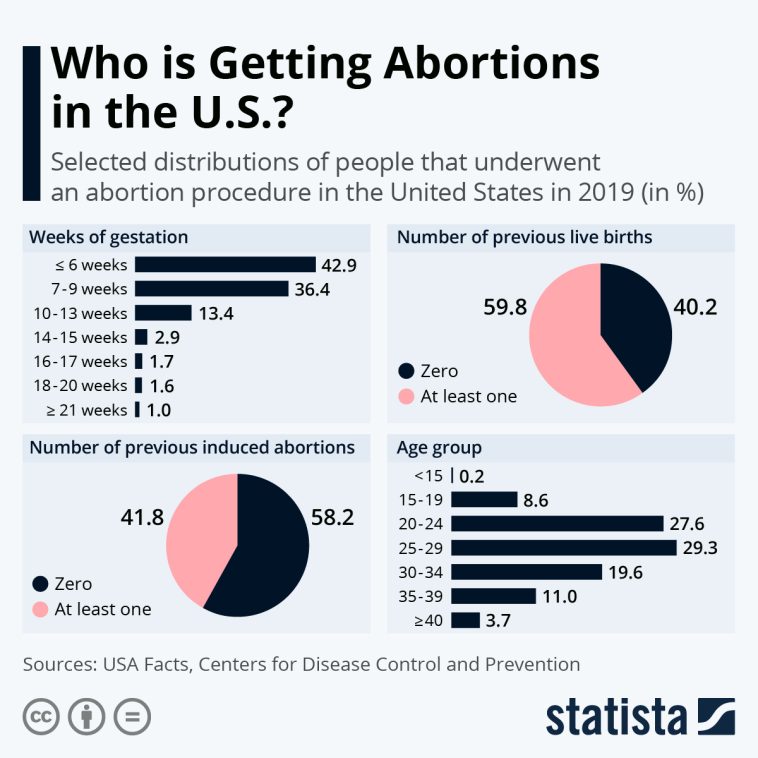
It is interesting to ponder why the public might lean toward emphasizing certain reasons – such as violence or dramatic health emergencies – when actual statistics show these scenarios are relatively rare among abortion patients. For instance, research suggests that only a small fraction of patients report factors like rape or severe health issues as the main cause for their decision. More commonly, issues related to planning, financial stability, and partner dynamics surface as the predominant factors.
This gap between popular belief and real-life motivations urges us to poke around the tangled details and consider what might be causing these misconceptions.
Digging Into the Twists and Turns of Abortion Decision-Making
Deciding to have an abortion is rarely a decision made in a vacuum. Instead, it is the outcome of a situation full of twists and turns – a blend of practical, emotional, and sometimes delicate personal factors. For example, the same person may simultaneously be facing unwanted pregnancy, uncertain financial resources, and a lack of a support network. In this context, any attempt to simplify the decision into one key reason can overlook the multiple layers involved.
Many respondents in the study provided answers that required more than one label to fully capture what they believed was happening. They did not view these decisions as being driven by a single factor, but rather a set of interrelated issues that are as complicated as they are personal. This observation forces us to acknowledge that personal narratives and practical scenarios – even if they seem straightforward at first glance – often have a series of confusing bits or little twists that only the individuals experiencing them can fully appreciate.
Multiple Dimensions in a Single Decision
It is easy for those not directly involved to assume that the most clearly visible reasons, such as violence or major health emergencies, are representative of the typical case. Instead, the aggregated data suggests that socioeconomic factors – ranging from financial concerns to the absence of a supportive partner – weigh heavily on the decision-making process. These are the subtle parts, the hidden complexities, that we need to take a closer look at when discussing abortion in any context.
To highlight this point further, consider the following bullet list of the multifaceted issues that often interplay in an abortion decision:
- Emotional readiness and psychological well-being
- Financial capability and economic stability
- Availability of social and partner support
- Health considerations – both for the pregnant individual and the fetus
- Cultural and familial expectations regarding parenthood
- Legal restrictions and the influence of policy on choices
These bullet points underline that the choice to have an abortion is not a decision made lightly, nor is it solely based on one narrow set of criteria. It is a layered decision with many moving parts, making it tricky to define with a single overarching reason.
Post-Dobbs Shifts: How Public Opinions Have Evolved
The announcement of the Dobbs decision appears to have influenced public perceptions. According to the study, responses collected after the decision show an increase in the frequency of health-related and financial reasons being mentioned. This shift is perhaps rooted in intensified media coverage and political debate that followed the ruling.
For many, the decision served as a wake-up call, illustrating that the environment surrounding abortion is laden with new challenges and contract changes. Essentially, the public’s picture of abortion motivations has been adjusted, possibly due to media emphasis on dramatic cases of health crises or financial hardship in the wake of restrictive legislation. There’s a tendency for these factors to feel particularly overwhelming when framed in terms of immediate risk or dramatic change.
Adjustments in Media Reporting and Public Focus
Media outlets tend to focus on exceptional and dramatic stories, sometimes leaving out the little details that reveal the everyday reality. After the Dobbs decision, the thrust of media attention has often been on how stringent state laws and trigger legislation might affect access to abortion. This, in turn, has nudged public opinion in a couple of key ways:
- Increased Awareness of Financial Strain: Stories of economic hardship and the increasing costs associated with traveling to obtain medical care have become more salient.
- Heightened Emphasis on Health Issues: Elevated coverage of cases where restrictive laws have put patient health at risk has made health reasons more top of mind for many.
It is important to consider how such media emphasis might lead some to overestimate the prevalence of such reasons. In doing so, the public might inadvertently create a narrative that does not completely mirror statistical realities from patient surveys or national research studies.
Language Differences in Perceptions: English Versus Spanish Respondents
An intriguing aspect of the study is the examination of differences in perceptions among respondents answering in English versus those in Spanish. These differences are likely influenced by cultural context, varied media consumption, and even differences in personal experience. English-language respondents were more likely to cite reasons that align with legislative exceptions, such as violence-related situations and health crises. In contrast, Spanish-language respondents more often mentioned themes such as unwanted pregnancies and relationship instability.
Understanding Cultural and Linguistic Influence
While the study did not delve deeply into the richness of immigrant experiences, there are hints that language shapes how certain themes are prioritized. For instance, respondents answering in Spanish tended to focus more on broader life context – such as the unplanned nature of a pregnancy or relationship complications – rather than specific instances that might line up with legislative language. This could be due to:
- A different cultural emphasis on family and community support.
- The influence of non-English media and community narratives.
- A potentially distinct approach to discussing personal versus public matters.
Such differences underline the importance of acknowledging that there are subtle, culture-laden details behind any discussion of abortion. The language in which a person responds might offer some key insights into their personal experience and the framework through which they evaluate the situation.
The Impact of Personal Experience and Public Misconceptions
One important question this research raises is: How do personal experiences – or the lack thereof – shape one’s views on abortion? For many respondents who have never faced the actual decision, the story of abortion is pieced together largely from media reports, hearsay, and political debate. This contributes to a state of confusion where the public might be leaning on stereotypes rather than the nitty-gritty of real-life experiences.
In many instances, public opinion is molded by a series of influences that include:
- Television portrayals that emphasize dramatic, off-scale narratives.
- News coverage that focuses on exceptional legal cases or sensational stories.
- Political discourse which tends to focus on specific exceptions (such as in cases of rape or severe health concerns).
While each of these influences contributes to the public narrative, they can often lead to an oversimplification – or even a complete misalignment – with the reasons that truly drive the majority of abortion decisions. It becomes clear that a basic understanding of the real, multifaceted reasons is critical if public sentiment is to match up with actual experiences and inform policy decisions in a fair and unbiased manner.
Breaking Down the Public’s Common Beliefs about Abortion
It might be useful to break down and compare what the public generally believes with what critical research indicates. Consider the following bullet list that juxtaposes the two perspectives:
- Common Perceptions:
- Abortion is primarily sought due to dramatic health crises or traumatic experiences like rape.
- The decision is viewed as largely driven by external factors rather than personal or economic choice.
- Reported Reasons by Patients:
- Financial constraints, lack of support, and unpreparedness for parenthood often play a major role.
- The decision is typically one made after weighing multiple factors, including the practical aspects of life.
Both bullet lists highlight that while media and public opinion emphasize the dramatic – or what some might call the “headline” issues – the everyday reality is often more intertwined with practical, even if complex, life circumstances. Notably, the study’s findings suggest that while unwanted pregnancies are frequently mentioned, a sizable percentage of respondents also noted financial and relationship-related issues.
Policy Implications and the Need for Accurate Public Knowledge
One of the core arguments emerging from this research is that misconceptions about abortion reasons have real-world implications, particularly in shaping policy and influencing public debate. When new legislative measures are considered, policymakers may rely on public opinions that have been formed under the influence of sensationalized media stories rather than on statistically sound research.
This misalignment can lead to exceptions in the law that may not cover the most common reasons that drive abortion decisions. For example, if legislation only caters to cases that are health- or rape-related, there remains a disconnect with a large number of individuals whose primary challenge is economic or relational. Such narrow definitions can be both intimidating and off-putting for those who find themselves in need of care.
Key Takeaways for Policy-makers
Given the evidence discussed above, there are several key points for policy-makers and advocates to consider:
- Expand the Narrative: Abortion policies should reflect a broader range of reasons beyond the dramatic headlines. This means recognizing the importance of financial stability, support systems, and personal readiness as essential factors.
- Correct Public Misconceptions: Public education efforts must be stepped up to provide the nuanced, evidence-based information that can help steer public discussion away from sensationalized narratives.
- Bridge the Gap Between Perception and Reality: Both legislators and health care providers must work together to communicate the fine points of actual abortion decisions over and above the small distinctions that appear when public opinions are formed in a politically charged atmosphere.
Ensuring that any legal framework is built on a clear and accurate understanding of the reality on the ground is super important. If society’s policies continue to be based on a distorted image, they may leave many individuals without the necessary support and resources to manage their reproductive health.
Media Literacy: Finding Your Way Through Confusing Coverage
For the everyday reader, it can be challenging to figure a path through the maze of news stories, social media clips, and political rhetoric. The changes in public perception that have followed the Dobbs decision illustrate how media coverage can shape our understanding of what is really a multi-dimensional issue.
When your impressions of abortion are largely informed by dramatic headlines, it becomes easy to generalize about the reasons that speakers use, even if those reasons capture only a part of the vivid picture. People are often left guessing whether the stories they see – filled with dramatic descriptions of health emergencies or instances of sexual violence – represent the bulk of abortion cases or just high-profile exceptions.
To help steer through this confusing maze, consider some practical tips for improving media literacy:
- Seek Out Diverse Sources: Look for reports from a wide range of news outlets, research organizations, and personal narratives to capture the full range of experiences.
- Examine the Fine Points: Understand that what makes headlines is not always what reflects the nitty-gritty of everyday practice. Try to read beyond the dramatic opening sentences.
- Question Simplifications: When a report seems to reduce the discussion into one dramatic factor, ask yourself what other practical or economic challenges might be at play.
- Learn the Little Details: Critical analysis of studies and policy briefs can help reveal the subtle differences between various circumstances and experiences that contribute to abortion decisions.
Media literacy is a must-have skill today, especially when topics are as loaded with issues as abortion. By taking the time to get into the small distinctions and subtle details, people can build a more complete and realistic understanding of how abortion decisions are made and what factors are truly driving these choices.
The Role of Cultural and Linguistic Diversity in Shaping Opinion
Language matters when it comes to discussing sensitive issues. The study’s findings that perceptions vary between English-speaking and Spanish-speaking respondents highlight some of the subtle parts that are shaped by cultural and social context.
For instance, cultural values around family, community, and parenthood may lead some groups to emphasize the practical aspects of an unintended pregnancy – such as economic hardship or relationship challenges – rather than focusing solely on dramatic exceptions like rape or severe medical emergencies. In contrast, those more exposed to English-language media might see these dramatic cases in the context of legal exceptions and policy debates.
This divergence is a reminder that when addressing a public health issue, there is no one-size-fits-all approach. Instead, educational and policy efforts must be tailored to take into account:
- The diverse cultural backgrounds of the public;
- Different media consumption habits across language groups;
- The various ways communities frame issues related to reproductive health.
Only by recognizing these subtle cultural twists and the differing ways that communities perceive the practicalities of abortion can effective communication strategies be developed. Such an approach is key in ensuring everyone receives clear, accurate, and context-sensitive information.
Bridging the Gap Between Science and Public Opinion
One of the most striking aspects of the debate around abortion is the disconnect between scientific evidence and public opinion. On one hand, detailed research provides a multi-layered look at the many intertwined reasons behind abortion decisions. On the other, public opinion is largely shaped by headline-grabbing stories and politically charged narratives – a far cry from the nitty-gritty realities laid out in surveys and studies.
This gap can have far-reaching consequences. Legislators might design policies that align with public perceptions rather than empirical data. As a result, policies can end up being out of step with the real experiences of abortion-seekers. For instance, laws that only consider dramatic health or violence-related explanations may fail to provide support for the very real economic and personal challenges that many individuals face.
To break down this gap, it is essential that efforts be made to bring scientific findings into the mainstream discussion. Here are a few strategies that could help:
- Increase Transparency of Research: Researchers and public health experts should make their findings accessible in language that a layperson can understand.
- Encourage Open Dialogue: Forums, public debates, and community meetings can serve as venues where experts and the public come together to discuss evidence-based findings.
- Incorporate Real-Life Testimonies: Sharing personal stories alongside statistical data can humanize the numbers and provide clear examples of how diverse factors lead to abortion decisions.
- Utilize Social Media Responsibly: Given the prevalence of information online, it is super important that reputable sources use social media platforms to distribute accurate and balanced content.
Bridging the science–opinion gap not only leads to better-informed policies but also helps to reduce the stigma often associated with abortion. By understanding that the decision is influenced by a mixture of financial, emotional, and personal factors, the public can begin to see abortion not as a monolithic issue but as a complex personal decision influenced by several intersecting factors.
Concluding Thoughts: Toward a More Informed Public Dialogue
The study we have discussed offers a nuanced look at public perceptions in contrast to actual reported reasons for seeking an abortion. It highlights the reality that while the public often cites unwanted pregnancies, violence-related situations, and dramatic health issues as the primary reasons, the true spectrum of motivations is far more complex and interwoven with financial constraints, relationship dynamics, and personal readiness.
This opinion editorial has aimed to take a closer look at this issue, poking around the tangled issues and messy bits that complicate public opinion. It has examined how legislative changes, media narratives, and cultural differences intersect to form a picture that is not always in line with real-world experiences. The shifts observed in public opinion after the Dobbs decision further underscore the impact that major legal and media events can have on the way society views this sensitive topic.
For policy-makers, health professionals, and the wider public, it is key to acknowledge that understanding abortion decisions requires a careful, multi-dimensional approach. Instead of relying solely on the dramatic stories that receive the most media attention, we must steer through and figure a path toward a more nuanced discussion – one that is rooted in empirical data, sensitive to cultural differences, and cognizant of the subtle differences underlying personal experiences.
In summary, as we continue to work through this politically charged issue, it is critical to:
- Ensure that public debates and policy decisions are guided by comprehensive research rather than oversimplified narratives.
- Promote education and media literacy so that everyday citizens can get around sensationalized portrayals and focus on the fine details.
- Recognize the various personal, cultural, and economic factors that come together – in all their little twists and turns – to shape abortion decisions.
- Foster a dialogue that bridges the gap between scientific evidence and common perception, thereby paving the way for compassionate, inclusive, and realistic policy frameworks.
Only by addressing these key points can society hope to move toward policies that are as inclusive and realistic as the lives they are meant to affect. In doing so, we validate the diverse experiences of those who face these challenging decisions and help build a foundation for public opinion that is truly aligned with real-world evidence.
Ultimately, the call to action is clear: we must embrace a broader narrative that accounts for all the tricky parts and subtle details of abortion decision-making. This means recognizing that while headlines may spotlight the dramatic cases, the everyday stories are often about choosing between financially overwhelming challenges, relationship uncertainties, and the honest, if tangled, reality of an unplanned pregnancy.
By working together—policy-makers, educators, media professionals, and members of the public—we can build a more informed and balanced understanding. This is not only a super important step for public health but also key to fostering a respectful dialogue that supports individuals in making the best decisions for their lives, free of stigma and misrepresentation.
In our ever-changing socio-political landscape, let us take a closer look at both the headline issues and the underlying nitty-gritty, so that the conversation around abortion becomes a true reflection of reality rather than a distorted narrative driven by selective media portrayals.
This balanced approach will ultimately pave the way for policies that are not only legally sound but also compassionate and reflective of the actual complexities – or, as some might say, the twisted, tangled issues – of human life. It is in this spirit of inclusiveness and understanding that we must move forward in shaping a more informed, thoughtful, and truly supportive public discourse on abortion.
Originally Post From https://reproductive-health-journal.biomedcentral.com/articles/10.1186/s12978-025-02039-5
Read more about this topic at
Differences in abortion attitudes by policy context and …
Who Gets an Abortion in the U.S.? Perceptions Don’t Match …