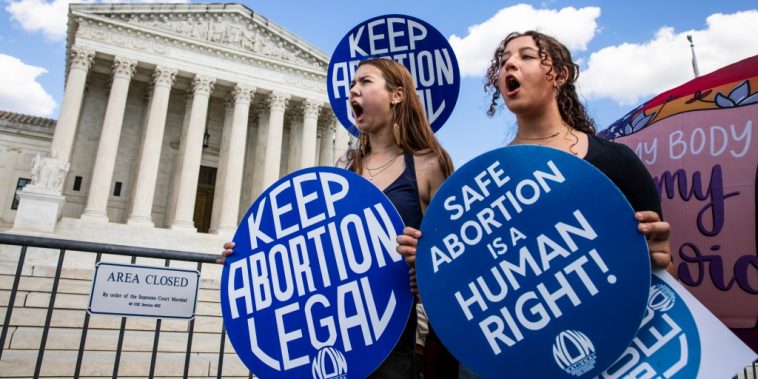
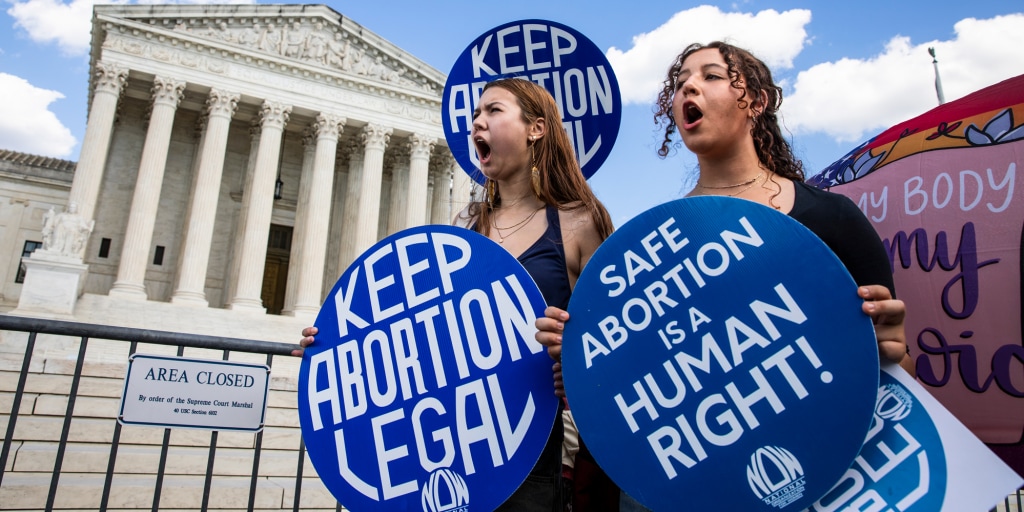
Background: The Twists and Turns of Reproductive Rights in America
The United States has witnessed some truly tangled issues over the past few years when it comes to reproductive rights. Three years have passed since the U.S. Supreme Court made the controversial decision to overturn a long-standing precedent, and the effects of that ruling continue to ripple through society and politics. The debate surrounding abortion access has become one of those confusing bits of our national discourse—interwoven with legal challenges, policy reversals, and an ongoing struggle for women’s autonomy.
In recent times, Senate Democrats have taken a bold step by introducing the Women’s Health Protection Act of 2025. This legislation is seen as a response to a series of politically charged decisions that have, in many people’s view, stripped millions of American women of essential reproductive health care. The act aims to guarantee abortion access nationwide and restore the comprehensive healthcare rights that many feel have been eroded by both judicial decisions and political maneuvers.
At the heart of the matter is an intense public debate, where every opinion is weighted with emotion, legal interpretation, and political strategy. Many of those involved in this debate are trying to find their way through a maze of tricky parts related to the policy’s implementation and the political backdrop against which it is set.
Legal Battles and Confusing Bits in the Women’s Health Protection Act
The current legislative efforts offer a stark contrast to previous attempts to regulate abortion access. With the introduction of this bill, key senators—including Peter Welch of Vermont, Tammy Baldwin of Wisconsin, Richard Blumenthal of Connecticut, and Patty Murray of Washington—are attempting to fix what many see as a broken system. They argue that, under the current circumstances, the balance of power has shifted too far toward restrictions, leaving women with fewer rights than previous generations ever experienced.
Critics of the sweeping judicial decision argue that for the first time, women are facing an imbalanced system where personal health decisions have become deeply entangled with political and ideological preferences. Proponents of the act insist that it is crucial to get into the fine points of healthcare rights, ensuring that access to abortion is protected against arbitrary waiting periods, medically unnecessary ultrasounds, and other state-imposed hurdles.
It is important to note that this legislation is not only about rights; it is also about health and safety. The bill clearly lays out provisions that would prevent state governments from putting in place measures that jeopardize timely access to care. For example, restrictions that have left many women in rural or underserved communities effectively stranded are among the many issues that the act seeks to address.
Below is a table that outlines some of the notable senators backing this measure, along with a few key states they represent:
| Senator | State | Key Contribution |
|---|---|---|
| Peter Welch | Vermont | Primary sponsor and advocate for protecting patient autonomy |
| Tammy Baldwin | Wisconsin | Critic of measures that hinder a woman’s right to choose |
| Richard Blumenthal | Connecticut | Voiced concerns about healthcare delays resulting in dangerous outcomes |
| Patty Murray | Washington | Staunch supporter of restoring reproductive healthcare rights |
Unpacking the Law’s Aims: Ensuring Access to Abortion Care
The Women’s Health Protection Act is designed to set a national standard for reproductive healthcare that is resistant to the twists and turns of local and state-level restrictions. The law’s proposals include:
- Prohibiting states from imposing measures that inadvertently delay or deny access to abortion early in pregnancy.
- Protecting the right to travel out of state for abortion services, which has become an essential option for many in regions with draconian restrictions.
- Ensuring that any restrictions placed on later-term procedures do not put the health or life of a mother in jeopardy.
This approach is seen by many as a way to guarantee fairness in a field that has been riddled with tension. The act promises to stop the spread of what many view as overly rigid measures, such as mandatory ultrasounds or unfounded waiting periods, which have been criticized as off-putting hurdles rather than practical safeguards for health.
Importantly, the bill does not just focus on abstract principles—it seeks to address the very tangible impacts that these policies have on patients. By creating federal standards, the legislation aims to fill the gaps left by state-level measures that have, in many cases, led to dangerous delays and forced women to navigate a maze of bureaucratic red tape when trying to access care.
Critical Protection for Women’s Autonomy and Healthcare
One of the core arguments in favor of the Women’s Health Protection Act is that it restores essential control over one’s healthcare decisions to individual women. Many legislators and advocates believe that no one should have the power to force someone into continuing a pregnancy under any circumstances if that decision conflicts with personal, physical, or mental well-being.
The way this legislation has been framed by its sponsors is all about putting the choice back into the hands of the patient. For instance, Senator Welch spoke passionately about the need to reverse the effects of the Supreme Court decision—arguing that it left current generations with fewer rights than those of their mothers and grandmothers. Meanwhile, Senator Baldwin warned that attempts to extend restrictions further would effectively build a backdoor national ban on abortion, one that strips away essential autonomy and choice.
This conversation is not just about legal interpretations; it resonates deeply with the public, as many citizens believe that their ability to make key personal health decisions should not be subject to political battles. This is one of those key issues where the personal and the political mix, creating an environment where every small twist or turn of policy has far-reaching implications for individual lives.
Real-life Impacts: The Hidden Complexities of Restricted Abortion Access
When policies restrict access to abortion care, the consequences can be severe and far-reaching. In regions where such access is limited by confusing state laws and challenging legal battles, women often face a number of additional difficulties, such as:
- Travel Burdens: Many women are forced to travel long distances—sometimes out of state—when local providers shut their doors. This can result in delays that are not just inconvenient but potentially dangerous.
- Healthcare Disruptions: Closure of reproductive health centers means that services beyond abortion—such as maternal health care—are compromised, leaving entire communities without the care they need.
- Economic Impacts: For many individuals, the cost associated with traveling for care, missing work, or paying for additional medical services becomes overwhelming.
- Mental Health Strain: Facing scrutiny and having to navigate these tricky steps in a tense political environment can cause significant psychological stress and anxiety.
Each of these points represents a complicated piece of the puzzle. It is not just about policy for policy’s sake—it’s about real women facing nerve-racking personal challenges during a critical time in their lives. When access is limited, the outcome could be loss of trust in the healthcare system and fear of making personal decisions without support.
Congressional Battle: Sorting Out the Political Tug-of-War
The political landscape surrounding reproductive rights is one that is often full of problems and loaded with controversies. The act has sparked a fierce debate in Congress, where the lines between personal freedom and state control are constantly being redrawn. On one side, there is an argument that the recent bill will safeguard a woman’s right to make decisions about her own body. On the other side, critics suggest that it represents a further encroachment by federal power, potentially overriding state-level policies that some communities prefer to maintain.
Critics also argue that recent efforts, such as the defunding of established providers like Planned Parenthood and budget cuts that have resulted in millions losing their healthcare coverage, are part of an ongoing campaign to restrict reproductive rights. They see these measures as part of a broader strategy to create a troubling precedent, one where political ideology takes precedence over healthcare and human rights.
This political struggle is reflected in everyday life through stories like those of patients who have been turned away from emergency rooms or forced to endure extended waiting periods because of arbitrary and intimidating state restrictions. The debate continues as members of Congress propose new bills, each trying to find their way through the tangled issues left in the aftermath of the Supreme Court’s decision.
The following bullet list summarizes some key political moves recently observed:
- Repeating legislative attempts by Democrats to enshrine patient rights at the federal level.
- Efforts by Republicans to tighten restrictions, including state-level bans and reduced funding for key reproductive care providers.
- High-profile public debates and media coverage that have polarized opinions, creating an environment where compromise seems increasingly elusive.
- Federal budget measures that may leave millions without essential health insurance, further compounding the health crisis for many families.
Examining Future Scenarios: What Does a National Standard Mean?
Looking ahead, one of the most significant questions is: What will it mean for America if the Women’s Health Protection Act is passed? Many policy experts believe that a national standard for abortion rights could yield a more consistent healthcare environment, where every woman has the same essential rights regardless of her state of residence.
The act aims to remove those arbitrary state-by-state differences which have led to a patchwork of confusing policies. Imagine a scenario where, instead of having to figure a path through an ever-changing legal maze, every woman could access the same comprehensive care regardless of geographic location. Such uniformity might help reduce many of the additional burdens, such as travel and economic hardship, that come with the current system.
However, this potential national standard also faces its own set of challenges. Implementing federal regulations that override state decisions can itself be a tricky proposition. Opponents argue that such a move may lead to even more complicated pieces of legal disputes and create further friction between states and the federal government.
Some have raised concerns about whether a one-size-fits-all approach is the best solution for a country as diverse as the United States. The balancing act between uniformity and respecting state autonomy is one of those subtle details that has long been a point of contention in American politics.
The following table outlines some predicted future scenarios if the Act becomes law versus if it does not:
| Scenario | If the Act Passes | If the Act Fails |
|---|---|---|
| Access to Care | Nationwide uniform access with fewer state-imposed restrictions | Continued patchwork of regulations with significant regional disparities |
| Legal Stability | Stronger federal guidelines that provide predictable legal protections | Ongoing legal challenges and confusing bits in state-by-state enforcement |
| Economic Impact | Reduction in costs related to travel and delayed care | Increased economic burden on women facing out-of-state travel and higher medical fees |
| Political Climate | Potential for bipartisan debates on improving healthcare systems further | Continued polarization and a shifting battleground in federal and state legislatures |
Public Sentiment and Ethical Considerations in the Reproductive Rights Debate
The ethical landscape around reproductive rights is as layered as it is sensitive. For many, the decision to have an abortion is deeply personal and entwined with moral, religious, and cultural values. In a debate where every decision involves a fine shade of moral judgment, legislators, healthcare providers, and patients are often forced to confront small distinctions that carry enormous weight.
On one hand, supporters argue that the fundamental right to choose is essential for ensuring that women can lead autonomous and fulfilling lives. On the other hand, those opposed to the current state of affairs worry that introducing federal standards might ignore the subtle differences prevalent across communities, each with its own traditions and ethical judgments.
In order to get into the nitty-gritty of these ethical dilemmas, it is important to consider the following aspects:
- Autonomy versus Collective Morality: Balancing an individual’s right to personal health decisions with community standards and values remains a central—and often nerve-racking—challenge.
- Healthcare Equity: Ensuring that every woman, regardless of her socioeconomic status, can access necessary healthcare is seen as a super important measure of a society’s compassion and justice.
- Legal and Ethical Precedents: The ongoing legal battles have created a scenario where each twist and turn in policy has significant moral and societal implications.
The public sentiment surrounding these issues is divided. Many surveys have shown that while a large majority of Americans support protecting reproductive rights, there is still significant opposition grounded in different cultural and ethical views. However, it is clear that the debate is far from settling down anytime soon, with each side determined to make their perspective heard.
Comparative Perspective: Reproductive Choices in a Global Context
Looking beyond American borders can also shed light on the heated domestic debates. In many developed countries, a national standard for abortion access is seen as a norm rather than an exception. Countries in Western Europe, for example, have long established healthcare frameworks that guarantee access to reproductive health services as a critical component of their social welfare systems.
In these nations, the pathway through legal and healthcare systems is often smoother, with fewer of the nerve-racking hurdles that American women face under each state’s patchwork of regulations. A comparative analysis can be summarized as follows:
- European Models: Many European countries have national legislation that supports reproductive rights, creating fewer confusing bits and allowing for streamlined access to healthcare services.
- Latin American Developments: Several Latin American nations have recently reformed their abortion laws, noting that when access to care is protected at a national level, healthcare outcomes improve significantly.
- Lessons Learned: The emphasis in these countries is on protecting women’s health by ensuring that the system can quickly and efficiently respond to healthcare needs without being bogged down by state-level restrictions.
A closer look internationally shows that while no system is free from challenges, having a national framework that prioritizes essential healthcare rights can reduce the overwhelming uncertainties that many American patients currently face. In this respect, the Women’s Health Protection Act might not only benefit the United States but also provide a model for other nations wrestling with similar issues.
Looking Ahead: How Will This Act Shape Healthcare?
The potential impact of the Women’s Health Protection Act on the broader healthcare landscape stretches far beyond reproductive rights alone. By establishing national guidelines and protections, the act could serve as a catalyst for reinforcing other essential health services. Here are a few ways in which the bill might influence the future of healthcare:
- Standardization of Services: With uniform regulations, healthcare providers could see reduced administrative burdens, allowing them to focus more on patient care rather than tangled legal twists and bureaucratic hurdles.
- Improved Access for Underserved Communities: Women in rural or economically disadvantaged areas may no longer face the overwhelming task of navigating a shifting array of state mandates to receive crucial treatment.
- Enhanced Patient Safety: A consistent and predictable legal framework means that women can quickly get the care they need without delays that could endanger their health.
- Economic Benefits: Fewer obstacles in accessing care could translate to lower healthcare costs in the long run, as treatments can be delivered promptly and complications reduced.
Experts suggest that adopting such federal standards might even encourage innovation in healthcare delivery. With clearer guidelines, medical professionals can devote more energy to improving the quality of care, rather than constantly needing to figure a path through myriad local regulations.
These changes may also prompt discussions on other key areas of health policy, leading to a more integrated and resilient healthcare system. As one observer put it, this isn’t just about abortion rights—it’s about rethinking how healthcare is managed across the entire nation.
Conclusion: Taking the Wheel Toward a Healthier Future
As debates continue and legislative battles rage on Capitol Hill, the introduction of the Women’s Health Protection Act of 2025 stands as a beacon of hope for many. It is a call to prove that when it comes to healthcare—and reproductive rights in particular—women should have the super important right to make choices about their own bodies. This legislation represents not only a defiance of attempts to roll back rights but also an important reassertion of trust in personal healthcare decisions.
At its core, this ongoing debate is about ensuring that every American woman has the right to navigate the often overwhelming, tangled issues of her own reproductive health. The Act aims to remove the nerve-racking obstacles that have made access to care unpredictable and, at times, downright dangerous. By establishing a federal standard, the legislation seeks to smooth out the rough patches and fill in those hidden complexities that have long troubled communities across the nation.
For those who stand by the importance of protecting a woman’s autonomy, this bill is a countermeasure to the measures that have left many feeling unsafe and undervalued. Critics, on the other hand, warn that a single national standard might overlook the local, subtle differences essential to community values. Regardless of which side one leans toward, there is broad agreement on one point: the current state of affairs is riddled with issues that demand a thoughtful, balanced response.
In the end, restoring comprehensive reproductive healthcare rights isn’t just a political move—it is a moral imperative. As we take a closer look at policy, law, and the lived experiences of American women, it becomes evident that the choices made today will echo through generations. Will the legislation help us steer through the confusing bits and ultimately steer toward a healthier, fairer future? Only time will tell, but many are willing to bet that restoring these rights is a few super important steps in the right direction.
In this critical moment for healthcare in the United States, the path forward is defined by an ongoing debate filled with complicated pieces, overwhelming choices, and moments that are both intimidating and off-putting. Yet, amid all the tension and uncertainty, the act of taking the wheel—of affirming a nation’s commitment to personal healthcare rights—might just be the most key move of all.
Looking around at the current landscape, one sees the far-reaching implications of every legal, political, and personal twist in this saga. Legislative decisions have the power to shape not just a legal framework, but also the very fabric of society. With the Women’s Health Protection Act, there is an opportunity to set a new standard that protects not only access to abortion but also reaffirms that women are trusted to make decisions they believe are best for their own health and futures.
While the journey through this legal and moral maze is far from over, acknowledging the nerve-racking and tangled challenges ahead is the first step toward building a system where every woman can confidently find her way through the confusing bits of healthcare planning. As this debate continues, it remains clear that the country stands at a crossroads—one that demands both compassion and a willingness to meet the issue head on, with policies that reflect the full breadth of its people’s values and needs.
Ultimately, this is a moment of history in the making—a chance to reaffirm the rights of every individual and to build a future where access to essential healthcare is not a privilege but an unquestioned right. In striving to correct the past and create a more just system for tomorrow, we take a crucial step toward a healthier, more equitable society that respects not just individual autonomy, but the well-being of all its citizens.
As citizens and policymakers alike continue to navigate these overwhelming challenges, it is our collective responsibility to remain vigilant, informed, and compassionate. This legislation is a symbol of that commitment—a commitment to ensuring that every twist and turn in our healthcare system ultimately serves the best interests of the people it is meant to protect. The road ahead may be fraught with difficult decisions and tense debates, but by taking proactive steps to safeguard reproductive healthcare, we are investing in a future where every woman can confidently and securely chart her own course.
The coming years will undoubtedly reveal the long-term effects of this historic legislative move. For now, as we sift through legal debates, policy proposals, and the real-life stories of countless families impacted by these measures, one thing stands clear: the fight for reproductive rights is far from over. The Women’s Health Protection Act of 2025 represents a strong effort to counterbalance the burdens that excessive restrictions have laid upon generations of American women. In doing so, it invites all Americans to take a closer look at the fine points of what it means to have control over one’s own body and destiny.
In conclusion, the conversation around this banner piece of legislation is not just about politics—it is about people, ethics, and the search for a fairer, more just society. As the debate continues and new developments unfold in legislative halls and courtrooms alike, it is essential that we all remain engaged in this critical dialogue. Whether through advocacy, informed voting, or active participation in community discussions, every voice counts in shaping a future where healthcare, especially reproductive healthcare, is governed by principles of compassion, equity, and respect for individual autonomy.
Only by acknowledging the nerve-racking challenges and by steering through the maze of confusing bits, can we build a system that truly stands for the well-being of all. The Women’s Health Protection Act is a call to action—a call to set aside divisiveness and to focus on the shared goal of ensuring that all Americans, regardless of background or circumstance, have the right and the means to access the medical care they need. In the spirit of this vision, let us take the wheel together and drive toward a future marked by fairness, dignity, and a commitment to protecting essential rights for everyone.
Originally Post From https://vermontbiz.com/news/2025/june/25/third-anniversary-overturn-roe-v-wade-senate-dems-introduce-bill-restore-abortion
Read more about this topic at
Top 7 Things You Can Do Right Now for U.S. Abortion Rights
Restore Our Rights: Reproductive Freedom NOW – Take Action