Coordination and Consultation in Reproductive Health: A Balanced Look
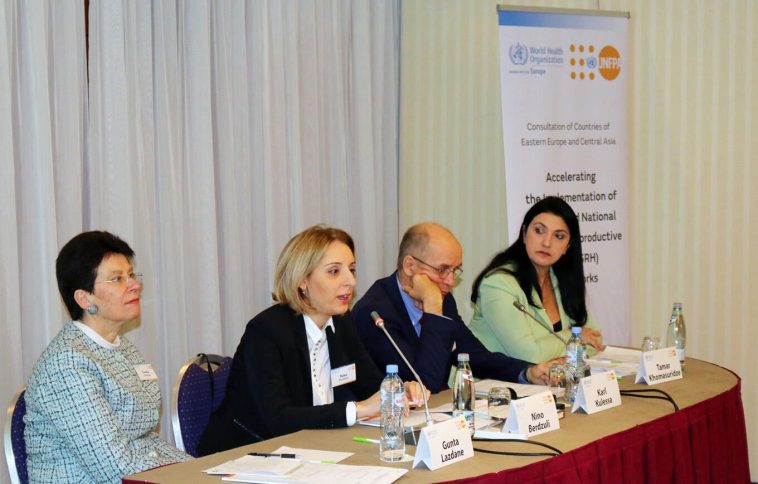
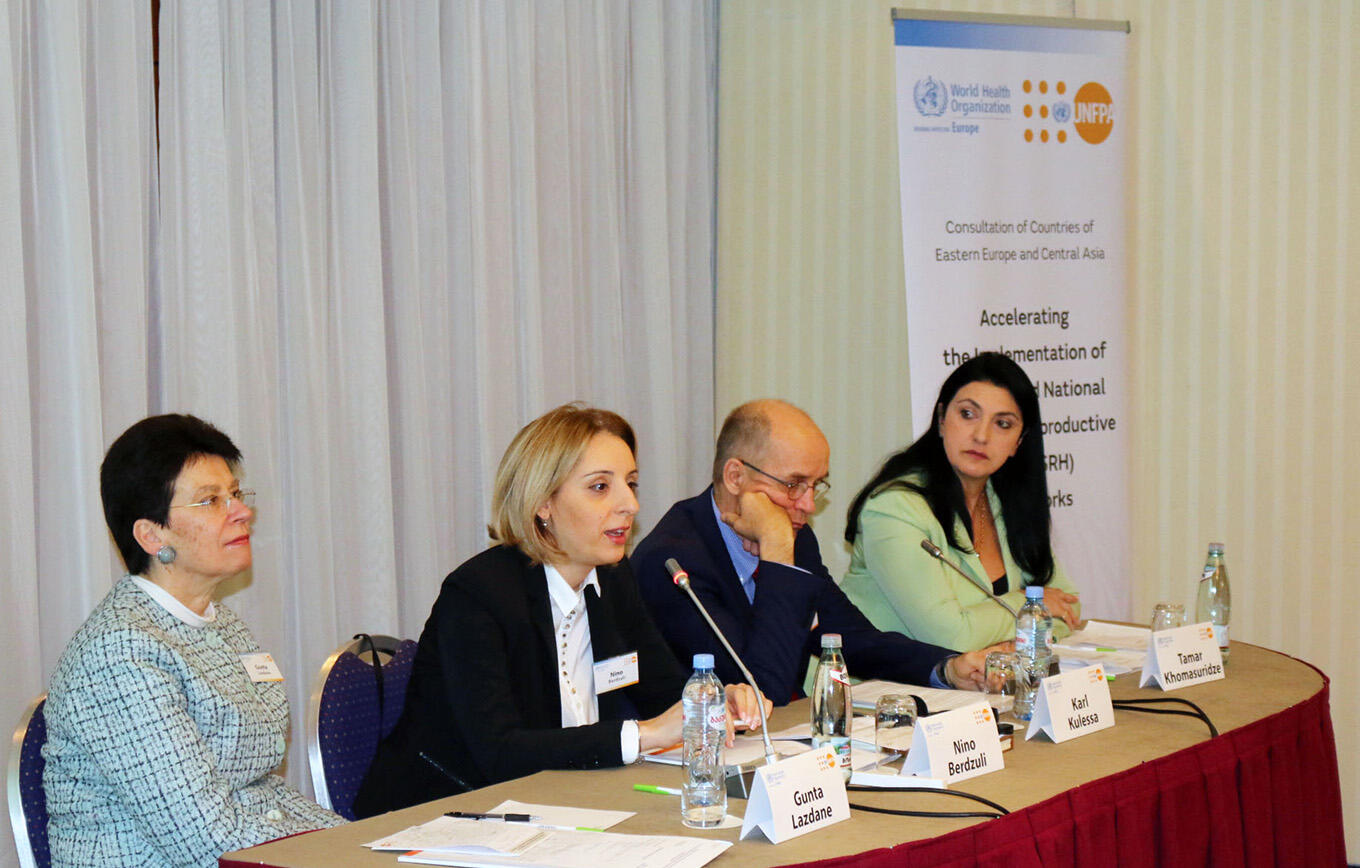
The recent coordination and consultation meeting organized by the Ministry of Public Health marks a significant step forward in the journey toward enhancing reproductive health services. As discussed during the meeting held at the Ministry’s headquarters, bringing together diverse stakeholders from governmental bodies, international organizations, and healthcare professionals demonstrates the government’s commitment to addressing both the promising opportunities and the tricky parts that come with making progress in reproductive health. In this editorial, we take a closer look at the event, discussing the various initiatives, the challenges faced, and the collectively envisioned future for reproductive health services. This discussion offers a balanced review that is neither overly celebratory nor critical, aiming instead to provide thoughtful insights into the evolving domain of reproductive health.
Over the years, the reproductive healthcare sector has been full of problems and tangled issues. While reforms and initiatives have brought about positive changes, there are still many complicated pieces that need careful attention. Modern healthcare systems now recognize that ensuring high-quality reproductive health services is not only a key public health issue but also an essential element in promoting human rights and gender equality. The meeting, chaired by Minister Salek Baba Hasana, served as a pivotal point to reassess the achievements and to chart new paths for overcoming the nerve-racking obstacles that remain.
The Role of Government in Strengthening Reproductive Health Services
Government involvement is super important when it comes to making reproductive health services accessible and effective. At the meeting, several high-level officials, including the Secretary-General of the Ministry, Salek Mohamed Omar, and representatives from international organizations, came together to share their insights. Their presence underscores the belief that true progress in reproductive health is only possible through coordinated efforts among both local and international partners.
Ensuring Accessibility and Quality
One of the primary responsibilities of any public health system is to ensure that services are available, accessible, and of high quality. Meeting participants discussed the importance of:
- Increasing access to reproductive health services for all citizens.
- Ensuring that clinics and hospitals are equipped with the necessary modern facilities.
- Providing continuous training for healthcare professionals to keep them updated on best practices.
Expanding on each point reveals little details that can sometimes be overshadowed by broader statistics and figures. For instance, while overall access is a measure of quantity, the quality of care provided is critical to building long-lasting confidence among the community. The government, therefore, must continually find its way around the smaller twists that involve both the human and infrastructural elements of the public health sector.
Legislation and Policy Reforms
Policy reforms are another cornerstone of progress in reproductive health. Recent legislative initiatives have aimed to update and enhance the legal framework that supports reproductive rights and safety protocols across various healthcare facilities. These reforms are essential because they help to ensure that healthcare providers have clear directives and that citizens can expect standardized care. Working through these policies, one realizes that while some legislative elements are straightforward, others are loaded with issues that require long-term collaboration among the multiple tiers of government.
Collaborative Approaches: Bringing Together Multiple Partners
The consultation meeting was marked by the participation of several international organizations and non-governmental bodies. Noteworthy attendees included representatives from the UN High Commissioner for Refugees (UNHCR), the Asturias Cooperation Agency, Doctors of the World–Spain, UNICEF, and other key agencies. Their involvement is a testament to the global understanding that reproductive health is a universal concern, transcending national boundaries.
International Partnership and Support
International groups play a critical role by providing technical support, financial resources, and expertise drawn from diverse experiences. Their contributions can be viewed as a lifeline, particularly when local systems are figuring a path through the tangled issues associated with upgrading service delivery. Not only do these partners offer immediate assistance, but they also help shape global standards and encourage the diffusion of best practices.
Key Contributions of International Partners
| Organization | Area of Expertise | Contribution |
|---|---|---|
| UNHCR | Emergency Health and Refugee Support | Providing resources and policy guidance, especially in managing reproductive health during crises. |
| Asturias Cooperation Agency | Development and Capacity Building | Offering technical expertise and financial aid for improving healthcare infrastructure. |
| Doctors of the World–Spain | Clinical and Field Operations | Implementing healthcare programs that focus on marginalized populations and reproductive emergencies. |
| UNICEF | Child and Maternal Health | Advocating for reproductive rights and supporting sustainable programs for maternal health. |
These contributions help address both the from-scratch demands and the subtle parts in service improvement. In particular, the focus on reproductive health by these organizations assists not only in alleviating immediate concerns but also in setting the stage for long-term empowerment and reform.
Highlighting Community Involvement: The Role of Local Experts
In addition to international support, the meeting also featured inputs from local experts, including several central directors and Sahrawi midwives. Their hands-on perspective introduces the nuanced, everyday challenges that citizens experience when accessing healthcare. Their role is super important because they are the ones who have to steer through both the administrative and on-ground challenges that can sometimes seem overwhelming.
The involvement of local healthcare providers has several benefits:
- Direct Feedback: They offer feedback on the actual implementation of policies and share first-hand experiences of what works and what does not.
- Community Trust: Their continued presence in the local community builds trust and encourages people to seek necessary services, no matter how intimidating the process may appear.
- Cultural Relevance: Local experts ensure that reproductive health initiatives are culturally sensitive and properly tailored to meet the unique needs of the community.
Successful Initiatives and Their Impact on Reproductive Health Services
One of the highlights of the meeting was the detailed presentation by Khidouma Bilali, Head of the Central Department of Reproductive Health. In her comprehensive review, Bilali laid out both the successes achieved through dedicated efforts and the frustrating challenges that continue to require attention. Her presentation provided a clear picture of how reproductive health services have advanced over time, while also openly addressing those confusing bits that still pose difficulties.
Achievements in Reproductive Care
The progress in reproductive health care is evident in several areas. Some of the main achievements include:
- Increased accessibility to reproductive services through newly established clinics.
- Enhanced training programs that have benefited thousands of healthcare providers.
- Strengthened collaboration with international partners which has led to the adoption of progressive healthcare models.
- Improved outreach campaigns and educational programs aimed at raising public awareness of reproductive health matters.
These bullet points reiterate that while analytics and metrics offer one side of the story, the people on the ground—the patients, midwives, and doctors alike—are living through both the positives and the more challenging twists and turns associated with changes in the system.
Challenges that Must Be Addressed
Despite the noted successes, the presentation also shed light on several off-putting issues that remain. These challenges are not just bureaucratic; they also have a direct impact on how services are both delivered and perceived. Key issues include:
- Infrastructure Gaps: Many clinical facilities require upgrades to provide a safe and hygienic environment.
- Staff Shortages: An ongoing shortfall in trained and experienced healthcare staff leads to delays in service provision.
- Logistical Inefficiencies: Discrepancies in resource allocation often result in a situation that is full of problems, requiring a coordinated response.
- Public Perception: Misinformation and cultural misconceptions about reproductive health can create barriers to accessing care.
Each of these issues involves small distinctions and fine points that, if not handled with care, can detract from the overall progress that has been made. The Ministry’s strategy involves not only addressing these challenges head-on but also actively engaging the community as partners in the solution process.
Strategic Roadmap for Future Improvements
In the wake of the consultation meeting, a thoughtful strategic roadmap is being developed to tackle the remaining challenges and further improve reproductive health services. This roadmap is built on the idea that long-term improvements can only be achieved if all interested parties work together continuously and cooperatively. From policy reforms to grassroots participation, the approach is layered and multifaceted, embodying both immediate actions and future aspirations.
Short-Term Actions: Immediate Improvements
In the short term, the roadmap outlines several initiatives aimed at steering through the critical issues currently faced. These include:
- Infrastructure Upgrades: Immediate investments in clinical facilities to improve sanitation, safety, and overall patient experience.
- Staff Training Programs: Launching new training sessions and refresher courses to ensure that healthcare workers are well-equipped to handle daily challenges.
- Enhanced Communication: Developing clearer communication channels between healthcare providers and the public to dispel myths and confirm accurate information.
- Resource Reallocation: Working to reorganize and optimize the flow of necessary supplies and equipment where they are needed most.
These initiatives may seem straightforward, but they also involve a host of little details and hidden complexities that require constant monitoring. The government must be prepared to find its way through bureaucratic red tape and ensure that every step taken translates into tangible improvements on the ground.
Long-Term Vision: Sustainable Progress
Looking longer term, the vision extends to building a self-sustaining system that continuously adapts to emerging health challenges. Some key components of this vision include:
- Robust Policy Frameworks: Upgrading existing laws and protocols to remain in sync with international best practices while tailored to local needs.
- Community Engagement: Expanding public outreach efforts to demystify reproductive health and encourage proactive health-seeking behavior.
- Technological Integration: Introducing advanced technology solutions for better data management, telemedicine, and remote training options.
- Institutional Partnerships: Strengthening ties with global organizations to benefit from shared research and innovative practices in reproductive health.
This long-term vision is not without its challenges. It requires persistence, a willingness to tweak strategies as new data emerges, and a solid commitment from both government officials and international partners. Despite the nerve-racking aspects of overhauling established systems, the anticipated outcomes are seen as super important for ensuring that everyone has access to the reproductive health services they need.
Public Health Impact and Community Benefits
Improving reproductive health services holds a ripple effect that benefits the wider community. When reproductive health is enhanced, communities often see improvements in maternal health, reduced infant mortality, and stronger family well-being. In a sense, these health reforms are not confined solely to clinical settings—they extend into everyday life, impacting family planning, employment, and overall quality of life.
Health Outcomes and Quality of Life
A key argument in defense of investing strategically in reproductive health is that the benefits extend well beyond simple clinical outcomes. Improved reproductive care contributes to:
- Empowered Women: Increased access to reproductive health services empowers women to make informed decisions about their bodies and futures.
- Family Stability: Better reproductive care translates to enhanced family planning, which in turn stabilizes family income and social conditions.
- Community Resilience: Enhanced healthcare builds stronger community foundations, helping societies adapt better during times of health crises or emergencies.
These benefits are achieved through continuous cooperation among governmental bodies, international agencies, and local communities. Although managing these aspects can be intimidating, the collaborative approach helps find constructive ways to tackle each tricky part.
Role of Education and Awareness Campaigns
Awareness and education are central pillars in the strategy to improve reproductive health services. Without reliable, culturally sensitive educational campaigns, even the best policies may fall short of their intended impact. The meeting emphasized the need for:
- Clear Communication: Crafting messages that avoid medical jargon and instead use simple, relatable language to explain reproductive health issues.
- Community Workshops: Conducting local sessions where community members can ask questions, express concerns, and receive accurate advice.
- Digital Outreach: Utilizing social media and online platforms to ensure that educational materials reach a wider, more diverse audience.
These efforts are designed not only to inform but also to empower individuals to take charge of their reproductive health. They play a super important role in dispelling myths and reducing the intimidating nature of seeking healthcare services. In this way, education doesn’t just spotlight the benefits—it actively works to bridge the gaps and manage the tricky parts that traditionally deter many from accessing care.
Balancing Innovation with Tradition in Reproductive Health
Modern advancements in reproductive health are continually being contrasted with traditional practices. The coordination meeting highlighted the importance of integrating new medical technologies and techniques with established, culturally respected practices. Finding your way between innovation and tradition requires understanding the little twists and slight differences between modern science approaches and long-standing cultural values.
Technology in Modern Reproductive Health
Innovative tools such as telemedicine, real-time data tracking, and mobile health applications are increasingly becoming a part of reproductive healthcare delivery. These technologies can help healthcare providers respond more swiftly to service delivery challenges. However, implementing these systems is not without its twists and turns:
- Data Security and Confidentiality: Safeguarding patient information while making efficient use of digital systems.
- Accessibility Issues: Ensuring that even in remote areas, patients have the technology needed to benefit from these innovations.
- User Familiarity: Training both healthcare providers and patients to comfortably adopt new technologies is crucial amidst the tangled issues surrounding technological integration.
Through the lens of technology, it is clear that while digital tools hold great potential, they must be implemented thoughtfully and in a manner that does not neglect the subtle parts of patient privacy and usability.
Integrating Cultural Practices with Modern Healthcare
In many communities, traditional practices and modern interventions coexist side by side. Many local healthcare providers and midwives bring with them a wealth of knowledge passed down through generations. These traditional practices often possess hidden complexities that, when blended with modern healthcare, can provide a more complete picture of patient care.
Key considerations include:
- Cultural Sensitivity: Ensuring that modern reproductive health programs respect cultural values and practices.
- Community Dialogues: Holding regular discussions with local leaders and cultural representatives can assist in aligning modern techniques with traditional values.
- Balance in Approaches: Striking a balance where technology augments rather than replaces personal care and local wisdom.
This integration is not without its nerve-racking challenges, but the potential benefits are transformative. With respectful adaptation and open dialogue, innovative approaches can coexist with time-honored traditions, thereby enhancing the overall effectiveness of reproductive healthcare delivery.
Implications for Global Health and Future Dialogues
The coordination meeting on reproductive health is a microcosm of broader global health initiatives. In our interconnected world, local improvements in reproductive health have implications that extend far beyond national boundaries. International organizations are watching these developments closely because they offer insights on how best to design programs that are adaptable to diverse environments and cultures.
Global Standards and Shared Learning
One significant takeaway from the meeting is the value of shared learning. When international and local experts come together, they effectively dig into the subtle details of what has worked in different contexts and share best practices. This communal knowledge has several benefits:
- Standardization: Helping countries align their reproductive health services with global standards.
- Resource Optimization: Allowing for the pooling of resources and reducing duplicative efforts across borders.
- Innovation Transfer: Facilitating the adaptation of new healthcare innovations in varied cultural and economic landscapes.
While the path forward in global health is sometimes filled with intimidating bureaucratic obstacles and minor operational challenges, the joint efforts of international partners provide a robust framework for improvement.
Future Dialogues and Policy Future-Shaping
The strides made at this consultation meeting are promising, but they also serve as a foundation for ongoing dialogues. As policy-makers, clinicians, and international stakeholders continue to work together, several areas need continuous attention:
- Regular Consultations: Holding periodic review meetings to make sure that all progress is monitored and refined as needed.
- Adaptive Policies: Recognizing that static policies may not serve a rapidly evolving health landscape; flexibility is key.
- Continuous Training: Investing in the professional development of healthcare workers to keep pace with the latest advancements in reproductive health practices.
- Community Feedback: Establishing feedback loops ensuring that local concerns are consistently incorporated into policy revisions.
These ongoing policies and dialogues are critical for keeping all stakeholders on the same page. The meeting highlights not only the successes but also the nerve-racking areas that still demand innovative brainstorming and collaborative problem-solving.
Embracing a Collaborative Future for Reproductive Health
In wrapping up the discussions initiated at the Ministry’s consultation meeting, it is clear that the journey toward enhanced reproductive health is an ongoing one. The involvement of various agencies, ranging from global organizations to local midwives, signifies that every contribution matters—whether it’s addressing the fine points of policy or smoothing out the confusing bits of day-to-day service delivery.
This collaborative spirit is a reminder that significant progress often requires navigating a landscape that is both full of problems and filled with promising opportunities. By pooling expertise, resources, and cultural insights, the path ahead becomes less intimidating and more manageable. As policy-makers work to update strategies, and health professionals continue to learn from one another, the overarching goal remains steadfast: to build a reproductive health system that is efficient, compassionate, and truly reflective of the people it serves.
Key Takeaways for Stakeholders
For readers and stakeholders interested in driving similar initiatives in their regions or fields, here are a few prioritized action points:
- Embrace Multidimensional Collaboration: Align local efforts with international best practices without neglecting cultural individuality.
- Focus on Continuous Learning: Utilize technology and education to overcome both immediate and nerve-racking challenges.
- Bridge Policy with Practice: Ensure that legislative reforms keep pace with on-ground realities and public feedback.
- Empower the Community: Elevate voices from within local communities to foster trust and create culturally appropriate solutions.
Recommendations for Future Meetings and Policy Recommendations
Based on the insights gathered from the meeting, experts recommend that future gatherings incorporate:
- Studies of local case examples to illustrate successes and the tangled issues that remain, providing a practical guide for policy formulation.
- Interactive workshops where midwives, doctors, and community representatives can share their experiences and generate actionable insights.
- Systematic reviews of resource allocation strategies to ensure that investments in infrastructure and training produce measurable benefits.
- Ongoing evaluation reports that transparently track progress and highlight areas in urgent need of improvement, thus steering through the complex pieces of the system.
Final Thoughts: Building a More Inclusive and Responsive Healthcare Future
In summary, the Ministry of Public Health’s consultation meeting on reproductive health is not merely an isolated event but a significant milestone in an ongoing journey toward more inclusive and effective reproductive healthcare services. The meeting’s blend of governmental leadership, international expertise, and local commitment offers a roadmap for overcoming both the immediate and long-term challenges. Every step, whether it involves expediting infrastructure upgrades or conducting community workshops, is part of a larger picture: the sustained improvement of public health systems.
While the road ahead may be loaded with issues, the collective determination of all parties involved paints an optimistic future. Success in reproductive health entails careful attention to every small distinction, and a commitment to consistently improving the quality and accessibility of services. By addressing both the overwhelming and the finer points, policymakers and healthcare providers can work together to create a system that not only meets but exceeds the evolving needs of the community.
The lessons learned from such coordination meetings are super important as we continue to figure a path forward in public health. They remind us that while challenges remain, they can be tackled through shared knowledge, determined effort, and a willingness to embrace both modern technologies and enduring traditional values. Ultimately, the collaborative spirit showcased in this meeting is a heartening sign of progress and a beacon of hope for devising sustainable, community-centered healthcare solutions in the future.
As we reflect on these discussions, it becomes incumbent on all stakeholders—government officials, healthcare providers, international partners, and community members alike—to take to heart the need for continued dialogue and proactive strategies. Steering through both the immediate and long-term challenges will require a balanced approach and a commitment to working together. The future of reproductive health depends not only on top-level policy decisions but also on the diligent day-to-day efforts of those directly involved in care delivery.
Looking ahead, it will be interesting to witness how these strategies evolve. Will increasing the use of technology ultimately bridge the gap between urban and rural health services? How will legislative reforms adjust as new healthcare challenges emerge? Answers to these questions lie in the shared experiences of all those who partake in this journey. For now, the Ministry’s ongoing efforts to create a more supportive framework for reproductive health serve as a promising foundation on which future progress can be built.
In closing, the consultation meeting stands as a reminder: every step toward a better reproductive healthcare system is a step toward a healthier society. Each twist and turn—no matter how confusing or overwhelming at times—brings us closer to a system where every individual can access the care they need safely, efficiently, and respectfully. This is a goal that benefits not only individuals but also families, communities, and future generations.
Ultimately, in the world of reproductive health, collaboration, continuous improvement, and innovation are the keys to addressing the intricate, tangled, and sometimes nerve-racking parts of the system. Through persistence, open dialogue, and a willingness to learn from both successes and setbacks, the journey ahead promises meaningful change and a strengthened healthcare system for all.
Originally Post From https://www.spsrasd.info/en/2025/11/10/12849.html
Read more about this topic at
A roadmap toward equitable, coordinated, quality …
About the Division of Reproductive Health