Reassessing FDA’s Black Box Warning on Hormone Therapy for Menopause
The U.S. Food and Drug Administration is in the midst of a significant conversation about whether to ease the black box warning on hormone replacement therapy (HRT) drugs. For decades, this warning has been a constant companion on products designed to ease menopause symptoms, warning of risks such as breast and uterine cancer, blood clots, stroke, and even dementia in older women. As experts continue to share their opinions, this change signals a potential shift in how we approach the treatment of menopause-related conditions.
The current debate places HRT under the microscope as healthcare professionals and women grapple with the intricate balance between treatment benefits and potential health risks. In this opinion piece, we aim to dig into the key aspects of this development, discuss the fine details of the issue, and examine the lasting effects this decision might have on women’s health.
Examining the History of Black Box Warnings in Menopause Treatment
Since its introduction in 2003, the black box warning has been one of the FDA’s most prominent safeguards for estrogen-based medications. In fact, over 20 years of patient care have shaped our understanding of the black box label and its purpose. Initially implemented following studies like the Women’s Health Initiative, these warnings have had a lasting impact on prescription practices and public perception.
By highlighting specific risks, such as the possibility of breast cancer, uterine cancer, and even cardiovascular issues, the warning aimed to protect an aging population from potential complications. However, many experts have long argued that the warning may not tell the whole story, especially for younger women who begin hormone therapy around the onset of menopause symptoms. This shift in perspective is fueling a reexamination of the warning’s appropriateness – a process that could help ease the confusion around HRT use.
Understanding the Tricky Parts of Hormone Replacement Therapy (HRT)
When talking about HRT, several tricky parts come to light that have led to enduring controversies. To work through these issues, it is important to consider both the benefits and the perceived risks associated with the therapy.
Historically, many women have benefited dramatically from HRT, experiencing relief from hot flashes, night sweats, and insomnia. Yet the perceived risks, amplified by the black box warning, have scared many away from pursuing a treatment that could otherwise significantly enhance their quality of life. The following bullet point list summarizes some of these core concerns:
- Potential increase in the risk of certain cancers
- Heightened risk of cardiovascular events such as stroke and blood clots
- Concerns over neurological impacts, including risks of dementia
- Variation in risk profiles between different forms of estrogen delivery
This list highlights not only the dangers but also the areas where further research and subtle clarifications are essential. The varying risks associated with estrogen pills versus patches or creams, for example, represent a small distinction that could alter treatment choices for many women.
Expert Opinions: A Mix of Caution and Optimism
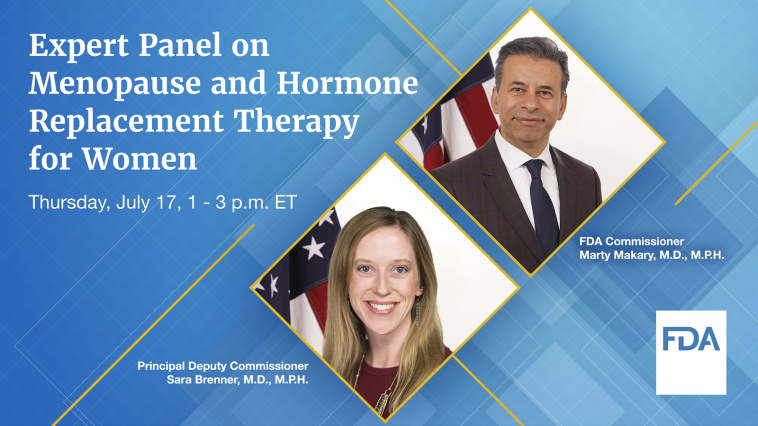
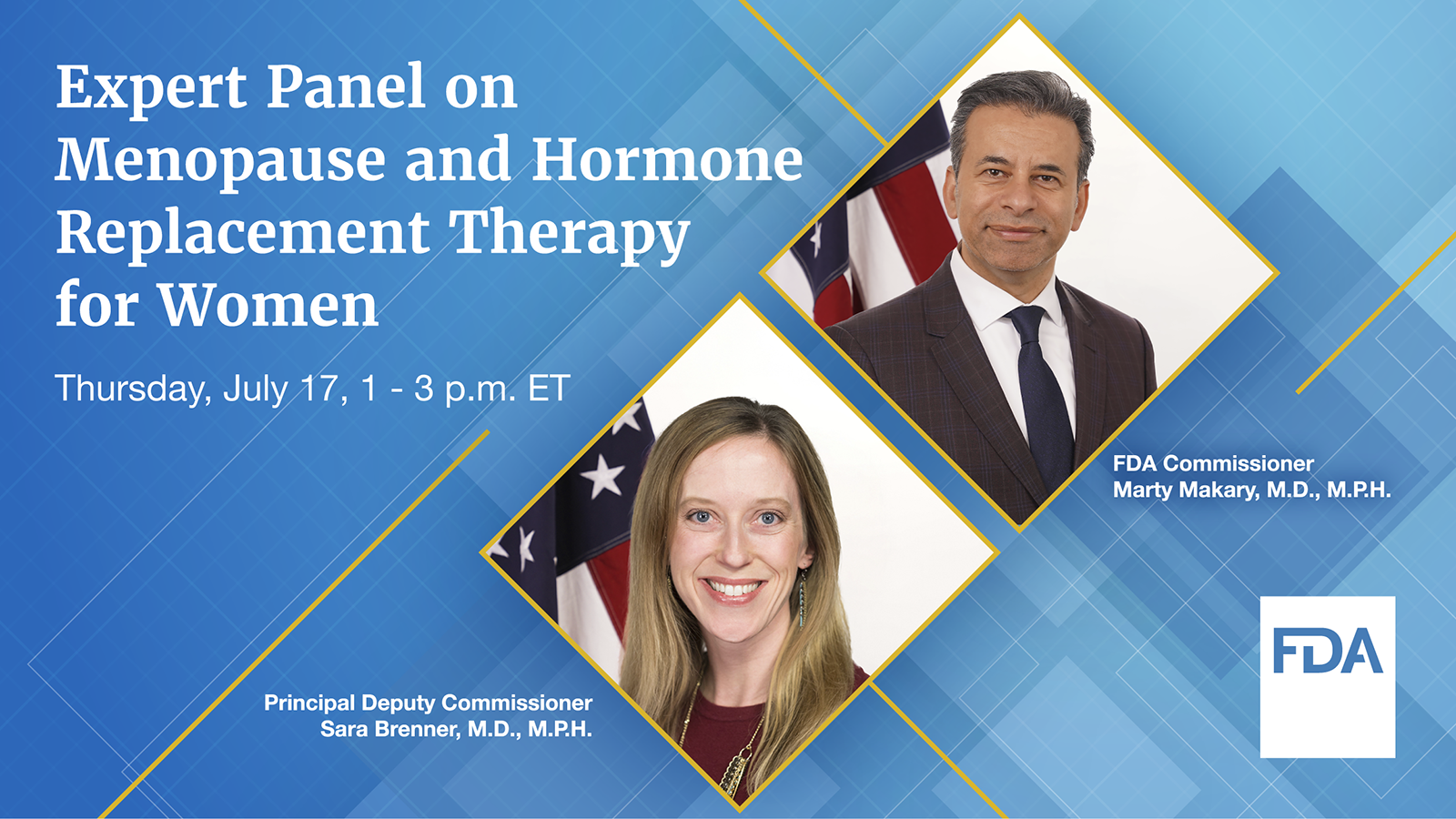
Healthcare professionals from various fields are weighing in on the subject with divergent opinions. At the forefront, FDA Commissioner Dr. Martin Makary described the discussions around the current warning as “serious,” implying that a decision is on the horizon. He even suggested that more information will be available soon, indicating a move toward updating the warning in light of evolving scientific evidence.
Other specialists have been more explicit in their criticism of the existing black box warning. For instance, Dr. JoAnn Manson, a leading voice from Harvard Medical School, bluntly stated that the loss of HRT opportunities is a tragedy—one that has impacted approximately 50 million women who might have otherwise benefitted from these treatments. According to Dr. Manson, such an intimidating label has turned what could be key help into a source of unnecessary fear.
Experts like Dr. Leslie Cho at the Cleveland Clinic have also added that caution is important. They emphasize that while hormone therapy can ease uncomfortable symptoms, its role in preventing major conditions like heart disease, Alzheimer’s, or osteoporosis remains a subject of debate. Cholesterol, cardiovascular risk, and other complicated pieces of women’s health must be balanced carefully, ensuring that any treatment regimen is fully customized to the patient’s unique needs.
Easing the Warning: What Does It Mean for Prescriptions?
The possible removal or easing of the current black box warning on estrogen menopausal drugs could mark a turning point. Over the years, prescriptions for hormone therapy have dropped dramatically—from roughly one in four women in the late 1990s to only one in twenty-five today. This dramatic downturn suggests that the warning, and the fear it instilled, may have led to under-treatment of an issue that can deeply affect quality of life.
Many healthcare providers are now urging a reconsideration of how the benefits of HRT might outweigh its risks—especially for younger women experiencing the more telling signs of menopause. By easing the text on these labels, women might be more inclined to explore hormone therapy under professional guidance, potentially unlocking therapies that have been overlooked due to fear-mongering warnings.
This shift is also expected to make it easier for patients to work with their physicians to find their way through the maze of treatment options. In so doing, a more tailored approach to hormone therapy may emerge, one that recognizes the small distinctions between different delivery methods and patient profiles.
Reevaluating the Evidence: Has the Science Changed?
One of the more confusing bits of the HRT debate stems from the fact that much of the initial data linking hormone therapy with increased risks came from a study in 2002. The Women’s Health Initiative was groundbreaking at the time, but subsequent reviews have shown that its conclusions might not apply uniformly across all age groups. In particular, younger postmenopausal women might experience a more favorable balance between benefits and risks when beginning hormone therapy soon after their symptoms emerge.
As new research has come to light, the data suggest that the one-size-fits-all approach to hormone therapy may no longer be justified. It appears that the timing of therapy initiation, the dosage, and the mode of delivery (pills versus patches or creams) are all important factors that add different twisted layers to the overall risk profile.
These findings call for a closer look at the current evidence base, highlighting the importance of continual research. In essence, easing the black box warning could lead to a reclassification of risk—a reawakening of the therapeutic potential of HRT for the right candidates.
How Different Delivery Methods Impact Risk
One important consideration in the HRT discussion is the effect of different drug delivery methods. It turns out that not all estrogen treatments are created equal. Below is a table summarizing some key differences in terms of risk and patient suitability:
| Treatment Form | Risk Profile | Clinical Considerations |
|---|---|---|
| Oral Estrogen Pills | Higher risk for cardiovascular events and blood clot formation | May be suitable for patients without significant cardiovascular history |
| Transdermal Patches | Lower impact on clotting factors, generally considered safer for the heart | Preferred for women with mild to moderate symptoms and cardiovascular risk factors |
| Topical Creams and Gels | Minimal systemic exposure, potentially safer | Ideal for localized symptoms, such as vaginal dryness or urinary discomfort |
| Vaginal Rings/Tablets | Low systemic absorption, reducing risks associated with oral routes | Often recommended for women primarily dealing with urogenital symptoms |
As this table shows, the choice of hormone delivery method can inform a physician’s decision-making process. The subtle differences between these routes reflect fine shades of clinical nuance—a careful weighing of benefits versus risks in managing one’s health.
The Broader Implications for Women’s Health
A change in the regulatory language surrounding HRT could have implications that extend well beyond the immediate treatment of menopause symptoms. One of the most significant aspects to consider is the broader conversation around women’s health and the management of long-term health conditions post-menopause.
The reduction in HRT use, influenced by the exaggerated fear of serious complications, has led some to argue that millions of women have been left without a key resource for managing menopause symptoms. Critics highlight that the scary warnings might have led to a delay in addressing symptoms that can be both uncomfortable and, in some cases, debilitating.
Moreover, the black box label has arguably contributed to a ripple effect in how hormone therapy is perceived by both patients and providers. Removing or easing this warning could help to destigmatize the use of hormone therapies, encouraging a more balanced discussion that accounts for both the potential benefits and the risks.
Addressing the Public’s Concerns and Misunderstandings
The public reaction to the black box warning has been a mixed bag. While some appreciate the extra caution, many find it overly intimidating—leading to a reluctance to use a therapy that could significantly alleviate menopausal discomfort. The current system, in which warnings overshadow potential benefits, appears to be a prime example of how medical labeling can sometimes do more harm than good.
To work through these issues, public education plays a super important role in conveying updated scientific evidence to the everyday patient. Here are some recommendations to clarify public concerns:
- Enhanced Physician-Patient Dialogue: Physicians should take the time to figure a path through the available evidence, offering a balanced view of HRT based on individual risk profiles.
- Educational Campaigns: Healthcare organizations can invest in campaigns that clearly explain the small twists between different HRT options, helping patients make informed decisions.
- Revised Labeling Practices: Updating drug labels to reflect new evidence could present a more accurate, less exaggerated picture of the associated risks.
- Personalized Medicine Approaches: Encouraging patients to have one-on-one discussions about their personal health risks and benefits can reduce the fear associated with hormone therapy.
These steps are designed to build a safer environment in which patients can feel secure by knowing that their treatment is being guided by the most recent research findings. By removing some of the confusing bits around HRT risks, patients might be more inclined to explore all available treatment avenues without undue worry.
Potential Benefits of Updating the Warning
Easing the black box warning can potentially unlock several benefits that extend to both patients and healthcare providers. It may help restore lost opportunities, bridging the gap between fear and fact when it comes to hormone replacement therapy. Some of the key benefits include:
- Increased Treatment Adoption: With clearer and less intimidating warnings, more women might be willing to consider HRT as a viable option to manage their menopause symptoms.
- Improved Quality of Life: For those who have been battling intense symptoms such as hot flashes and night sweats, this could mean a significant improvement in day-to-day comfort and overall well-being.
- Targeted Therapy Recommendations: Refined guidelines based on updated evidence will enable healthcare providers to offer more personalized therapy plans that meet individual needs.
- Enhanced Research and Innovation: Easing regulatory restrictions might spur further research into safer and more effective hormone therapies in the long term.
This recalibration of warning labels highlights the key need for updated, precise, and clinically relevant information. Patients should be encouraged to take a closer look at their options and engage in honest conversations with their medical providers about the best path forward.
Considering the Nitty-Gritty of Risk Versus Reward
Deciding on any therapy involves working through a series of challenging trade-offs. While the risks associated with HRT are real, the rewards for many patients might far outweigh them, especially when the therapy is administered under careful supervision and tailored to the individual. The decision to ease the FDA’s strict warning label could hence be seen as a more balanced approach to risk management.
Let’s break down the considerations in a simplified diagram:
- Risks:
- Potential for increased cancer risk
- Higher probability of cardiovascular issues with some forms
- General anxiety induced by the black box warning
- Rewards:
- Significant relief from uncomfortable menopausal symptoms
- Enhanced overall quality of life
- Opportunity for early intervention in managing postmenopausal conditions
This balance between risk and reward is not a matter of one-size-fits-all. Each woman must figure a path that suits her personal health profile, and healthcare providers should be sensitive to the fine shades of risk when making recommendations. By reducing the overly cautious language on HRT labels, the FDA may help tip the scales in favor of a more rational and individualized approach to treatment.
Addressing the Confusing Bits: Dispelling Myths Around HRT
It’s no secret that hormone therapy has long been a subject loaded with misconceptions. For years, the black box warning has contributed to a landscape riddled with tension over whether HRT is beneficial or dangerous. This polarized view has created an environment where the small distinctions between different hormone therapies have become lost in the overarching fear of risk.
To help clear the air, it’s important that both the medical community and patient advocacy groups focus on disseminating accurate, nuanced information regarding HRT. A few of the areas that require a closer look include:
- Understanding Relative Risks: Emphasizing that the risks vary greatly between different forms of HRT — for instance, oral estrogen versus transdermal patches — can help patients make better-informed decisions.
- Clarifying the Science: Presenting updated research in a digestible manner is key to demystifying the medical literature that often comes off as intimidating and over-complicated.
- Patient-Centric Discussions: Encouraging healthcare providers to have personalized conversations that address a patient’s history and lifestyle can ease the nerve-racking process of choosing the right treatment.
By getting into the nitty-gritty details of the research and separating fact from fiction, we have a chance to demystify HRT. Women can better evaluate their individual needs and decide whether hormone replacement therapy is worth the potential risks—a decision that has been too frequently overshadowed by fear and misunderstanding.
The Role of Regulatory Bodies in Shaping Public Perception
Regulatory bodies like the FDA have a major role in shaping how treatments are perceived and used. The stringent black box warning, while well-intentioned, has inadvertently driven a wedge between patients and a therapy that could alleviate so many troublesome symptoms. The government’s approach reflects a broader strategy meant to ensure patient safety, but it can also create unintended barriers to quality care if not updated in light of new data.
An important question remains: Should regulatory measures evolve as scientific understanding grows? Many in the medical community say yes. As more nuanced research emerges—especially regarding the differences between various HRT delivery methods—the need for a more flexible, evidence-based approach becomes clear.
This is a classic example of how public policy must sometimes adjust to the subtle details revealed through ongoing research. By easing the black box warning, regulators could help foster a more informed discussion and allow women to find their way through a myriad of treatment options without being bogged down by a label that no longer reflects the modern evidence base.
Weighing the Long-Term Impact on Clinical Practice
The decision to alter the warning label will reverberate through clinical practice, affecting prescribing behavior and patient management for years to come. For clinicians who have long been hesitant to recommend HRT due to the intimidating language of the label, a revision could mean more flexibility and a more individualized approach to care.
Consider the following factors that may drive changes in clinical practice:
- Increased Confidence in Prescribing: Easing the warning can empower physicians to suggest hormone therapy when appropriate, based on personal patient profiles rather than on a blanket statement of risk.
- More Focused Patient Monitoring: With a clearer understanding of which forms of HRT are safer—for example, transdermal versus oral pills—monitoring regimens can be better tailored to mitigate any emerging issues.
- Personalized Treatment Protocols: As knowledge about the fine points of HRT grows, treatment protocols might become more individualized, allowing for dosage and delivery adjustments that meet each patient’s needs.
In practical terms, easing the label may help flip the narrative from one of exclusion to one of inclusion—ensuring that the therapy is not only accessible but also safe for those who can benefit most from it.
Looking Ahead: The Future of Hormone Therapy in Menopause Management
The current discussions and potential changes regarding the FDA black box warning signal a new chapter for hormone replacement therapy. This is an opportunity to step away from a one-dimensional view of HRT risks and appreciate the key benefits it can offer when used wisely.
Looking ahead, several proactive steps could help ensure a successful transition:
- Ongoing Research: Continued investigations into the long-term benefits and risks associated with various HRT methods are crucial for informing future policy changes.
- Collaborative Dialogue: Pairing regulatory bodies with patient advocacy groups and frontline clinicians can pave the way for more balanced healthcare messaging.
- Updated Clinical Guidelines: As new evidence becomes available, professional societies should adjust treatment guidelines to reflect the subtle differences between HRT formulations, dosages, and delivery mechanisms.
- Expanded Education Initiatives: Targeted outreach initiatives that help both clinicians and patients understand the recent updates in hormone therapy can improve overall outcomes.
This is not merely about relaxing a warning label; it’s about reshaping the way we think about menopause treatment comprehensively. By taking a closer look at the available evidence and adjusting our approach accordingly, we can create a more supportive, informed, and safe environment for millions of women navigating this challenging time.
A Balanced Approach: Weighing Benefits and Risks Together
Adopting a balanced perspective on hormone therapy in the wake of potential regulatory changes is essential. While no medication is free of risk, the ultimate goal should be to help each patient weigh the rewards against the possible complications—especially when dealing with symptoms that can be both physically uncomfortable and emotionally overwhelming.
For many women, the promise of alleviating burdensome symptoms outweighs the potential long-term risks if managed under careful medical supervision. Therefore, updating the language on these warnings could make it easier for women to compare treatment options with the guidance of their healthcare providers.
This change is more than just a regulatory update. It is an acknowledgment that the landscape of modern medicine is continually evolving, and that the devil is in the little details. The decision to ease this intimidating warning highlights the need for a more dynamic and individualized approach, one that evolves in tandem with new research findings.
Conclusion: Steering Through the Twists and Turns of Menopause Treatment
The ongoing review of the FDA’s black box warning on hormone replacement therapy is a clear signal that the dialogue around menopause treatment is shifting. As more evidence emerges, healthcare providers and regulators alike are taking a closer look at the fine points that have defined this debate for nearly two decades.
It is our hope that easing the warning will allow women to make more informed decisions with the support of their physicians—a move that could lead to better overall management of menopausal symptoms and overall health. While the twists and turns of medical policy can often seem overwhelming, this development represents a thoughtful response to evolving science and a more tailored approach to treatment.
Ultimately, the key to success lies in bridging the gap between cautious regulation and the real-world benefits that hormone therapy can provide. By aligning updated scientific evidence with clinical practice, we can help ensure that every patient receives care that is both safe and effective—and that the legacy of unnecessary fear does not overshadow the promise of modern medicine.
Originally Post From https://www.endocrinologyadvisor.com/news/fda-may-ease-warning-on-hormone-therapy-for-menopause-symptoms/
Read more about this topic at
F.D.A. Panel to Reassess Hormone Therapy Warnings
Changes to ‘black box’ warning on hormone therapy for …