Forced Displacement and Public Health: A Critical Overview
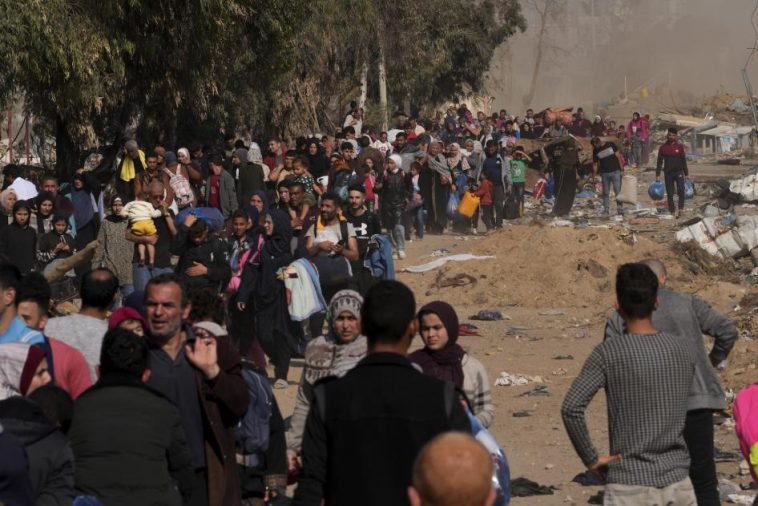
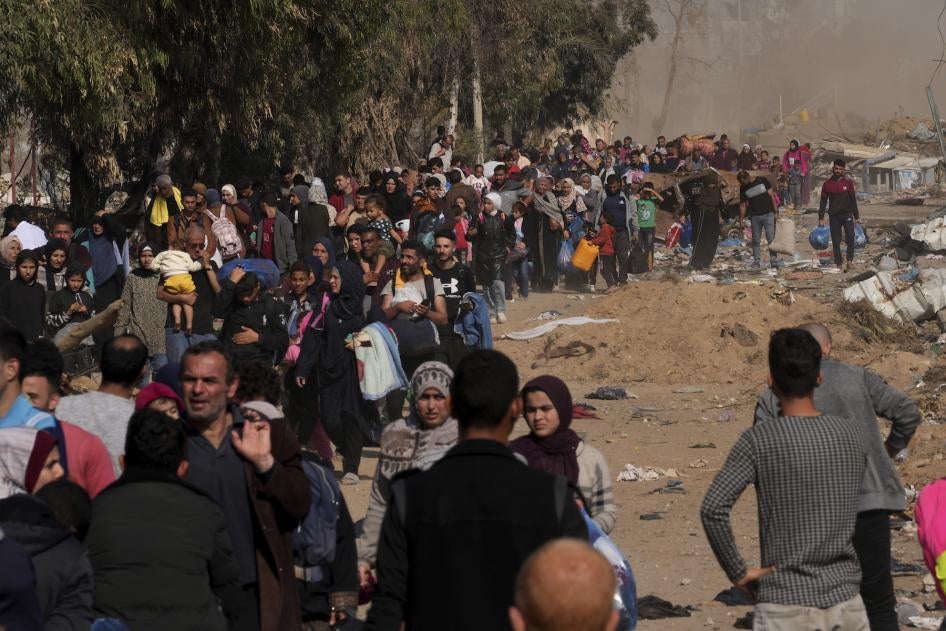
The recent announcement of plans to construct a so-called “humanitarian city” in Rafah, southern Gaza, has sparked a heated debate about the long-term health consequences of forced displacement. In a context already riddled with tension and loaded with issues, such proposals demand a closer look at the potential health risks and the broader social and political implications of cramming more than two million people into an area without even the most basic infrastructure. In this opinion editorial, we take a closer look at the tricky parts of such plans from the perspective of modern medicine, public health, and even alternative approaches to building resilient communities.
This article examines how public health could be compromised by forced displacement, how the absence of adequate sanitation, water, and healthcare services might lead to rapid disease outbreaks, and how the mental health of displaced populations could be adversely affected. Throughout, we aim to sort out the small distinctions between well-intentioned humanitarian interventions and the nerve-racking health risks they might provoke if not managed carefully.
Forced Migration Health Risks: Overcrowding, Poor Sanitation, and Disease Outbreaks
The idea of concentrating an entire population in one place might seem like a way to streamline the provision of services. However, history and modern research repeatedly show that overcrowding, compounded by insufficient sanitation and limited healthcare capacities, can lead to the rapid spread of infectious diseases. The proposal to build a “humanitarian city” in Rafah introduces several challenges that are both tangible and deeply concerning, especially when we consider:
- Overcrowding, which heightens the risk of respiratory infections, gastrointestinal diseases, and other communicable illnesses.
- Inadequate water supply and poor sanitation conditions that set the stage for water-borne diseases.
- Scarce medical facilities that might be quickly overwhelmed during health emergencies.
Medical experts are particularly wary of how the fine points of public health management may be overlooked in such a vast undertaking. The lack of functioning hospitals could ruin any attempt to promptly diagnose and treat outbreaks, making the already nerve-racking scenario even more overwhelming for affected communities.
Recent examples from other regions where forced migration has occurred reveal that even well-intentioned relocation projects can turn confusing and fraught with problems if the small details are not thoughtfully addressed. This instance in Gaza is no different, as there is a very real possibility of disease outbreaks triggered by the twisted issues of overpopulation in makeshift settings.
Mental Health Struggles and Long-Term Stressors in Displaced Populations
While the physical health risks associated with forced displacement are often discussed, the mental well-being of those who suffer the consequences of abrupt relocation merits equal if not more attention. Forced displacement often leaves behind the familiar and predictable, thrusting individuals into environments that are intimidating and full of problems. The psychological toll of being uprooted, combined with the stress of civil disruption, can lead to high rates of anxiety, depression, and post-traumatic stress disorders.
The mental health challenges in such scenarios arise from several interwoven sources:
- Loss of community and personal identity.
- Uncertainty about the future due to abrupt forced relocation.
- The overwhelming stress of adapting to unfamiliar, often overcrowded, urban environments without adequate support networks.
This nerve-racking situation is further complicated by the fact that conventional mental health infrastructures struggle to keep pace with sudden massive population movements. For many displaced individuals, the prospect of having to figure a path through the labyrinth of unfamiliar services and systems adds another layer to the already tangled issues they face.
Furthermore, the cumulative stress can lead to both immediate and long-lasting effects on community resilience, reducing individuals’ ability to recover from trauma and exacerbating long-term health disparities. The role of community support, even through alternative medicine practices and social support networks, becomes crucial in mitigating these mental health risks.
The Impact of Inadequate Infrastructure on Forced Displacement Outcomes
The proposal to create a “humanitarian city” on the ruins of Rafah inevitably raises the issue of infrastructure—or rather, the lack thereof. Infrastructure is not just about roads and buildings; it encompasses a wide range of connected systems including clean water supply, waste management, sanitation, electricity, and health services. In Rafah, the current state of these services is already concerning, and any attempt to double the population or more without simultaneous upgrades could trigger multiple public health emergencies.
Without critical improvements, the following complications could arise:
- Water Scarcity and Contamination: A lack of sufficient clean water can lead to outbreaks of water-borne illnesses. Moreover, when water resources are stretched too thin, contamination risks increase, particularly in overcrowded setups.
- Sanitation Challenges: With inadequate sanitation facilities, the spread of infectious diseases, including diarrheal illnesses, becomes much more likely. The little details of waste management that are often overlooked in emergency responses may prove to be devastating in this context.
- Healthcare Delivery Bottlenecks: Existing healthcare facilities, already operating under strained conditions, will find it challenging to cater to a suddenly redundant population. This could result in delays in treating both acute and chronic conditions.
The interplay between these factors is a classic example of how forced displacement can lead to a cascade of negative outcomes if the infrastructure is not scaled up in tandem with population increases. History teaches us that making your way through such scenarios requires not only planning but also rapid and robust responses to avoid turning a temporary humanitarian response into a long-term crisis.
Public Policy and Health Crises: Evaluating the “Humanitarian City” Concept
The political rationale behind pursuing the “humanitarian city” concept is underpinned by a desire to centralize and streamline resettlement efforts. However, the policy framework must be critically examined through the lens of its health implications. In this case, the plan is bristling with practical challenges that are more than just administrative; they have profound health consequences that could affect millions.
Some of the key policy issues include:
- Consent and Choice: Forced displacement removes personal choice, leaving individuals with little control over their future. Many feel that the lack of autonomy and respect for personal rights is not just politically indefensible but also potentially harmful for mental health.
- Long-Term Sustainability: A short-term solution that does not account for the evolving health needs of the population is likely to end up being unsustainable. Without adequate long-term planning, the initial benefits of centralization might quickly be outweighed by recurring health emergencies.
- International Oversight: With many third-party organizations outside the immediate regulatory borders of the region, ensuring uniform standards of data protection and healthcare quality becomes a major tangled issue. Diverse standards of practice across regions can lead to inconsistent outcomes and undermine overall public health.
The policy proposals in play do not exist in a vacuum. They are deeply interwoven with geopolitical ambitions that sometimes miss the fine points of public health planning. From a medical perspective, it is super important to manage your way through not only the complex supply logistics but also the unpredictable shifts in community health patterns that a forced displacement typically triggers.
Medical Community’s Call: Urgent Reassessment of Displacement Strategies
Physicians, public health experts, and humanitarian workers have long warned of the health pitfalls that can ensue when large groups of people are forced into overcrowded, under-resourced environments. In Gaza, these warnings are echoed by the concerns of those on the front lines of healthcare delivery. The proposal for a “humanitarian city” needs a fundamental rework if it is to be considered a viable solution in the face of such daunting challenges.
Health professionals stress that immediate actions need to be taken to address the following factors:
- Robust Screening and Surveillance: Implementing systems for early detection of infectious diseases could mitigate the spread in overcrowded conditions. Regular screenings and active disease surveillance, particularly for respiratory and water-borne illnesses, are essential.
- Emergency Healthcare Capacity: Special emphasis must be placed on scaling up emergency medical services. Mobile clinics, temporary hospitals, and rapid response teams should be deployed to manage any sudden health crises.
- Integrated Mental Health Services: In settings characterized by high levels of stress and uncertainty, embedding mental health support into primary care services becomes a necessity. This includes counseling, community support groups, and even alternative therapies where appropriate.
The medical community is calling for a more nuanced approach—one that does not sacrifice individual health for administrative convenience. The current strategy, if left unmodified, might lead to a public health nightmare characterized by quick-spreading diseases, overwhelming health facilities, and long-term mental health consequences.
Alternative Approaches in Crisis: Integrating Holistic Health and Community Resilience
While modern medicine plays a central role in managing health crises, alternative health practices and community-based approaches have a pivotal part to play in building resilient societies. In situations such as the proposed relocation in Gaza, where conventional public health measures may be overwhelmed by mass displacement, integrating holistic practices can help mitigate both physical and psychological stressors.
Community resilience could be bolstered by a combination of traditional, alternative, and modern health approaches. Some strategies to consider include:
- Community Health Workshops: Engaging local leaders and health practitioners to educate residents about basic hygiene, nutrition, and mental well-being can empower communities to take charge of their own health.
- Integrative Medical Clinics: Establishing centers that combine conventional medicine with alternative practices such as herbal treatments, acupuncture, and mindfulness sessions could address a broader spectrum of health needs.
- Peer Support Networks: Organizing community groups that focus on mental health can help individuals share their experiences and find solace in collective resilience. These networks are particularly effective in alleviating feelings of isolation and anxiety.
This integrative approach has been effective in other settings where resources were scarce and populations felt both overwhelmed and on edge. By building on the traditional practices that are already familiar to the local communities, policymakers and health providers could ensure that interventions are culturally sensitive and more likely to be embraced by the population.
Learning from Historical and Global Precedents
Forced displacement is, unfortunately, a phenomenon that is not new in modern history. Various regions around the world have experienced the speed and scale at which public health systems become overburdened in crisis scenarios. By taking a closer look at historical precedents, we can identify important lessons that could steer current policy-making in a more effective direction.
For example, historical outbreaks such as those following large-scale displacements during conflicts or natural disasters have repeatedly revealed:
- The need for rapid deployment of emergency medical teams to avert epidemic outbreaks.
- The importance of ensuring that displaced populations have access to clean water and effective waste management systems.
- The value of proactive mental health support as an integral part of emergency response protocols.
A table summarizing some of these past experiences and their outcomes might help clarify these lessons:
| Region/Displacement Event | Key Health Challenges | Effective Interventions |
|---|---|---|
| Post-conflict Displacement in the Balkans | Overcrowding, communicable diseases, mental health declines | Rapid health screenings, community support groups, mobile clinics |
| Natural Disaster Displacements in South Asia | Water scarcity, sanitation failures, malnutrition | Clean water supply initiatives, nutritional programs, temporary shelters |
| Forced Migration in Central America | Mental health crises, inadequate medical facilities | Integrated health centers with both allopathic and alternative therapies, cross-border collaborations |
This historical perspective underscores that while the challenges are many and the twists and turns of policy implementation can be nerve-racking, there are proven strategies to help alleviate some of the health consequences that result from forced displacement.
Community Empowerment and Grassroots Participation
One of the most promising avenues for mitigating the negative health outcomes of forced displacement is community empowerment. When communities are given the means to actively participate in the planning and delivery of their own health services, they tend to show remarkable resilience. Grassroots participation in health initiatives can help iron out the tangled issues that arise when external agencies attempt to impose solutions without fully understanding local contexts.
Steps to foster community empowerment include:
- Local Health Councils: Establish councils involving community leaders, local health workers, and even traditional healers. These groups can coordinate efforts to address health challenges more effectively on the ground.
- Training and Education Programs: Organize workshops that teach basic first aid, hygiene practices, and mental health coping mechanisms. Empowering individuals with such skills makes the community more self-reliant.
- Collaborative Planning: Involve community members in the decision-making process when designing facilities and services. This ensures that even the subtle parts of cultural needs and local practices are taken into account.
Moreover, involving local communities in planning can help reduce the overwhelming sense of alienation that often accompanies forced displacement. When residents have a say in how their new environment is shaped, you are more likely to see a smoother adaptation process, both physically and mentally.
Strategies for Managing Overwhelming Health Crises in Displacement Scenarios
Given the potentially overwhelming challenges associated with forced displacement, health authorities must find their way through the maze of emergency planning quickly and efficiently. Here are some critical strategies that could help manage the public health crisis that may ensue:
- Pre-Displacement Health Assessments: Conduct thorough health assessments before displacement occurs. Knowing the baseline health data of the population can help in planning for possible outbreaks and resource allocation.
- Emergency Resource Allocation: Develop a rapid deployment strategy for essential resources such as medicines, portable diagnostic equipment, and trained personnel. A clear strategy for resource allocation can prevent many of the nerve-racking last-minute rushes during emergencies.
- Flexible Healthcare Delivery Models: Build adaptable systems that can switch between fixed healthcare facilities and mobile solutions, ensuring that even remote or temporary camps have access to critical services.
- Regular Communication Channels: Set up robust communication networks between healthcare providers, government agencies, and the local community to ensure timely relay of critical information during crises.
Each of these strategies, while seemingly straightforward, involves its own set of complicated pieces. But by taking the time to plan for these contingencies, policymakers and health administrators can help minimize health risks and provide a safer transition for populations facing forced displacement.
Data Privacy, Consent, and the Management of Health Information
In the era of digital information, managing health data during forced displacement requires careful attention to privacy and consent. As displaced populations are often subject to surveillance and data collection by multiple parties, it is crucial that the various stakeholders involved guarantee the protection of personal data. This issue is intertwined with trust—if individuals feel their personal data is at risk, their willingness to share crucial health information may diminish, limiting the effectiveness of health interventions.
Key points in managing health data include:
- Ensuring Informed Consent: Before collecting any sensitive health data, it is essential that displaced individuals understand what information is being gathered and how it will be used. Transparent communication can help reduce confusion and build trust.
- Data Security Protocols: Implement robust data security measures that work across borders, especially given that some data processing may occur outside regions with strict privacy laws.
- Ethical Oversight: Engage independent oversight bodies to ensure that data collection practices remain ethically sound and in line with international human rights standards.
Effective data management during such crises is not just about meeting regulatory requirements—it is also about respecting the dignity and cultural nuances of the affected populations. Failing to do so could further complicate the already tricky parts of delivering health services to people in a state of flux.
Opportunities for International Collaboration in Crisis Response
No single nation or organization can address the health challenges of forced displacement alone. International collaboration is essential for pooling resources, expertise, and best practices. Global health organizations, governments, and NGOs need to work together to ensure that emergency responses are not only swift but also comprehensive and culturally sensitive.
Effective international collaboration can focus on the following:
- Resource Sharing: Countries with advanced healthcare systems can offer support in the form of medical supplies, trained personnel, or technological resources, all of which are super important for managing crises.
- Joint Training Programs: Developing cross-border training initiatives for healthcare providers can help build a unified response to emergencies.
- Standardized Response Protocols: Agree on universally acceptable standards for data protection, disease surveillance, and emergency response to ensure a coordinated action plan.
This kind of global synergy is not without its own challenges, particularly when policies and practices differ widely. However, the benefits of a unified approach can far outweigh the complications that arise from trying to work independently in a scenario already full of problems.
Long-Term Health Planning and Resilience Building in Displacement Zones
While immediate responses to forced displacement are crucial, it is equally important to look beyond the short-term and plan for long-term public health resilience. As populations settle—whether in temporary shelters or provisional urban centers—the need to build sustainable systems becomes evident. The focus should shift from emergency management to establishing permanent infrastructures that can absorb future shocks and support the health of residents long term.
A comprehensive long-term plan might include:
- Permanent Healthcare Infrastructure: Invest in the construction and operation of hospitals, clinics, and laboratories that are designed to serve large, diverse populations.
- Continuous Health Education: Implement ongoing health education programs that address both physical and mental well-being, enabling communities to manage their health proactively.
- Environmental Health Improvements: Ensure that urban planning includes green spaces and improved waste management systems, reducing air and water pollution that can lead to chronic diseases.
- Policy and Governance Reforms: Work towards establishing transparent and accountable governance structures that are responsible for health service oversight, thereby reducing the chance of mismanagement and corruption.
Resilience building is all about preparing for the unpredictable and making sure that the health systems in these new settlements are flexible enough to handle both everyday needs and unexpected emergencies. The subtle parts of urban planning and community engagement in this domain cannot be underestimated.
The Role of Alternative Medicine and Holistic Health in Crisis Scenarios
It is sometimes easy to overlook the contribution of alternative medicine and holistic practices during discussions on forced migration and public health—especially in scenarios dominated by modern allopathic medicine. However, alternative approaches have a long history of offering support under conditions where conventional medicine is stretched thin.
In many cultures, holistic health practices are interwoven with daily life and provide an extra layer of care for communities in times of distress. Some potential benefits of incorporating alternative medicine in displacement scenarios include:
- Mental Health Benefits: Practices such as mindfulness, meditation, and acupuncture have been shown to alleviate stress and anxiety, which are particularly high in forced displacement contexts.
- Nutritional Support: Traditional diets and herbal remedies can help address malnutrition and digestive health issues, which often plague overpopulated areas with limited resources.
- Community Cohesion: Holistic practices tend to build community bonds, serving not only as a means of healing but also as a way to foster local solidarity and mutual support.
Integrating these alternatives with conventional healthcare can create a more comprehensive safety net for displaced populations. Such a dual approach may prove invaluable, particularly when the medical infrastructure is in the process of being rebuilt or expanded.
Balancing Humanitarian Imperatives and Public Health Safeguards
The concept of a “humanitarian city” often stirs a mix of optimism and skepticism. On one hand, the centralized approach might seem like a swift solution to an urgent problem. On the other, it raises significant questions about whether such a model can genuinely cater to the health needs of over two million people. Balancing humanitarian imperatives with super important public health safeguards is a delicate art that requires a deep understanding of both immediate needs and long-term risks.
When assessing proposals like the one in Rafah, policymakers must consider:
- Feasibility Studies: Before any relocation is implemented, comprehensive studies should be carried out to understand not just the benefits, but also the inherent dangers of forced displacement. This includes studying the local capacity to manage potential disease outbreaks, mental health emergencies, and infrastructural overloads.
- Stakeholder Engagement: Every strategy should involve input from local communities, health professionals, and international humanitarian agencies. This ensures that policies are not only well-informed but also sensitive to the real-world situations of those who are most affected.
- Contingency Planning: Given the potential for rapid change and the presence of many unknown factors, strong contingency plans must be in place to handle unexpected crises. This means setting aside reserves in terms of both funding and resources, which can be rapidly mobilized in an emergency.
Healthy, well-planned communities are built on the foundation of foresight and flexibility. The challenges of forced displacement are not insurmountable, but they require coordinated effort and a willingness to address both the physical and mental aspects of public health. In this sense, the plan for a “humanitarian city” must be reimagined to prioritize not just the logistics of moving people, but their overall health and quality of life.
Conclusion: Building a Safer Future Amid Uncertain Times
Forced displacement, especially on the scale proposed in the Rafah region, confronts us with a host of overwhelming challenges. While the aim of providing a centralized refuge might carry the promise of streamlined services, it simultaneously risks unleashing a cascade of severe health consequences—from acute infectious disease outbreaks to long-term mental health struggles. As we take a closer look at the situation, it becomes clear that the proposal is full of tricky parts, tangled issues, and nerve-racking concerns that need to be addressed comprehensively.
The current plan, if implemented without major overhauls, could lead to rapid deterioration in public health conditions. Overcrowding alone can set the stage for the transmission of various diseases, while the lack of proper sanitation, healthcare, and mental health support programs might contribute to a long-lasting crisis. We must not ignore the subtle details that differentiate a well-managed humanitarian intervention from an overwhelming public health disaster.
Policy makers, healthcare providers, and community leaders alike need to figure a path that not only offers temporary relief but also ensures sustainable, long-term benefits. Collaboration is key—local communities must be empowered, international agencies should provide necessary support, and innovative approaches integrating both modern and alternative medicine need to be championed.
In the end, the ultimate measure of any humanitarian effort is not the speed at which a population can be relocated but the resilience and well-being of that population in its new home. Building a safer future amid such uncertain times requires careful planning, broad collaboration, and an unwavering commitment to protecting the health and dignity of every individual involved.
As debates continue and proposals evolve, one message stands out as both a caution and a call to action: forced displacement scenarios demand rigorous planning, compassionate governance, and innovative health strategies that go beyond traditional models. Only by addressing the overwhelming health risks and integrating the diverse aspects of well-being can we hope to create a model that truly serves the needs of those forced to leave their homes under unbearable circumstances.
It is our responsibility to ensure that in trying to solve one crisis, we do not inadvertently spawn another—a hidden complexity that might manifest in the form of public health disasters, social fragmentations, and long-term mental scars. In seeking to build a “humanitarian city,” let us not lose sight of the human element amid the bureaucratic and political maneuvers. The path ahead is complicated, but with thoughtful, inclusive, and forward-thinking policies, a safer, healthier future is within reach.
Originally Post From https://www.nature.com/articles/d41591-025-00052-6
Read more about this topic at
Crisis in Gaza: What to know and how to help | The IRC
UNRWA Situation Report #177 on the Humanitarian Crisis …