
Wearable Women’s Health: A Leap in Modern Femtech
The field of women’s health is constantly evolving, and recently, an innovative move has been made that promises to transform the way we monitor reproductive wellness. Ultrahuman’s acquisition of viO HealthTech represents not just a business transaction but a significant step forward in merging decades of clinical research with state-of-the-art wearable technology. As a healthcare journal editor with years of experience in modern medicine, nutrition, and alternative care, I find this development both exciting and thought-provoking. In this opinion editorial, I will explore the many layers of this breakthrough, examining its practical benefits, potential challenges, and the broader implications for millions of women worldwide.
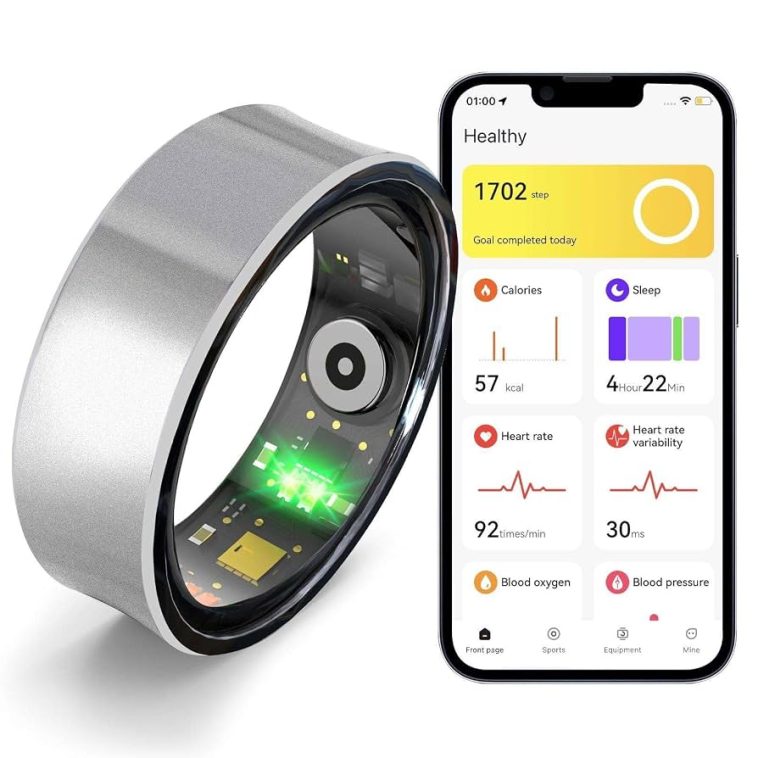
At its core, this move involves adapting viO HealthTech’s decades-long experience in ovulation tracking to a smart ring platform – the Ultrahuman Ring AIR. By transforming the originally intrusive, intravaginal temperature-based tracking method into a finger-based approach, the technology has been repositioned from a strictly medical diagnostic tool to a more accessible and comfortable solution for everyday wellness tracking. This editorial aims to take a closer look at the tiny details behind this development, using accessible language to unpack the twists and turns involved in making such technology available to the consumer market.
Decades of Clinical Expertise Meet Cutting-Edge Smart Ring Technology
One of the most striking aspects of this acquisition is the union between clinical-grade technology and consumer-oriented wearable devices. viO HealthTech’s OvuSense system, validated through 15 years of research and supported by 13 peer-reviewed clinical publications, has been adapted to work with one of the lightest smart rings available today. This collaboration is built on a foundation of trusted scientific expertise and has started to redefine the boundaries between rigorous clinical monitoring and everyday health tracking.
Traditionally, many women have found traditional menstrual tracking apps to be off-putting because these tools often rely on oversimplified assumptions like the standard 28-day cycle. However, the reality is that most women experience cycles with tangled issues and confusing bits that do not conform to this norm. The advanced Cycle & Ovulation Pro feature is equipped to work with a diverse range of cycle patterns, making it a key innovation for those coping with conditions such as PCOS, endometriosis, or thyroid disorders.
Revolutionizing Cycle Tracking for Non-Standard Patterns
In the realm of reproductive health, one size rarely fits all. Women with non-standard cycle patterns have long suffered from the limitations of traditional cycle tracking apps that assume a regular, predictable cycle. This system is intentionally designed to work reliably for approximately 87% of women whose cycle patterns are not the typical 28 days. What does that mean? In simple terms, this technology acknowledges that every woman’s body has its own little twists and turns – from early or late ovulation to short luteal phases or even the absence of ovulation.
For many women, using a system that adapts to their real, lived experiences is both empowering and relieving. The Cycle & Ovulation Pro feature goes further by incorporating cycle flags that help users identify their individual patterns. The technology then transforms the confusing bits of menstrual tracking into manageable, user-friendly insights. This is a refreshing approach because it validates the experiences of countless women who have felt misunderstood by conventional tools.
Adapting Clinical Tools for Everyday Use
viO HealthTech’s original OvuSense product was FDA cleared (510(k) K122337) and holds CE Class IIa medical device certification in several regions including the UK, EU, Canada, and Australia. The adaptation for the Ultrahuman Ring AIR replaces intravaginal temperature monitoring with finger-based temperature sensing. While this might seem like a conversion of delicate medical technology, it is a strategic decision to focus on general wellness rather than a strict medical diagnosis.
This adaptation raises several interesting points for consideration. For one, it provides a less invasive, more user-friendly method of tracking reproductive health. For many women who might find intravaginal devices intimidating or nerve-racking, the ring offers a comfortable alternative. It is also a telling example of how technology can be repurposed to serve a broader audience.
Benefits of Consumer-Focused Cycle Tracking
There are myriad reasons why this new approach to cycle tracking holds promise:
- Comfort and Convenience: By utilizing a smart ring instead of a more invasive sensor, users are treated to a method that fits seamlessly into their daily lives.
- Improved Accuracy: With over 260,000 cycles’ worth of data powering the algorithm, the system claims more than 90% accuracy for ovulation confirmation, a major improvement over traditional apps.
- Inclusivity: The technology is tailored to address the needs of women with varied cycle patterns, making it an essential tool for tracking reproductive wellness even for those with atypical cycles.
- User Empowerment: Features such as symptom and lifestyle tagging allow women to identify patterns and trends in their health, positioning them to take charge of their well-being.
Each of these points underscores the potential impact on daily wellness management. For a technology that is often shrouded in intimidating medical terminology, the approach here is to simplify the nitty-gritty and offer thought-out solutions that resonate with everyday experiences.
Understanding the Science Behind the Smart Ring
One of the key elements behind this breakthrough is the careful calibration of data collected from medically precise sensors. viO HealthTech’s original algorithm was developed over years by collecting and analyzing temperature data from hundreds of thousands of cycles. The result is an algorithm finely tuned to pick up even the subtle details of temperature fluctuations that indicate where a woman is in her cycle.
It is worth noting that the conversion to a finger-based temperature sensor in the Ultrahuman Ring AIR presents both opportunities and challenges. On the one hand, this technology democratizes health monitoring by making it less intrusive and more accessible. On the other, the scientific community must acknowledge that moving from an intravaginal device to a wearable ring requires careful calibration to ensure that the accuracy of tracking remains high.
Despite these challenges, the early results indicate that this new method is promising, and many experts believe that it could actually reshape how we think about health tracking for reproductive wellness. One advantage is that the ring’s design (combining high-grade hardware with well-honed algorithms) may eventually pave the way for integrating additional health metrics, further enriching our understanding of women’s well-being.
Comparing Temperature Sensing Methods
To better appreciate this technological shift, it helps to compare the two methods of temperature sensing that have been employed:
| Method | Description | Pros | Cons |
|---|---|---|---|
| Intravaginal Temperature Sensing | A proven method with direct access to core body temperature changes. |
|
|
| Finger-Based Temperature Sensing (via Smart Ring) | A non-invasive method that measures temperature from the finger’s surface. |
|
|
This table highlights the contrasting pros and cons of each method. The balance seems to tip toward consumer convenience without sacrificing too much on reliability. In doing so, the industry is effectively steering through the tangled issues of meeting both clinical standards and everyday usability.
User Empowerment Through Personal Data Insights
One of the most compelling aspects of the new Cycle & Ovulation Pro feature is its focus on giving women practical, actionable insights. Rather than simply serving as a passive recorder of data, the system is designed to help users make sense of their personal health trends. Along with confirming ovulation more accurately, the platform offers Cycle Flags that identify trends—like early or delayed ovulation, a short luteal phase, or the complete absence of ovulation.
Moreover, the inclusion of symptom and lifestyle tagging allows the users to pin down correlations between their daily habits and reproductive rhythms. This data can be immensely helpful in making lifestyle adjustments, understanding potential triggers, and even discussing concerns with healthcare professionals. Essentially, it transforms a technical tool into a personal health coach that helps women figure a path towards improved wellness.
Tracking Personal Wellness Trends
Let’s break down how these features contribute to user empowerment:
- Cycle Flags: These notifications highlight specific patterns, making it easier to catch early signs that may otherwise get lost in a sea of numbers.
- Symptom Tagging: Users can record physical and emotional symptoms, creating a detailed picture of their overall well-being.
- Lifestyle Correlation: By tagging daily habits such as sleep, stress levels, and diet, individuals can better understand how these factors influence their cycles.
By providing a holistic view of one’s reproductive health, the technology not only demystifies the process of cycle tracking but also confers a sense of control. It is an example of how technology can make the confusing bits of health management more accessible, enabling women to work through the mixed messages often encountered in traditional tracking methods.
Addressing the Tricky Parts of Women’s Health Monitoring
Women’s health monitoring has always been full of problems, especially when it comes to dealing with the little details of reproductive patterns. The long-held expectation of a “perfect” 28-day cycle has left many feeling frustrated and on edge when their bodies do not conform to this simplified view. The advent of tools like the Cycle & Ovulation Pro feature represents an important shift—a departure from one-size-fits-all solutions toward more nuanced, individualized care.
This new approach tackles several of the tricky parts associated with traditional cycle tracking:
- Acknowledging Variability: By recognizing that most women do not have textbook cycles, the technology offers a more realistic, user-friendly approach.
- Reducing Anxiety: When a tool accurately flags unusual patterns, it removes some of the nerve-racking uncertainty about what is considered “normal.”
- Improving Health Communication: Detailed tracking data can lead to more informed conversations between women and their healthcare providers, enabling them to get around the tangled issues of misdiagnosis or oversight.
This development is particularly significant when considering chronic conditions such as PCOS or endometriosis. These conditions often introduce complicated pieces into the cycle tracking process that traditional apps miss. By incorporating algorithms honed over 15 years of clinical trials and a massive dataset of over 260,000 cycles, the technology makes an admirable attempt to turn the tide on misinterpretation and improve the overall experience for women facing these challenges.
Pricing, Accessibility, and Global Implications
From the consumer’s standpoint, the cost and accessibility of innovative health technologies are crucial. Currently, the Cycle & Ovulation Pro feature is available on a subscription model at $3.99 monthly or $39.99 annually, targeting key regions such as the USA, UK, EU, Australia, and Canada. For many users, these rates seem reasonable considering the depth of data provided and the potential benefits in tracking reproductive health more accurately.
Importantly, Ultrahuman also maintains that basic cycle tracking remains free for users of the Ring AIR device. This tiered approach to pricing may be a strategic move to encourage widespread adoption among women looking for a free, entry-level option, while also providing a super important paid tier for those who want more detailed insights. In essence, this model allows for a balance between mass accessibility and advanced personalized care.
Regional Availability and Future Rollouts
The current regional focus on major markets such as the USA and Europe also speaks to a larger trend in the accessibility of health technology. As wearable devices find their way into global markets, tailored features that account for cultural and regional differences in menstrual health become even more critical. As more women around the world avail themselves of these advanced tools, the collective understanding of reproductive health could evolve into one that is more inclusive and comprehensively informed.
The anticipated future rollouts in other regions not only promise greater affordability and coverage but also an opportunity for localized adaptations. Different populations might experience different subtle details in cycle patterns, and having a flexible technological foundation means that healthcare providers could eventually figure a path toward more customized care on a global scale. It is a promising sign of how modern technology can harmonize with the diverse biological experiences of women worldwide.
Integrating Wearables into a Broader Health Ecosystem
The integration of advanced cycle tracking into a wearable device like a smart ring is just one example of how technology is gradually bridging the gap between everyday wellness and clinical diagnostics. Wearables have long been heralded as the future of personal health monitoring, from tracking heart rate variability to monitoring sleep patterns. Now, by enabling accurate reproductive tracking and even connecting these insights with other aspects of health data, manufacturers are pushing the envelope on holistic health management.
This intersection of data – linking reproductive health with lifestyle factors and overall well-being – may well represent the future of preventive medicine. As wearables become more capable of gathering multi-dimensional insights, users will be better equipped to figure a path through the tricky parts of their overall health. The use of a smart ring that not only tracks physical parameters but also logs lifestyle data heralds a new era where the subtle parts of wellness form an interconnected web of actionable information.
Holistic Health Benefits
Consider the following potential benefits that arise from the integration of wearable technology into a larger health ecosystem:
- Early Detection of Anomalies: By continuously monitoring cycle patterns alongside other health metrics, wearables might soon help identify irregularities before they turn into bigger issues.
- Improved Communication with Healthcare Providers: Detailed, data-driven insights can lead to more productive discussions during medical consultations, helping both patients and professionals make well-informed decisions.
- Enhanced Personal Wellness Management: The ability to connect lifestyle data—such as diet, stress, and sleep—with cycle tracking encourages holistic self-care.
- Tailored Health Recommendations: Over time, aggregated data could enable personalized recommendations, ensuring that each user receives advice that truly fits their unique pattern.
Wearable devices have the potential to transform the way individuals manage their overall well-being by making the process of tracking and interpreting health data less overwhelming and more integrated. For many, this blend of clinical-grade technology and user-friendly design is a necessary evolution in how we approach personal healthcare.
The Future of Femtech: Challenges and Opportunities
While the prospects for smart ring technology in women’s health are undoubtedly exciting, it is essential to acknowledge that there are still a number of tangled issues that need to be addressed. The transition from a controlled clinical environment to real-world, everyday usage brings with it several challenging parts. Maintaining high accuracy using finger-based temperature sensors, ensuring data privacy, and continuously updating the algorithm to adapt to new scientific findings are just a few of the complicated pieces involved.
Moreover, even as this technology offers promising benefits, it also raises questions about the integration of personal data management into consumer devices. How secure is the data? Will users have complete control over how their sensitive health information is used? These are nerve-racking considerations that the industry must address transparently and responsibly.
However, the excitement around such innovations should not be dampened by these challenges. With robust regulatory frameworks and continuous improvements in sensor technology and algorithm refinement, these issues can be managed effectively. In many ways, this is a natural evolution in technology – one where early hurdles are met with incremental improvements that pave the way for groundbreaking advancements.
Balancing Innovation With Caution
Here are some key points that shed light on how the industry might strike a balance between rapidly innovative technology and cautious, responsible deployment:
- Regulatory Oversight: Products like the original OvuSense device have already undergone rigorous regulatory clearance, setting a high standard that adaptable products must continue to meet.
- Continuous Feedback: User feedback and clinical data will be crucial in refining the algorithms and ensuring that the wearable remains accurate and reliable.
- Data Security Protocols: As with any technology handling sensitive information, robust security measures must be in place to protect users’ privacy.
- Community and Expert Collaboration: Ongoing collaboration between tech companies, regulatory bodies, and healthcare professionals will help ensure that innovations remain both cutting-edge and responsible.
The blend of advanced healthcare technology with everyday wearables has the potential not only to make cycle tracking more accurate but also to reduce the overall anxiety associated with reproductive health management. By continually embracing a mixed approach of innovation and cautious oversight, companies like Ultrahuman and viO HealthTech can truly revolutionize the landscape of femtech.
Looking Ahead: Redefining Reproductive Health in the Digital Age
The launch of the Cycle & Ovulation Pro feature is just the beginning. As more consumers adopt wearable technologies designed to monitor reproductive health alongside other wellness metrics, our understanding of what it means to be in control of one’s health is set to change dramatically. No longer will women be bound by off-putting, one-dimensional approaches that fail to cater to the subtle details of their bodies’ rhythms. Instead, they now have access to tools that embrace the full spectrum of physiological variability.
Looking ahead, several potential developments could further enhance this technology:
- Integration With Other Health Devices: Future smart wearable ecosystems might combine data from fitness trackers, heart monitors, and even sleep trackers, providing a comprehensive view of personal health.
- Predictive Analytics: With a rich database of user data, machine learning could eventually offer predictions about future cycle patterns and potential health concerns.
- Personalized Coaching: Advanced apps might soon provide proactive health tips based on individual cycle data combined with lifestyle trends.
- Research Contributions: Aggregated, anonymized data can further scientific research, leading to a deeper understanding of reproductive health and even improved treatment protocols for conditions like endometriosis and PCOS.
This forward movement promises a more personalized, less overwhelming way for women to engage with their own health. The ability to see explicit correlations between lifestyle factors and reproductive cycles empowers patients to make informed decisions. By embracing technology that is both innovative and attentive to individual experiences, we are witnessing a redefinition of what it means to track and manage reproductive health in the digital age.
Empowering Women in All Their Unique Ways
At the heart of this innovation lies a simple but powerful idea: every woman deserves tools that are as unique as her body. The one-size-fits-all approach that once dominated menstrual health tracking is rapidly giving way to customizable, intelligent technology. For those dealing with the often intimidating challenge of hormonal imbalances or chronic conditions, having access to accurate, personalized data is nothing short of a breakthrough.
This technology does more than simply catalog cycle events—it transforms data into awareness. With improved tracking comes the power to anticipate the reproductive cycle’s unpredictable moments, manage symptoms more effectively, and, ultimately, contribute to better overall health management. This shift is a testament to the promise of femtech in closing the gap between clinical research and the day-to-day experiences of women worldwide.
Concluding Thoughts: Moving Toward a More Inclusive Health Horizon
In conclusion, the integration of viO HealthTech’s proven technology into the Ultrahuman Ring AIR marks a significant milestone in the evolution of women’s health tracking. By shifting from a rigid, standard-based approach to one that accommodates the varied, often tangly patterns of real-life cycles, this new feature offers an essential tool for millions of women. The ability to work through the confounding pieces of traditional cycle tracking – with insights derived from over 15 years of clinical research – represents a key moment that is both innovative and empathetic.
As we move forward into an era where wearable devices are becoming central to personal wellness, it is important to keep in mind that the journey is as significant as the destination. The delicate balance between advanced technology, accuracy, and consumer friendliness is continuously being refined. The promise of cycle tracking not only lies in confirming ovulation with high accuracy but also in empowering women with actionable insights that help them manage the everyday twists and turns of their health.
While some aspects of this transition might seem a little intimidating, the overall trajectory is clear: we are finally pushing toward a future where each woman can find her own path through the maze of reproductive health with the help of smart, reliable technology. From reducing anxiety over non-standard cycles to enhancing communication with healthcare providers, the impact of these innovative devices has the potential to be both wide-reaching and deeply personal.
Ultimately, the convergence of detailed clinical data with everyday convenience is setting the stage for a new era in health management. With continuous improvements in wearable technology, the confusing bits of reproductive health management are steadily being replaced by empowering, personalized insights. As healthcare providers, researchers, and tech innovators continue to work together, the future is indeed bright for women everywhere. It is a future where every subtle detail of one’s health is acknowledged, every little twist is understood, and every woman is supported in a way that is as distinct and adaptable as her own body.
By embracing such advanced tools and recognizing that health is not a one-size-fits-all journey, we can better make our way through the challenging parts of monitoring and managing our overall wellness. The evolution of cycle tracking into a comprehensive, inclusive tool is a super important development for reproductive health, one that will undoubtedly inspire further innovation in femtech and beyond. The progress we see today is a critical step toward ensuring that every woman has the opportunity to enjoy a healthier, more aware, and more empowered life.
As we close this discussion, I invite readers, experts, and technology enthusiasts alike to take a closer look into the emerging world of wearable health tracking. Keep in mind that the dynamics of personal health are ever-changing, loaded with individual experiences and varying fine shades that no single device or method can entirely encapsulate. Yet, with continued innovation, open communication, and a commitment to personalized care, we are well on our way to a more inclusive and understanding future—a future where technology not only charts our health metrics but also validates our individual journeys.
In this exciting time, we must celebrate the spirit of innovation that is breaking down barriers and offering women a new level of control and clarity over their own health. With advanced tools like the Ultrahuman Ring AIR, the narrative around women’s reproductive health is being rewritten—one that acknowledges the real-life, often unpredictable patterns of human biology, rather than imposing a rigid standard. It is my hope that as we continue to work through these challenging parts together, we will emerge with a healthcare environment that prioritizes inclusivity, accuracy, and comfort for all users.
As someone who has followed the evolution of femtech with keen interest, I am truly optimistic about the future. The integration of clinical expertise with consumer-friendly interfaces represents not only progress but a revolution in health and wellness management for women worldwide. Let us embrace these innovations, question the old norms, and look forward to an era where every health metric is just another piece that, when connected correctly, paints a complete, empowering picture of our well-being.
Originally Post From https://femtechinsider.com/ultrahuman-acquires-vio-healthtech-to-launch-advanced-cycle-tracking-for-smart-ring/
Read more about this topic at
Revolutionizing Women’s Healthcare: The Feminist Self …
A Comprehensive Review of Artificial Intelligence …