Reflections on an Unusual Presentation in Hepatocellular Carcinoma
Hepatocellular carcinoma (HCC) has long been recognized as one of the world’s leading causes of cancer-related deaths. Over the years, clinicians and researchers have witnessed many twists and turns in the presentation and behavior of this disease. In our current discussion, we look at a particularly rare presentation—a case of recurrent aggressive HCC with chest wall metastasis and portal vein thrombosis—and offer our thoughts on how a multidisciplinary approach plays a key role in managing such challenging cases.
The case in point features a 71-year-old male with a history of chronic hepatitis C and previous HCC resection. Despite following routine surveillance measures, he presented with symptoms that extended beyond the usual. Not only did he experience signs typical of advanced liver disease, but he also developed an enlarging mass on his chest wall—a site where metastasis is exceedingly scarce. This unusual presentation invites us to dig into the fine points that make the management of HCC such a tricky affair.
Examining the Rare Chest Wall Metastasis
Finding metastatic lesions in non-traditional sites is a clear reminder that cancer does not always follow the textbook. In this patient’s journey, the emergence of a chest wall lesion is not just a curious finding—it is a signal to take a closer look at the hidden complexities of HCC spread. While most extrahepatic metastases typically involve the lungs, bones, lymph nodes, or adrenal glands, chest wall involvement is very rare and full of problems that require extensive, multidisciplinary evaluation.
How Does Hepatocellular Carcinoma Spread?
Hepatocellular carcinoma is notorious for its aggressive vascular nature. The cancer’s tendency to invade blood vessels, especially the portal venous system, means that the disease can rapidly disseminate beyond the liver. In the case we are discussing, imaging studies revealed portal vein thrombosis (PVT) that, upon closer inspection, turned out to be malignant. This is distinct from bland or non-malignant thrombi and indicates a higher burden of disease.
Key Points on HCC Spread:
- Hematogenous dissemination through the bloodstream
- Lymphatic spread, including via Batson’s plexus
- Direct invasion into adjacent structures
The chest wall metastasis seen in this instance might have resulted from a combination of these mechanisms. The unusual route of spread underlines the importance of considering a broad differential diagnosis when evaluating recurrent HCC in patients with remote symptoms or lesions in unexpected locations.
Challenges in Interpreting Portal Vein Thrombosis
One of the more intimidating aspects of advanced HCC is the evaluation of portal vein thrombosis. Distinguishing between a bland (non-malignant) thrombus and one that is a result of tumor invasion is crucial, not only because it influences treatment decisions but also because it affects the patient’s overall prognosis.
Tangled Issues in Tumor-Associated Portal Vein Thrombosis
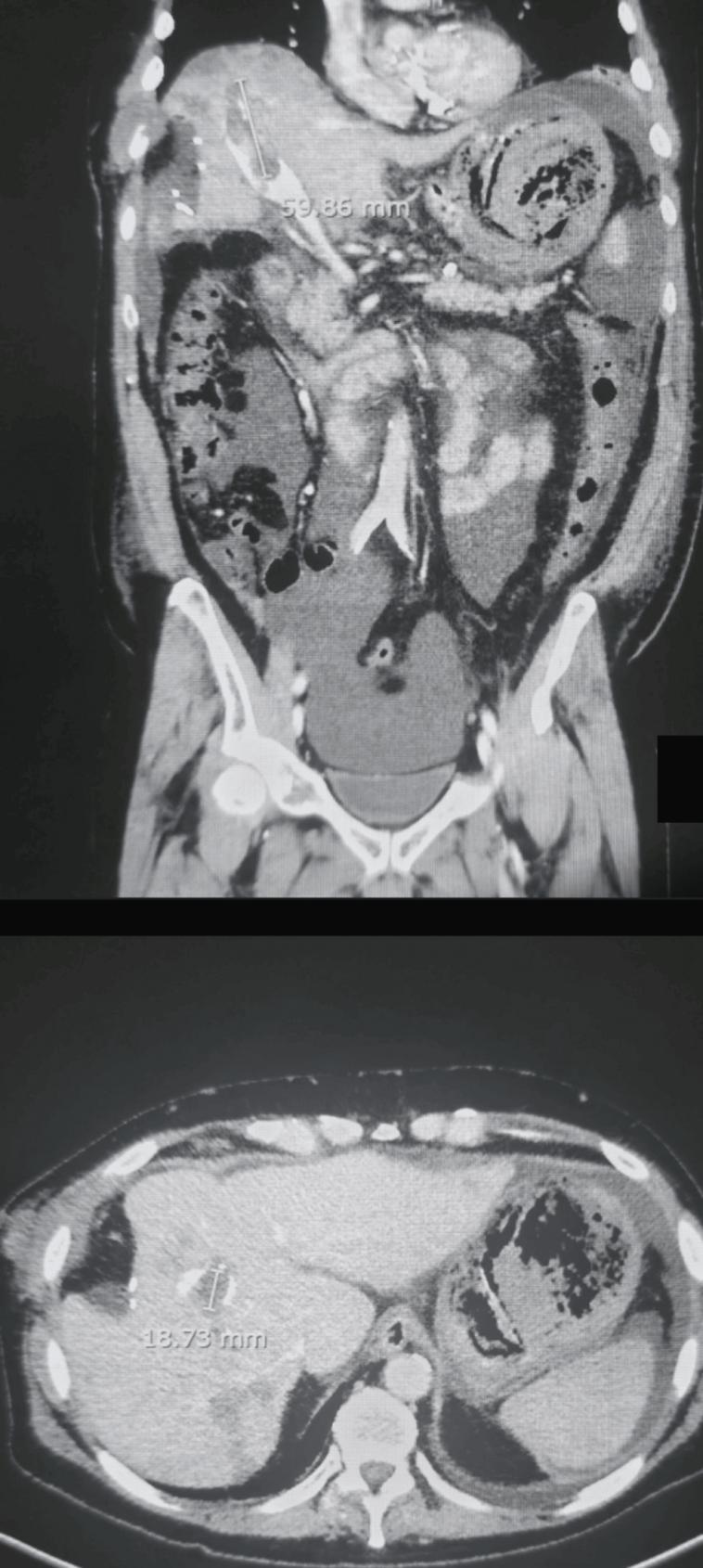
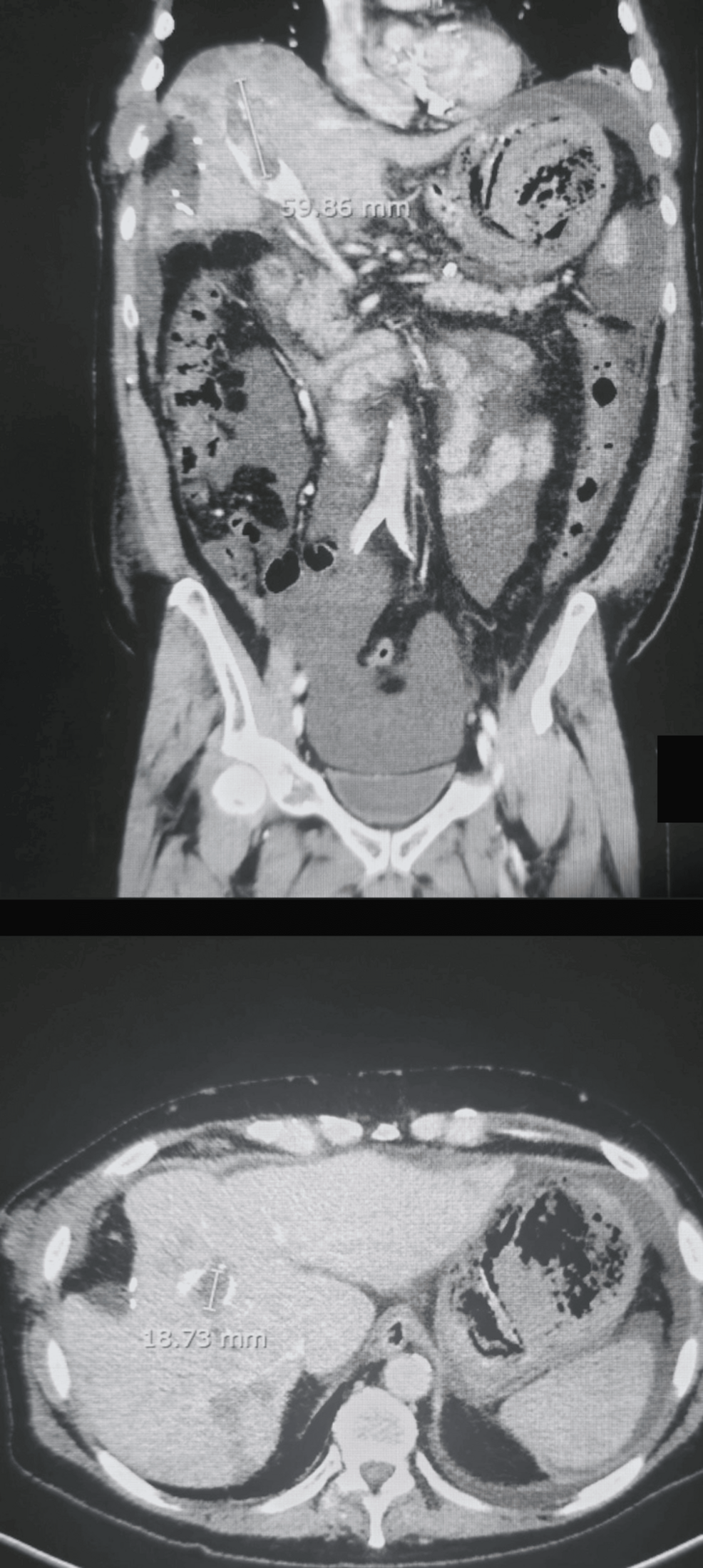
The case at hand demonstrates how imaging modalities such as computed tomography play a key role in identifying arterial phase enhancement that strongly suggests a malignant thrombus. Clinicians who are familiar with the subtle parts of interpreting such scans can better determine the best course of action for patients, even when faced with confusing bits of overlapping clinical presentations.
Several approaches have been discussed in recent literature regarding the treatment of malignant portal vein thrombosis. While anticoagulation is helpful in cases of bland thrombosis, the risk of bleeding becomes a serious concern when it comes to tumor-associated PVT. In this scenario, alternative interventions such as transarterial chemoembolization (TACE) or systemic therapies come into play to manage the risk.
Key Laboratory Findings Summarized
| Laboratory Test | Value | Reference Range | Interpretation |
|---|---|---|---|
| Alpha-Fetoprotein (AFP) | 68.7 ng/mL | <7 ng/mL | Elevated – suggests aggressive HCC activity |
| CA 19-9 | 231 U/mL | <37 U/mL | Elevated – indicates cholestasis or inflammation |
| Carcinoembryonic Antigen (CEA) | 4.9 ng/mL | <5 ng/mL | Normal |
| HCV RNA | 110,000 IU/mL | N/A | Elevated – confirms active viral replication |
| Liver Function Tests (AST/ALT) | Mild Elevation | N/A | Indicates ongoing liver injury |
These lab values help form a picture of a disease that is both aggressive and widely disseminated, emphasizing the need for precise and timely intervention.
Multidisciplinary Management: Working Through the Tricky Parts
When faced with advanced HCC and atypical metastatic spread, it becomes super important for a team of specialists to work together. The management of this condition involves more than just one department—it calls on the expertise of oncologists, hepatologists, radiologists, pathologists, and even surgeons. Through effective collaboration, it becomes possible to figure a path through the maze of treatments and interventions that are available.
Diving into the Role of Systemic Therapies
Systemic therapies in advanced HCC have evolved significantly in recent years. For patients with extrahepatic spread and vascular invasion, the use of targeted therapies and immunotherapies has changed the treatment landscape. The case in question was managed with lenvatinib, a multi-tyrosine kinase inhibitor that has been shown to be effective, especially when there are contraindications to other treatments like the combination of atezolizumab and bevacizumab. This choice was influenced by the patient’s risk of bleeding in the setting of portal vein thrombosis.
Highlights of Current Systemic Treatment Options:
- Lenvatinib: Effective in controlling tumor progression with extrahepatic metastases
- Atezolizumab plus Bevacizumab: Now considered a first-line option in eligible patients
- Cabozantinib: Another targeted therapy that has seen success in managing advanced disease
Choosing the right treatment requires an understanding of the fine details hidden within each patient’s clinical profile. Factors such as liver function, overall performance status, and bleeding risk must all be assessed to steer through the myriad treatment options.
Palliative Radiotherapy and Localized Treatments
Although systemic therapies are crucial, localized treatments have their place—especially in palliative settings where the goal is to relieve symptoms and improve quality of life. In our case, the use of radiotherapy for the chest wall metastasis was considered to decrease tumor burden and alleviate discomfort. Techniques like stereotactic body radiotherapy (SBRT) are being actively researched for their role in treating isolated metastatic lesions from HCC.
Localized therapies can offer a reprieve from pain and other symptoms while systemic treatments work on controlling the spread of the disease. It’s this kind of well-rounded, multimodal approach that really addresses the nerve-racking challenges of managing advanced cancers.
Unraveling the Hidden Complexities in Liver Imaging
In the realm of modern medicine, imaging stands as one of the most indispensable tools for the diagnosis and management of HCC. The patient’s imaging studies included both computed tomography (CT) and magnetic resonance imaging (MRI), which together provided a detailed look at the liver architecture, the tumor’s extent, and even the rare chest wall involvement. When dealing with such complex pieces, radiologists need to figure a path through a maze of subtle details and confusing bits to distinguish tumor recurrence from benign conditions.
CT and MRI: Complementary Modalities in Action
CT scans play a critical role in identifying vascular invasion and mapping out the territory of the liver lesions. In this case, CT imaging revealed arterial phase enhancement indicating a malignant thrombus in the portal vein—a finding that carries serious prognostic implications. Meanwhile, MRI is considered the gold standard for the characterization of hepatic lesions. Its superior sensitivity helps in assessing soft tissue details, local invasion, and even small satellite nodules that might otherwise be missed. This imaging synergy ensures that every little twist in the tumor’s presentation is thoroughly evaluated.
Benefits of PET-CT in Uncovering Metastatic Disease
Another imaging modality, positron emission tomography-computed tomography (PET-CT), adds a metabolic dimension to the structural findings provided by CT and MRI. In cases with unusual metastatic patterns, such as chest wall involvement, PET-CT can help highlight hypermetabolic foci that might not be obvious on other scans. Combining these imaging tools allows for a more confident diagnosis, which is key to planning effective treatment strategies.
Advantages of a Multimodal Imaging Approach:
- Comprehensive assessment of tumor vascularity and extent
- Identification of small or occult lesions
- Improved biopsy guidance for histopathological confirmation
Understanding the Broader Implications of Advanced HCC
This case isn’t just about one patient’s challenging journey—it also offers valuable insights into the broader landscape of HCC management. The occurrence of metastatic HCC in an unusual site such as the chest wall forces us to reexamine our protocols and refine our strategies. As HCC continues to present in unpredictable ways, clinicians must remain alert to the subtle signs that signal a more aggressive disease course.
Poking Around the Risk Factors and Underlying Causes
The background story of chronic hepatitis C infection is not uncommon in HCC cases. Even in the era of direct-acting antivirals which have significantly reduced the risk of HCV-related HCC, many patients still progress to advanced disease due to established cirrhosis or other comorbid conditions. In this case, the patient’s history of HCV and prior hepatic resection set the stage for his current presentation. His experience underscores the need for continuous and careful monitoring—even after what might seem like a successful treatment.
Risk factors for HCC include:
- Chronic hepatitis B and C infections
- Alcohol-related liver disease
- Metabolic dysfunction such as steatohepatitis
- Cirrhosis of various etiologies
For patients with these risk factors, the development of HCC can happen in a nerve-rackingly rapid manner, further complicated by the appearance of extrahepatic metastases which add another layer of complexity to treatment planning.
Strategies for Managing the Confusing Bits in Therapeutic Choices
Deciding on the appropriate treatment protocol in advanced HCC is often like trying to get around a maze of perplexing options. The evolution of targeted therapies and immunotherapies in recent years has opened up new pathways, yet each treatment comes with its own set of challenges. For instance, while the combination of atezolizumab and bevacizumab has emerged as a super important regimen for many patients, certain circumstances—like the risk of bleeding in those with vascular invasion—can complicate its use. In our case, lenvatinib was chosen as the systemic therapy due to these very concerns.
Factors Influencing Treatment Decisions
Several factors need to be considered when tailoring a treatment plan for advanced HCC. The little details in a patient’s overall health, the extent of liver dysfunction, and the presence of vascular invasion all play a role. Here are some critical considerations:
- Liver Function: The patient’s Child-Pugh score is pivotal in determining if he can tolerate certain therapies. A score indicating moderately impaired liver function suggests that some aggressive treatments might be off the table.
- Performance Status: Using performance scores such as the Eastern Cooperative Oncology Group (ECOG) helps clinicians decide if patients can tolerate systemic therapies or if dose adjustments might be needed.
- Bleeding Risk: In cases of portal vein thrombosis, a high bleeding risk can limit the use of some targeted treatments and necessitate the exploration of alternatives.
These considerations force clinicians to figure a path through the array of available therapies, ensuring that every decision is customized to the particular needs and conditions of the patient.
Emerging Therapies and Evolving Guidelines
The treatment landscape for HCC is in constant flux, with new data emerging regularly. Recent trials have shown improved overall survival and progression-free survival using combination therapies, while other studies are exploring the role of localized interventions for isolated metastases. Staying current with these findings is key to making informed decisions in a field that is loaded with issues related to patient safety and efficacy of treatments.
Some emerging trends include:
- The integration of immunotherapy with targeted agents for synergistic effects
- Advancements in radiotherapy techniques that allow for precise targeting of metastatic lesions
- Genomic profiling that may one day help predict which patients are more likely to experience unusual metastatic patterns
The Importance of Continued Surveillance in High-Risk Patients
Even after initial treatment, the surveillance of high-risk patients for HCC is a critical component of long-term management. Regular imaging studies, along with laboratory evaluations such as AFP levels, serve as essential markers in the early detection of recurrence. As the case illustrates, even with routine follow-ups, the disease can present in an unexpected and intimidating manner.
Key Aspects of Effective Follow-Up
Consistent monitoring is not just about watching for tumor recurrence—it is about detecting changes that might indicate a shift in the tumor’s behavior. In our patient’s scenario, routine surveillance was able to capture signs of recurrence only when they had already escalated into extrahepatic metastasis and vascular involvement. This underscores the importance of:
- Frequent imaging assessments using ultrasound, CT, or MRI
- Regular evaluations of serum tumor markers, such as AFP
- Comprehensive clinical assessments to detect symptoms like abdominal distension or unusual masses
By taking into account these indicators, clinicians have a better chance of catching recurrences early, which is crucial in planning treatments that can mitigate the nerve-racking progression of HCC.
Lessons Learned and Future Directions
This case of recurrent aggressive HCC with rare chest wall metastasis and portal vein thrombosis is a reminder of the unpredictable nature of cancer. It challenges us to keep our eyes open for the small distinctions that can alter the course of treatment. Each unusual presentation drives home the point that we must continuously evaluate and refine our treatment approaches in the face of such tangled issues.
Bridging the Gap Between Research and Clinical Practice
The case also highlights the need for bridging the gap between evolving research and everyday clinical practice. Multidisciplinary teams must stay connected with the latest findings from clinical trials, radiological advances, and molecular studies. By sharing knowledge and collaborating across specialties, they can arrive at more informed, tailored treatment decisions that address both the obvious and the subtle aspects of the disease.
Future studies should aim to identify predictive markers for aggressive behavior in HCC and better define the roles of various imaging modalities in early detection. In addition, research into the molecular drivers behind unusual metastatic patterns could one day lead to the development of new, more targeted therapies.
Implications for Patient Care and Clinical Guidelines
For clinicians, cases like this bring home the importance of personalized patient care. Rather than relying solely on standardized treatment protocols, there is a growing need to consider each patient’s unique presentation—including any off-putting signs of extrahepatic spread—and adjust treatment plans accordingly. This may involve:
- Collaborating with specialists from multiple disciplines
- Reevaluating treatment choices in the context of new imaging or laboratory findings
- Maintaining a flexible approach that can adapt as new scientific evidence becomes available
Emphasizing individualized care in guideline development is crucial to ensuring that patients receive the most comprehensive management possible, especially in cases loaded with issues and complicated pieces like advanced HCC.
Concluding Thoughts on Navigating Advanced HCC
In summary, the unusual case of recurrent aggressive HCC with chest wall metastasis and tumor-associated portal vein thrombosis offers valuable insights into the many twists and turns of managing advanced liver cancer. It reminds healthcare providers that even in the age of cutting-edge treatments, there remains an omnipresent need for vigilance, collaboration, and an openness to adapting strategies based on every new piece of evidence.
By embracing a multidisciplinary approach—integrating the expertise of radiologists who can get into the nuances of imaging, hepatologists who understand the subtle details of liver function, oncologists who keep up with the latest treatment options, and pathologists who confirm the nature of every lesion—we can continue to make progress in what remains one of modern medicine’s most challenging disease landscapes.
This case also speaks to the broader implications of managing an aggressive disease that constantly evolves. It underscores the importance of constant reappraisal of both technology and clinical practice, ensuring that each patient gets a well-thought-out treatment plan that accounts for every little twist in their disease course.
Key Takeaways for Clinicians and Patients Alike
For those immersed in the daily challenges of clinical care—or indeed those navigating their own health journeys—here are several take-home messages from this case study:
- Be Alert to the Unexpected: Even with routine follow-up, cancers like HCC can present in off-putting ways, such as with rare metastases.
- The Role of Imaging: Using a combination of CT, MRI, and PET-CT can help figure a path through even the most confusing bits of diagnostic challenges.
- Systemic and Localized Therapies: A coordinated approach that blends systemic treatments with localized interventions can address both the widespread and isolated aspects of advanced cancer.
- Multidisciplinary Collaboration: Working closely together across specialties is essential for managing the full scope of the disease, especially when facing tricky parts like vascular invasion and extrahepatic spread.
- Ongoing Research and Surveillance: Continuous monitoring and research are key to staying ahead of the nerve-racking progression of HCC and ensuring that treatment guidelines evolve in tandem with new discoveries.
Ultimately, by staying engaged with the latest advances and never underestimating the potential for unusual presentations, both clinicians and patients can work together to achieve better outcomes.
A Call for Continued Vigilance and Collaborative Care
The journey of a patient with advanced hepatocellular carcinoma is undeniably fraught with twists and turns, but it is also imbued with opportunities for learning and improvement in care. Cases such as the one discussed here illustrate how even when faced with intimidating obstacles—whether that be a rare chest wall metastasis or a malignant portal vein thrombus—there is hope in the power of coordinated, multidisciplinary management.
As healthcare professionals, it is our responsibility to continuously figure a path through the maze of treatment options, adapt to the latest evidence, and maintain the flexibility needed to address every unusual twist along the road. Our efforts in research, clinical practice, and patient advocacy must remain intertwined, ensuring that every new discovery translates into improved care strategies and, ultimately, better outcomes for patients grappling with advanced HCC.
In conclusion, while the challenges posed by aggressive HCC can seem overwhelming, they also offer an opportunity to refine our approaches, to dig into the fine details, and to embrace the power of teamwork. With continued innovation and a steadfast commitment to individualized care, the future holds promise—even when the path is laden with complicated pieces and nerve-racking issues.
As we move forward, let us keep in mind that every clinical challenge is not just a problem to solve but a chance to learn from the unpredictable nature of cancer. By staying alert, collaborating across disciplines, and embracing the latest advancements in imaging and therapy, we can strive to lessen the burden of this disease on patients and ultimately pave the way for more effective management strategies.
Read more about this topic at
Detailing an Aggressive Course of Hepatocellular Carcinoma
Recurrent Aggressive Hepatocellular Carcinoma …