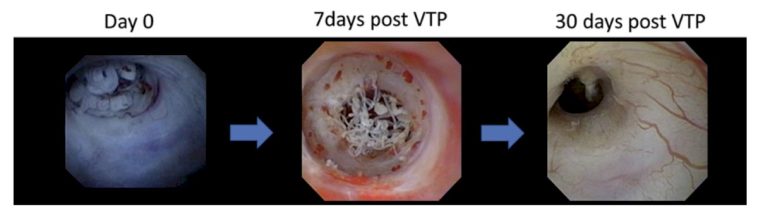
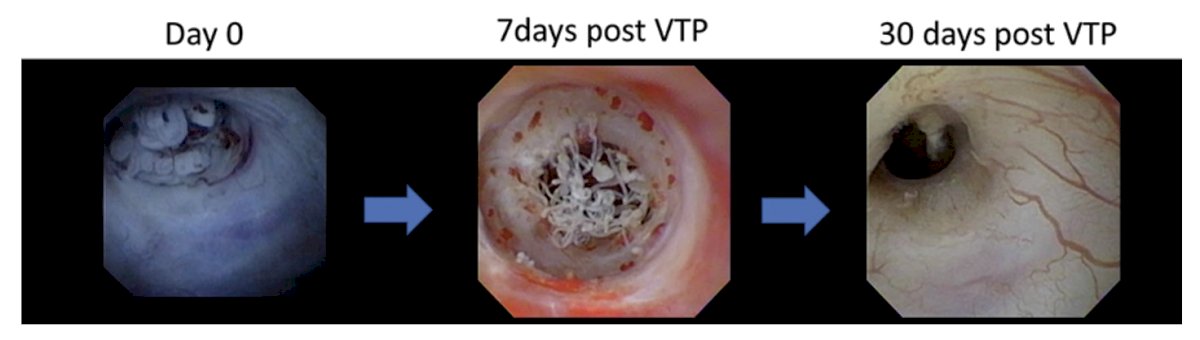
Advances in Photodynamic Therapy for Low-Grade UTUC: A New Era in Organ-Sparing Treatments
The field of urology is witnessing a significant turning point with the advent of padeliporfin vascular targeted photodynamic (VTP) therapy for low-grade upper tract urothelial carcinoma (UTUC). As we dig into the latest interim data from the ENLIGHTED trial, it becomes clear that this innovative treatment promises a transformative approach to managing a condition historically handled with more invasive measures. The implications are especially profound for patients looking to preserve kidney function and avoid the heavy toll of a nephroureterectomy.
UTUC, while relatively rare, makes up roughly 10% of all urothelial cancers. Even though low-grade UTUC is rarely fatal, the treatment process itself has long been riddled with tricky parts, tangled issues, and nerve-racking decisions. Patients are often forced to sacrifice their kidney function, confronting an overwhelming cascade of subsequent health issues. The potential of an organ-sparing alternative such as padeliporfin VTP therapy is both refreshing and promising. In the following sections, we take a closer look at the trial’s early results, delve into the science behind the treatment, and reflect on its future in clinical practice.
Organ-Sparing Alternatives to Nephroureterectomy for Urothelial Cancer
Conventional treatment for low-grade UTUC has primarily involved nephroureterectomy. While this method has its place in saving lives, it also ushers in a host of complications associated with the loss of renal function. For many patients, the subsequent decline in kidney performance can lead to a cascade of related health issues, making the overall scenario even more daunting.
Padeliporfin VTP therapy offers a less invasive, organ-sparing alternative that aims to avoid the nerve-racking aftermath associated with kidney removal. Unlike traditional surgery, this photodynamic therapy harnesses a light-activated agent to target tumor blood vessels directly, initiating a process that leads to tumor necrosis without the need for major surgical intervention. This approach not only reduces the risk of damaging the kidney but also potentially sidesteps the confusing bits and twists and turns traditionally involved in surgical management.
Understanding the Science Behind Padeliporfin VTP Therapy
At its core, padeliporfin VTP therapy utilizes the principles of photodynamic treatment. The process involves administering a photosensitizing agent—padeliporfin, which is a water-soluble chlorophyll derivative—followed by targeted illumination with a non-thermal light source. When activated by light, padeliporfin triggers a series of biochemical reactions, leading to the destruction of tumor blood vessels. This cascade results in tumor necrosis, an inflammatory response, and the engagement of the immune system.
Here are the key steps that outline the science of this treatment:
- Administration: The photosensitizer is administered to the patient, becoming selectively concentrated in the tumor vasculature.
- Light Activation: A non-thermal light source is applied to the treatment area, activating the photosensitizer.
- Vascular Targeting: Upon activation, padeliporfin sets off a chain reaction that damages the tumor’s blood vessels, disrupting its nutrient supply.
- Tumor Destruction: The lack of oxygen and nutrients triggers tumor necrosis, leading to the elimination of cancerous cells.
- Immune Response: The process also stokes an inflammatory reaction, potentially rallying the immune system to assist in further clearing residual tumor tissue.
This precise mechanism allows for the preservation of surrounding healthy tissues, translating to a better safety profile and a meaningful quality-of-life improvement for patients, especially those already burdened by other health issues related to kidney function.
Interim Trial Results: What They Mean for UTUC Patients
The interim data reported from the ENLIGHTED trial offer a glimpse into the promising future of padeliporfin VTP therapy. With an overall response rate of 86.5% and a complete response rate of 73%, these statistics signify a substantial impact on low-grade UTUC management. The nuances of these findings, although preliminary, suggest that this treatment may serve as a must-have tool in how we manage UTUC while prioritizing organ preservation.
When discussing the trial data it’s important to note a few key elements:
- Overall Response Rate: 86.5%, indicating that the vast majority of patients experienced a positive reaction to the treatment.
- Complete Response Rate: 73%, an essential figure supporting the therapy’s robust capacity to completely eradicate detectable disease.
- Partial Response: Observed in 13.5% of patients, highlighting that even those who did not achieve complete response still showed significant benefit.
- Disease Recurrence and Progression: Disease recurrence was seen in 10.8% of cases, with a mere 2.7% experiencing progression of the condition.
The outcomes thus far are compelling. They serve as a beacon of hope for a patient population that has long been navigating the tangled issues related to traditional surgical interventions. With the ability to maintain kidney function, many patients might avoid the intimidating risks associated with complete surgical removal of the kidney and ureter.
Safety Profile: Balancing Benefits and Risks in Urologic Treatments
One of the most critical concerns in evaluating any new cancer treatment is its safety profile. Padeliporfin VTP therapy, as indicated by the interim ENLIGHTED data, appears to hold a favorable position on this front. Most adverse events (AEs) recorded were mild, falling within the grade 1-2 category, and resolved rapidly—typically within a few days.
A summary of the most frequent adverse events includes:
| Adverse Event | Incidence (%) |
|---|---|
| Hematuria | 14% |
| Flank Pain | 10% |
| Procedural Pain | 6.4% |
| Dysuria | 5.2% |
| Urinary Tract Infection | 5.2% |
| Abdominal Pain | 4.7% |
| Vomiting | 4.7% |
| Fatigue | 4% |
| Nausea | 3.5% |
Additionally, there were 19 instances (9.2%) of grade 3 serious AEs, which were limited primarily to renal colic and flank pain, all of which resolved within 2 days. This neat safety profile is encouraging and underlines the therapy’s potential as a safe, effective alternative to more invasive options.
Overcoming the Tricky Parts of Urothelial Cancer Management
Managing low-grade UTUC has always been laden with confusing bits and complicated pieces. Traditional surgical interventions, while effective at removing cancer, come with a heavy burden—most notably, the loss of kidney function. This is a particularly sensitive issue given that many patients with low-grade UTUC are already in vulnerable health states. The challenge has been to figure a path that both addresses the cancer and spares as much of the organ function as possible.
Padeliporfin VTP therapy offers a promising avenue for working through these challenging bits. The treatment has the potential to bridge the gap between effective cancer management and the preservation of kidney function. For patients and their families, this can mean avoiding the overwhelming and off-putting complications associated with a full nephroureterectomy.
The success observed in the interim analysis of the ENLIGHTED trial illustrates that we may finally have a method which not only treats the tumor effectively but does so by sparing critical organs. This development could mark a seismic shift in standard clinical practices, improving both short-term and long-term outcomes for patients.
Clinical Trial Dynamics and Patient Eligibility: Fine Details That Matter
The ENLIGHTED trial is a single-arm, open-label phase 3 study conducted across 22 international sites including the United States, France, Spain, Germany, Austria, and Israel. One of the critical aspects of any clinical trial is the precise criteria used to include patients, as these details are fundamental to understanding the trial’s success and its applicability in everyday practice.
Patients deemed eligible for the ENLIGHTED trial had to meet specific parameters, including:
- Diagnosis of new or recurrent low-grade, non-invasive UTUC
- Presence of up to 2 biopsy-proven, low-grade tumor lesions with dimensions:
- Kidney lesions: 5 mm to 15 mm
- Ureteral lesions: 5 mm to 20 mm
- Absence of high-grade cells in instrumental cytology
However, it is equally important to highlight who was excluded from this analysis. Patients with current high-grade or muscle-invasive (beyond pT1) urothelial carcinoma of the bladder, carcinoma in situ in the upper urinary tract, or those with a history of invasive T2 or higher urothelial cancer in the past two years were not included. Additionally, individuals with photosensitive skin diseases, such as porphyria, were excluded due to the risk factors associated with photodynamic therapy.
These detailed eligibility criteria ensure that the safety and efficacy outcomes are accurately determined, ultimately painting a trustworthy picture of how this therapy could be seamlessly integrated into clinical practice for precisely defined patient subgroups.
Real-World Impact: Preserving Kidney Function and Improving Life Quality
The potential real-world impact of padeliporfin VTP therapy extends far beyond the realm of clinical statistics. For the many patients burdened by the difficult twists and turns of low-grade UTUC management, preserving kidney function is not a mere clinical victory—it is a profound quality-of-life improvement.
Loss of a kidney can lead to a cascade of complications including high blood pressure, decreased overall health, and even the need for dialysis in severe cases. By offering an alternative method that maintains kidney integrity, this therapy may serve as a critical lifeline for patients seeking to keep not only their cancer under control but also their overall health and daily functionality intact.
In patient-centric terms, the ability to avoid the radical step of kidney removal translates into numerous tangible benefits:
- Lifestyle Preservation: Patients can maintain a level of daily functionality often lost following major surgery.
- Reduced Hospitalization: The minimally invasive nature of VTP therapy can lead to shorter hospital stays and recovery times.
- Mental Wellbeing: Avoiding the anxiety and off-putting fear associated with major surgery contributes significantly to overall mental health.
- Long-Term Health Stability: Retaining kidney function reduces the risk of further complications such as chronic kidney disease and cardiovascular issues.
This holistic advantage brings to light why such developments are not merely about oncological success, but about a broader commitment to patient-centered care.
Data-Driven Decision Making: How Interim Results Shape the Future of Urologic Oncology
When evaluating any new treatment, it is imperative to rely on robust data. The interim results from the ENLIGHTED trial instill confidence by demonstrating both high efficacy and a neat safety profile. Clinicians are now being provided with an evidence-based alternative that challenges the traditional approaches, urging them to consider a paradigm shift in managing low-grade UTUC.
Some of the fine shades or subtle differences that differentiate padeliporfin VTP therapy from conventional treatments include:
- Rapid Response Rates: The speed with which patients have shown a response, as documented by the interim analysis.
- High Complete Response Rates: The promising complete response rate of 73% provides a compelling argument for VTP therapy’s effectiveness.
- Minimized Risk of Recurrence: With a recurrence rate just above 10%, the likelihood of the disease coming back appears much lower compared to older methods.
- Temporary and Manageable Adverse Events: The short-lived grade 1-2 adverse events help bolster the argument that patients can safely undergo this treatment without long-term detriment.
This data-driven approach not only confirms the potential of padeliporfin VTP therapy but also helps to identify areas where further research might be necessary, such as larger patient cohorts and longer follow-up periods. In doing so, it lays down a scientifically robust pathway for future regulatory approvals and broader clinical application.
Integrating Padeliporfin VTP Into Standard Practice: Challenges and Opportunities
While the interim data from the ENLIGHTED trial are certainly encouraging, the process of integrating any new treatment into standard medical practice is never straightforward. Medical professionals need to find their way through a maze of regulatory, logistical, and educational hurdles before such innovative therapies can be widely adopted.
Below are a few of the tricky parts that clinicians and healthcare organizations will need to manage:
- Regulatory Approvals: Ensuring that sufficient evidence is gathered to meet the rigorous standards set by health authorities across multiple regions.
- Training and Education: Equipping urologists and related healthcare staff with the fine points of administering photodynamic therapy effectively and safely.
- Patient Selection Protocols: Refining eligibility criteria in real-world settings to maximize benefits while minimizing risks.
- Cost and Reimbursement Issues: Navigating the economic aspects of a new technology can be a complicated piece of the puzzle.
- Long-Term Follow-Up: Establishing data registries for long-term outcomes to ensure the therapy continues to perform as expected.
Despite these challenges, the potential rewards are super important. Successfully integrating padeliporfin VTP therapy could lead to an era where organ preservation is the norm rather than the exception, and where patients facing low-grade UTUC are offered treatment options that support both survival and quality of life.
Future Directions: The Road Ahead for Organ-Sparing Therapies in Urology
The interim data from the ENLIGHTED trial not only provide a snapshot of current success but also serve as a springboard for future research. The promising results of padeliporfin VTP therapy encourage further studies that may refine and expand this organ-sparing approach, potentially leading to a broader application across various subtypes of urothelial cancer.
Looking ahead, several key areas are ripe for exploration:
- Comparative Studies: Future trials comparing padeliporfin VTP with traditional surgical approaches will be important to understand relative advantages in larger patient populations.
- Combination Therapies: Research into how photodynamic therapy can be combined with other treatment modalities, such as immunotherapy or targeted therapy, may yield even better outcomes.
- Long-Term Outcomes: Establishing robust long-term follow-up studies to fully determine the durability of the treatment response and its impact on overall survival.
- Patient-Reported Outcomes: Evaluating quality of life, functional status, and patient satisfaction can provide a holistic picture of the therapy’s success.
- Technological Enhancements: Continued improvement in photodynamic technology and light delivery systems may make treatments even more precise and less prone to the nerve-racking complications sometimes seen with invasive procedures.
With these future directions in mind, the role of padeliporfin VTP could extend beyond low-grade UTUC to other areas in urologic oncology where organ preservation and patient quality of life are paramount.
Implications for Patient-Centered Care and Shared Decision-Making
When it comes to cancer treatment, every patient’s journey is unique. Shared decision-making, in which clinicians and patients work together to choose the most appropriate treatment options, is essential. The introduction of padeliporfin VTP therapy into the arsenal of urologic treatments represents not just an advancement in medical science, but also a meaningful step toward more personalized, patient-centered care.
For patients faced with the challenging bits of low-grade UTUC management, the ability to choose a therapy that spares kidney function is a major win. It means that instead of confronting the overwhelming prospect of losing an organ, patients might be able to maintain a better quality of life while still achieving excellent oncological outcomes.
This development fosters a more informed dialogue during consultations, where patients can discuss:
- The potential benefits of organ preservation.
- The manageable nature of temporary adverse effects.
- The overall impact on long-term health and daily wellbeing.
The move away from a one-size-fits-all approach toward more tailored treatments signals a shift in the paradigm of urologic oncology—one where the subtle details and individual patient needs are front and center in the decision-making process.
Reflections on the ENLIGHTED Trial: A Promising Step Forward
In reflecting on the interim results from the ENLIGHTED trial, it is clear that padeliporfin VTP therapy is shaping up to be a critical addition to our treatment toolkit. With high response rates, a neat safety profile, and the promise of organ preservation, this innovative therapy is poised to change the standard of care for low-grade UTUC.
Although the journey from interim trial data to fully approved standard practice is filled with its own set of twisted issues and off-putting challenges, the momentum behind this therapy is undeniable. Each new piece of evidence helps to build confidence among practitioners and patients alike, paving the way for future studies and, ultimately, regulatory approval.
As we work through the tricky bits of validating and integrating new treatments, one thing remains clear: the quest for solutions that not only treat cancer effectively but also support overall patient wellbeing is more important than ever. The ENLIGHTED trial represents a major milestone in this ongoing journey.
Conclusion: A New Frontier in Urologic Oncology
In conclusion, the interim interim findings of the ENLIGHTED trial provide a hopeful glimpse into the future of UTUC treatment. Padeliporfin VTP therapy, with its innovative approach to photodynamic treatment, offers a viable organ-sparing alternative that could dramatically alter how low-grade UTUC is managed. For patients, this means the possibility of maintaining kidney function and avoiding the overwhelming consequences of traditional surgical approaches.
While challenges remain, particularly in the realms of regulatory approval, widespread clinical adoption, and continued long-term research, the potential benefits are too significant to ignore. As clinicians and researchers continue to sort out the subtle details and work through the hidden complexities associated with this new therapy, patients can look forward to safer, more effective treatment options that prioritize both survival and quality of life.
Ultimately, the evolution of padeliporfin VTP therapy signals a major shift within urologic oncology—one that is replete with opportunities to refine, integrate, and ultimately transform patient care. With each step forward, we move closer to a future where effective cancer treatment does not have to come at the expense of vital organ function, and where the fine balance between treatment efficacy and patient quality of life is successfully achieved.
Such advancements remind us that progress in medicine is not solely about battling disease; it is also about addressing the practical, everyday impacts of treatment choices. As we look to the future, the story of padeliporfin VTP therapy serves as an inspiring example of innovation, patient-centered care, and the enduring commitment of the medical community to improve lives—one patient, one treatment, and one clinical study at a time.
Originally Post From http://www.urologytimes.com/view/interim-enlighted-data-show-promise-padeliporfin-vtp-therapy-in-utuc
Read more about this topic at
Preventing Chronic Kidney Disease – NIDDK
6-Step Guide to Protecting Kidney Health