
Mobile Health Teams as a Lifeline for Survivors in Hebron
The recent introduction of mobile health teams in Hebron represents a refreshing shift in healthcare delivery—especially for communities that have long been underserved. These mobile clinics have emerged as a critical resource for survivors of gender-based violence, providing not only medical assistance but also essential mental support in areas where health facilities are scarce. This new approach is a sterling example of how innovative solutions can help bridge the gap between isolated communities and the services they desperately need.
For many women in rural Palestinian communities, basic healthcare is not easily accessible. In places like Deir Al Shams in southern Hebron, the intricate challenges of poor infrastructure, long travel distances, and a lack of financially viable transportation options often leave survivors wrestling with both physical and mental scars without any professional help. The mobile safe space initiative by the United Nations sexual and reproductive health agency provides an alternative—a place where women can finally receive regular health check-ups, mental health counseling, and community support directly at their doorstep.
Building Community-Based Support in Isolated Areas
Across rural regions, the everyday struggle to secure basic health services is made even more complicated by geographic isolation and economic constraints. In communities such as Deir Al Shams, women like Ayat, a pregnant mother of four, find themselves in a constant battle with tricky parts of access: even a simple trip to see a doctor involves hiring an expensive taxi. With costs rising to around 60 to 70 ILS (approximately $18 to $22), it becomes clear that financial hurdles are not the only obstacles at play—the overarching issue is one of isolation.
This isolation gives rise to far-reaching consequences in terms of emotional and physical health. Many women are forced to travel long distances for basic medical services, leaving them vulnerable to delays in receiving care. In response to this predicament, the mobile safe space initiative is designed not only to address the complications of distance but also to foster community engagement. By creating a designated area where women can interact, share experiences, and seek advice, the initiative helps to construct a supportive network that extends well beyond individual medical check-ups.
Through partnerships with local organizations like the Palestinian Family Planning and Protection Association (PFPPA) and the Roles for Social Change Association (ADWAR), and with funding from international donors such as the Government of Canada, this project aims to create a sustainable model. That model not only meets immediate healthcare needs but also sets the stage for long-term community resilience by reinforcing a sense of trust and connectedness amongst local residents.
Overcoming Access Barriers in Remote Palestinian Communities
The challenges of obtaining healthcare in remote parts of the West Bank can be overwhelming. Many of the residents are caught in a maze of complicated pieces when it comes to interpreting health and safety protocols amidst limited public transportation and economic hurdles. For instance, women in these communities must often rely on infrequent, costly taxi services, making regular visits to clinics nearly unattainable.
This new mobile service demonstrates how innovative solutions can help to solve these nagging access issues. The service brings comprehensive care to the doorsteps of those who need it most. By providing access to mental health support, first aid, and sexual and reproductive health services, the mobile clinic is addressing both immediate health needs and the underlying anxieties caused by isolation and limited resources.
Among the many benefits of this approach is its role in reducing stigma. In remote settings where survivors of gender-based violence might feel judged or shamed for seeking help, a mobile safe space offers a discreet and supportive environment. Women no longer need to journey to urban centers where they fear being recognized or ostracized—the clinic travels to them, making health and well-being both accessible and discreet. This thoughtful maneuver is critical in easing the burden of societal pressures and the nerve-racking fear of public exposure.
- Affordable access to health services
- Discreet and secure locations for care
- Direct engagement with local communities
- Regular mental health support sessions
Safe Spaces for Culturally Sensitive Counseling
In many rural regions of Hebron, traditional cultural norms and the weight of deep-seated social expectations can create additional barriers for women trying to access healthcare. Over time, such settings can contribute to an environment where survivors of gender-based violence suffer in silence, trapped by the stigma attached to their circumstances. The mobile safe space initiative, however, aims to change that narrative by establishing locations that are sensitive to cultural nuances and designed specifically for these environments.
The safe space goes beyond the mere provision of physical assistance. It offers holistic support that encapsulates both the mental and physical aspects of recovery. Counseling sessions, empowerment workshops, legal aid, and sexual and reproductive health checks are all integrated into the service. All these components are delivered in an environment that respects local sensitivities and nurtures a sense of belonging and trust.
One of the most transformative aspects of this initiative is the opportunity it provides for survivors to rebuild their lives in a supportive community setting. The safe space is not a temporary fix but rather a stepping stone towards fostering resilience and self-reliance. As women gather in these spaces, they are encouraged not only to share their stories but also to create community-based support networks that can offer assistance in the long haul.
The initiative also benefits local healthcare providers by reducing the number of emergency cases requiring far-off hospital visits. With continuous counseling and targeted awareness sessions, communities become better equipped to handle both everyday health challenges and more severe crises. By engaging local experts and leveraging culturally sensitive practices, the program is poised to become a cornerstone of community health, easing the stressful journey of many isolated women.
Mobile Mental Health Support for Pregnant Women and Young Mothers
Pregnant women in these communities face a unique set of difficulties that extend beyond physical health. For example, Ayat—a 29-year-old mother who is both pregnant and caring for four children—described her situation as one of constant struggle, where even basic health check-ups are rendered nearly impossible by the need to travel to urban centers. On top of that, the psychological burden of being isolated in a rural setting can add layers of stress that compound these difficulties.
The introduction of mobile mental health services directly into these communities is a game changer. By bringing counseling, psychotherapy, and stress-relief sessions into the heart of these neighborhoods, the program provides essential support that is both accessible and contextually appropriate. This approach ensures that women like Ayat do not feel abandoned in their health battles, but rather empowered through regular contact with healthcare professionals who fully understand the local context and its tricky parts.
Furthermore, by integrating mental health services with routine reproductive healthcare, the mobile teams address subtle parts of the overall health picture. This dual focus is especially important because the mental and physical health of pregnant women are closely linked. Ensuring mental calmness not only improves overall well-being but also contributes to better pregnancy outcomes. In a landscape where mental stress can compound pre-existing health issues, the value of such comprehensive care is enormous.
Innovative Approaches to Mitigate Gender-Based Violence
Gender-based violence remains a pervasive problem in many communities across the West Bank, and survivors often face a lack of safe refuges to report such incidents or to receive comprehensive support. The mobile health teams in Hebron take a novel approach to addressing this sensitive issue by offering both direct health support and pathways to legal and social justice services.
To effectively combat gender-based violence, the initiative incorporates a multi-pronged strategy that includes:
- Offering Confidential Service Rooms: Private spaces where survivors can receive counseling and legal aid without fear of stigma or retaliation.
- Legal Case Management: Facilitating access to legal assistance, tailored to help survivors understand their rights and the available recourses.
- Empowerment Programs: Workshops and community meetings designed to empower women, encouraging them to speak up and support one another.
- Collaborative Partnerships: Working with local organizations to ensure that the assistance provided is culturally sensitive and immediately relevant.
The program is crafted to ease the tensions that many women feel when trying to seek help—help that is critical in moments of crisis. With the help of trusted local partners, survivors are given a discreet, judgement-free zone where they can share their stories and begin to heal. Such initiatives are key to creating environments where survivors are not forced to face the overwhelming burden of a full societal collapse alone.
By focusing on both the immediate physical needs and the more challenging little details of mental and legal support, the intervention is comprehensive. Such a model of care is essential for any community grappling with the lingering effects of conflict and displacement, offering not only a treatment plan but also a roadmap for rebuilding resilient, supportive communities.
Empowering Women Through Empowerment Programs and Peer Support
The creation of safe spaces is not merely about addressing immediate health crises; it is also about laying the groundwork for long-term empowerment and community support. In northern and southern parts of Hebron, women have long been forced to work their way through a maze of frustrating challenges to secure any form of health or emotional support. With the mobile health teams now on the scene, there is renewed hope for sustainable empowerment.
One of the most significant aspects of the initiative is its focus on creating a community of peers who can stand by each other through troubled times. When women gather in a safe, supportive environment, they are more likely to share their experiences and exchange valuable coping strategies. Structures are being put in place to facilitate regular group counseling sessions, community forums, and educational programs. These gatherings provide an invaluable platform where subtle parts of personal and collective healing occur.
Some key benefits of these empowerment programs include:
- Providing women with confidence in expressing their needs and concerns.
- Building a network that reduces feelings of isolation and increases resilience.
- Creating opportunities for mutual support and practical assistance in times of crisis.
- Encouraging community-led discussions on topics ranging from health to legal rights.
These group interventions also serve another essential function—they normalize the process of seeking help. In societies where stigma may often silence victims of gender-based violence, the safe space is a haven that encourages open dialogue and mutual understanding. By fostering these community connections, the initiative paves the way for a future where each individual feels confident enough to take a proactive path towards recovery and empowerment.
Assessing the Impact and Addressing Future Challenges
The success of any healthcare initiative is contingent on its ability to impact lives actually getting close to home. Early reports from Hebron suggest that women feel significantly more secure and supported after engaging with the mobile health teams. However, there are still many nerve-racking concerns that need ongoing attention. For instance, the challenges of reaching all women in need, measuring the effectiveness of mental health interventions, and ensuring confidentiality in closely-knit communities remain full of problems that call for continuous evaluation.
To ensure the sustainability and effectiveness of these services, the following measures are being put in place:
| Challenge | Proposed Solution |
|---|---|
| Limited geographical reach | Expansion of mobile routes and integration with local community centers |
| Economic barriers for patients | Securing additional funding to subsidize transportation and service costs |
| Stigma and confidentiality concerns | Implementing discreet service protocols and secure case management systems |
| Monitoring long-term outcomes | Establishing a community-based feedback loop for continuous service improvement |
Such attention to the twisting parts of implementation not only helps the mobile team refine its approach but also builds trust within the community by demonstrating accountability. These measures illustrate how integrated solutions can be organized to tackle both immediate needs and all the little details that have been overlooked in conventional healthcare delivery models.
Moreover, constant collaboration with local organizations and community leaders is essential to maintain and improve these efforts. As this initiative evolves, maintaining a dialogue with those it intends to serve ensures that the services remain relevant and that the community can actively participate in shaping its future.
Connecting Communities and Fostering Hope Through Mobile Clinics
The mobile safe spaces in Hebron have opened a door to many previously unreachable opportunities in healthcare and social support. More than just a physical structure on wheels, these clinics have come to represent hope, trust, and a new beginning for communities that have been long overlooked. By working directly within these communities, mobile clinics are fundamentally changing the way healthcare is delivered—making it far more accessible, intimate, and responsive to local needs.
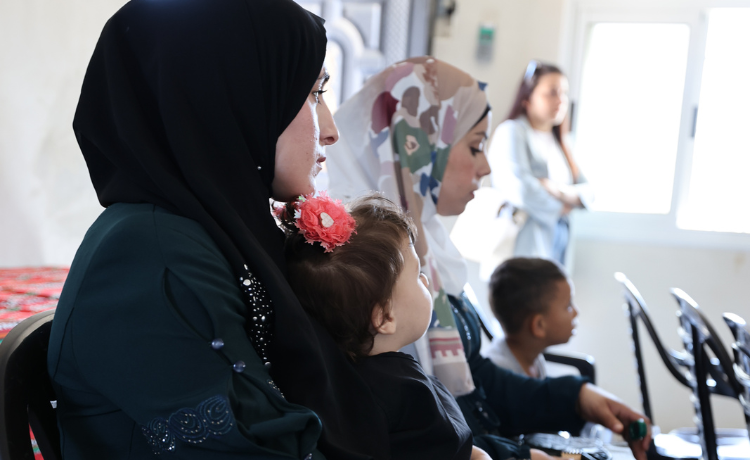
Survivors in these environments are gradually overcoming the inherent challenges of isolation. For women like Lama, who brought her one-year-old daughter Jouri seeking treatment for an ear infection, the presence of a nearby mobile clinic transforms a nerve-racking wait into a possibility for timely intervention. The initiative is not just addressing physical ailments; it is helping to mend the intricate tapestry of community life, where every thread of care contributes to a larger picture of collective well-being.
This transformation is particularly important in areas where the political situation adds extra layers of complexity to everyday life. With restrictions on movement, ongoing tension, and a pervasive sense of fear created by the occupation, the mobile safe space stands as one of the few beacons of stability. In many ways, it reassures local communities that even in the midst of external turmoil, there are people and institutions working tirelessly to ensure that no one is ever left completely behind.
In addition to the mobile service, a fixed safe space in Hebron City is also under development, further enhancing support networks by offering case management and legal aid alongside routine medical care. These multi-faceted approaches are critical in showing that integrated care—one that encapsulates everything from mental support and legal advice to reproductive health—is not only possible but essential for building resilient communities.
Taking the Wheel: The Role of Partnerships in Advancing Reproductive Health
The success of any large-scale health initiative depends greatly on the partnerships that drive it. The mobile safe space project in Hebron is a prime example of how strong, collaborative alliances can lead to innovative solutions in healthcare. By joining forces with organizations like PFPPA and ADWAR, and by securing support from international donors such as the Government of Canada, the project benefits from a wide range of expertise and resources that would otherwise be impossible to consolidate.
These partnerships have several key benefits:
- Pooling local knowledge to address the subtle parts of community-specific challenges.
- Enabling resource sharing to manage the high costs of transportation and service delivery.
- Fostering a supportive network of healthcare providers, legal experts, and community leaders who share a common goal.
The collective involvement of diverse organizations also helps to defuse some of the intimidating challenges facing rural women. With stakeholders working together, it becomes easier for the mobile clinics to adapt to evolving local needs—whether that means updating treatment protocols, introducing new counseling methods, or simply finding innovative ways to ensure that services reach every remote corner. The result is an initiative that is not only comprehensive but also highly resilient in the face of shifting political and social landscapes.
As these partnerships mature, they create a model that can be replicated in other regions facing similar challenges. This model stands as a testament to what can be achieved when multiple players take the wheel to steer through all the twists and turns of modern healthcare delivery in conflict-ridden areas.
The Broader Picture: Health, Rights, and Community Resilience
The mobile safe space initiative is much more than an isolated healthcare project—it represents a commitment to fundamental human rights and personal dignity. By ensuring that every pregnant woman, survivor of gender-based violence, and marginalized community member has access to the services they need, the initiative underscores the principle that healthcare is a universal right.
In the broader picture, the mobile clinics have a dual impact: they directly address immediate health concerns and simultaneously empower communities to manage their own health and well-being over the long term. This dual approach is particularly significant in settings where traditional infrastructure is weak, and where communities have historically been left to fend for themselves.
From a rights perspective, the project helps to reduce the gaps that have long existed between urban and rural healthcare access. It is a practical demonstration of how targeted interventions can balance the scales, ensuring that the promising future of every individual is not compromised by circumstances beyond their control.
Community resilience is built on trust, shared responsibility, and a clear understanding that everyone deserves to lead a healthy and dignified life. The mobile safe space initiative stands as a super important example of how these values can be translated into action. By creating environments where survivors and marginalized individuals are encouraged to seek help without fear, the project lays the groundwork for a future where independent community support systems thrive.
The Human Element: Stories of Resilience and Hope
At the heart of this groundbreaking initiative are the personal stories of resilience and hope. Mujeres like Ayat, Lama, and Samira exemplify how access to critical health services can transform lives. Their stories bring to life the impact of an initiative that overcomes more than just physical barriers—it reaches the deeper, almost hidden complexities of emotional trauma and societal isolation.
Many of these compelling narratives echo a central theme: the pressing need for a compassionate space where women can share experiences and heal together. One woman described the safe space as not merely a refuge, but as a place to laugh, cry, and reclaim her power in an environment where she has long felt abandoned. Another survivor stressed the importance of having a dedicated space where her well-being is the sole priority, free of judgment and filled with genuine support.
Such stories are critical in highlighting the necessity of communities taking a closer look at their health systems, particularly as they try to figure a path through the challenging bits of limited access, trauma, and an often overwhelming fear of the future. By sharing these personal experiences, local leaders and international supporters alike are reminded that the impact of these mobile clinics is measured not only in statistics and service delivery but in the lives of those whose realities are being improved with each passing day.
Conclusion: Rebuilding Futures with Accessible Healthcare
As the mobile safe space initiative continues to roll out in Hebron, it brings with it a renewed sense of optimism and possibility. The project is a shining example of how communities can work together to overcome tricky parts related to access, cultural sensitivities, and the pressing demands of everyday survival. It also serves as a call to action for other regions facing similar challenges, urging governments, communities, and international organizations to prioritize accessible, culturally sensitive healthcare as a foundation for lasting peace and prosperity.
In this context, the mobile health teams are more than just a temporary fix—they are the beginning of widespread change. Their comprehensive approach to providing medical, psychological, and legal support is a decisive step toward protecting the rights and enhancing the well-being of some of the most vulnerable members of society. Though the road ahead may still be filled with twists and turns, this initiative proves that with dedicated support and community-based solutions, even the most intimidating challenges can be met with compassion, resilience, and unwavering hope.
Ultimately, the success of this initiative signals a broader shift in healthcare delivery—a movement toward accessible, community-focused support that respects the subtle details of local realities while advocating for every individual’s inalienable right to a healthy life. In the ever-changing landscape of global healthcare, projects like these remind us that care, commitment, and community are the true building blocks for a more equitable future.
Originally Post From https://www.unfpa.org/news/holding-space-hope-mobile-health-teams-are-lifeline-survivors-gender-based-violence-hebron
Read more about this topic at
What is recovery? A conceptual model and explication
What Is Recovery? A Conceptual Model and Explication