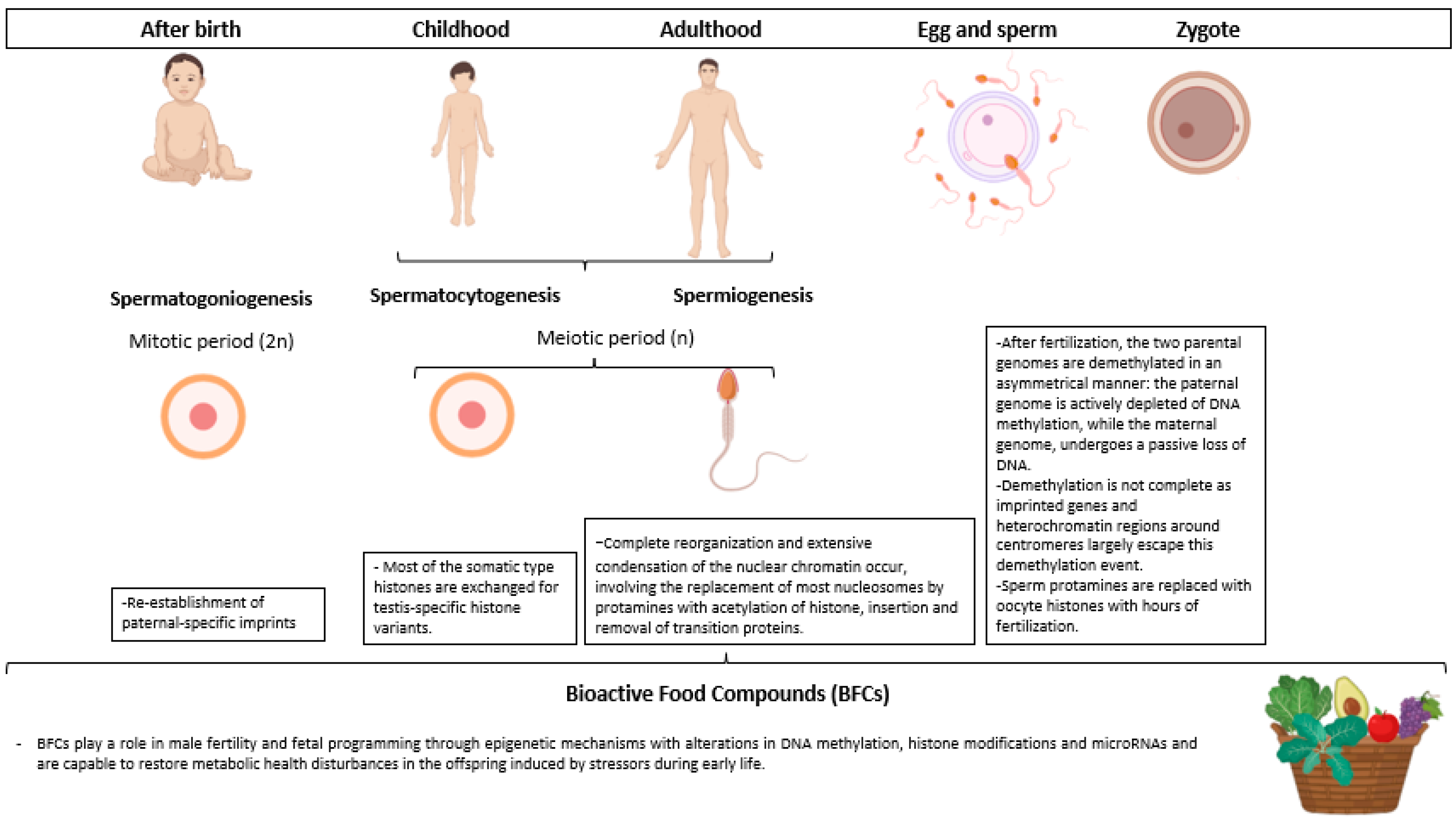
Paternal Lifestyle and Sperm Epigenetics: Shaping the Next Generation
Recent advances in epigenetics have opened up a whole new way of looking at how a father’s lifestyle and environmental exposures might affect the health of his offspring. With increasing evidence that factors such as diet, obesity, smoking, stressful living conditions, and even exposure to everyday chemicals can leave a mark on sperm quality, researchers are now beginning to piece together the intricate puzzle of sperm epigenetics. In this editorial, we take a closer look at this rapidly evolving field and explore why it is essential for both prospective fathers and fertility specialists to consider these findings as they plan for a healthy future.
Understanding the Tricky Parts of Sperm Epigenetics
At its core, epigenetics refers to chemical modifications that alter gene expression without changing the underlying DNA sequence. In the context of sperm, these changes occur through mechanisms like DNA methylation, histone retention, and variations in small non-coding RNAs. Think of these modifications as sticky notes attached to the genome; they provide instructions, but they don’t change the original text.
The tricky parts in this field are the tangled issues surrounding how these modifications influence fertilizing ability, early embryo development, and even the long-term health of the child. While maternal epigenetics has been well studied for many years, it is only in recent times that researchers have begun to poke around at the paternal side of the equation. As scientists work through these complicated pieces, they are gradually uncovering how a father’s lifestyle leaves epigenetic “signatures” on his sperm.
How Diet and Obesity Affect Sperm Quality and Offspring Health
One of the most discussed factors is diet. Nutritional choices play an essential role in shaping the epigenetic landscape of sperm. Diets that are high in fats and sugars or are deficient in key nutrients like folate are associated with altered sperm methylation patterns and disrupted levels of small non-coding RNAs. These slight differences may seem trivial at first but can lead to significant metabolic dysfunction in offspring.
Obesity, often linked to modern dietary habits, is another factor that stands out. Fathers with high body mass indices (BMI) have been shown to pass on altered methylation patterns that could influence the risk of metabolic diseases in their children. Essentially, an unhealthy diet and obesity might set off a chain reaction – one where the sperm carry forward hidden complexities that affect the overall health and development of the next generation.
Smoking and Its Overwhelming Impact on Sperm Epigenetic Profiles
Smoking is a well-known risk factor for many health conditions, and its influence on reproductive health is equally alarming. Nicotine and other toxins in cigarettes can lead to differentially methylated regions in genes involved in anti-oxidation, insulin signalling, and the process of spermatogenesis. The effects extend beyond just the biochemical signatures in sperm; reduced motility and abnormal morphology are also observed, indicating a direct impact on sperm quality.
The overwhelming evidence linking smoking to negative reproductive outcomes serves as a reminder of the potent impact of lifestyle choices on biological functions. Even subtle changes, driven by chemicals found in tobacco, can set off a series of reactions that influence not only fertility but also the overall genetic blueprint passed on to the offspring.
Endocrine-Disrupting Chemicals: Scary Environmental Exposures
In today’s environment, exposure to endocrine-disrupting chemicals (EDCs) is a matter of increasing concern. Chemicals such as BPA (bisphenol A) and phthalates are ubiquitous – found in everything from plastic containers to personal care products. These toxic exposures are linked to changes in the sperm epigenome that can be transmitted to future generations.
EDCs often cause transgenerational shifts in DNA methylation patterns, which may have long-lasting effects on both fertility and the risk of disease. Imagine these chemicals as unwelcome guests at the cellular level, leaving behind a legacy of hidden changes that can persist long after the initial exposure. The fact that these markers can be passed down makes managing and reducing exposure a super important aspect of preconception health.
Stress: How Everyday Pressure Alters Sperm Quality
One cannot underestimate the pervasive influence of stress on overall well-being, and emerging research indicates that stress prior to conception can affect sperm epigenetic marks. Animal studies have suggested that stress can modify sperm miRNAs and piRNAs, along with changes in DNA methylation, leading to behavioral and metabolic alterations in offspring. These findings point to a nerve-racking reality – the daily pressures faced by prospective fathers might have more far-reaching consequences than previously assumed.
Stress is known to trigger a cascade of hormonal and cellular changes. When fathers experience high levels of stress before conception, the ensuing epigenetic alterations could predispose their children to difficulties ranging from metabolic disorders to mental health challenges. Therefore, managing stress isn’t just about feeling better in the moment; it might be a key factor in securing the health of the next generation.
Implications for Assisted Reproductive Technologies (ART)
The exciting aspect of these discoveries is that they also hold specific implications for assisted reproductive technologies (ART). Clinicians are beginning to realize that a father’s BMI, dietary habits, and lifestyle choices may directly correlate with embryo quality and the success rates of procedures like intracytoplasmic sperm injection (ICSI). As studies continue to underscore the importance of sperm epigenetics, tools that screen for epigenetic markers in sperm could soon play a role in tailoring ART protocols.
In practice, incorporating these advanced screening methods could help specialists to better gauge the fertilizing potential and viability of sperm. Here’s a quick look at some promising aspects for ART:
- Enhanced embryo quality assessments using epigenetic biomarkers
- Personalized fertility care based on a man’s lifestyle and cell signatures
- The potential for improved ICSI outcomes through preconception lifestyle adjustments
By integrating lifestyle interventions prior to treatment, it’s possible to make more informed decisions and steer through the nerve-racking twists and turns of infertility treatments. These changes are seen not just as enhancements to reproductive medicine but as critical steps toward reducing disease risk across generations.
Practical Guidance for Future Fathers
For those planning to start a family, the emerging body of research on sperm epigenetics may provide some clear instructions on steps that can be taken well in advance of conception. The idea of preconception health interventions is gaining popularity, as adopting healthy habits early can help counteract many of the adverse epigenetic modifications. Here are several key recommendations:
- Maintain a Healthy Weight: Weight management is essential, as obesity can alter sperm methylation patterns. A balanced routine that includes regular physical activity and a diet rich in essential nutrients can make a significant difference.
- Focus on a Balanced Diet: Emphasizing nutrient-rich foods, particularly those providing a good dose of folate, is important. Reducing high-fat and high-sugar meals can help maintain healthier sperm epigenetic profiles.
- Avoid Smoking and Limit Alcohol: Smoking cessation is one of the most influential actions a prospective father can take. Similarly, moderating alcohol intake can prevent exposure to harmful toxins that disrupt sperm quality.
- Reduce Exposure to Harmful Chemicals: Minimizing exposure to EDCs, like BPA and phthalates, is crucial. This might include choosing BPA-free plastic, avoiding heated plastics, and being mindful of workplace exposures.
- Manage Stress Effectively: Since stress can trigger adverse epigenetic changes, adopting stress management techniques such as mindfulness, regular exercise, or hobbies can be a game-changer.
These steps not only help in preserving the quality of sperm but also set the stage for potential future improvements in fertility treatments. While making these changes might appear intimidating at first, the long-term benefits are well worth the effort.
Future Directions and Research Needs in Sperm Epigenetics
The current body of evidence, while compelling, is still in its early stages. Researchers emphasize the need for large, longitudinal human cohort studies to firmly establish causal relationships and determine dose-response patterns. Standardization of epigenetic assays – such as advanced methylation platforms and small-RNA profiling – will be key to comparing results and translating laboratory findings into routine clinical practice.
Moreover, the integration of epigenetic screening into andrology and ART workflows is an exciting frontier. Such measures could:
- Spearhead personalized approaches to fertility treatment by using sperm epigenetic profiles as biomarkers.
- Enable clinicians to get around the confusing bits of predicting embryo viability.
- Open the door to trials assessing the effectiveness of preconception lifestyle interventions on altering detrimental epigenetic marks.
As researchers dive in and poke around with modern genomic tools like RNA sequencing, we can expect new insights to emerge that define the fine points of sperm epigenetic modifications. These future studies will help in figuring a path forward, ensuring that lifestyle factors are clearly tied to reproductive outcomes.
Bridging the Gap: Integrating Epigenetic Insights in Clinical Practice
While the scientific community is busy unraveling these hidden complexities, fertility specialists and clinicians are already starting to take note of the potential clinical applications. A more holistic approach to preconception care that includes epigenetic screening and targeted lifestyle programs might soon become a standard component of fertility treatments.
Integrating these measures into mainstream clinical practice will require:
- Robust Clinical Trials: Controlled studies that test lifestyle interventions on sperm epigenetic markers and clinical outcomes are essential. These trials can help confirm the small distinctions observed in early research.
- Standardized Testing Protocols: Adoption of standardized assays, such as the MethylationEPIC platform and small-RNA profiling techniques, will ensure consistency and reliability.
- Interdisciplinary Collaboration: Bridging the gap between clinical practice and basic research will be key in managing the many twists and turns associated with translating laboratory findings into real-world care.
- Patient Education and Engagement: It is critical that prospective fathers understand how their lifestyle choices can impact not just their own reproductive health, but also the future well-being of their children.
Incorporating these insights into patient counseling sessions can help demystify the long-term effects of everyday behaviors, turning what was once seen as a nerve-racking frontier into an area of proactive management.
The Hidden Complexities of Transgenerational Health Risks
One of the most sobering aspects of the emerging research is the demonstration of how lifestyle-induced epigenetic changes in sperm might have transgenerational consequences. In other words, the effects of a father’s lifestyle choices may not end with his own children but could extend to future generations. This finding is full of problems for those who hope to break cycles of disease in their families.
Researchers have observed that:
- The subtle parts of sperm epigenetic modifications may set the stage for metabolic and behavioral changes in children and grandchildren.
- Environmental toxins and unhealthy habits leave a legacy of DNA methylation changes that can be passed on.
- These epigenetic signatures affect not just innate development but also the outcomes of modern fertility treatments.
While the idea of inheriting not just physical traits but also the hidden marks left by environmental exposures might sound overwhelming, it underscores the importance of considering long-term health in preconception care. Addressing these issues now could help alleviate the burden of chronic diseases that seem to run in families.
Small Distinctions: The Fine Shades of Sperm Epigenetic Changes
As researchers take a closer look at the small distinctions of sperm epigenetic modifications, they are uncovering nuanced roles for various elements. The process of DNA methylation or the retention of histone proteins may seem like slight differences at the molecular level. Yet, these subtle details have the power to influence gene expression significantly in the developing embryo.
For instance, variations in methylation can affect genes that are crucial for insulin signalling, possibly predisposing children to metabolic disorders. Similarly, alterations in small non-coding RNA profiles can impact spermatogenesis and, in turn, embryo quality during assisted reproduction procedures. These findings highlight how even minor shifts in the sperm epigenome can manifest as major effects once fertilization occurs.
By shedding light on these fine shades, researchers hope to provide clinicians with tools to distinguish between normal variability and epigenetic patterns that signal higher disease risk. Understanding the nitty-gritty of these processes is a key step in developing targeted interventions.
Working Through the Confusing Bits: Lifestyle Programming for Better Sperm Health
There is an increasing call within the medical community to treat male preconception health as a modifiable lever. Working through the confusing bits of lifestyle programming means acknowledging that many factors–ranging from diet and exercise to stress management–play a role in determining sperm quality. Evidence suggests that with appropriate modifications, certain adverse epigenetic marks might be reversed.
Consider the following recommendations when creating a healthier lifestyle:
| Lifestyle Factor | Potential Epigenetic Impact | Recommended Actions |
|---|---|---|
| Diet and Nutrition | Altered DNA methylation and sncRNA profiles | Consume a balanced diet rich in folate, fruits, and vegetables |
| Obesity | Changed epigenetic signatures increasing metabolic risks | Engage in regular physical activity and maintain a healthy weight |
| Smoking | Differential methylation in key reproductive genes | Avoid tobacco use and seek professional help for smoking cessation |
| EDC Exposure | Transgenerational epigenetic modifications | Reduce exposure to plastics and use EDC-free products |
| Stress | Altered miRNA/piRNA profiles and methylation patterns | Practice stress management techniques such as meditation and exercise |
By following these practical steps, prospective fathers can work through the tangled issues of their lifestyle choices and steer through the unavoidable twists and turns that accompany modern living. The aim is to empower men to take proactive measures now so they can enjoy healthier reproductive outcomes later on.
Beyond the Lab: The Broader Social Impacts of Paternal Epigenetics
The implications of paternal epigenetics stretch beyond the laboratory and into the realm of public health. As more evidence accumulates linking lifestyle factors to epigenetic changes in sperm, policymakers and healthcare providers are called upon to raise awareness and design effective preconception health programs. These initiatives have the potential to yield benefits that extend well beyond individual families.
Key societal implications include:
- Reducing Healthcare Burdens: By improving preconception health, future generations could face lower rates of chronic diseases, easing the long-term strain on healthcare systems.
- Empowering Individuals: Educating men about the impact of their lifestyle on future offspring promotes a culture of personal responsibility and preventive care.
- Informed Policy Decisions: Insights from epigenetic research can guide public health policies, encouraging regulations that limit exposure to harmful chemicals and support nutrition and wellness programs.
When seen in this broader context, the emerging research on sperm epigenetics isn’t just an academic curiosity—it’s part of a larger movement aimed at optimizing generational health. The shared responsibility between individuals, healthcare providers, and policymakers creates a collaborative avenue towards reducing intergenerational disease risk.
Taking the Wheel: Future Perspectives in Male Preconception Health
Looking forward, the integration of epigenetic information into routine clinical care could revolutionize how we think about male fertility and preconception health. A future where lifestyle screenings and personalized interventions become the norm is fast approaching. With further research, we might see:
- The development of a comprehensive preconception screening kit that assesses both genetic and epigenetic markers in sperm.
- More robust clinical guidelines that incorporate lifestyle assessments and targeted interventions for men planning fatherhood.
- A closer working relationship between andrologists, nutritionists, and mental health professionals to create integrated care plans.
- Increased public awareness campaigns that highlight the importance of paternal contributions to the future health of their children.
By taking the wheel and actively engaging in proactive lifestyle management, men can significantly influence the well-being of their offspring. In doing so, they help lay the groundwork for healthier generations and contribute to a future where personalized reproductive care is standard practice.
Conclusion: A Call for Preconception Health Interventions and Research
In conclusion, the emerging evidence on the relationship between paternal lifestyle factors and sperm epigenetic modifications underscores a transformative period in reproductive medicine. While many of the findings remain subject to further exploration through large, longitudinal studies, the current data is compelling enough to suggest that men have a more direct role in the health trajectories of their children than ever previously realized.
From dietary adjustments and obesity management to quitting smoking and reducing exposure to endocrine-disrupting chemicals, each modifiable lifestyle factor represents an opportunity to reverse adverse epigenetic marks. Consequently, preconception health is not solely a women’s issue; it is equally a matter for men. By making these changes, prospective fathers can contribute to improved embryo quality, higher success rates in ART, and ultimately, a reduced risk of chronic diseases in their descendants.
Continuing to dig into these tangled issues and working through the small distinctions in epigenetic mechanisms will require close collaboration between researchers, clinicians, and public health experts. As we figure a path forward, it is super important that we incorporate these findings into everyday healthcare practices and policies, ensuring that future generations benefit from today’s scientific breakthroughs.
Ultimately, the field of sperm epigenetics serves as a reminder of how our everyday choices—no matter how trivial they might seem—can have lasting impacts on the lives of those who come after us. By embracing proactive lifestyle interventions and supporting ongoing research, we can help create a healthier, more robust future. Now is the time for major conversations about preconception health to include men, and for society as a whole to recognize that paternal well-being is inextricably linked to the health of our next generation.
As this field matures, it holds the promise of transforming not only fertility treatments but also our overall approach to preventive healthcare. With a renewed focus on lifestyle factors and the hidden complexities of epigenetic regulation, both individuals and healthcare providers are in a better position than ever before to take the necessary steps toward safeguarding our future. Let this be a call to action for prospective fathers everywhere—by making informed lifestyle choices today, you’re laying the groundwork for a healthier tomorrow.
Originally Post From https://www.news-medical.net/news/20251017/Review-reveals-how-paternal-lifestyle-shapes-sperm-epigenetics-and-offspring-health.aspx
Read more about this topic at
mammalian sperm provide much more than DNA at
SUNDAY