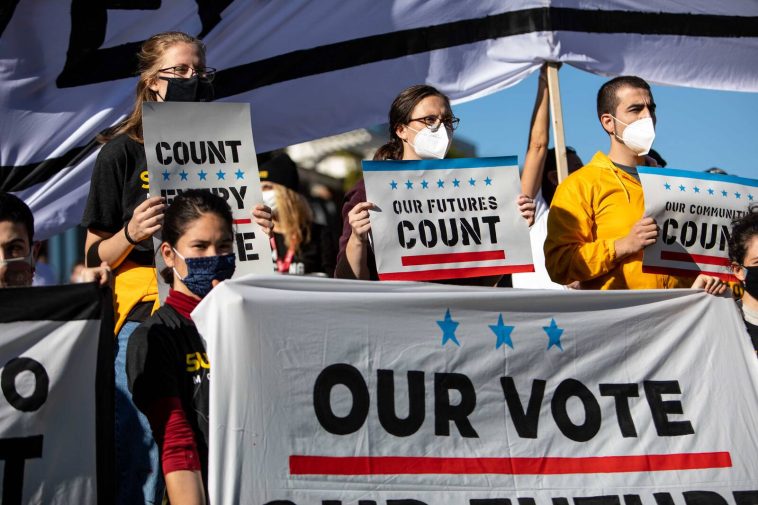

Youth Activism and the Changing Face of Elections
The recent elections demonstrated a powerful trend: young voters are not only showing up in record numbers, but their involvement is making real change at the ballot box. With an increasingly engaged youth population, it’s clear that energy, determination, and the drive for representation are paving the way for a brighter future. In many ways, the results of these elections signal that the young generation is ready to take over the political stage, and they are doing so with a blend of passion and pragmatism.
This editorial takes a closer look at how youth activism has transformed the political landscape and why the efforts of young organizers deserve recognition. By exploring the behind-the-scenes work that went into mobilizing enthusiastic voters and creating enduring coalitions, we gain insights into the subtle details that have led to historical wins and increased representation across the country.
The Power of Young Voter Mobilization in Local Elections
Youth activism is proving that age is not a barrier to significant political impact. With innovative campaign strategies and a deep understanding of modern communications, younger voters managed to beat the intimidating odds that once kept them on the sidelines of traditional politics. The trickiness in getting young people to vote—ranging from confusing bits in the registration process to the tangled issues of apathy and skepticism—has been tackled head-on by dedicated youth organizers who truly believe in the power of civic engagement.
Campaigns that target young voters are now more than just a fleeting trend; these initiatives incorporate smart tactics such as social media mobilization, peer-to-peer outreach, and community dialogues that help young people figure a path through the often nerve-racking world of political activism. The energy surrounding these efforts is infectious, and the results speak for themselves: historic voter turnouts and groundbreaking wins that show the might of youth mobilization.
The Importance of Grassroots Organizing Among the Young
Grassroots organizing has long been seen as a cornerstone of democratic participation. In recent elections, however, young activists have taken this concept to new heights. They are not simply following pre-set rules; instead, they are actively building their own networks, knocking on doors, holding meet-ups, and engaging in hands-on activities that foster a spirit of community and accountability.
One important factor in this shift is the recognition that when someone from your own generation leads an initiative, that person is more likely to understand the small distinctions and hidden complexities of the youth experience. Organizing efforts have evolved from traditional methods into digitally-enhanced strategies that make use of technology and social media platforms to create a more inclusive and interactive dialogue.
Key Strategies in Youth-Led Mobilization
Below are some of the central strategies used by young organizers during recent election cycles:
- Door-to-Door Canvassing: Young volunteers have proved that face-to-face conversations still hold a super important place in political engagement.
- Social Media Campaigns: Digital engagement allows organizers to spread messages quickly and combat misinformation by finding their way around the trickier parts of online politics.
- Community Dialogues and Town Halls: Bringing together local communities helps break down intimidating barriers, making political issues more accessible and less overwhelming.
- Peer-to-Peer Outreach: Young activists connecting with their peers creates a bond that bridges the gap between political theory and practical action.
By fostering an environment where young people can contribute their opinions, these tactics have not only expanded voter participation but have also emboldened a new generation of politically active citizens.
Youth Representation: Breaking Historical Barriers
The impact of youth participation is not confined merely to the act of voting—it extends into the realm of representation. Recent election results have shattered preconceived expectations by seeing candidates elected who not only break traditional molds, but also represent communities that previously went unheard. For instance, making history as the first Muslim mayor-elect of New York City or electing the youngest mayor in a century are both powerful examples of how community representation can reshape political norms.
This wave of change is not accidental. It arose from years of persistent organizing and an unwillingness to be sidelined by the more off-putting and nerve-racking aspects of political campaigning. Instead of letting these challenges deter them, young organizers embraced them, charting a course through the subtle details and tricky parts of the political process.
Case Studies in Young Leadership
Recent developments have provided concrete examples of youth-led change. Two notable cases include:
- Breaking Religious Stereotypes: The election of a Muslim candidate in a metropolitan area known for its diverse demographics signals a dramatic shift in political leader representation. This win challenges long-held societal presumptions and offers a beacon of hope to minority groups across the nation.
- Advancements in Gender Representation: Celebrating the first woman governor-elect in Virginia demonstrates that barriers are falling. These wins highlight that when young people mobilize, they not only bring fresh perspectives but also dismantle old prejudices and pave the way for more inclusive governance.
Both cases underscore that change is often born not in the corridors of established power but in the everyday actions of ordinary individuals who decide that the future they desire can be built on a solid foundation of mutual respect and opportunity.
The Role of Comprehensive Health Education in Empowering Youth
Beyond political engagement, one of the critical areas where youth activism continues to make a profound impact is in the realm of sexual and reproductive health. In a rapidly evolving society, providing comprehensive health education fosters an environment where young people can make well-informed choices about their bodies, relationships, and futures.
The commitment to sexual and reproductive health is more important than ever, with countless youth organizers advocating for access to adequate resources. These advocates are working to build a future where everyone has the knowledge necessary to navigate the often intimidating territory of personal health. This includes efforts to provide gender-affirming care, comprehensive sex education, and ample HIV prevention and treatment options.
Integrating Sexual Health and Youth Activism
Understanding the key link between health and happiness is essential to making a significant difference in everyday lives. Here are some points that underscore why comprehensive health education is a must-have strategy in youth activism:
- Empowering Informed Decisions: Educated youth are better able to make choices that affect their overall well-being. This helps create communities where people have more control over their personal and public lives.
- Building Resilient Communities: When young people are armed with accurate health information, they are better prepared to combat misinformation and the tricky parts associated with health trends and fads.
- Equal Access to Resources: Advocates stress that every individual—regardless of background—deserves equal access to health services. This forms the basis of stronger, more inclusive communities.
- Preventive Health Strategies: Comprehensive education not only helps in treating health issues early but also empowers youth to engage in preventive measures. By taking the wheel in their own health decisions, they can often avoid more complicated issues later in life.
The message is clear: young people are not just future voters; they are today’s champions of crucial causes. Through persistent outreach and direct community engagement, the next generation is setting the stage for better health outcomes, which in turn foster a more robust and vibrant society.
Digital Tools Transforming Youth Outreach and Political Campaigns
One of the most significant developments in modern activism is the integration of digital tools into traditional organizing methods. Today’s political campaigns are enriched by technology that helps overcome the off-putting and nerve-racking bits of reaching out to a diverse demographic. Social media, mobile apps, and online forums are now central to the way youth mobilize support, craft their narratives, and drive change.
These tools serve as modern-day megaphones that amplify messages across the nation, allowing political and social debates to reach corners that were once difficult to access. By blending traditional tactics such as midnight phone banks and social gatherings with digital techniques, young organizers are finding innovative ways to spread their message.
Leveraging Social Media for Authentic Engagement
Social media is a double-edged sword that has often been criticized for the spread of misinformation and polarizing content. However, when used effectively, it becomes an essential resource for building authentic, community-based engagement. Here are the subtle details that highlight how social media has become a super important tool:
- Real-Time Communication: Platforms like Twitter, Instagram, and TikTok allow organizers to update supporters instantly, ensuring that the most current information is always in circulation.
- Interactive Platforms: Tools that facilitate live discussions, Q&A sessions, and interactive polls help break down the overwhelming fears that many young voters may harbor.
- Visual Storytelling: Videos, images, and infographics provide a compelling narrative that can simplify complex or intimidating policy details into digestible content.
- Building Online Communities: Hashtags and online groups create spaces where young activists feel supported and heard, which reinforces their commitment to ongoing political activism.
Digital outreach in youth activism is not just about sharing information—it’s about forging connections, inspiring participation, and ultimately, making sure that every young voice has a chance to be heard in these trying times where political divisions are on edge.
Overcoming Barriers: The Challenges and Triumphs of Youth Organizing
The journey of youth activism is filled with both exciting milestones and tricky parts that can sometimes seem overwhelming. Young organizers frequently encounter a variety of issues from bureaucratic hurdles to external pressures from political extremes. Nonetheless, through resilience and a commitment to inclusive progress, these organizers are making significant strides that demonstrate the real potential of modern political engagement.
One of the key challenges lies in breaking down the nerve-racking barriers of long-standing institutional biases. The path for young activists is often loaded with problems that require creative solutions and persistent effort. However, as recent historical wins have shown, even when confronting the tangled issues inherent in traditional political systems, organizers continue to find their way through by tapping into community support and modern technology.
Real-World Hurdles and How They Were Overcome
| Challenge | Approach Taken | Outcome |
|---|---|---|
| Complex voter registration processes | Peer-to-peer assistance, simplified online guides, and localized help centers | Increased voter turnout and enhanced community trust |
| Cynicism and political apathy | Engaging youth in informal settings, social media dialogues, and relatable storytelling | Boosted interest in voting and political participation |
| Distrust of established institutions | Transparency in campaign processes and open forums for discussion | Greater acceptance of youth-led initiatives and improved political engagement |
The above table illustrates a few of the main challenges along with pragmatic solutions that have been applied to surmount them. Each strategy not only helped to mitigate the intimidating and confusing bits of the electoral process but also fostered a sense of ownership among young people, ensuring that these wins are not isolated incidents but part of a larger, transformative trend.
Youth Activism and the Future of American Politics
The combination of youthful energy, technological innovation, and passionate organizing promises to usher in a new era for American politics. As the political environment continues to twist and turn, young people stand at the forefront, ready to tackle every challenge with ingenuity and resilience. Their efforts are a testament to the fact that real change is not just about numbers—it is about merging vision with action and building a culture of continuous progress.
As youth continue to engage in longstanding debates on policies ranging from comprehensive sex education to equitable access to healthcare, the strategic incorporation of their ideas into mainstream politics hints at a future where public policy is more reflective of diverse experiences and inherent rights. This transition, however, is not without its tangles and intimidating conundrums. But with each door-knocking campaign and digital rally, young activists prove that the path to a better future often involves working through seemingly overwhelming obstacles.
Building a Sustainable Movement for the Next Generation
For youth activism to evolve into a lasting movement, a few fundamental steps should be emphasized:
- Consistent Engagement: Continuous effort on both local and national levels ensures that the drive for change does not fizzle out after a single election cycle.
- Inclusive Dialogue: Creating spaces where varying perspectives are respected helps mitigate the touching points of political tension and fosters a culture of healthy debate.
- Strategic Use of Technology: By picking innovative digital tools and traditional methods concurrently, organizers can better piece together the complicated pieces of voter outreach.
- Policy Focus: Focusing on key issues—like proper sexual health education, mental health services, and equal opportunity in public spaces—ensures that the authenticity of youth-driven platforms remains central to political discourse.
These core strategies not only lay the groundwork for sustained activism but also act as a blueprint for future generations. With every initiative undertaken, young people worldwide are gradually paving the way for a more inclusive political narrative, one that highlights every voice regardless of age or background.
Alternative Perspectives: Learning from Both Modern and Traditional Approaches
While modern technology is a key enabler for youth mobilization, it’s also important to honor the established traditions of community organizing that have withstood the test of time. The beautiful blend of old and new approaches creates a resilient framework for lasting political engagement. For instance, traditional town hall meetings complement digital town squares, and face-to-face dialogues continue to underscore the authenticity of any political campaign.
This synthesis of methods is significant because it helps to reach those who might be overwhelmed by an entirely digital campaign. Older generations, community leaders, and local stakeholders often appreciate the personal touch offered by in-person interactions. In doing so, the youthful movement does not alienate others but instead builds bridges across generational divides, ensuring that every community member feels seen and heard.
Comparing Methods: Digital Outreach vs. Traditional Organizing
| Characteristic | Digital Outreach | Traditional Organizing |
|---|---|---|
| Speed of Dissemination | Real-time, instantaneous updates | Slower, reliant on scheduled meetings |
| Personal Touch | Tends to be more impersonal | Offers direct human connection and community spirit |
| Accessibility | Wider reach among tech-savvy, urban populations | Effective in local communities and rural areas |
| Engagement Depth | Quick interactions that may require follow-up for deeper discussion | Longer, more in-depth discussions in a communal setting |
This comparison underlines that neither approach is inherently superior; instead, success lies in how well both can be integrated to address the fine points—the subtle parts—of voter outreach. By combining the best elements of modern technology with the enduring charm of traditional engagement, youth organizations are charting a way forward that caters to every demographic, ensuring that no voice is left behind.
The Global Impact of Youth Organizing on Public Policy
While the focus of recent discussions often centers on local and national elections, the influence of young activists extends beyond borders. Worldwide, youth-led movements are reshaping public policy on issues ranging from environmental sustainability to healthcare reform. The rallying cry for equitable access to health services and the collective desire for social justice have spurred multiple collaborative efforts across continents.
International conferences, digital summits, and cross-border coalitions have allowed young activists to share strategies and insights. These forums provide a venue for digging into the small distinctions of public policy—the subtle details that might differ from one nation to another—yet, in many instances, the core demands remain consistent. They call for transparency, fairness, and the fundamental right of every individual to participate in society’s decision-making processes.
Key Global Initiatives Driven by Youth
Several global trends underscore the growing participation of youth activists on the world stage:
- Climate Action Campaigns: Young people are at the forefront of environmental activism, demanding that governments implement sustainable practices. Their campaigns highlight the intertwined nature of health, environment, and future generations, urging policy makers to take actionable steps before the situation becomes even more overwhelming.
- Universal Healthcare Access: Across various regions, youth movements continue to advocate for accessible and affordable healthcare. Their push for comprehensive services includes reproductive health care, mental health support, and essential preventive services that are the building blocks of societal well-being.
- Education Reform: Increased demands for modernized educational curricula have seen advocates pushing for curricula that teach both traditional subjects and modern digital literacy. This dual approach ensures that young people are equipped to manage both the complicated pieces of academic life and the dynamic demands of modern careers.
These global initiatives illustrate that the spirit of youthful activism has no borders and that when young people work together, they can drive transformative changes that benefit all of society. Their creative solutions and persistent advocacy are laying the groundwork for a more equitable world, one in which every community is empowered to make informed decisions about its collective future.
The Interplay of Alternative Health Perspectives and Youth Advocacy
In recent times, a renewed interest in alternative medicine and holistic health practices has emerged alongside conventional medical approaches. Young people, in particular, have shown a tendency to explore and advocate for non-traditional paths to wellness. This shift is informed by the desire to balance the efficiency of modern medicine with a more person-centered philosophy.
Youth activism in the healthcare space is not merely about rejecting modern medical practices; rather, it is about integrating the best of both worlds. Many young activists support efforts that provide access to conventional reproductive health services alongside alternative practices ranging from meditation and yoga to dietary changes and natural supplements. This multi-faceted approach gives young people a comprehensive toolkit to address not just physical ailments, but also the mental and emotional challenges that can come with modern living.
Evaluating Alternative Health Approaches in Youth-Led Advocacy
When discussing alternative health perspectives, it is important to recognize the following benefits that have been brought to light by youth advocates:
- Holistic Well-Being: Embracing both modern and alternative methods provides a well-rounded strategy that addresses the intricate twists and turns of health challenges on more than one level.
- Personalized Care: Alternative approaches often focus on the subtle details of individual health needs, catering to a person’s unique physiology and emotional state.
- Preventive Focus: A combination of healthy nutrition, regular physical activity, and mindfulness practices work together to prevent health problems before they escalate into more complicated issues.
- Community Support Networks: Youth-led health forums and workshops often encourage sharing experiences and building networks, ensuring that no one has to manage their health issues in isolation.
These practices resonate with the youth generation, which values both innovation and tradition. As more young people step forward to advocate for integrative health solutions, the resulting dialogue is creating a broader understanding of what it means to be well in today’s multifaceted society.
Looking Ahead: The Sustained Impact of Youth Activism on Policy Development
As we observe the long-term effects of these election cycles and the policy changes they have precipitated, it becomes evident that youth activism is not a temporary phenomenon but a sustained movement. The remarkable achievements in voter turnout, groundbreaking representative wins, and the adoption of more inclusive health policies underscore that young people are here to stay.
Building on their past successes, youth activists are setting the stage to influence future policy decisions at both local and national levels. Whether it’s fighting for better, more accessible sexual health education or ensuring that government policies reflect the lived experiences of diverse communities, the drive and innovation of young people are indispensable assets in today’s democratic process.
Steps for Continued Success in Youth-Driven Policy Making
For the momentum of youth activism to remain strong, certain approaches should be consistently employed:
- Inclusive Policy Dialogues: Engaging a broad spectrum of community members, including underrepresented groups, to offer their perspectives on key issues.
- Strengthening Local Chapters: Empowering local community centers and youth organizations with resources and training to ensure a grassroots presence regardless of geographical location.
- Regular Feedback Mechanisms: Creating avenues for ongoing dialogue with policymakers to ensure that grassroots efforts translate into meaningful and sustained action.
- Long-Term Mentorship Programs: Facilitating mentorship initiatives that connect experienced activists with newcomers, thus ensuring a legacy of organized, informed political participation.
These steps are not only practical but also key to realizing a future in which every young person, regardless of their background, has the opportunity to shape a political landscape that reflects their genuine concerns and aspirations. As youth continue to work through tangled issues and figure a path toward a more equitable society, the transformation they bring is bound to inspire lasting reform.
Conclusion: The Enduring Legacy of a Youth Revolution
In sum, the recent electoral victories and the ever-growing movement of young activists underscore a simple yet profound truth: change is possible when we empower the next generation to take responsibility for shaping our collective future. With an emphasis on comprehensive health care, inclusive political representation, and the integration of both modern technology and traditional organizing, today’s youth are crafting a legacy that will resonate far beyond the voting booth.
In every campaign rally, every door-knocking effort, and every digital post, young activists are not just casting votes—they are laying down a blueprint for the future of governance and public policy. Their journey is replete with the nerve-racking challenges of overcoming institutional problems, yet their persistence transforms these challenges into valuable lessons. With every step taken, young people are proving that working through tricky parts and sorting out complicated pieces are not obstacles but rather steps toward creating a more resilient, inclusive, and vibrant democracy.
As the landscape of American politics continues to evolve, it is clear that the power of youth activism will remain a force to be reckoned with. The integration of comprehensive educational initiatives in sexual and reproductive health, the bridging of modern and alternative medical practices, and the consistent use of digital innovation in outreach have all contributed to a movement that is both transformative and enduring.
Looking forward, we can expect that these efforts will not only give rise to more diverse leadership but will also encourage a generation of individuals who are well-equipped to tackle the little twists and subtle parts of policy-making. The collective energy of youth will continue to shine as a super important ingredient in the recipe for a more equitable, transparent, and proactive society.
Ultimately, the youth revolution is not defined solely by what has been achieved in recent elections, but by the promise of a future where every young person has the opportunity to help shape a world built on mutual respect, informed decision-making, and true shared power. As we recognize and celebrate these monumental efforts, it is also a call to continue supporting and investing in a movement that is creating history—one door, one conversation, and one vote at a time.
Originally Post From https://www.advocatesforyouth.org/youth-organizing-wins-elections/
Read more about this topic at
Youth Organizing Wins Elections
Triumph’s Leadership Committees